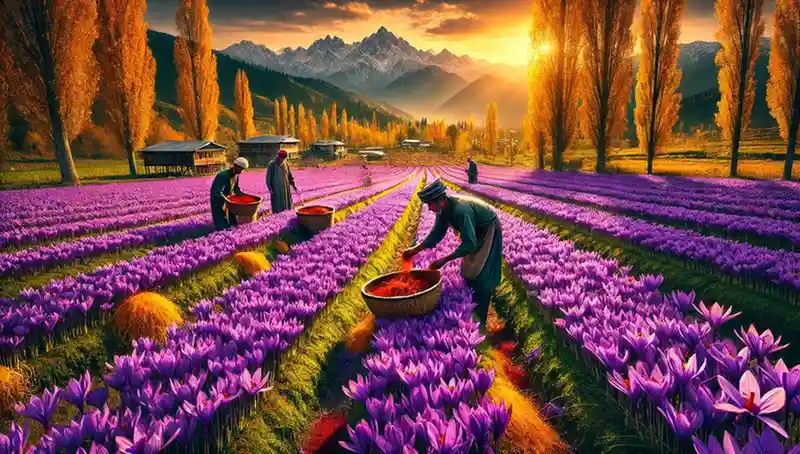
There was a time when saffron—the golden spice of Kashmir—wasn’t just grown in Pampore. From the early 80s to the mid-90s, it coloured the karewas of many villages like a purple dream. Back then, our childhood wasn’t about carefree laughter or idle play. It was about agricultural chores, hard work, and yes—saffron.Click Here To Follow Our WhatsApp Channe
October days were spent in the fields, plucking those delicate blossoms. Nights turned into long hours of separating the red stigmas by hand—our eyes half-closed, our backs aching, but the hearts of our parents filled with quiet pride. I still remember, our family would produce heaps of saffron, selling it at around ₹100 per tola—a decent amount for the time, though it never quite matched the labour behind it.

But saffron cultivation wasn’t easy. Rodents were the biggest enemies. We dug holes, stuffed them with chilli smoke & sometimes used poison baits to control them. Once, sometime in the late 80s, I was digging a rat hole when suddenly, instead of a rodent, a huge snake rose up before me. I froze for a second, dropped my tool (بیل), & ran away quickly!
Another day, in the early 90s, my cousin faced worse luck—he was digging a similar hole when someone accused him of making an underground hideout! That was the last time our family took the rodent issue seriously—we simply gave up managing them.
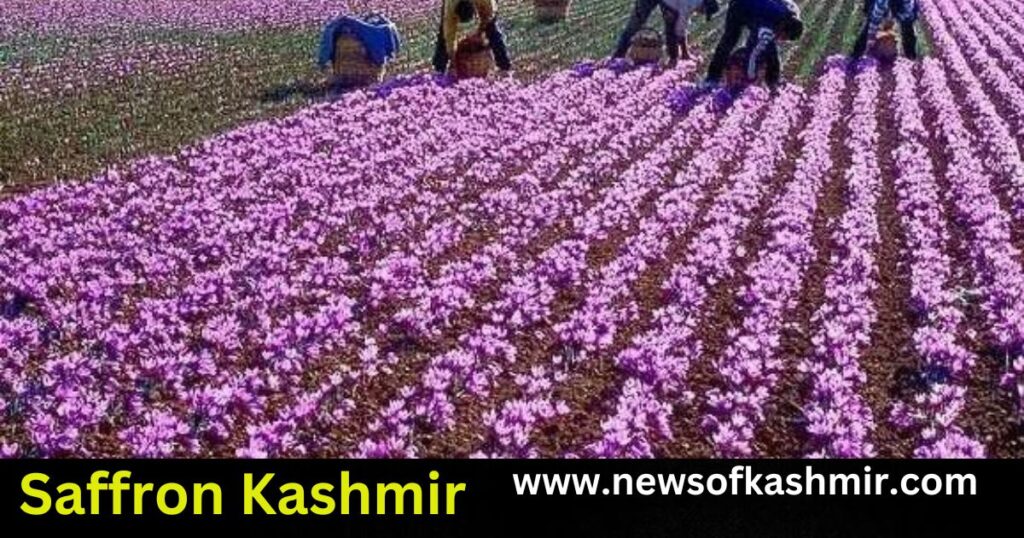
Then came the dry years of the mid to late 90s — a time that has devastating effects on the crops grown on Karewa. Prolonged dryness damaged a large number of almond & plum trees, and the saffron crop too began to suffer. With no borewells around those days & the karewas gradually losing their moisture, the land that once glowed purple in October slowly turned pale and tired.
Finally, the Yields declined sharply & slowly and saffron corms didn’t disappear only from the soils but it disappeared from our villages—leaving only memories behind.
We grew saffron as both a standalone crop & an intercrop under walnuts, almonds, & plums. We had a particular 32-kanal “nad-ناڈ” (as we called it in Kashmiri) on Karewa land filled with walnut trees that gave the excellent yields of saffron. Perheps due to topography, it would recive lesser heat, so moisture remained available at critical periods of time for the cf crop. The beauty was—saffron grew in winter when trees stood leafless, letting sunlight reach to the intercrop.
Those were the days — when our hands smelled of soil and saffron, & as kids, we’d secretly curse the corms that stole our holidays. Days went in plucking flowers, nights in separating crimson threads. Now, when I see “sensational news” of saffron beyond Pampore made for likes and views, I just smile — & remember those saffron days that left behind fragrance, toil, & memories to cherish forever.
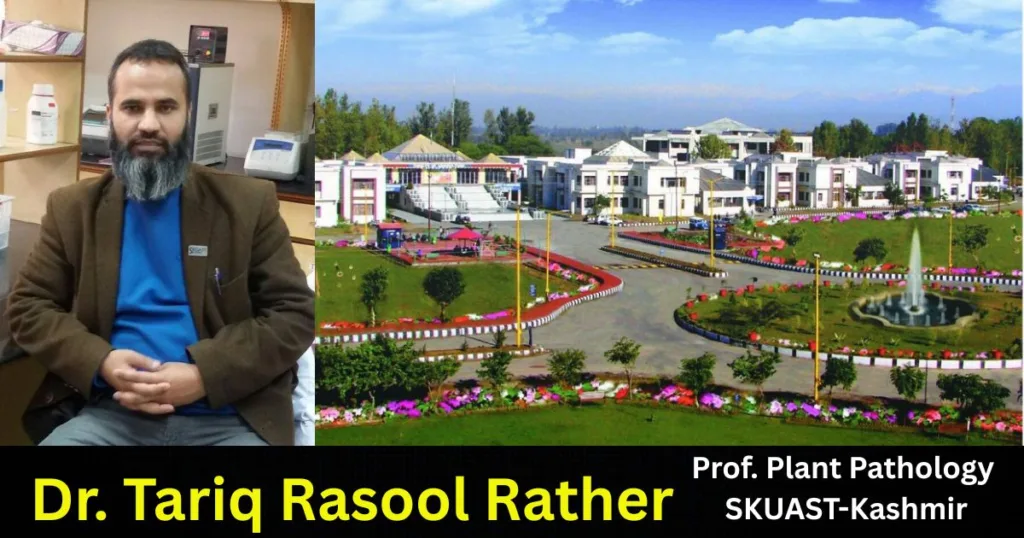
Writer : Dr, Tariq Rasool Rather Prof. Plant Pathology SKUAST-KASHMIR
You Might Also Like:
Dangal Star Zaira Wasim Marries in Private Nikaah Ceremony
PM Modi Says Pakistan Surrendered Before India in Operation Sindoor
Ruhullah Rejects Agha Mehmood’s Claim, Says His Loyalty Lies With Conscience Not Party in Budgam Campaign Row