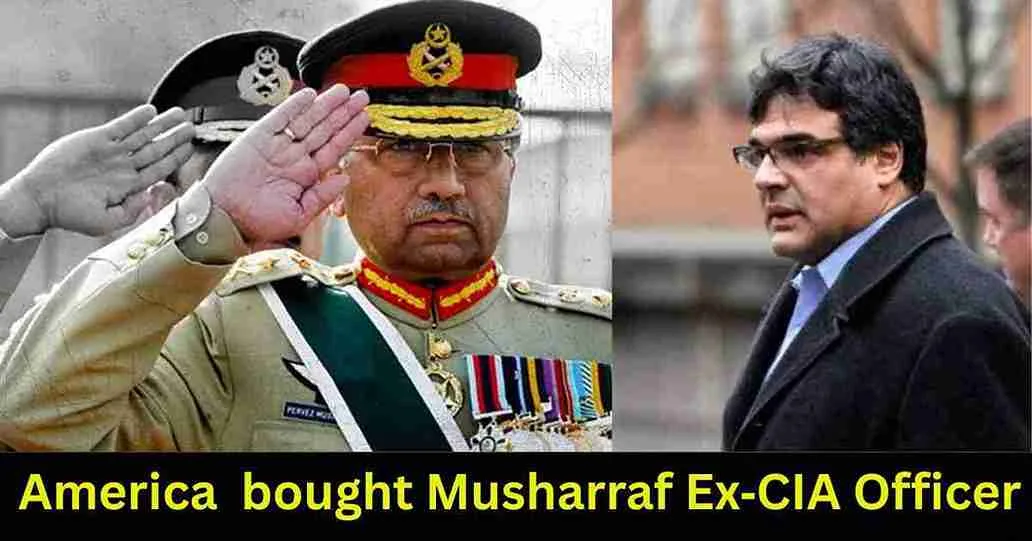
In a recent interview with ANI, former CIA officer John Kiriakou made explosive claims about the United States’ dealings with Pakistan during General Pervez Musharraf’s tenure. Kiriakou, who served 15 years in the CIA, alleged that the U.S. effectively “purchased” Musharraf’s cooperation through substantial financial aid. He also criticized the deep-rooted corruption among Pakistan’s political elite, highlighting the stark contrast between their lavish lifestyles and the struggles of ordinary citizens.Click Here To Follow Our WhatsApp Channel
U.S. Financial Influence on Musharraf
Kiriakou revealed that the U.S. provided millions of dollars in military and economic aid to Pakistan during Musharraf’s rule. He stated, “We essentially just purchased Musharraf,” emphasizing that dealing with autocratic leaders allowed the U.S. to bypass concerns about public opinion and media scrutiny. This financial support granted the U.S. significant influence over Pakistan’s policies and actions. @mathrubhumi
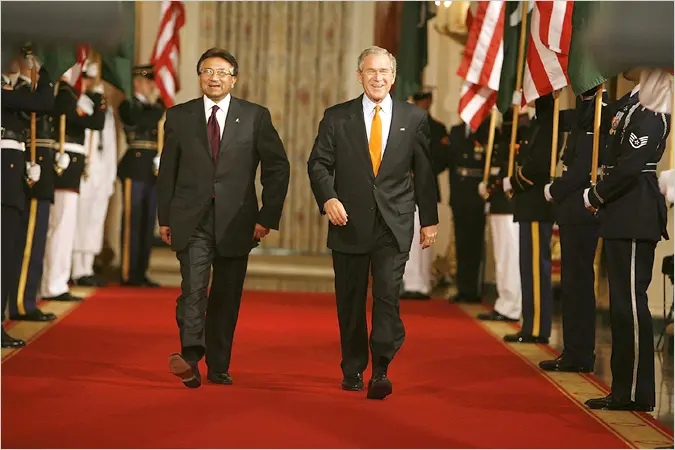
Pakistan’s Nuclear Arsenal Under U.S. Oversight
According to Kiriakou, Musharraf handed over control of Pakistan’s nuclear arsenal to the U.S., allowing American authorities to monitor and secure the country’s nuclear capabilities. This unprecedented level of oversight was reportedly a condition for continued U.S. support, reflecting the strategic importance of Pakistan’s nuclear assets in the broader context of global security. Defense News
Corruption Among Pakistan’s Political Elite
Kiriakou criticized the opulent lifestyles of Pakistan’s political leaders, contrasting them with the poverty faced by the general populace. He recounted an incident during a visit to Benazir Bhutto’s residence in Dubai, where she expressed frustration over her husband’s purchase of another luxury car. Kiriakou questioned how such extravagance could coexist with widespread deprivation, highlighting the systemic corruption within the political elite. @mathrubhumi
Benazir Bhutto’s Lavish Exile
During her exile in Dubai, Benazir Bhutto resided in a $5 million palace, a stark contrast to the economic hardships faced by many Pakistanis. Kiriakou’s observations underscore the disparity between the ruling class’s wealth and the struggles of ordinary citizens, raising questions about the ethical implications of such inequality.
Musharraf’s Balancing Act
Kiriakou suggested that Musharraf’s cooperation with the U.S. was a strategic move to maintain the support of Pakistan’s military establishment. By aligning with American interests, Musharraf could secure vital aid and resources, while also appeasing domestic military factions that prioritized regional security concerns, particularly regarding India.
Internal Political Instability in Pakistan
Expressing concern over Pakistan’s political landscape, Kiriakou warned that ongoing internal divisions could escalate into widespread unrest. He noted that the country has a history of political turmoil, with leaders often failing to implement transformative policies, leading to public disillusionment and potential violence.
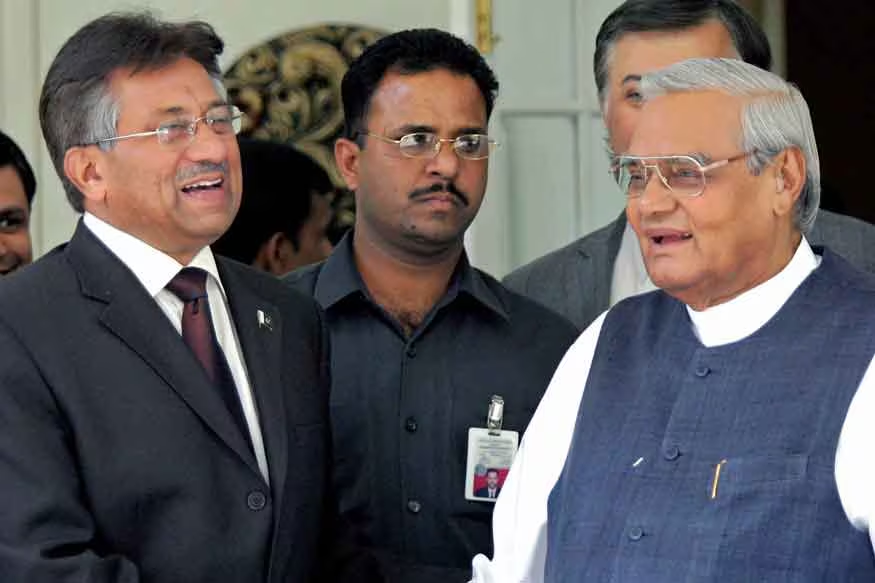
The U.S.-Pakistan Alliance Post-9/11
Following the September 11 attacks, the U.S. sought to strengthen its alliance with Pakistan to combat terrorism. Kiriakou’s revelations shed light on the extent of this partnership, including significant financial investments and strategic cooperation, which had long-term implications for both nations’ foreign policies.
Musharraf’s Reversal on Taliban Support
In his memoir, Musharraf admitted to reversing Pakistan’s support for the Taliban after realizing that a confrontation with the U.S. would be detrimental to Pakistan’s military, economy, and national unity. This shift in policy highlights the complex geopolitical calculations that influenced Pakistan’s foreign relations during Musharraf’s tenure.
Conclusion
John Kiriakou’s insights into the U.S.-Pakistan relationship during Pervez Musharraf’s rule provide a candid look at the interplay between international diplomacy, financial influence, and domestic politics. His revelations about the “purchase” of Musharraf’s cooperation and the corruption within Pakistan’s elite offer a critical perspective on the challenges facing the nation. As Pakistan continues to navigate its political landscape, these accounts serve as a reminder of the complexities involved in global alliances and the impact of leadership decisions on national integrity.
You Might Also Like:
Dangal Star Zaira Wasim Marries in Private Nikaah Ceremony
PM Modi Says Pakistan Surrendered Before India in Operation Sindoor
When Saffron Bloomed Beyond Pampore: A Nostalgic Journey Through Kashmir’s Golden Fields