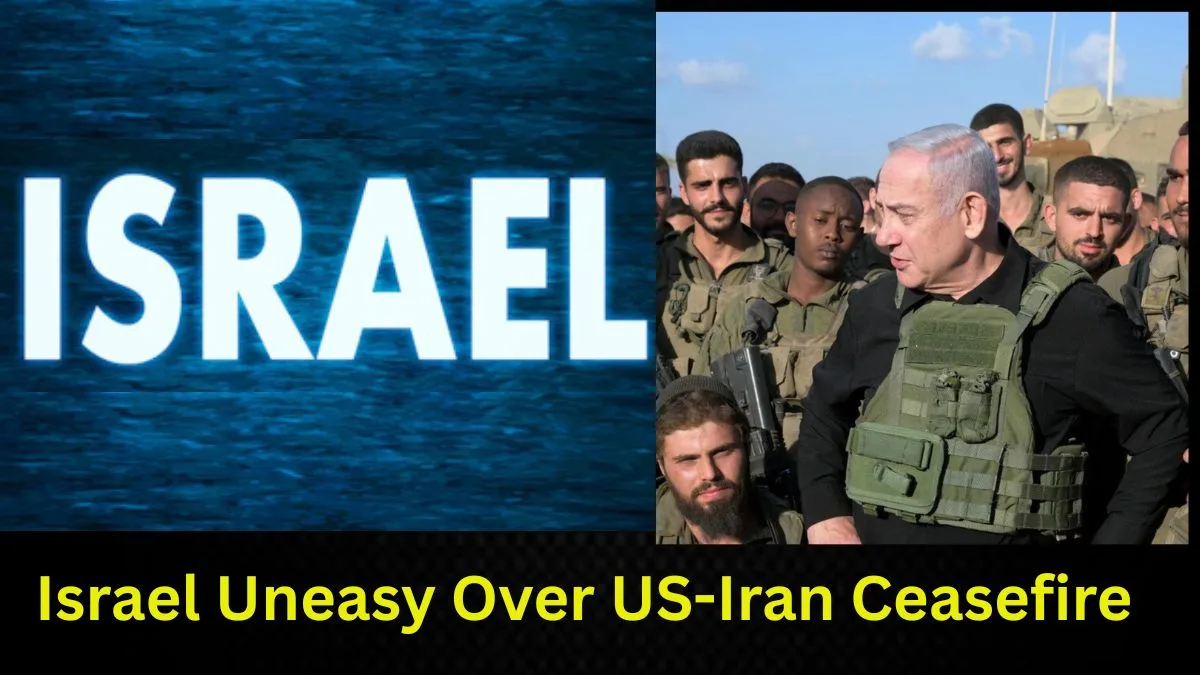
Israel has expressed clear unease over the newly announced two-week ceasefire between the United States and Iran, claiming it was not fully informed about the deal until the final moments.
The reaction comes as fresh strikes and retaliatory attacks across the region have already put the fragile truce under pressure. Click Here To Follow Our WhatsApp Channel
Israel Says It Was Kept in the Dark
Israeli officials said Washington did not properly brief them on the final details of the agreement.
While Prime Minister Benjamin Netanyahu publicly welcomed the US decision to pause strikes, he made it clear that the ceasefire does not apply to Israel’s operations in Lebanon.
Israeli forces continued large-scale attacks against Hezbollah targets on Wednesday, showing that their military campaign remains separate from the US-Iran deal.
US Declares Victory Despite Tensions
At the same time, US Defence Secretary Pete Hegseth called the ceasefire a major success, saying Iran had “begged” for the pause.
He described Operation Epic Fury as a “historic and overwhelming victory”, claiming US forces achieved all their objectives in a short time.
President Donald Trump also presented the ceasefire as a strong outcome, saying it followed intense pressure on Iran, including threats over the Strait of Hormuz.
Ceasefire Tested Within Hours
The agreement faced immediate challenges after an oil refinery on Iran’s Lavan Island was hit shortly after the ceasefire began.
Iran called it an “enemy attack”, though no country has claimed responsibility. Fires were reported but later controlled.
In response, Iran launched drone and missile strikes targeting Gulf countries, including:
- Kuwait, where drones aimed at oil and energy sites were intercepted
- United Arab Emirates, where air defences were activated near key infrastructure
- Alerts in Bahrain and nearby areas
These developments have raised serious concerns about whether the ceasefire can hold.
Disagreement Over Scope of Deal
There also appears to be confusion over the scope of the ceasefire.
Pakistan’s Prime Minister Shehbaz Sharif, who helped mediate the deal, suggested it could apply more broadly, including to Lebanon.
However, Israel has clearly rejected this view, continuing its operations against Hezbollah.
Fragile Situation and Global Concerns
The ceasefire requires Iran to allow safe passage through the Strait of Hormuz, a route that carries around 20% of global oil supplies.
In return, the US has paused direct strikes on Iran. Talks between both sides are expected to begin soon in Islamabad.
However, US Vice President JD Vance has already described the agreement as fragile, and recent events appear to support that warning.
What Happens Next
The situation remains highly tense, with multiple countries and armed groups involved.
While the ceasefire offers a short pause in direct fighting, ongoing attacks and disagreements between allies like the US and Israel could threaten its success.
The coming days — especially the planned talks — will be critical in deciding whether this truce leads to peace or further escalation.
You Might Also Like:
US Rescues Downed Pilot from Iran in High-Risk Operation, Trump Declares “We Got Him”
Dr.Fatemeh Ardeshir-Larijani Ousted from Emory, Visa Revoked After Protests Over Iran Links