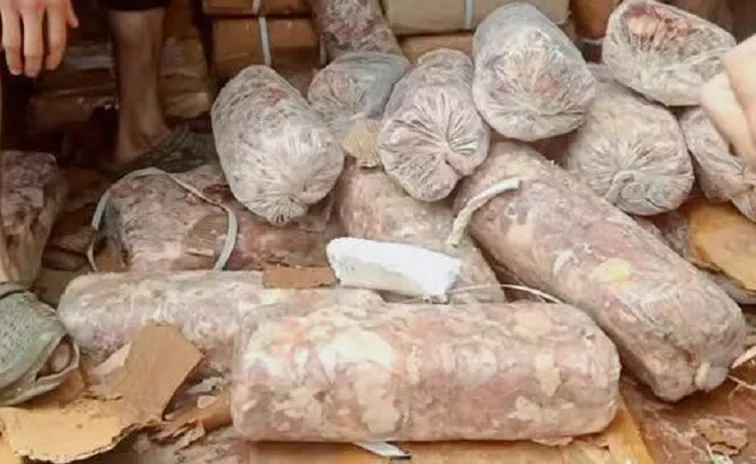
In early August 2025, the Kashmir Valley was rocked by a massive food safety crackdown led by the Department of Food Safety, under the supervision of the Commissioner, Food & Drugs Administration J&K, and directed by the Health and Medical Education Department. The operation exposed a chilling network of unsafe food practices, with over 3,500 kilograms of adulterated and spoiled meat products, including kababs, meatballs (Gushtaba), and raw meat, seized and destroyed across Srinagar, Ganderbal, and Pulwama. This article delves into the details of the crackdown, its findings, public reactions, and the broader implications for Kashmir’s food industry and public health.
The Crackdown: Scope and Scale
The enforcement drive, conducted over 48 hours starting August 5, 2025, targeted non-compliant Food Business Operators (FBOs) across multiple districts. The operation was triggered by public complaints and intelligence about widespread food adulteration, building on a prior seizure of 1,200 kilograms of rotten meat from a cold storage facility in Zakura, Srinagar, on July 31, 2025.
Key Seizures and Violations
- Srinagar (Safakadal and Parimpora):
- 2,500 Kababs: Enforcement teams seized approximately 2,500 kababs processed with frozen meat containing unpermitted food coloring agents, such as Carmisine, Tartrazine, and Erythrosine, which are known to pose serious health risks. These kababs, intended for mass consumption without quality checks, were destroyed on-site to prevent public health hazards.
- 150 kg of Gushtaba: An additional 150 kilograms of contaminated meatballs (Gushtaba) were confiscated, with samples sent for laboratory analysis to determine the extent of adulteration. Legal proceedings against the involved FBOs are underway.
- Ganderbal (Nagbal):
- 250 kg of Spoiled Meat: Authorities destroyed 250 kilograms of visibly deteriorated meat due to improper storage and handling practices. Two food outlets in the area were sealed for maintaining unhygienic conditions, violating food safety laws.
- Illegal Dumping:
- Large quantities of unsafe meat were found abandoned in secluded areas, indicating panic among violators. Notable incidents include:
- Kakapora, Pulwama: Approximately 1,000 kilograms of unfit meat were discovered dumped, likely to evade detection.
- Khandey Colony, Nawgam, Srinagar: Another 600–1,000 kilograms of spoiled meat were found in sealed packets in marshy land near the Nowgam-Lasjan Bypass, raising environmental and health concerns.
- Chinpoh Lasjan B, Srinagar: A tip-off led to the discovery of 800 kilograms of unsafe meat dumped in a nallah, highlighting the scale of the illegal disposal problem.
- Large quantities of unsafe meat were found abandoned in secluded areas, indicating panic among violators. Notable incidents include:
- Total Seizures:
- The crackdown resulted in the seizure and destruction of over 3,500 kilograms of unsafe meat products across Kashmir, including raw meat, poultry, and processed items like kababs and Gushtaba. This figure includes an additional 500 kilograms of rotten meat in Lasjan, intended for restaurants and hotels.
Prior Context
The August 2025 operation follows a July 31 seizure of 1,200 kilograms of decomposed meat from a cold storage unit in Zakura, Srinagar, intended for supply to restaurants and hotels. This incident, coupled with earlier seizures of 8.5 quintals of adulterated cheese and 49,500 kilograms of counterfeit Rasgullas in Jammu, exposed systemic failures in the region’s food supply chain.
Health Risks and Regulatory Violations
The seized meat products violated several Food Safety and Standards Authority of India (FSSAI) regulations, including:
- Unhygienic Storage: Meat was stored at inadequate temperatures (not maintained at -18°C), leading to spoilage and potential contamination with pathogens like Salmonella or E. coli.
- Unpermitted Additives: The use of non-approved food colors in kababs poses risks of allergic reactions, toxicity, and long-term health issues, including potential links to colon tumors, as noted by doctors at Government Medical College, Srinagar.
- Lack of Traceability: Much of the seized meat lacked proper labeling or certification, making it impossible to verify its source or slaughter conditions.
Assistant Commissioner Food Safety, Hilal Ahmad Mir, emphasized that the meat was intended for commercial distribution, not direct consumer sale, highlighting vulnerabilities in the supply chain for restaurants and hotels. Unconfirmed reports also suggest the use of formaldehyde to preserve non-vegetarian food, a dangerous practice that could exacerbate health risks.
Public and Religious Response
The crackdown sparked widespread outrage and fear among consumers, who are questioning the safety of Kashmir’s beloved meat-based cuisine, including wazwan dishes like kababs and Gushtaba. Social media posts reflected public sentiment, with one user stating, “This is a sickening betrayal of trust,” and another questioning how such meat could be sold so cheaply.
The revelations also prompted religious intervention. On August 7, 2025, the Grand Mufti of Jammu and Kashmir, Mufti Nasir-ul-Islam, issued a fatwa against the consumption of suspected haram (forbidden) meat products, urging the public to avoid items like momos, kababs, and frozen meat of uncertain origin. The fatwa emphasized the religious obligation to consume only halal meat, amplifying public distrust in the meat supply chain.
FBO Reactions and Evasion Tactics
The crackdown triggered panic among defaulting FBOs, some of whom resorted to illegally dumping unsafe meat to avoid detection. Commissioner Food Safety, Smita Sethi, noted, “They know we’re closing in. So, before the material reaches markets or checkpoints, they are dumping it on roadsides or in water bodies.” This behavior not only violates food safety laws but also poses environmental risks, as dumped meat in water bodies and marshy lands could contaminate local ecosystems.
Two business units in Ganderbal were sealed for unhygienic practices, and legal action is pending against multiple FBOs. The department has warned of strict criminal action and immediate closure for non-compliance with hygiene, labeling, and cold-chain protocols.
Public Health Implications
The scale of the violations raises serious concerns about public health in Kashmir. Doctors at Government Medical College, Srinagar, have linked the consumption of unsafe food to a rise in gastrointestinal diseases, food poisoning, and colon tumors. A March 2025 report noted that one in three people undergoing colonoscopy at the hospital had a tumor, prompting calls for closer scrutiny of food safety standards.
The absence of a robust cold chain and lax enforcement of FSSAI regulations exacerbate these risks. Without proper refrigeration, slaughterhouse standards, and veterinary inspections, consumers are vulnerable to foodborne illnesses. The crackdown has also damaged public trust in local markets and eateries, threatening Kashmir’s emerging food tourism industry.
Official Response and Future Measures
The Food Safety Department has declared the situation a “health emergency,” with a senior officer stating, “Violators will be prosecuted without leniency.” The department is intensifying enforcement efforts, including:
- Increased Inspections: Surprise raids will continue across Kashmir, targeting storage facilities, suppliers, and distributors.
- Public Reporting: Consumers are urged to report violations via the toll-free helpline 104, which played a crucial role in triggering the current crackdown.
- Transparency Measures: Calls for public disclosure of violators’ names, shop locations, and license numbers, as well as mandatory display of meat source details by restaurants, are gaining traction.
- Dedicated Teams: Suggestions for joint teams involving the Food Safety Department, Crime Branch, and Anti-Corruption Bureau to dismantle organized networks behind the illegal meat trade.
The Food and Drugs Administration (FDA) is also investigating the supply chain to trace the origins of the rotten meat, much of which is suspected to come from outside the Union Territory without proper refrigeration.
Consumer Demands and Recommendations
Consumers are demanding regular inspections, stricter penalties, and greater accountability. Specific recommendations include:
- Mobile Meat Inspection Units: To conduct random testing across cities and districts.
- Public Awareness Campaigns: To educate consumers on identifying safe meat and reporting suspicious activity.
- Licensing Enforcement: Ensuring all meat vendors and restaurants operate with valid FSSAI licenses and adhere to hygiene standards.
Conclusion
The 2025 food safety crackdown in Kashmir has exposed a deeply troubling network of adulteration and negligence in the region’s meat industry. With over 3,500 kilograms of unsafe meat seized, business units sealed, and a fatwa issued, the crisis has shaken public trust and highlighted the urgent need for systemic reform. The Food Safety Department’s zero-tolerance policy, coupled with public vigilance, offers hope for safer food practices, but sustained enforcement and transparency are critical to prevent further betrayals of consumer trust. As Kashmir grapples with this public health emergency, the question remains: can the region’s cherished culinary heritage be protected from the rot within its supply chain?
Click Here To Follow Our WhatsApp Channel
You Might Also Like:
IUST Hosts Inter-departmental Athletic Meet 2025, Promoting Sportsmanship
Supreme Court to Hear Plea on August 8 Seeking Time-Bound Restoration of J&K Statehood
Rahul Gandhi Alleges Modi Can’t Oppose Trump Due to U.S. Probe into Adani-Russia Oil Links