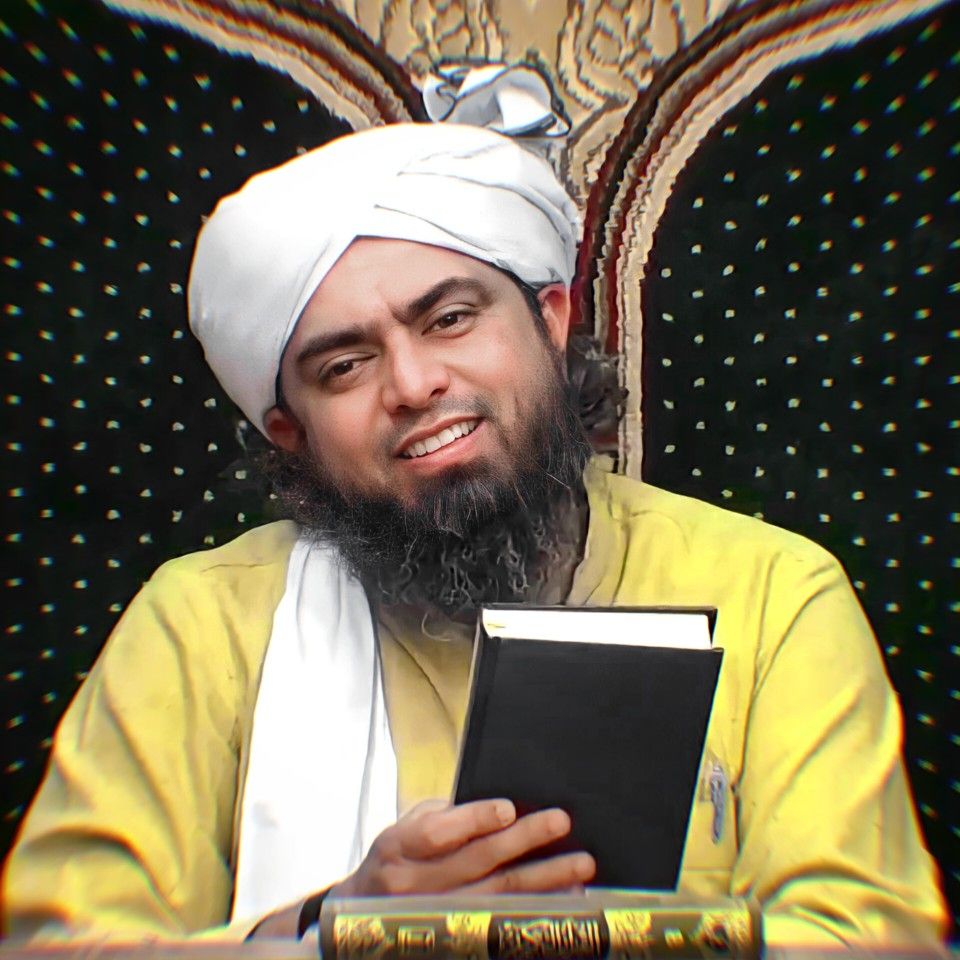
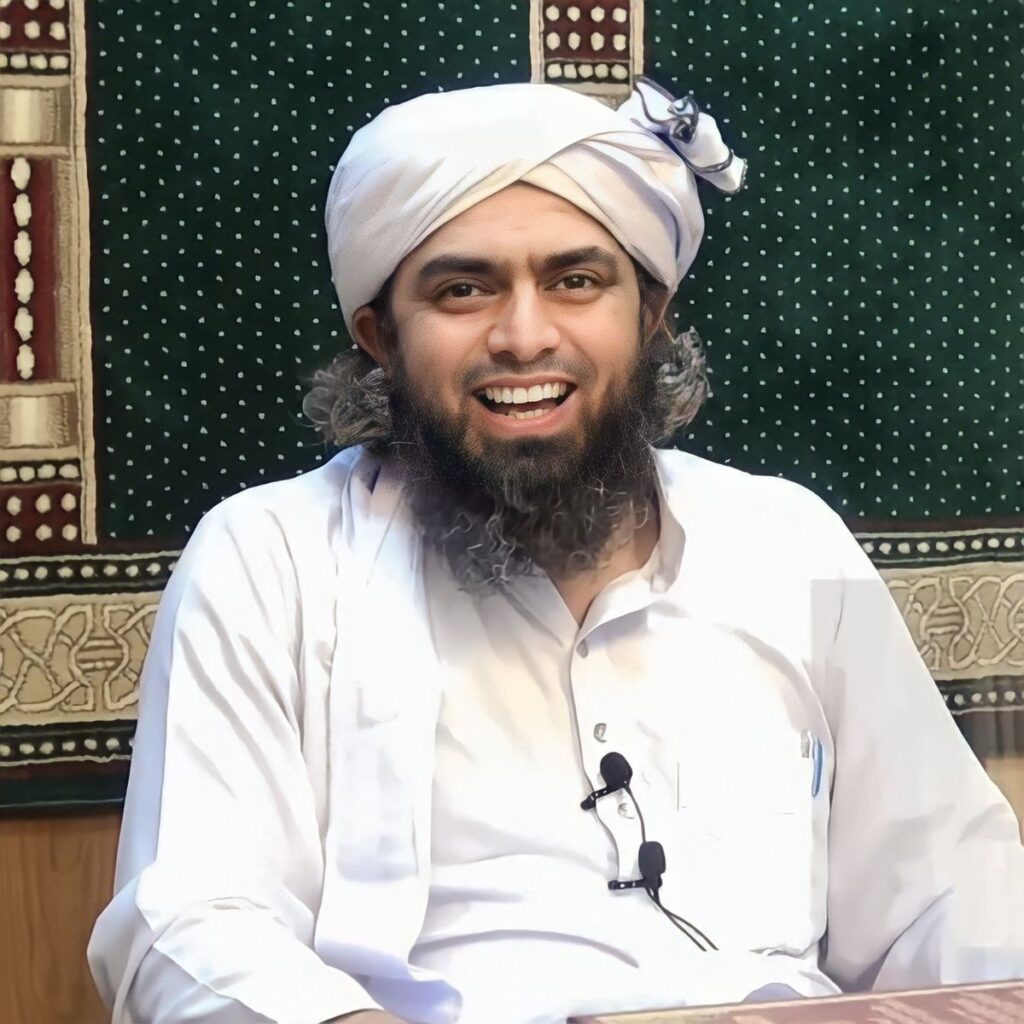
According to Jhelum Police, Engineer Muhammad Ali Mirza has been arrested under Section 3 of the MPO and transferred to jail.
Police said that the arrest was made following a petition filed against him by religious groups.
It is worth mentioning that religious scholar Engineer Muhammad Ali Mirza is quite active on social media and also runs his own YouTube channel.
Click Here To Follow Our WhatsApp Channel
Detailed Introduction to Engineer Muhammad Ali Mirza
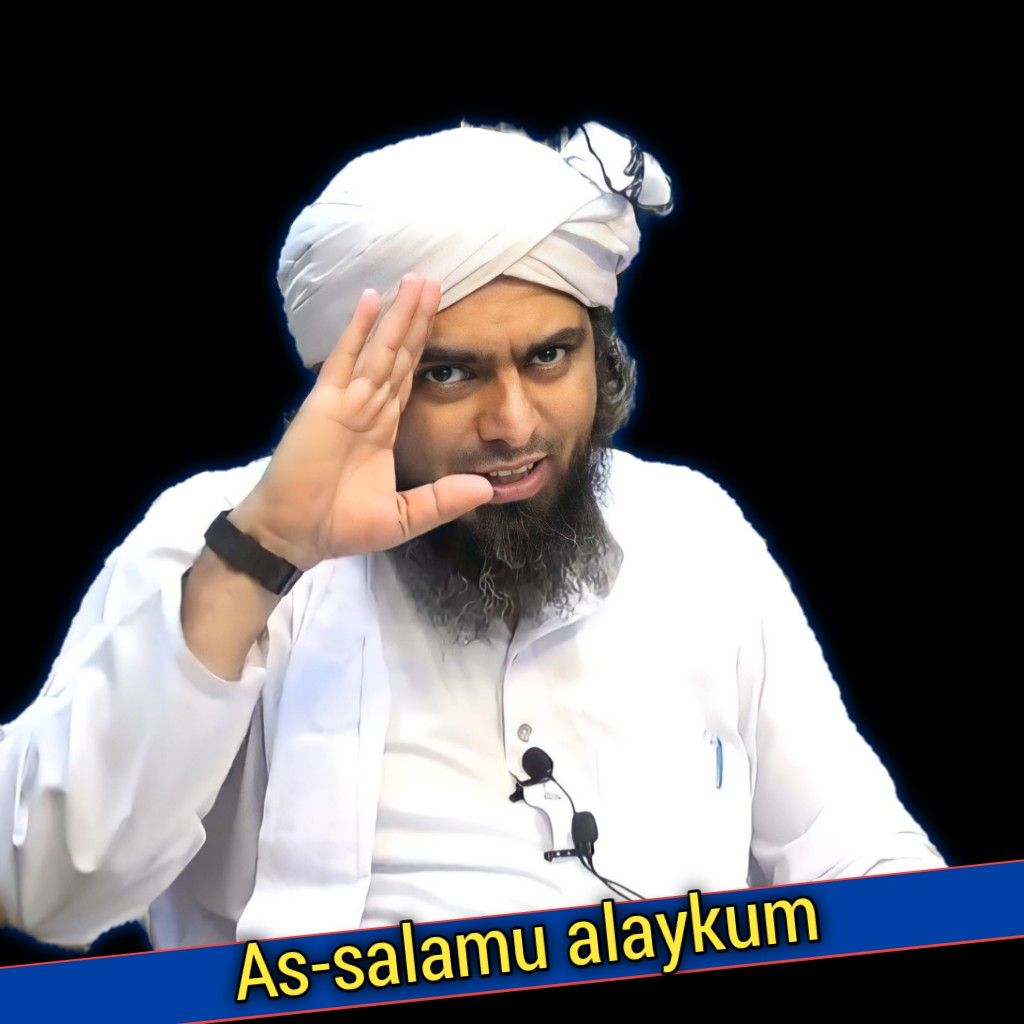
Engineer Muhammad Ali Mirza, born on October 4, 1977, in Jhelum, Punjab, Pakistan, is a prominent Pakistani Islamic scholar, YouTuber, and commentator known for his thought-provoking lectures on religious, historical, and societal issues. A mechanical engineer by profession, Mirza has garnered significant attention for his unique approach to Islamic theology, emphasizing unity among Muslims and advocating for a return to the core teachings of the Quran and Sahih Hadith, irrespective of sectarian affiliations. His work, often disseminated through his YouTube channel, has amassed a following of over three million subscribers, making him one of Pakistan’s most influential religious figures online. However, his outspoken views and critiques of traditional Islamic scholarship have also made him a polarizing figure, leading to controversies, legal challenges, and multiple assassination attempts.
Early Life and Education
Muhammad Ali Mirza was born to Mirza Arshad Mahmud, who reportedly worked at Allied Bank. Raised in Jhelum, Mirza pursued higher education in mechanical engineering at the University of Engineering and Technology, Taxila. After completing his degree, he joined the Government of Punjab as a mechanical engineer, serving on the 19th pay scale. His professional career in engineering was cut short when the department asked him to resign due to his growing prominence as a public figure through his religious lectures. This transition marked the beginning of his full-time dedication to Islamic scholarship and public discourse.
Career as a Religious Scholar
Mirza’s journey into religious scholarship began with his YouTube channel, initially named “720085,” registered on May 1, 2009, before transitioning to his current channel, created on June 17, 2014. His lectures focus on addressing controversial issues within the Muslim community, particularly those related to sectarian divisions among Sunni, Shia, Deobandi, Barelvi, and other groups. Mirza advocates for a non-sectarian approach, arguing that no single sect is entirely correct or incorrect. Instead, he emphasizes the importance of aligning beliefs and practices with the Quran and authentic Hadith, often challenging established narratives upheld by traditional scholars.
Through his Jhelum-based research academy, Mirza conducts in-depth studies and delivers weekly lectures, which are recorded and shared online. His content covers a wide range of topics, including theology, Islamic history, and contemporary social issues. He is known for his meticulous referencing of Islamic texts, aiming to resolve disputes and misconceptions within the Muslim Ummah (community) by grounding his arguments in primary sources. His approach has resonated with a global audience, particularly among younger Muslims seeking clarity in a landscape marked by sectarianism and dogmatic rigidity.
Controversies and Legal Challenges
Mirza’s unorthodox views and willingness to critique prominent religious figures have sparked significant controversy. His critics accuse him of using derogatory language when referring to Muslim saints and companions of the Prophet Muhammad (PBUH), particularly Mu’awiya I, the first Umayyad Caliph. Mirza’s interpretation of a hadith reported by al-Bukhari, which he claims portrays Mu’awiya negatively, has drawn ire from traditionalist Sunni scholars who revere Mu’awiya as a companion of the Prophet. This stance has fueled long-standing rivalries, notably with Deobandi scholar Mufti Tariq Masood, culminating in a failed attempt to hold a public debate in Jhelum in 2021.
Mirza’s comments on the Ahmadi community have also stirred debate. While he has stated that Ahmadis are not Muslims, he has argued they are closer to the truth than Christians and Jews and deserve humane treatment, a position that has been misinterpreted by critics as defending Ahmadis. This led to a blasphemy case filed against him in April 2023 under Section 295C of the Pakistan Penal Code, accusing him of disrespecting the Prophet Muhammad (PBUH) and downplaying Pakistan’s legal stance on Ahmadis. Additionally, his defense of Indian politician Nupur Sharma, who faced backlash for controversial remarks about the Prophet, drew criticism from both Indian and Pakistani scholars, though it earned praise from Indian journalist Rubika Liaquat.
Mirza has faced legal repercussions for his outspokenness. In May 2020, he was arrested on charges of spreading hate speech against religious scholars but was released on bail shortly after. In August 2025, he was arrested again under Section 3 of the Maintenance of Public Order (MPO) Ordinance following complaints from religious groups, leading to his detention in Jhelum District Jail and the sealing of his academy. Earlier, in April 2023, another FIR was lodged against him under the MPO and blasphemy laws, highlighting the ongoing tension between Mirza and certain religious factions.
Assassination Attempts
Mirza’s controversial stances have made him a target for violence. He survived assassination attempts in October 2017, March 2021, and August 2023. The 2021 attack occurred during a weekly lecture at his Jhelum academy, where an assailant from Lahore attempted to stab him during a photo session, resulting in minor injuries. In 2023, another attacker, Ali Hasan from Gujrat, was apprehended by academy guards before he could harm Mirza. The extremist group Tehreek-e-Labbaik Pakistan reportedly offered a Rs. 500,000 reward for his assassination, and in 2023, the late Pir Afzal Qadri also called for his killing, underscoring the severity of opposition to his work.
Public Perception and Impact
Mirza’s supporters view him as a bold reformer who challenges the monopolization of religious discourse by traditional scholars. They appreciate his transparency, as he publicly discloses his assets and refrains from accepting charitable funds for his academy, distancing himself from what he calls the “religious business” of some clerics. His followers, particularly on platforms like X, praise his research-driven approach and commitment to Muslim unity, as seen in posts commending his courage in the face of death threats and legal challenges.
Conversely, detractors label him a heretic and accuse him of sowing division by criticizing revered figures and sects. On platforms like Reddit, critics argue that his teachings sometimes deviate from established Islamic scholarship, and his refusal to engage in direct debates with scholars like Mufti Tariq Masood or Mufti Hanif Qureshi has led to accusations of avoiding accountability. Some allege he selectively uses Sunni texts to appeal to a broader audience while promoting his own interpretations, further fueling perceptions of him as a controversial figure.
Personal Life and Philosophy
Mirza, now 47 years old, remains based in Jhelum, where he continues to operate his academy despite repeated threats and legal actions. A Libra by zodiac, he identifies as a Pakistani Muslim who prioritizes intellectual rigor over blind adherence to any sect. His philosophy centers on fostering critical thinking among Muslims, encouraging them to question sectarian narratives and verify religious claims against the Quran and Hadith. He maintains an active presence on social media platforms, including YouTube, Facebook, Instagram, and Twitter, where he engages with his audience and addresses criticisms.
Conclusion
Engineer Muhammad Ali Mirza stands as a complex figure in Pakistan’s religious landscape—a mechanical engineer turned Islamic scholar who challenges conventional norms while advocating for unity and authenticity in Islamic practice. His commitment to addressing contentious issues has earned him a vast following but also significant opposition, resulting in legal battles and life-threatening attacks. As of August 2025, Mirza remains in Jhelum District Jail, with his academy sealed, yet his influence persists through his online lectures and the ongoing debates they inspire. His story reflects the challenges of navigating religious discourse in a polarized society, where calls for reform often come at a steep personal cost.
You Might Also Like:
Kashmir Politics From Mahraja Hari Singh To Syed Ali Geelani
From Boom to Bust: How the April 22 Terror Attack Shattered Pahalgam’s Tourism Dream
Former Jamat-e-Islami Spokesperson Advocate Zahid Ali Surrenders to Jammu and Kashmir Police