(Altaf Husain Nadwi)
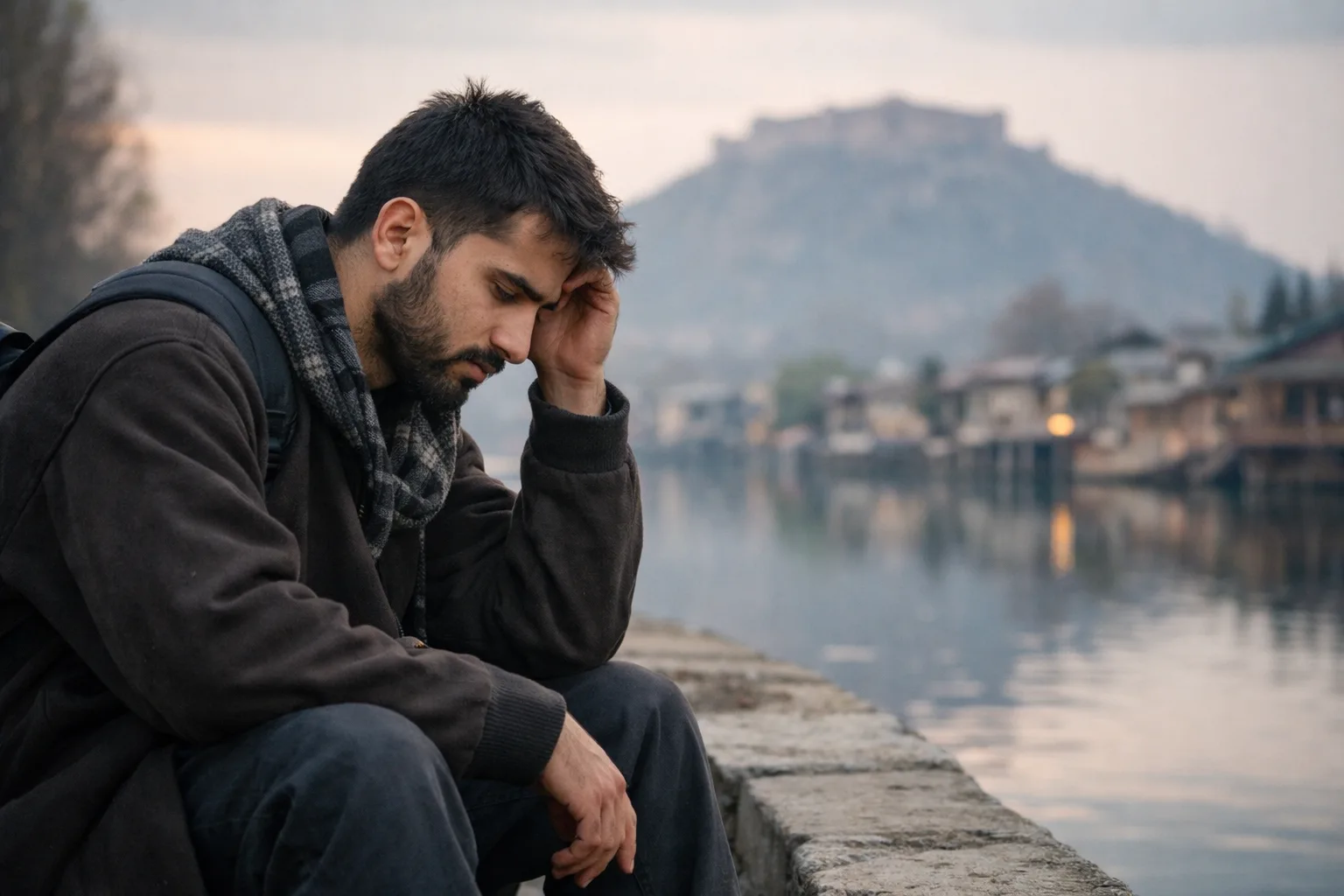
In Jammu and Kashmir, there is a silent pain that rarely makes headlines. It sits in small rooms, in quiet homes, and in the eyes of young people who did everything they were told to do — yet have nothing to show for it.
They studied hard.
They cleared exams.
They waited patiently.
Still, they are jobless.
A promise that slowly faded
For years, education was sold as the key to dignity and security. Parents believed it deeply. Many sold land, took loans, or worked day and night so their children could earn a degree. The promise was simple: study well, and life will get better.
But for many educated youths in Kashmir, that promise never arrived.
Waiting has become a way of life
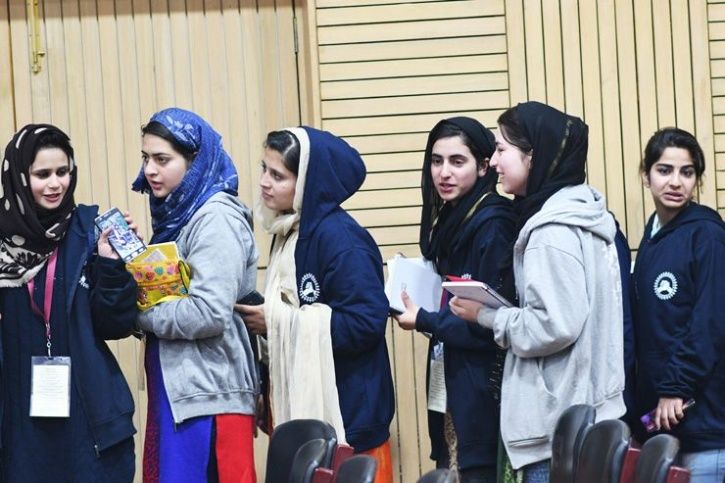
Graduates wake up every morning and check notifications. Recruitment notices appear, then disappear. Exams are held, results are delayed. Sometimes selections are cancelled without clear reasons.
Months turn into years.
Hope turns into exhaustion.
Waiting has become a full-time job — without salary, without respect.
The pain nobody talks about
Unemployment is not just about money. It slowly eats confidence. A young person who once spoke with pride now avoids questions. Family gatherings become uncomfortable. Every comparison feels like a wound.
Parents don’t say much, but their silence hurts. Society doesn’t shout, but it judges quietly.
This pain does not trend on social media, but it lives inside thousands of homes.
“Skill issue” is not the full truth
Youth are often told they lack skills. So they learn more. Computers, languages, diplomas, coaching classes — they try everything. But the reality is harsh: skills cannot create jobs where opportunities are missing.
Kashmir has limited industries, weak private investment, and very few sustainable job options. Talent exists. Chances do not.
A generation stuck in between
These young people are not lazy. They want to work, to contribute, to stand on their own feet. But they are stuck between promises and reality, between hope and disappointment.
Some lose years preparing. Some lose confidence. Some lose belief.
This is more than unemployment
This is about a generation slowly losing trust — not in education, but in the system that failed to value their effort and time.
Kashmiri youth are not asking for shortcuts. They are asking for fairness. For transparency. For timely decisions. For real opportunities, not repeated assurances.
Until that happens, degrees will keep increasing, but dreams will keep shrinking.
And the silence of unemployed educated youth will remain one of Kashmir’s deepest, most ignored truths.
(Author is Nok Columnist and can be reached at: altafnadvi@gmail.com)
You Might Also Like:
Islam and Freedom of Religion: A Muslim Perspective on Human Rights and Non-Coercion