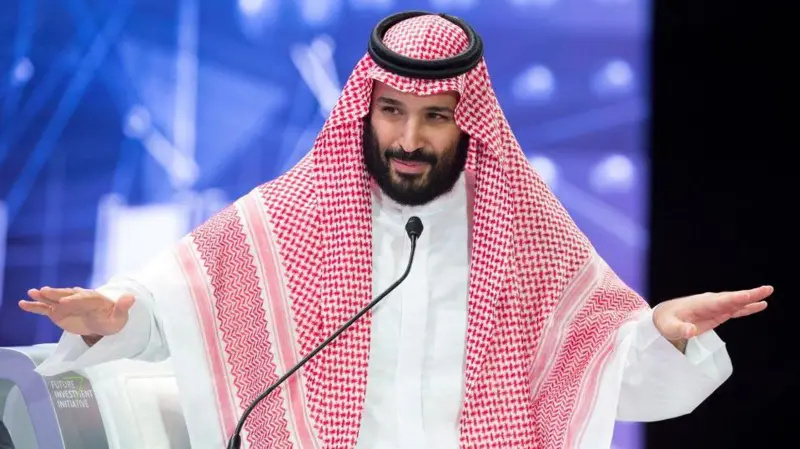
Mohammed bin Salman (MBS), the 40-year-old Crown Prince of Saudi Arabia, has redefined the kingdom’s political, religious, and social landscape in an unprecedented manner. Since his father, King Salman bin Abdulaziz, ascended the throne in 2015, MBS has consolidated power with a blend of audacious reforms, ruthless purges, and a bold vision for modernization. His actions have dismantled decades-old traditions, curtailed the influence of religious authorities, and positioned Saudi Arabia as a modernizing force on the global stage. However, his methods—marked by authoritarianism, human rights controversies, and extravagant personal spending—have sparked both admiration and criticism. This article explores how MBS crushed Wahhabi influence, ended the Sahwah movement, modernized the kingdom, and reshaped its future irrevocably.
Breaking the Grip of Wahhabi Clerics
Dismantling Wahhabi Dominance
For much of Saudi Arabia’s history, the Wahhabi clerical establishment, rooted in a strict interpretation of Sunni Islam, held immense sway over the kingdom’s social and political fabric. The Al Saud dynasty maintained a historic pact with Wahhabi clerics, granting them authority over religious and cultural life in exchange for political loyalty. This arrangement shaped laws, education, and public behavior, enforcing rigid gender segregation, dress codes, and bans on entertainment.
MBS viewed this influence as an obstacle to his vision of a modern, globally competitive Saudi Arabia. Beginning in 2015, he systematically reduced the power of Wahhabi clerics. Prominent scholars who opposed his reforms were silenced, arrested, or marginalized. The clerics’ control over education, judicial systems, and public discourse was curtailed, with the state assuming greater authority over religious narratives. MBS promoted a concept of “moderate Islam,” aligning the kingdom’s religious identity with international expectations of tolerance and openness. This shift weakened the traditional alliance between the royal family and the religious establishment, centralizing religious authority under MBS’s control.
Curbing the Religious Police
The Committee for the Promotion of Virtue and the Prevention of Vice, commonly known as the religious police or mutawa, was a powerful enforcer of Wahhabi principles. For decades, its officers patrolled public spaces, reprimanding women for improper dress, enforcing prayer-time shop closures, and punishing behaviors deemed un-Islamic, such as listening to music or public mingling of genders. Their authority created a climate of fear and restricted personal freedoms.
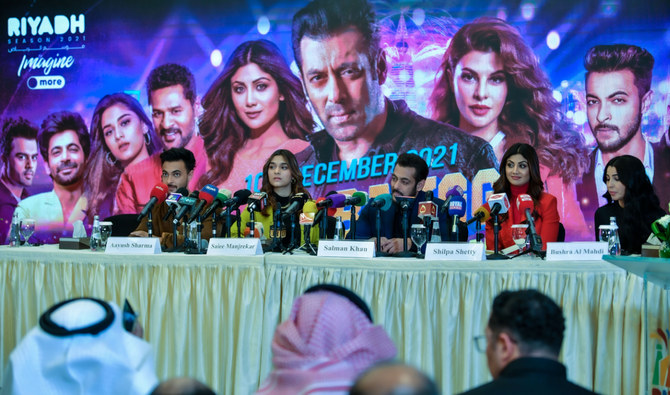
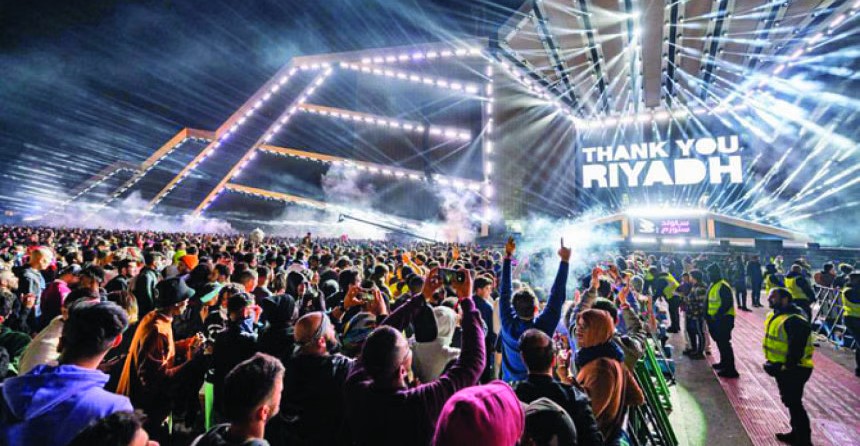
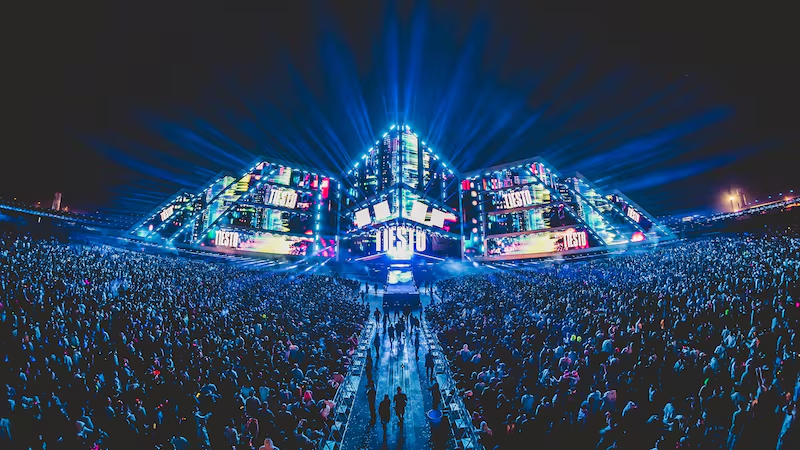
In 2016, MBS stripped the religious police of their powers to arrest, detain, or pursue individuals, effectively neutering their influence. This decision transformed public spaces almost overnight. Concerts, cinemas, and sporting events—previously banned under Wahhabi restrictions—became commonplace. The introduction of entertainment aligned with MBS’s Vision 2030 plan to create a vibrant, youth-oriented society and attract global tourism. These changes resonated with Saudi Arabia’s young population, which constitutes over 60% of the kingdom’s citizens under 30, but alienated traditionalists accustomed to strict religious oversight.
Ending the Sahwah Movement
The Sahwah (Islamic Awakening) movement, which emerged in the 1970s and gained prominence in the 1990s, combined religious conservatism with political activism. It challenged the royal family’s policies, advocating a stricter adherence to Islamic principles and criticizing perceived Western influence. MBS saw the movement as a source of extremism and a threat to his centralized control.
In a bold move, he declared the end of the Sahwah movement, labeling it a driver of non-moderate Islam. Key leaders, including influential clerics and intellectuals, were arrested or sidelined, and their networks were dismantled. By targeting the movement’s infrastructure, MBS ensured that no religious or political group could challenge the royal family’s authority. This crackdown further consolidated his control over the kingdom’s religious landscape, aligning it with his vision of state-driven moderation.
Power Struggles and Political Purges
Ousting Rivals Within the Royal Family
MBS’s ascent to power was marked by strategic maneuvers to eliminate competitors within the Al Saud dynasty. In June 2017, he orchestrated the removal of his cousin, Mohammed bin Nayef, the former Crown Prince and a respected figure in Western intelligence circles for his counterterrorism efforts. Bin Nayef was stripped of his titles, placed under house arrest, and effectively erased from the line of succession. This move broke with Saudi tradition, which favored senior royals for succession, and cleared MBS’s path to the throne.
To further consolidate his authority, MBS isolated his father, King Salman, from extended family members and political influencers. Reports suggest that even King Salman’s wife, MBS’s mother, was kept away from political affairs, ensuring that MBS became the primary decision-maker. By controlling access to the king, whose health has been a subject of speculation, MBS positioned himself as the de facto ruler of Saudi Arabia.
The Ritz-Carlton Purge
In November 2017, MBS launched a dramatic anti-corruption campaign that saw dozens of princes, ministers, and business tycoons detained in Riyadh’s luxurious Ritz-Carlton Hotel. Prominent figures, including billionaire Prince Alwaleed bin Talal, were accused of corruption and held until they agreed to pay substantial settlements, reportedly amounting to billions of dollars. According to The Wall Street Journal, the campaign generated over $100 billion in recovered assets, bolstering MBS’s financial resources.
While framed as an anti-corruption drive, many analysts, including Ben Hubbard in his book MBS: The Rise to Power of Mohammed bin Salman, argue that the purge targeted individuals whose wealth or influence posed a threat to MBS’s consolidation of power. The campaign sent a clear message: no one, regardless of status, was beyond his reach. It also enriched the state’s coffers, providing MBS with resources to fund his ambitious projects.
Foreign Policy Missteps: The Hariri Episode
MBS’s assertive approach extended to foreign policy, where he sought to project Saudi Arabia as a dominant regional power. In November 2017, Lebanese Prime Minister Saad Hariri announced his resignation on live television from Riyadh, sparking speculation that MBS had coerced him to do so as part of Saudi Arabia’s rivalry with Iran and its proxy, Hezbollah. The move backfired when Hariri returned to Lebanon and rescinded his resignation, embarrassing Saudi leadership on the global stage. The incident highlighted MBS’s willingness to take bold risks, but also his tendency to miscalculate, drawing international criticism.
Vision 2030: Modernizing Saudi Arabia
Economic Diversification
MBS’s flagship initiative, Vision 2030, launched in 2016, aims to reduce Saudi Arabia’s dependence on oil by diversifying the economy into tourism, technology, and entertainment. Mega-projects like NEOM, a $500 billion futuristic city, symbolize his ambition to position Saudi Arabia as a global hub for innovation. The plan also includes partial privatization of Saudi Aramco, the kingdom’s oil giant, which raised $29.4 billion through its 2019 initial public offering, one of the largest in history.
These economic reforms have attracted foreign investment and generated optimism among young Saudis and global markets. However, critics argue that projects like NEOM face significant logistical and financial challenges, and the kingdom’s economy remains heavily reliant on oil revenues.
Social Reforms
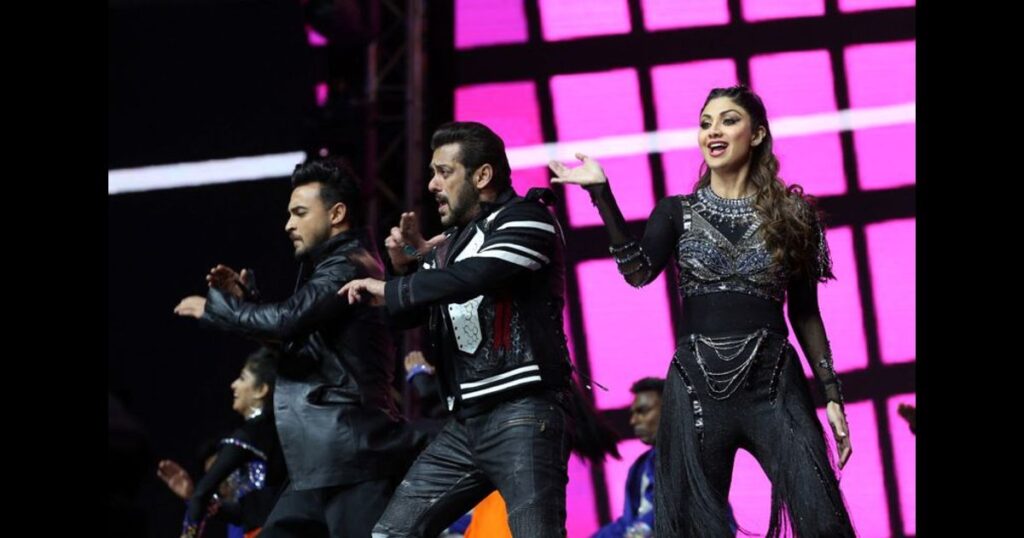
MBS’s social reforms have reshaped Saudi society in ways once unimaginable. In 2018, women were granted the right to drive, a historic milestone that ended a decades-long ban. Restrictions on male guardianship were eased in 2019, allowing women to travel and work with greater independence. Mixed-gender events, sports tournaments, and music festivals have become commonplace, transforming public life. These changes have won MBS significant support among Saudi youth and women, who see him as a champion of modernization.
However, the reforms have a darker side. Many women’s rights activists, such as Loujain al-Hathloul, who campaigned for driving rights, were arrested and faced harsh treatment, underscoring MBS’s intolerance for independent activism. According to Amnesty International, these arrests were meant to signal that reforms would come solely from the state, not grassroots movements.
Human Rights Controversies
The Khashoggi Murder
The 2018 murder of Saudi journalist Jamal Khashoggi in the Saudi consulate in Istanbul remains the most infamous stain on MBS’s record. Khashoggi, a critic of the regime, was lured to the consulate, where he was killed and dismembered by a Saudi hit squad. A 2019 U.S. intelligence report concluded that MBS likely approved the operation. The killing sparked global outrage, strained Saudi Arabia’s relations with Western allies, and damaged MBS’s image as a reformer. Despite his denials of direct involvement, the incident highlighted the brutal lengths to which MBS would go to silence dissent.
Crackdowns on Dissent
MBS’s regime has shown little tolerance for criticism. Activists, clerics, and even ordinary citizens who voice dissent on social media have faced arrest and imprisonment. According to Human Rights Watch, the kingdom has used sophisticated surveillance technology to monitor and suppress online criticism. These measures have created a climate of fear, ensuring compliance with MBS’s vision but alienating segments of the population and drawing international condemnation.
Extravagance Amid Austerity
While MBS urged Saudis to embrace austerity as part of Vision 2030, his personal spending raised eyebrows. Reports by The New York Times and others detailed his purchases of a $500 million yacht, a $450 million Leonardo da Vinci painting (Salvator Mundi), and a lavish French château. These expenditures fueled accusations of hypocrisy, as ordinary Saudis faced reduced government subsidies and economic challenges. Critics argue that MBS’s opulent lifestyle undermines his narrative of shared sacrifice.
The Yemen War and Regional Ambitions
As Minister of Defense (2015–2022), MBS led the Saudi-led coalition in the Yemen war against Houthi rebels, backed by Iran. Launched in 2015, the conflict aimed to restore Yemen’s government but resulted in a humanitarian catastrophe, with tens of thousands of civilian deaths and widespread famine. The war, costing Saudi Arabia billions, has been widely criticized and has failed to achieve its objectives, tarnishing MBS’s reputation as a military strategist.
Despite this setback, MBS pursued an assertive foreign policy, including efforts to normalize ties with Israel and counter Iran’s regional influence. His 2018 statement supporting a Jewish homeland marked a significant departure from Saudi Arabia’s historical stance, signaling his willingness to align with global powers.
Controlling the Narrative
MBS has carefully crafted his image as a visionary leader through tight control of domestic media and strategic international campaigns. State-run outlets portray him as the architect of a modern, prosperous Saudi Arabia. However, his efforts to suppress dissent and control information have drawn scrutiny. The Khashoggi murder and subsequent cover-up attempts exposed the limits of his media strategy, as global outlets and human rights groups highlighted his authoritarian tactics.

Two Sides of MBS
MBS’s legacy is a study in contrasts. On one hand, he has shattered the Wahhabi stranglehold, ended the Sahwah movement, and introduced unprecedented social and economic reforms. His Vision 2030 has opened Saudi Arabia to the world, fostering a sense of optimism among its youth. On the other hand, his consolidation of power has come at a steep cost: political purges, human rights abuses, and a foreign policy marred by missteps. The Ritz-Carlton arrests, the Khashoggi killing, and the Yemen war have cast a shadow over his reforms, raising questions about the sustainability of his approach.
Conclusion
Mohammed bin Salman has irrevocably transformed Saudi Arabia. By dismantling Wahhabi dominance, ending the Sahwah movement, and pushing Vision 2030, he has dragged the kingdom into the modern era at a breathtaking pace. His reforms have empowered women, revitalized public life, and diversified the economy, earning him the admiration of many Saudis and global investors. Yet, his authoritarian methods—marked by purges, arrests, and the suppression of dissent—reveal a ruler who brooks no opposition. Whether MBS will be remembered as a transformative visionary or a ruthless autocrat depends on his ability to navigate the challenges ahead: balancing domestic expectations, managing economic transitions, and restoring Saudi Arabia’s international standing. One thing is certain: the Saudi Arabia of today is fundamentally different from the kingdom of a decade ago, and there is no going back.
Click Here To Follow Our WhatsApp Channel
You Might Also Like:
Faith, Family & the Future: Navigating Chaos with Purpose
Kashmir Fruit Growers Face Heavy Losses as Highway Closure Disrupts Transport
Afghanistan Earthquake Kills 610, Injures 1,300 as 6.0 Magnitude Quake Devastates Kunar
Professor Mufti Abdul Ghani Azhari: Scholar, Sufi, Historian, and Social Reformer of Kashmir