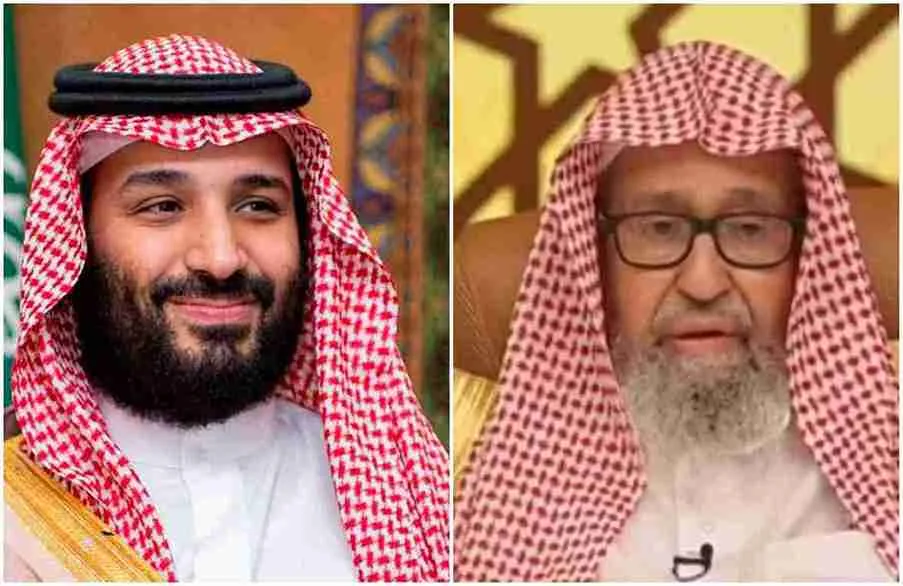
On October 22, 2025, Saudi Arabia’s King Salman bin Abdulaziz Al Saud appointed Sheikh Dr. Saleh bin Fawzan Al-Fawzan as the country’s new Grand Mufti, the highest religious authority in the kingdom. This decision was made following a recommendation from Crown Prince and Prime Minister Mohammed bin Salman and was announced by the state-run Saudi Press Agency.Click Here To Follow Our WhatsApp Channe
Along with becoming Grand Mufti, Sheikh Al-Fawzan has also been named Chairman of the Council of Senior Scholars and President of the General Presidency for Scholarly Research and Ifta, with the rank of minister. His appointment comes after the death of the previous Grand Mufti, Sheikh Abdulaziz bin Abdullah Al-Sheikh, who held the position for 25 years and passed away on September 23, 2025. The Grand Mufti’s rulings are widely followed by Sunni Muslims around the world, making this a highly significant appointment.
Early Life and Education
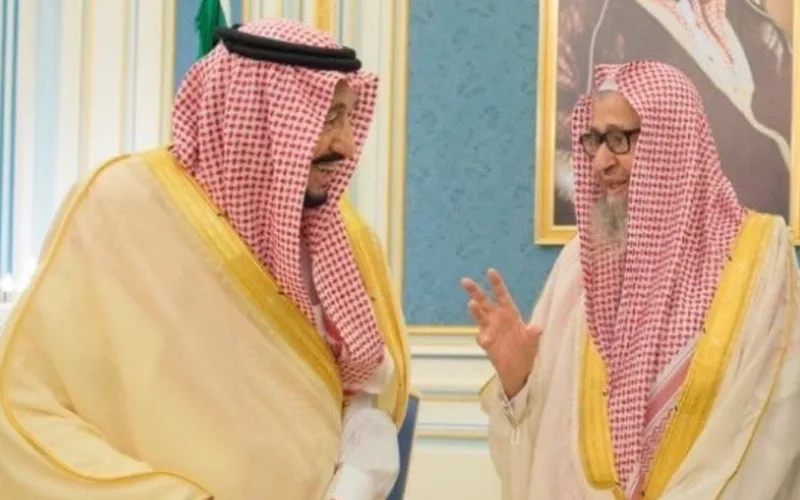
Sheikh Al-Fawzan was born on September 28, 1935, in Ash-Shamasiyyah, a town in Saudi Arabia’s Al-Qassim Province. He belongs to the Al-Wadāʿīn branch of the Al-Shammās clan of the Ad-Dawāsir tribe. Orphaned at a young age, he was raised by his family and began learning religion under Sheikh Hamoud bin Suleiman Al-Tilal, the local mosque imam. Under his guidance, Al-Fawzan memorised the Quran, learned reading and writing, and developed a strong foundation in Islamic knowledge.
He attended public school when it opened in 1950 and later studied at Imam Muhammad bin Saud Islamic University in Riyadh, earning a bachelor’s degree in Sharia (Islamic law), a master’s with a thesis on “The Art of Inheritance,” and a doctorate on permissible and prohibited foods in Islamic law.
Career and Contributions
Sheikh Al-Fawzan has had a long and influential career in Islamic scholarship:
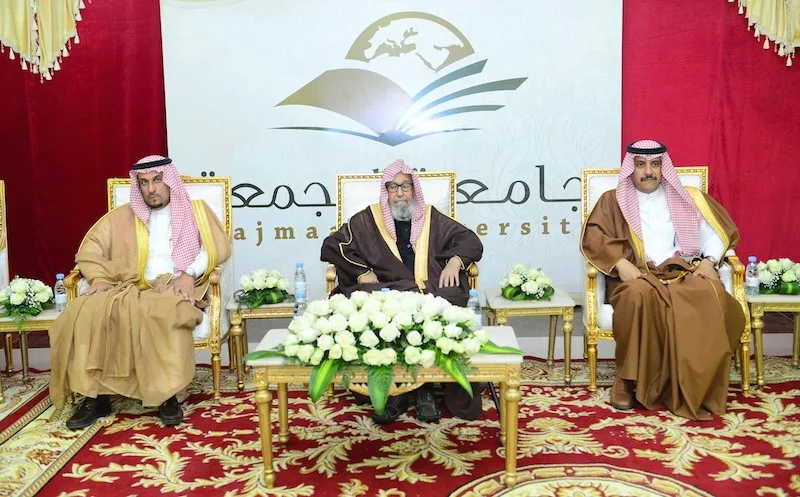
- Teaching Roles: He taught at Riyadh’s Institute of Knowledge and later at the College of Principles of Religion. He also served as director of the Higher Institute of Judiciary while continuing to teach.
- Religious Leadership: He has been a member of the Council of Senior Scholars, the Fiqh Council in Mecca (affiliated with the Muslim World League), and the Permanent Committee for Scholarly Research and Ifta. He supervises programs for Hajj preachers and advises on Islamic matters.
- Public Outreach: Sheikh Al-Fawzan is widely known for his radio programme Noor ala al-Darb (“Light on the Path”), through which he has explained Islamic rulings to millions. He has also written many books, delivered lectures, appeared on television, and shared fatwas on social media.
- Mentorship: He was influenced by prominent scholars, including former Grand Mufti Abdulaziz bin Baz, focusing on precise, evidence-based Islamic rulings.
He is a Salafi scholar with ultraconservative views rooted in the Wahhabi tradition, which follows strict Sunni interpretations.
Controversies
Sheikh Al-Fawzan has sometimes attracted criticism for his conservative opinions:
- In 2003, he stated, “Slavery is a part of Islam. Slavery is part of jihad…”, defending historical practices.
- In 2017, he reportedly referred to Shiites as “brothers of Satan” when asked about Sunni-Shiite relations.
- In 2016, he issued a fatwa banning the mobile game Pokémon Go, calling it a form of gambling.
These statements highlight the tensions between Saudi Arabia’s religious establishment and the social reforms being introduced by Crown Prince Mohammed bin Salman, such as allowing women to drive and reopening cinemas.
Reactions
The appointment has sparked discussions on X (formerly Twitter). Official accounts, regional news outlets, and geopolitical analysts have highlighted the leadership change. Reactions have been largely neutral to positive among pro-Saudi voices, with few immediate controversies reported as of October 23, 2025.
Significance
The new Grand Mufti will play a crucial role in shaping religious discourse in Saudi Arabia and beyond. His guidance will influence Islamic rulings and interpretations at a time when the kingdom is balancing traditional religious values with ongoing social reforms.
In Summary: Sheikh Dr. Saleh Al-Fawzan’s appointment marks the continuation of a strong, conservative religious presence in Saudi Arabia. While respected for his scholarship, his views remain conservative, and his leadership will be closely watched by both Saudi citizens and the global Muslim community.
You Might Also Like:
Dangal Star Zaira Wasim Marries in Private Nikaah Ceremony
PM Modi Says Pakistan Surrendered Before India in Operation Sindoor
When Saffron Bloomed Beyond Pampore: A Nostalgic Journey Through Kashmir’s Golden Fields