CM Omar Abdullah Pays Tribute to Dr. Manmohan Singh, Honouring His Reforms and Leadership

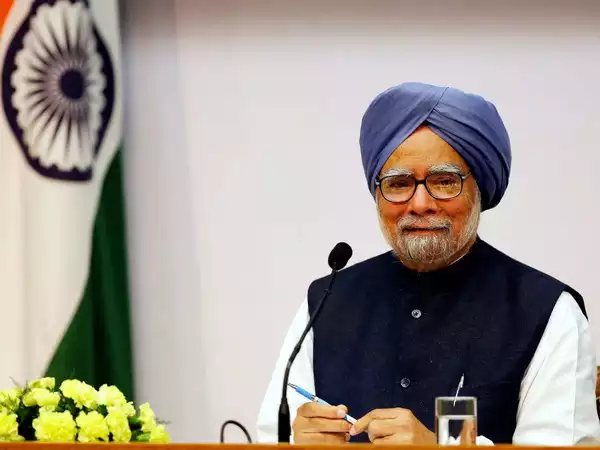
Dr. Manmohan Singh

Chief Minister Omar Abdullah on Monday paid rich tributes to former Prime Minister Dr. Manmohan Singh, acknowledging his landmark reforms and pro-people initiatives during his tenure.

The Chief Minister was speaking during the obituary reference in the Budget Session of the J&K Legislative Assembly.

Recalling Dr. Singh’s contributions to Jammu and Kashmir, the Chief Minister said, “He inherited a complex and difficult situation, yet he chose the path of dialogue and reconciliation. His efforts brought us closer to resolving long-standing issues than at any other time in recent history.” Referring to the unrest in 2010, CM Omar Abdullah highlighted Dr. Singh’s role in addressing the crisis and restoring normalcy. “His commitment to the rehabilitation of Kashmiri Pandits was unwavering. Under his leadership, steps were taken to facilitate their return, including the establishment of townships like Jagti and the PM Package for employment,” he said.

Speaking on the occasion, the Chief Minister, who is also the Leader of the House, noted that just four months ago, the Assembly had paid tribute to former Prime Minister Atal Bihari Vajpayee, and today, they gathered once again to mourn the loss of another statesman—Dr. Manmohan Singh.

“Dr. Singh was a man of great wisdom and integrity. He never used the power of his office for personal gain,” he said, adding that Dr. Singh’s journey—from studying under streetlights to earning degrees from Oxford and Cambridge—was a testament to his dedication and intellect. “His rise from an economic advisor to Planning Commission Deputy Chairman, Finance Minister, and eventually the Prime Minister of India was marked by success at every step,” he added. Reflecting on Dr. Singh’s economic reforms, CM Omar Abdullah recalled how he took charge as Finance Minister when the country was in dire economic straits.

“India lacked the financial resources even to run the government. It was his vision and policies that paved the way for economic reforms, transforming India from a struggling economy to one of the world’s largest. The economic liberalization he spearheaded, including the dismantling of the license-permit raj, unleashed the potential of the private sector and set India on a path of sustained growth,” he said.

The Chief Minister also highlighted Dr. Singh’s contributions beyond economic reforms. “His government initiated crucial social welfare measures, including the Indira Awas Yojana, which provided housing for the poor, and MGNREGA, which ensured employment for millions.”

Acknowledging Dr. Singh’s contributions to J&K’s infrastructure development, the Chief Minister said, “The Jammu-Srinagar Highway, a critical lifeline for the region, was initiated under his tenure. The Chenab Rail Bridge, the highest railway bridge in the world, was another testament to his commitment to connecting Kashmir with the rest of India. Though he did not live to see the first train cross that bridge, its completion remains a tribute to his vision.” Recalling Dr. Singh’s last press conference, CM Omar Abdullah quoted him as saying, “History will be a better judge of me than contemporary times.”

He remarked, “Today, as we reflect on his legacy, we recognize the wisdom in those words. He was a leader respected not only in India but across the world—from Washington to London, from Tokyo to Beijing.”

Sharing his personal experience, the Chief Minister said, “I had the privilege of working closely with Dr. Singh and learning from his quiet yet resolute leadership. He never raised his voice, never sought attention, and never hesitated to correct a mistake when needed.” He concluded by stating that “His absence leaves a void, but his contributions will continue to shape India for generations to come.”

The Chief Minister also paid rich tributes to other former legislators during the obituary reference.

SKUAST-Kashmir Mourns the Demise of Dr. Manmohan Singh, Honors His Legacy

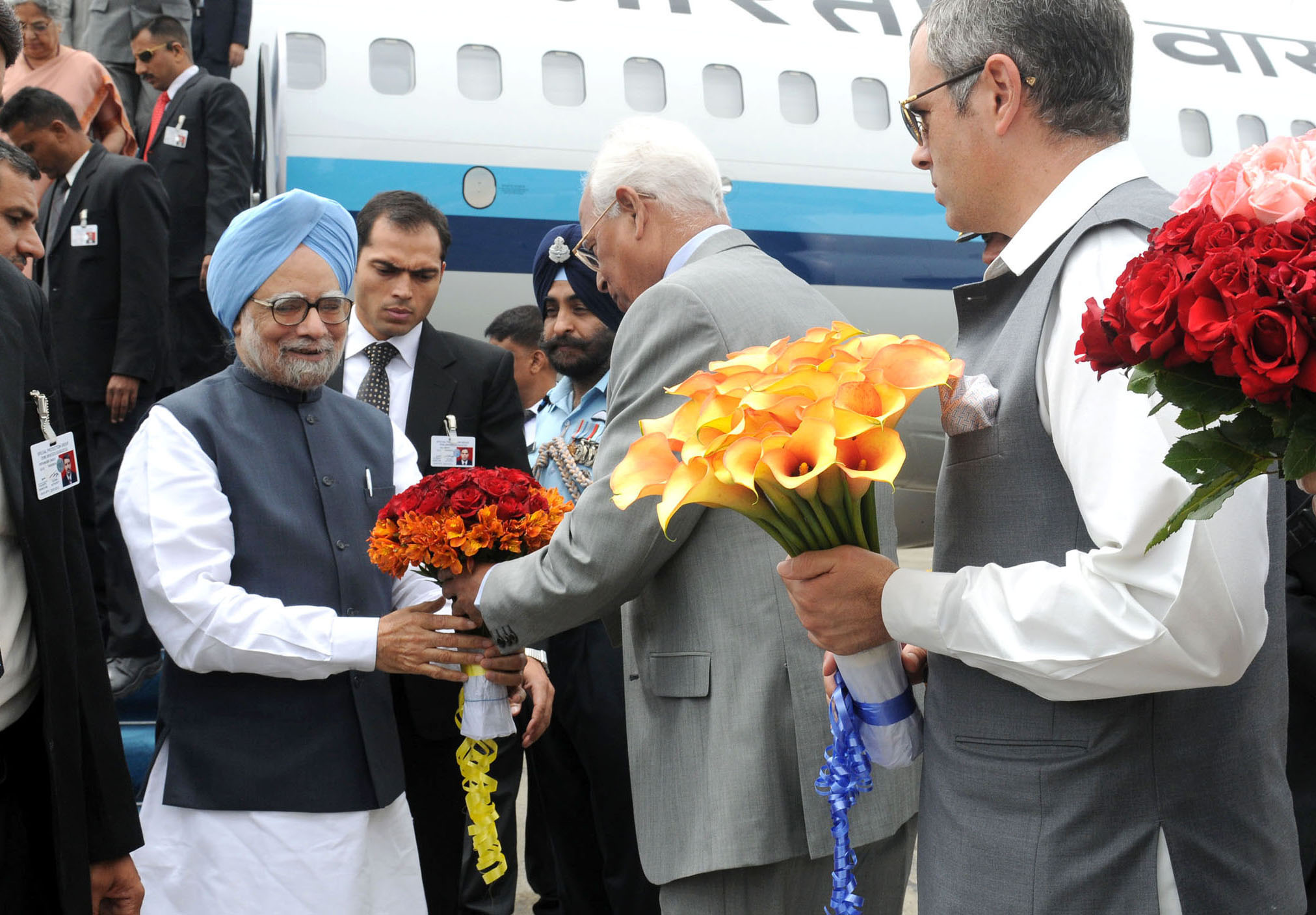
Dr. Manmohan Singh.

SKUAST-Kashmir faculty and staff Friday deeply mourned the demise of former Prime Minister Dr. Manmohan Singh.
At a condolence meeting chaired by Vice Chancellor Prof. Nazir Ahmed Ganai and attended by University Officers, Deans, Directors, Heads of Divisions and other teaching and non-teaching staff, Dr Manmohan Singh was remembered and hailed as beacon of Integrity and Vision.
Paying homage Vice Chancellor regarded him as a statesman of unparalleled intellect, a visionary economist, and a beacon of humility and integrity. Regarding him as a trailblazer of economic reforms and a leader who epitomized decency and steadfastness, Vice Chancellor attributed country’s march to Viksit Bharat to the strong foundation laid as a result of economic reforms initiated by him as Finance Minister of the country.
“Dr Singh’s participation in 5th Convocation of University and bestowing a Catch-up grant of Rs 100 Cr to SKUAST-Kashmir was remembered. The timely grant was instrumental in giving impetus to the academics Research and Outreach activities of the University that are bearing fruits in terms of University acquiring newer heights in present times. As a mark of respect two-minute silence was observed,” a statement issued here said.

Dr. Manmohan Singh: A Legacy of Leadership, Economic Vision, and Bridging Peace and Progress in Kashmir

Dr. Manmohan Singh

Dr. Manmohan Singh, India’s 13th Prime Minister, remains an enduring symbol of integrity, intellect, and visionary leadership. Born on September 26, 1932, in Gah, Punjab (now in Pakistan), Dr. Singh’s journey from a humble village to the pinnacle of Indian politics is remarkable. As a technocrat-turned-politician, he brought a wealth of experience and academic rigor to governance, leaving an indelible mark on India’s political and economic landscape. His tenure as Prime Minister from 2004 to 2014 was marked by transformative reforms, a focus on inclusive growth, and a commitment to addressing complex issues such as the situation in Jammu and Kashmir.

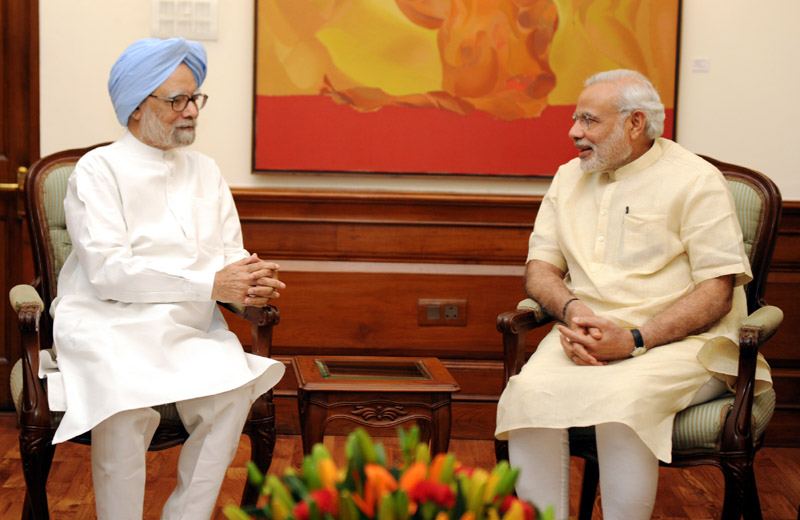
The former Prime Minister, Dr. Manmohan Singh calling on the Prime Minister, Shri Narendra Modi, in New Delhi on May 27, 2015.

India’s 13th Prime Minister: The Life and Achievements of Dr. Manmohan Singh

Before entering politics, Dr. Singh’s illustrious career included roles such as Chief Economic Advisor, Governor of the Reserve Bank of India, and Deputy Chairman of the Planning Commission. However, his greatest achievement came as Finance Minister in 1991, when he spearheaded economic liberalization. This bold initiative not only rescued India from a severe financial crisis but also set the stage for decades of rapid economic growth.

As Prime Minister, Dr. Singh’s leadership was characterized by humility and a steadfast focus on governance. He prioritized economic development, social welfare, and foreign policy, balancing domestic challenges with international diplomacy. His tenure also saw efforts to address regional conflicts, including his visionary approach to the Kashmir issue.


Architect of Economic Liberalization: Dr. Singh’s Transformative Reforms

Dr. Singh’s economic reforms as Finance Minister laid the foundation for his later policies as Prime Minister. He believed that economic development could be a powerful tool for resolving long-standing conflicts, including those in Jammu and Kashmir. His government’s policies emphasized infrastructure development, employment generation, and improving living standards in the region. By addressing economic grievances, Dr. Singh sought to create a conducive environment for peace and stability.


Fostering Peace in Kashmir: Dr. Manmohan Singh’s Vision and Policies

Dr. Singh’s approach to Jammu and Kashmir was guided by a blend of pragmatism and empathy. Recognizing the region’s unique challenges, he advocated for dialogue, economic reconstruction, and governance reforms. His vision extended beyond immediate conflict resolution to fostering long-term peace and integration. He believed that addressing the aspirations of the Kashmiri people was key to resolving the region’s issues.


Srinagar–Muzaffarabad Bus Service: Reconnecting Families Across Borders

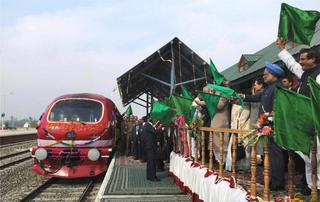
One of Dr. Singh’s most notable initiatives was the launch of the Srinagar–Muzaffarabad bus service in 2005. This landmark project reconnected families divided by the Line of Control (LoC) for decades, symbolizing hope and goodwill. The service facilitated people-to-people contact, fostering mutual understanding between the Indian and Pakistani-administered regions of Kashmir. This humanitarian gesture was widely appreciated and underscored Dr. Singh’s commitment to peace.


Dialogue with Separatists: Dr. Singh’s Efforts for Lasting Peace in Kashmir

Dr. Singh’s government actively engaged with separatist leaders in Jammu and Kashmir, inviting them for dialogue to address their grievances. He believed that meaningful conversations could pave the way for reconciliation and understanding. These efforts were not without challenges, but they demonstrated his willingness to explore all avenues for peace.


Economic Development and Governance: A Roadmap for Jammu and Kashmir

Economic reconstruction and governance reforms were central to Dr. Singh’s Kashmir policy. His administration launched various initiatives to improve infrastructure, healthcare, and education in the region. These efforts aimed to provide the people of Jammu and Kashmir with better opportunities and a higher quality of life. By addressing economic disparities, Dr. Singh sought to integrate the region more closely with the rest of India.


Challenges During His Tenure: Lessons from the 2010 Kashmir Unrest

The 2010 Kashmir unrest, marked by widespread protests and violence, posed a significant challenge to Dr. Singh’s policies. The protests highlighted the deep-seated grievances and alienation felt by many in the region. In response, Dr. Singh called for dialogue and initiated measures such as financial compensation for affected families and discussions on reducing the security presence. These steps reflected his commitment to addressing the concerns of the Kashmiri people, even in difficult circumstances.


Bridging Divides: Dr. Manmohan Singh’s Humanitarian Approach to Conflict Resolution

Dr. Singh’s approach to the Kashmir issue was rooted in humanitarian values. He emphasized the importance of building trust and addressing the aspirations of the Kashmiri people. His policies sought to bridge divides and create a sense of belonging among the region’s inhabitants. Whether through dialogue, economic initiatives, or confidence-building measures, Dr. Singh consistently prioritized the welfare of the people.


Remembering Dr. Manmohan Singh: His Impact on India and Jammu & Kashmir

Dr. Manmohan Singh’s contributions to Jammu and Kashmir reflect his broader philosophy of governance: a commitment to peace, development, and inclusivity. His efforts to address the region’s challenges were marked by empathy, pragmatism, and a long-term vision. As India remembers his legacy, his approach to the Kashmir issue serves as a reminder of the power of dialogue and development in resolving complex conflicts. Dr. Singh’s impact on Jammu and Kashmir will be remembered as a testament to his dedication to the unity and progress of India.