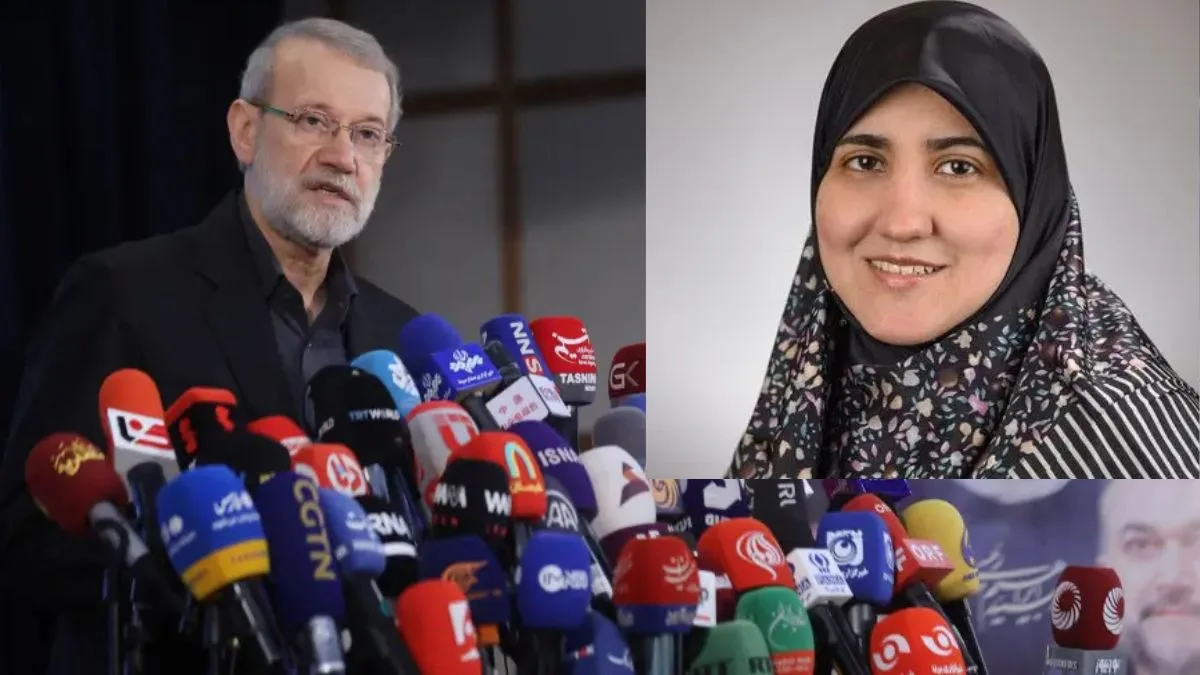
A major controversy has unfolded in the United States after Dr. Fatemeh Ardeshir-Larijani, a former professor at Emory University, had her visa cancelled and was barred from re-entering the country.
She is the daughter of Ali Larijani, a senior Iranian official and adviser to Supreme Leader Ali Khamenei. U.S. authorities say the decision is linked to her family connections and wider national security concerns. Click Here To Follow Our WhatsApp Channel
Removed from Emory After Public Pressure
Dr. Ardeshir-Larijani worked at Emory University’s Winship Cancer Institute in Atlanta. She was removed from her position in January 2026 after protests by Iranian-American activists.
Demonstrators argued that employing the daughter of a senior Iranian official raised concerns about trust and security, especially in a healthcare setting.
An online petition demanding her removal gathered nearly 100,000 signatures, increasing pressure on the university.
Political Pressure Intensified the Case
The issue gained political attention when U.S. Congressman Buddy Carter called for her dismissal and the cancellation of her medical licence.
He argued that individuals linked to governments seen as hostile to the United States should not hold sensitive positions.
Soon after, Emory confirmed she was no longer employed but did not share detailed reasons, calling it a personnel matter.
Green Card Cancelled by US Government
In early April 2026, U.S. Secretary of State Marco Rubio revoked her green card and that of her husband.
Officials said the move is part of a wider policy targeting individuals connected to countries considered a security concern, including Iran.
Both have now left the United States and are permanently barred from returning.
Background and Career in the US
Dr. Ardeshir-Larijani had built her career in the U.S.:
- Medical training in Ohio (2017–2022)
- Joined Emory as an assistant professor in oncology
- Focused on lung cancer research
- Received a Georgia medical licence in 2023
Despite her professional work, her family ties became the centre of the controversy.
Mixed Reactions Across Society
The case has sparked strong debate:
- Supporters say the decision protects national security and prevents influence from rival governments
- Critics argue it is unfair to punish individuals based on family background rather than personal actions
Some academic groups have raised concerns about freedom and due process, warning against political pressure on universities.
Part of Broader US Policy Shift
This action is seen as part of a larger U.S. effort to review immigration benefits granted to individuals linked to foreign governments, especially amid rising tensions with Iran.
Similar cases involving relatives of Iranian figures have also been reported recently.
Bigger Questions Raised
The situation has raised important questions:
- Should family ties affect someone’s career or immigration status?
- How should countries balance national security with individual rights?
As tensions between the U.S. and Iran continue, cases like this highlight the growing overlap between politics, immigration, and academia.
You Might Also Like:
Trump Weighs High-Risk US Commando Raid on Iran’s Nuclear Sites Amid Escalating War
Massive ‘No Kings’ Protests Sweep Across USA as Millions Rally Against Trump Policies and Iran War
Iran Claims Strike on US Air Base in Saudi Arabia, Says AWACS Plane Destroyed in Missile and Drone Attack