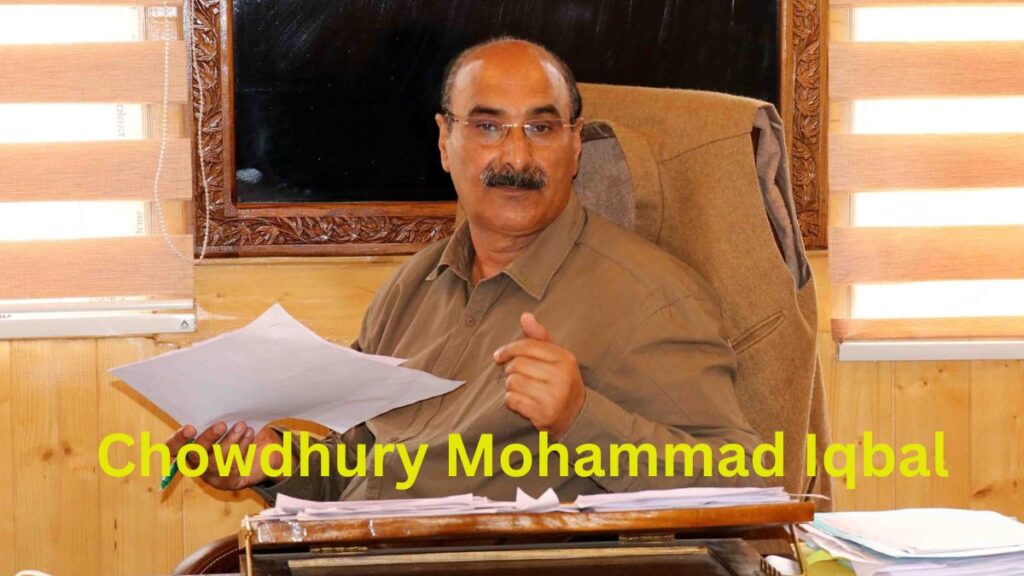
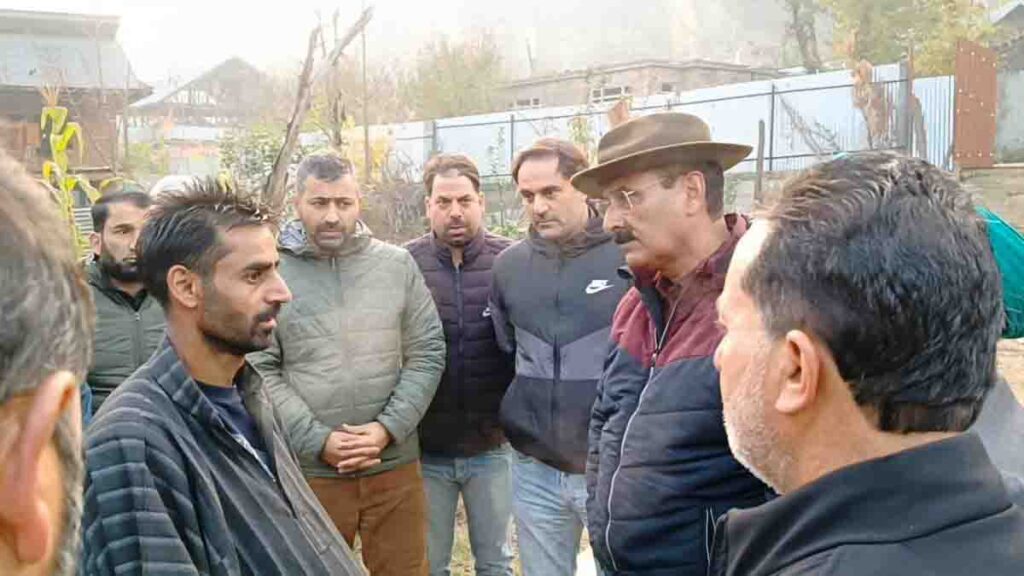
The Director Agriculture Kashmir, Chowdhury Mohammad Iqbal today visited saffron areas of Pampore to take stock of the crop scenario.
During the visit, the Director inspected flower picking in different fields and took feedback from the concerned saffron growers.While having discussion with the farmers, he underlined the efforts by the department for strengthening saffron cultivation.
Amid saffron flowers in full bloom, Iqbal said that saffron flowers are becoming one of the major tourist attractions these days.
The Director said the department is working for area expansion under saffron crop and different stakeholders are on board in this endeavour. He said that department has identified saffron farmers (nurseries) for saffron corm multiplication so that the seed could be provided to more and more farmers and the crop could be introduced in newer areas.
Director said that over the years saffron farmers are now adopting modern cultural practices, technologies in the field of saffron cultivation. He said the role of the India International Saffron Trade Centre (IIKSTC) has been commendable not only in providing different mandatory services but also in the capacity building of the saffron growers.
He said after getting G.I tag there is a vast potential in saffron crop and in coming times it would play a vital role in the socio-economic transformation of farming community of the area in particular and agriculture economy of the region in general. He said under HADP a special project is under implementation for the promotion of saffron crop.
The Director Agriculture Kashmir, Chowdhury Mohammad Iqbal today inaugurated a one day awareness cum training programme on ‘Promotion of Niche Crops in the UT of Jammu and Kashmir’ under holistic agriculture development program at Agriculture Complex Lalmandi, here.The programme was organised by an advanced research station for saffron and seed spices, SKUAST- Kashmir in collaboration with the Department of Agriculture and Farmer welfare Kashmir.
1.Chowdhury Mohammad Iqbal Director Agriculture Kashmir
2. What is Agriculture
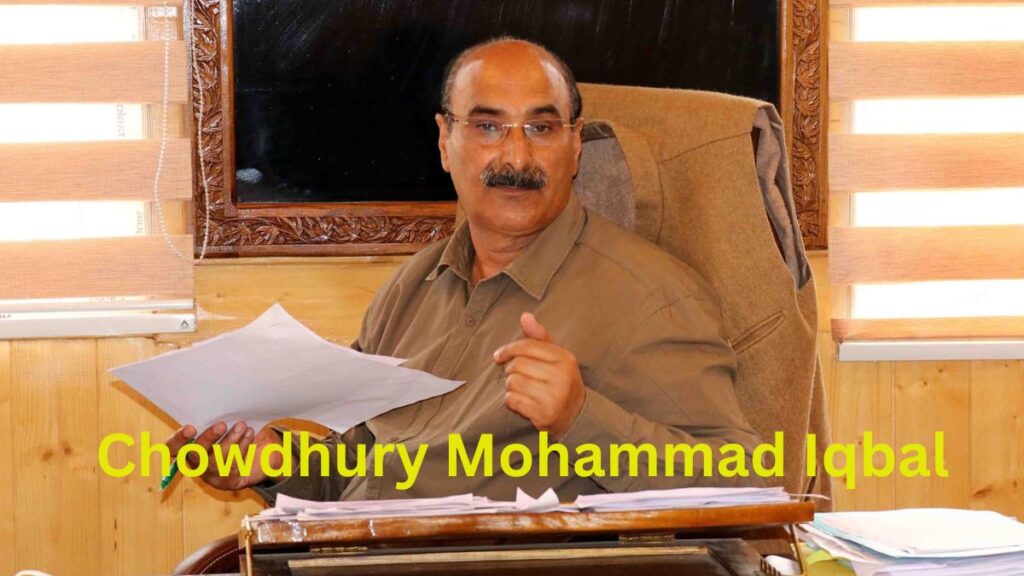
3.Director Agriculture Kashmir Chowdhury Mohammad Iqbal
To Know More About Agriculture Please click HERE In his inaugural address, Director Agriculture Chowdhury Mohammad Iqbal highlighted the importance of promotion of niche crops like saffron, kala zeera and mushkbudjii.Chowdhury Mohammad Iqbal said that under HADP special attention has been given in this direction and many interventions are on for the promotion and development of niche crops like saffron.
Chowdhury Mohammad Iqbal said that our niche crops had a vast potential in terms of economic growth and sustainability. Chowdhury Mohammad Iqbal impressed upon the participants to organise more such programs in coming times so that more and more young educated farmers could be made aware of the economic potential of niche crops. The programme was attended by senior scientist Research station seed and spices Dusso Pampore Dr. Bashir Ahmad Allaie, Nodal Officer ZBNF Sheikh Imran and other stakeholders
1.Agriculture is the practice of cultivating soil, producing crops, and raising livestock for human use and consumption. It involves a variety of activities, including planting and harvesting crops, breeding and raising animals, and managing the land for optimal productivity. Agriculture is a fundamental human activity that has evolved over thousands of years, playing a crucial role in providing food, fiber, and other raw materials for human societies.
Key components of agriculture include:
Crop Cultivation: Growing plants for food, fiber, or other purposes. Major crops include grains (such as wheat, rice, and corn), fruits, vegetables, and industrial crops like cotton.
Livestock Farming: Raising animals for various products, including meat, milk, eggs, and wool. Common livestock includes cattle, sheep, goats, pigs, and poultry.
Agronomy: The science and practice of soil management and crop production. This involves optimizing soil health, choosing appropriate crops, and implementing cultivation techniques for maximum yield.
Horticulture: The cultivation of fruits, vegetables, and ornamental plants. Horticulture includes practices such as gardening, orcharding, and floriculture.
Agribusiness: The business of agricultural production, encompassing everything from farming and food processing to distribution and retail.
Sustainable Agriculture: A farming approach that aims to balance the needs of the present without compromising the ability of future generations to meet their own needs. It focuses on environmental stewardship, economic viability, and social responsibility.
Precision Agriculture: The use of technology, such as GPS, sensors, and data analytics, to optimize various aspects of farming, including resource utilization, crop management, and decision-making.
Agriculture has undergone significant changes over time, with advancements in technology, mechanization, and biotechnology playing a crucial role in increasing productivity. The development of agriculture has been a key factor in the growth of human civilizations, allowing communities to settle and thrive by producing a consistent and reliable food supply.
2.Kashmir, a region in the northern part of the Indian subcontinent, is known for its breathtaking landscapes and diverse climate. Agriculture in Kashmir has been a significant part of the region’s economy and culture for centuries. The unique geography and climate of Kashmir influence the types of crops grown and the agricultural practices followed.
Key features of agriculture in Kashmir include:
Climatic Conditions: Kashmir experiences four distinct seasons—spring, summer, autumn, and winter. The region’s climate varies from temperate to sub-arctic, with heavy snowfall in winter. The diverse climate allows for the cultivation of a variety of crops.
Major Crops: Rice is a staple crop in Kashmir, and paddy fields are a common sight. Other important crops include wheat, barley, maize, and fruits such as apples, cherries, apricots, and almonds. Saffron, one of the most expensive spices globally, is also grown in certain areas of Kashmir.
Horticulture: The region is renowned for its horticultural activities. Fruit orchards are widespread, and Kashmir apples are particularly famous. The Jammu and Kashmir region is one of the leading producers of apples in India.
Sericulture: Sericulture, or silk farming, is practiced in some areas of Kashmir. Mulberry cultivation and silkworm rearing contribute to the production of silk.
Vegetable Cultivation: Vegetables such as potatoes, carrots, turnips, and greens are grown in the region. The fertile soils and suitable climate provide favorable conditions for vegetable farming.
Irrigation: Traditional irrigation methods, including the use of canals and water channels, have been historically employed. Additionally, modern irrigation practices are increasingly being adopted to enhance crop yields.
Challenges: Like many agricultural regions, Kashmir faces challenges such as changing weather patterns, land fragmentation, and the need for modernization. Political factors and periodic unrest in the region can also impact agricultural activities.
Tourism and Agriculture: The picturesque landscapes of Kashmir, coupled with its agricultural activities, contribute to the region’s appeal for tourism. The integration of agriculture and tourism has led to the development of agro-tourism in some areas.
Overall, agriculture in Kashmir is diverse and plays a vital role in the livelihoods of the people. The region’s agricultural practices have evolved over time, blending traditional methods with modern techniques to address the challenges and opportunities presented by its unique climate and geography.
3.The Director of Agriculture Chowdhury Mohammad Iqbal provides guidance and leadership to the department’s staff and officers. They also coordinate work between different sections within the department and act as a liaison officer with other departments and the Secretariat Administration.
Here are some recent activities of the Director of Agriculture for Kashmir:
June 27, 2023: Attended a training-cum-workshop on the implementation of the Pradhan Mantri Fasal Bima Yojna (PMFBY)
May 9, 2022: Visited areas of Parishad Budgam that were affected by hailstorms
September 12, 2023: Inaugurated a two-day district-level seminar on beekeeping in Srinagar
August 19, 2023: Visited the seed multiplication farm (SMF) Tapper Kreeri to assess various agricultural activities