
Kashmir is often called the “Apple Bowl of India,” and for good reason. The lush apple orchards spread across the Valley are not only a visual delight but also a powerful economic engine. From small family farms to large commercial plantations, apple cultivation in Kashmir sustains millions of livelihoods and supplies fruit markets across India and beyond.
In this detailed guide, we explore the history, production scale, popular varieties, modern farming practices, economic impact, challenges, and future of apple orchards in Kashmir — in a clear, human, and SEO-friendly format.Click Here To Follow Our WhatsApp Channel
Historical Roots of Apple Cultivation in Kashmir
Apple farming in Kashmir dates back centuries. The region’s temperate climate and fertile soil made it ideal for growing deciduous fruits long before commercial orcharding began.
Systematic and commercial apple cultivation expanded significantly during the mid-20th century. Over time, traditional farming methods evolved into organized orchard management systems. Today, apples are the most important horticultural crop in Jammu & Kashmir.

Why Kashmir Is Ideal for Apple Orchards
Several natural factors make Kashmir perfect for apple cultivation:
1. Temperate Climate
Apples require a specific number of “chill hours” during winter to flower properly. Kashmir’s cold winters and mild summers provide ideal growing conditions.
2. Fertile Karewa Soil
The well-drained alluvial and karewa soils of the Valley promote healthy root growth and improve fruit quality.
3. Adequate Water Supply
Natural streams, snowmelt, and irrigation systems ensure consistent water availability during the growing season.
Because of these advantages, Kashmiri apples are known for their sweetness, vibrant color, firmness, and long shelf life.
Scale of Apple Production in Kashmir
Apple orchards in Kashmir cover approximately 170,000+ hectares of land. The region contributes around 70–75% of India’s total apple production, making it the country’s largest apple-growing area.
Annual Production
- Average annual output: 1.5 to 2.5 million metric tonnes
- Harvest season: August to October
- Peak trade months: September to November
Economic Contribution
- The apple industry contributes thousands of crores of rupees annually to the regional economy.
- Horticulture accounts for roughly 8–10% of Jammu & Kashmir’s GDP.
- Over 700,000 families depend directly or indirectly on apple farming, packaging, transportation, and trade.
Apple cultivation is not just agriculture in Kashmir — it is a primary source of rural employment and financial stability.

Major Apple-Producing Districts in Kashmir
The leading apple-growing districts include:
- Shopian
- Pulwama
- Baramulla
- Anantnag
- Srinagar
- Ganderbal
Among these, Shopian is often referred to as the “Apple Town of Kashmir.”
Popular Apple Varieties Grown in Kashmir
Kashmir produces both traditional and high-density apple varieties.
Traditional Commercial Varieties
- Red Delicious
- American Apple
- Maharaji
- Kashmiri Golden
- Razakwari
These apples are typically harvested between September and October and dominate Indian fruit markets.
High-Density Apple Varieties
Modern orchard systems now include:
- Jeromine
- King Roat
- Gala Scarlet
- Red Velox
- Scarlet Spur-II
- Super Chief
- Fuji varieties
High-density plantations produce fruit within 2–3 years, compared to 10–15 years for traditional orchards. This has significantly improved productivity and profitability.
Modern Farming Practices in Kashmir
Apple farming in Kashmir has undergone a transformation in recent years.
High-Density Plantation Model
Farmers are shifting to high-density planting systems, where trees are planted closer together and trained vertically. Benefits include:
- Early fruiting
- Higher yield per hectare
- Better fruit quality
- Easier harvesting
Government Support
The government offers subsidies (up to 50%) to promote high-density orchards, irrigation systems, and cold storage infrastructure.
Nursery Development
Regions like Behibagh in Kulgam have become nursery hubs, supplying quality rootstocks and saplings to farmers across the Valley.
Apple Trade and Marketing in Kashmir
One of the most important centers of apple trade is the Sopore Fruit Mandi, one of Asia’s largest wholesale fruit markets.
During peak season:
- Apples are transported to major Indian cities like Delhi, Mumbai, Kolkata, and Chennai.
- A smaller portion is exported to countries such as Bangladesh, Nepal, UAE, and Sri Lanka.
However, the majority of Kashmir’s apples are consumed within India.
Challenges Facing Apple Orchards in Kashmir
Despite its dominance, the apple industry faces several challenges.
Climate Change
Erratic weather patterns, unseasonal snowfall, hailstorms, and rising temperatures impact flowering and fruit quality.
Transportation Issues
Highway closures between Jammu and Srinagar due to landslides or snow can delay shipments, causing losses.
Price Fluctuations
Overproduction in bumper crop years can lead to lower market prices.
Pesticide Concerns
Excessive pesticide use raises health and environmental concerns, prompting the need for sustainable practices.
Post-Harvest Losses
Insufficient cold storage and controlled atmosphere facilities result in significant fruit wastage every year.
Cultural and Social Significance of Apple Orchards
Apple orchards are deeply woven into Kashmir’s culture. Spring blossoms attract tourists and photographers, while harvest season brings community participation and seasonal employment.
For many families, orchards are passed down through generations, symbolizing heritage and continuity.
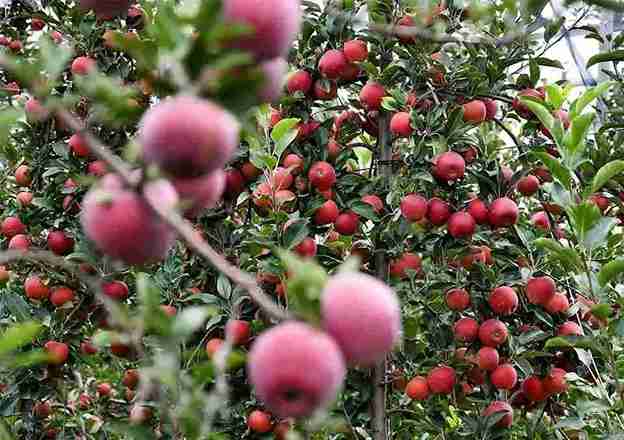
Future of Apple Farming in Kashmir
The future of apple orchards in Kashmir depends on:
- Expansion of cold storage infrastructure
- Adoption of climate-resilient farming techniques
- Promotion of organic and sustainable practices
- Improved export strategies
- Better road and transport connectivity
With technological advancements and policy support, Kashmir’s apple industry has strong potential to expand globally.
Conclusion
Apple orchards in Kashmir are truly the backbone of India’s fruit economy. They power rural livelihoods, contribute significantly to GDP, and dominate domestic apple markets. While challenges like climate change and infrastructure gaps remain, modernization and innovation are shaping a promising future.
From traditional varieties to high-density plantations, Kashmir continues to strengthen its position as India’s leading apple producer — keeping the Valley’s orchards at the heart of the nation’s horticultural success.
You Might Also Like:
At 13, This Kashmiri Boy Built 31 Apps and AI Tools
Delhi Court Convicts Kashmiri Separatist Asiya Andrabi in UAPA Case
Why Is Omar Abdullah Silent as a Kashmiri Shawl Seller Is Brutally Attacked in Uttarakhand?