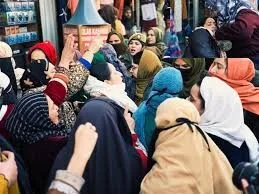
Hundreds of Anganwadi workers and helpers, all women, brought Srinagar’s city centre to a standstill on Saturday. Their protest highlighted a long-simmering crisis: years of working on the frontlines of child care and public health for wages they call an insult.
These workers are the backbone of India’s Integrated Child Development Services (ICDS), providing nutrition, preschool education, and health check-ups to women and children in their communities. Yet, in Jammu and Kashmir, they say they are treated as voluntary workers rather than essential employees.Click Here To Follow Our WhatsApp Channel
The Core Demands
The protesters’ placards and slogans centred on three clear demands:
- A Significant Wage Hike: Currently, workers receive a monthly honorarium between ₹2,000 and ₹5,000—a sum they say is impossible to live on amidst soaring inflation. They point out that their counterparts in other states receive considerably more.
- Regularisation of Services: After serving for decades, they demand permanent government employee status. This would provide job security, a proper salary scale, and a clear career path, moving them away from the precarious “honorarium-based” system.
- Social Security Benefits: The absence of a pension, health insurance, or any form of social protection leaves them vulnerable, especially after retirement or in case of illness.
“We Are Treated as Expendable”
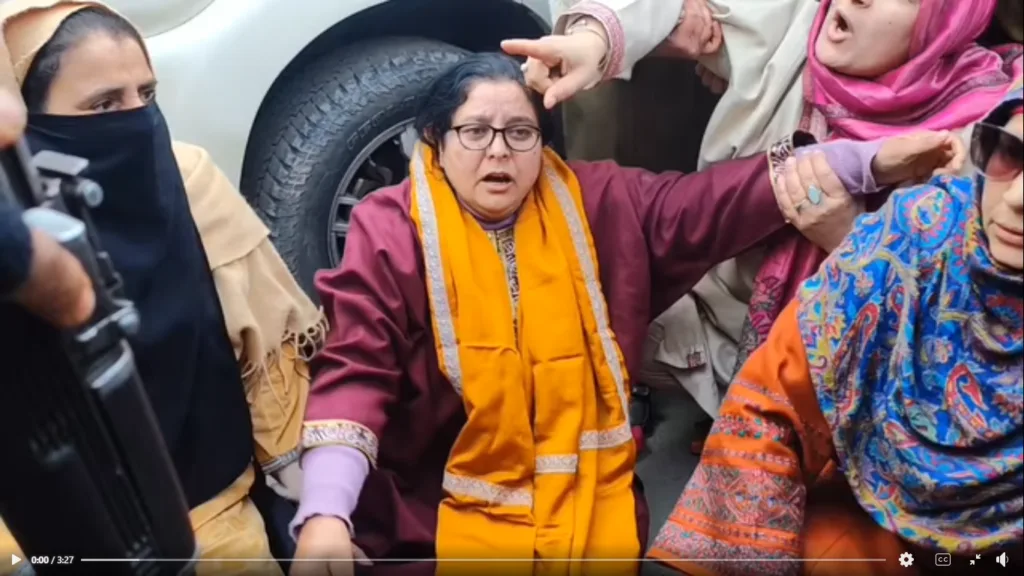
The anger was palpable. “We have devoted our lives to this work, yet we are treated as expendable,” said the president of the Anganwadi Workers and Helpers Association. Many protesters highlighted the irony of their situation: while they implement crucial government schemes, they are denied the basic benefits of formal employment.
Speakers reminded the authorities of their indispensable role during the COVID-19 pandemic, when they risked their health to deliver essential services door-to-door. “We worked without fear, but there is no security for us,” one worker stated.
The Ripple Effect
The protest disrupted traffic, underlining the workers’ collective strength. It also drew public attention to the human faces behind a system that often runs on their undervalued labour. Many of these women are sole breadwinners, and their paltry income directly affects the well-being of their own families, even as they care for others.
A Call to Authorities
The protesters have now directed their appeal directly to Lieutenant Governor Manoj Sinha and Chief Minister Omar Abdullah, urging them to table their issues in the upcoming Assembly session. Their warning is clear: if their grievances continue to be ignored, this demonstration will be just the beginning, leading to larger and more sustained agitations.
The protest in Srinagar is more than a plea for better pay; it is a demand for recognition, dignity, and justice for the women who form the foundation of community health and early childhood care in the region. Their struggle underscores a nationwide conversation about formalising and valuing care work performed by millions of women across India.
You Might Also Like:
At 13, This Kashmiri Boy Built 31 Apps and AI Tools
Delhi Court Convicts Kashmiri Separatist Asiya Andrabi in UAPA Case
Why Is Omar Abdullah Silent as a Kashmiri Shawl Seller Is Brutally Attacked in Uttarakhand?