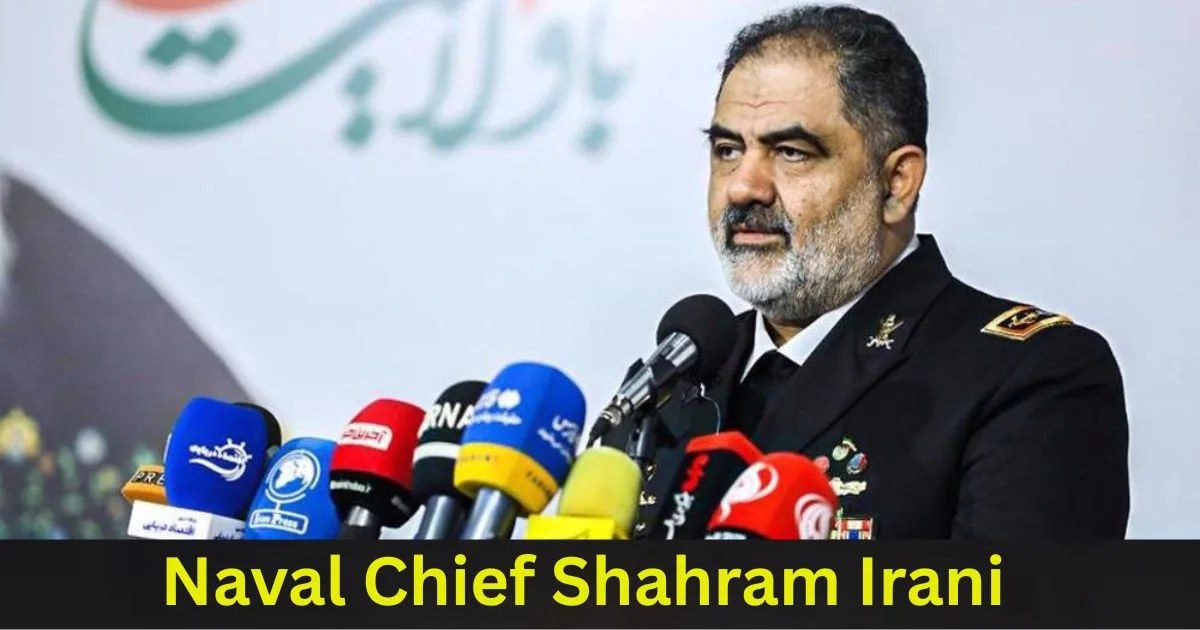
As Iran faces one of its most intense military confrontations in recent history, Naval Chief Shahram Irani has emerged not only as a key military commander but also as a powerful symbol of national unity.
A Sunni Muslim of Kurdish origin, Irani currently serves as the Commander of the Iranian Navy, a position he has held since August 2021 after being appointed by Supreme Leader Ayatollah Ali Khamenei. Click Here To Follow Our WhatsApp Channel
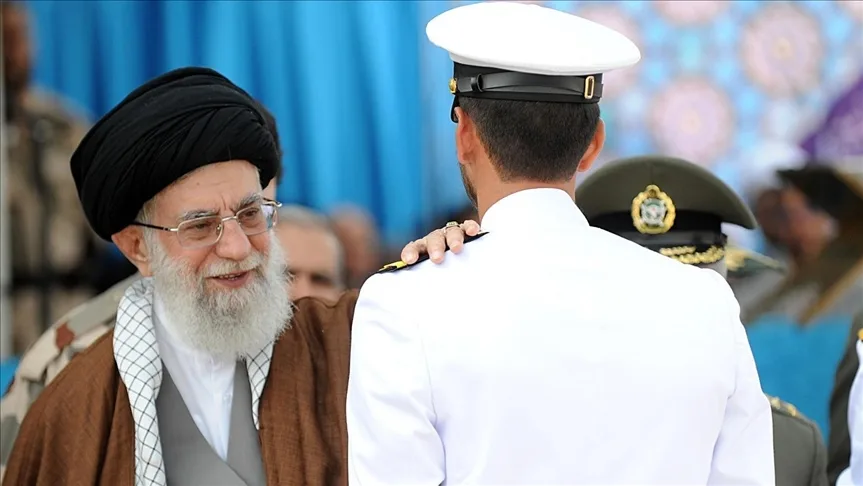
A Historic Appointment Breaking Barriers
Admiral Shahram Irani’s rise to the top of Iran’s naval command is considered historic.
- He is the first Sunni Muslim to lead a major branch of Iran’s armed forces
- He belongs to the Kurdish minority, born in Sanandaj in western Iran
His appointment was welcomed by Sunni representatives in Iran, who saw it as a step towards greater inclusion of minorities in high-level positions.
Leading Iran’s Navy During Wartime
As the conflict with the United States and Israel continues in 2026, Admiral Irani has taken a visible leadership role.
He has:
- Warned US naval forces, including aircraft carriers, against entering sensitive zones
- Emphasised Iran’s control over key waterways like the Strait of Hormuz
- Highlighted the Navy’s readiness to defend national interests
Reports also indicate that Iran’s navy has been actively deploying flotillas to escort ships and secure maritime routes amid rising tensions.
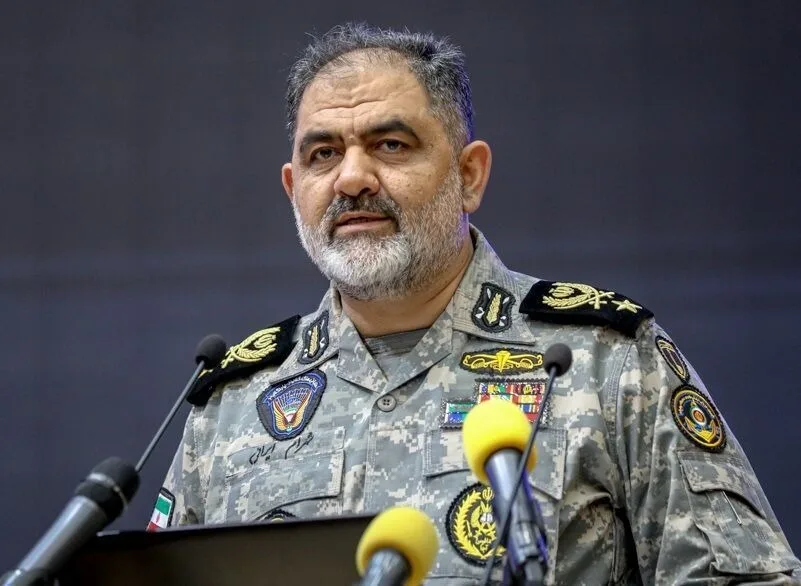
A Symbol of Unity Beyond Sectarian Lines
In a country where sectarian and ethnic divisions have historically existed, Irani’s leadership is being presented as a sign of unity.
Despite being a Sunni Kurd in a Shia-majority nation, he holds one of the highest military positions. This has led many observers to view his role as:
- A symbol of national integration
- A message that unity is prioritised during external threats
- An example of merit-based advancement in critical times
During the ongoing war, public discourse in Iran has increasingly focused on defending sovereignty rather than internal differences.
Iran’s Dual Naval Structure
Admiral Irani leads the Artesh Navy, which is different from the Islamic Revolutionary Guard Corps (IRGC) Navy.
- Artesh Navy (under Irani):
- Focuses on long-range missions and international waters
- Conducts escort operations and naval diplomacy
- IRGC Navy:
- Operates mainly in the Persian Gulf
- Handles fast-attack and asymmetric warfare
This dual system allows Iran to manage both conventional naval operations and high-risk regional engagements.
Career and Experience
Admiral Irani has built his career through decades of service:
- Joined naval training in 1985 at Imam Khomeini Naval Sciences University
- Commanded multiple warships and naval missions
- Held senior operational and training roles before becoming commander
His experience includes international deployments and strategic naval operations, strengthening Iran’s maritime presence.
War Strengthening National Identity
The ongoing conflict has shifted focus inside Iran towards national unity.
Even though challenges remain for minority communities, the war has:
- Increased support for the military across different groups
- Reduced focus on sectarian divisions
- Strengthened a shared sense of national purpose
Admiral Irani’s leadership is being highlighted as part of this broader narrative.
Conclusion
Rear Admiral Shahram Irani’s role goes beyond military command. As a Sunni Kurdish leader heading Iran’s Navy during a time of war, he represents a rare blend of strategic authority and symbolic importance.
While debates about inclusion and equality continue, his position reflects how external conflict can bring diverse communities together under a shared national cause.
As tensions in the region evolve, figures like Shahram Irani remain central to both Iran’s defence strategy and its message of unity.
You Might Also Like:
Trump Weighs High-Risk US Commando Raid on Iran’s Nuclear Sites Amid Escalating War
Massive ‘No Kings’ Protests Sweep Across USA as Millions Rally Against Trump Policies and Iran War
Iran Claims Strike on US Air Base in Saudi Arabia, Says AWACS Plane Destroyed in Missile and Drone Attack