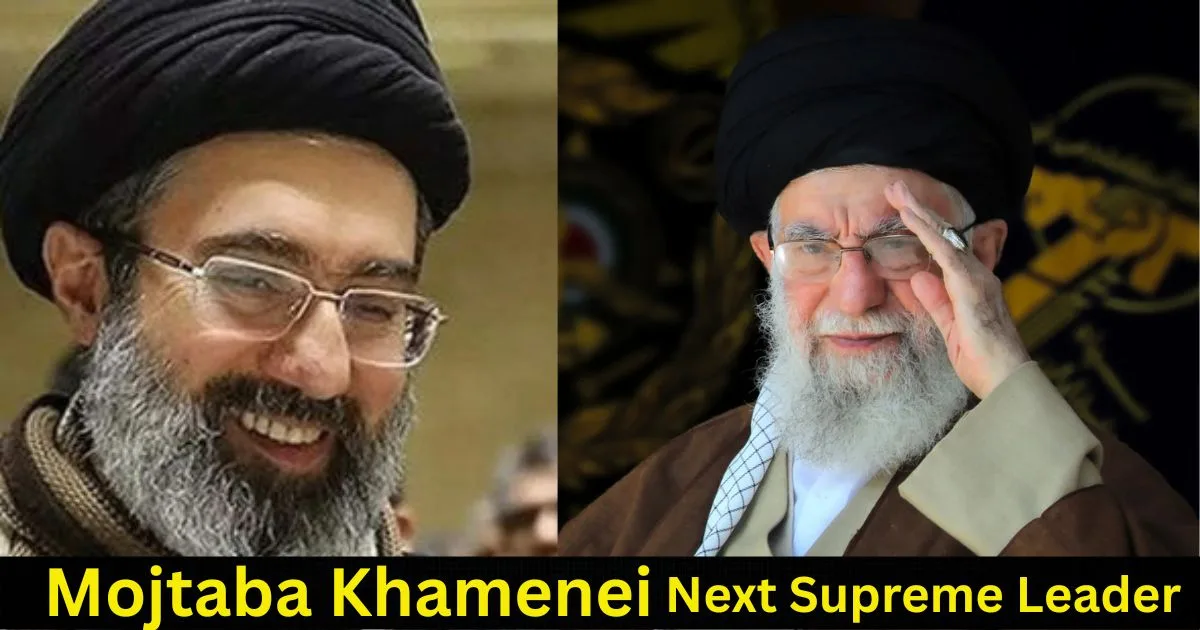
In the chaotic wake of Ayatollah Ali Khamenei’s reported death, Mojtaba Khamenei — long described by analysts as a powerful behind-the-scenes actor — has surfaced in social and some media narratives as a leading contender to become Iran’s next Supreme Leader. While no formal appointment has been announced and the constitutional process remains the decisive step, several structural and political factors elevate Mojtaba’s standing in the current succession scramble. (Reuters) Click Here To Follow Our WhatsApp Channel
Why Mojtaba’s name now carries weight
Mojtaba Khamenei has for years been portrayed in reporting as an influential gatekeeper inside Iran’s power corridors, with close ties to security institutions and a reputation for controlling access to the late Supreme Leader. Unlike many senior clerics who rose through visible public office, Mojtaba’s power has been described as informal and opaque — exercised through networks rather than established posts. That behind-the-scenes position, combined with the urgency created by a sudden leadership vacuum, helps explain why his name is now prominent in discussion about succession. (Reuters)
Constitutional route — why announcements matter
Iran’s constitution vests the authority to choose a Supreme Leader in the 88-member Assembly of Experts, which must convene, vet candidates and elect a leader. The Assembly’s decision — made behind closed doors — is the only legally binding route to a new Supreme Leader. Until it meets and issues a formal declaration, any media or social-media claims about appointments remain unverified and politically fraught. International outlets and Iranian state media have so far emphasised interim arrangements rather than a finished selection. (Reuters)
What strengthens Mojtaba’s claim
- Proximity to power: Analysts note Mojtaba’s sustained access to the late leader and his informal role as an adviser and gatekeeper. In a crisis, proximity and continuity matter — and those seen as close to the centre can leverage that for a transition. (Reuters)
- Security establishment links: Reports routinely link him to senior figures in Iran’s security apparatus including the Islamic Revolutionary Guard Corps, giving him influence over personnel and institutional levers that matter in times of instability. Such ties can translate into swift consolidation of support if key security actors back him. (Reuters)
- Perceived continuity: For factions that prioritise regime survival and continuity over ideological purity or clerical pedigree, a candidate who symbolises continuity can be attractive — especially amid ongoing hostilities and external pressure. (The National)
Obstacles and vulnerabilities
Despite those advantages, several serious obstacles could block or complicate any direct elevation of Mojtaba:
- Clerical credentials: The Supreme Leader has traditionally been a senior marjaʿ or high-ranking cleric with recognised theological authority. Mojtaba, although a cleric, does not have the same public religious stature as many traditional candidates — a potential legitimacy problem within clerical circles. (The National)
- Perception of dynastic succession: Appointing a leader from the same family risks the appearance of a hereditary transfer, which would run counter to the anti-monarchical founding ethos of the Islamic Republic and could alienate both clerical elites and public opinion. Analysts warn of factional backlash if the Assembly is seen to rubber-stamp a family succession. (The National)
- Factional resistance: Hardliners, pragmatic conservatives, and the IRGC may have differing priorities. If influential factions cannot reach consensus, the Assembly’s decision could be contested, heightening internal instability at a moment of external confrontation. (The Guardian)
The interim architecture and political timing
Following state confirmations of the late leader’s death, Iranian authorities signalled temporary leadership arrangements — naming senior state figures to manage affairs pending the Assembly’s decision. Reports suggest President Masoud Pezeshkian and the judiciary chief will be central to this interim management. That pause buys time for the Assembly to convene but also creates a window in which political manoeuvring intensifies: influence over senior clerics, security commanders and regional proxies will be decisive in shaping outcomes. (Reuters)
Domestic and regional implications if Mojtaba were chosen
- Domestic: A Mojtaba elevation could produce a rapid consolidation with hardline institutions, but it may also trigger protests or quiet resistance among Iranians who resent perceived nepotism. The legitimacy question would be front and centre, influencing everything from domestic security to economic confidence. (The National)
- Regional: Neighbouring states and non-state actors aligned with Tehran would reassess loyalties and strategy. Israel, Gulf states, and global powers will watch closely: an opaque, security-backed succession could harden policy stances and affect any diplomatic openings. (The Guardian)
International posture and likely reactions
Western and regional media are already parsing social-media claims while urging caution. Major international outlets continue to treat any unverified reports as provisional, stressing that only a formal Assembly decision would settle the matter. Governments and markets will likely react not just to the name of a successor, but to the process by which they were chosen — legitimacy and consensus will matter as much as individual biography. (Reuters)
Bottom line — plausible contender, not a fait accompli
Mojtaba Khamenei is plausibly among the most visible names in the immediate succession conversation because of his informal influence, security ties and proximity to the late leader. Those factors make him a credible contender — especially in a crisis that prizes continuity and control. Yet constitutional procedure, clerical legitimacy, and the risk of factional resistance remain potent constraints. Until the Assembly of Experts formally meets and announces a result, claims of an appointment remain speculative. Observers should therefore watch three variables closely: who secures the IRGC and security leadership’s backing, the positions of leading clerics inside the Assembly, and whether the process is presented to the public as credible and constitutional. (Reuters)
What to watch next (short checklist)
- Timing and composition of the Assembly of Experts’ emergency session. (Reuters)
- Any public statements from senior IRGC figures or influential clerics signalling support or opposition. (Reuters)
- Official announcements from Iranian state media (IRNA, IRIB, Fars) versus social-media leaks. (The Guardian)
You Might Also Like:
At 13, This Kashmiri Boy Built 31 Apps and AI Tools
Delhi Court Convicts Kashmiri Separatist Asiya Andrabi in UAPA Case
Why Is Omar Abdullah Silent as a Kashmiri Shawl Seller Is Brutally Attacked in Uttarakhand?