
Prime Minister Narendra Modi on Friday underlined the importance of stronger India-China relations, calling them “crucial” for regional peace, prosperity, and global economic stability. His remarks came during a two-day visit to Japan, where he is holding meetings to deepen Delhi-Tokyo cooperation before traveling to China for the 25th Shanghai Cooperation Organisation (SCO) summit.
In Japan, Mr. Modi is scheduled to visit four factories, including one producing a prototype of the E10 Shinkansen bullet train, which India hopes to acquire as part of its high-speed rail ambitions. He will also oversee the signing of memoranda of understanding in defense, trade, technology, and business.
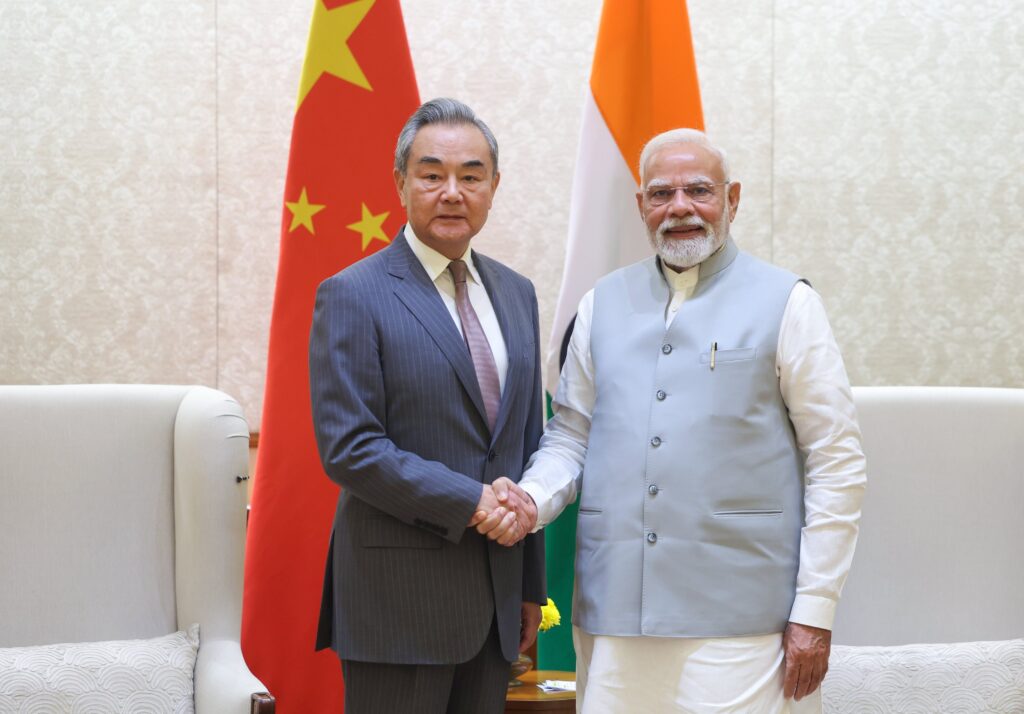
From Tokyo, the Prime Minister will head to Tianjin at the invitation of Chinese President Xi Jinping to participate in the SCO summit, which brings together leaders from Russia, Iran, Kazakhstan, Kyrgyzstan, Pakistan, Tajikistan, Uzbekistan, and Belarus.
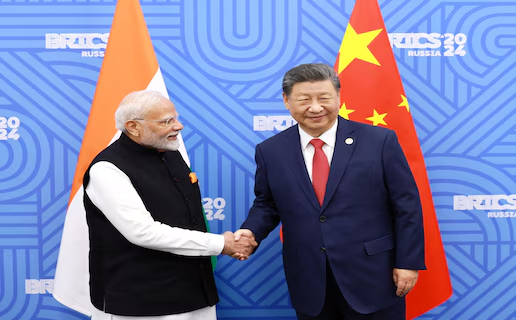
“Stable, predictable, and amicable bilateral relations between India and China, the two largest nations on Earth, can have a positive impact on regional and global peace and prosperity,” Mr. Modi told Japanese media. He recalled his meeting with President Xi in Kazan last year, describing the progress since then as “steady and positive.”
The timing of these remarks is significant. India is facing global economic turbulence, including the United States’ decision to impose a 50 per cent tariff on Indian goods, which government sources estimate will affect $48 billion in exports. Analysts say the tariffs have prompted New Delhi and Beijing to recalibrate ties, putting aside long-standing mistrust to offset potential economic losses.
Signs of this thaw appeared earlier this year when Chinese Foreign Minister Wang Yi urged India and China to “take the lead in opposing hegemonism and power politics,” adding that “making the dragon and elephant dance is the only right choice.” The phrase was later echoed by President Xi himself, signaling Beijing’s seriousness in fostering closer cooperation.
During his visit to Delhi this month, Wang Yi assured India of cooperation in key sectors, particularly in the electric vehicle (EV) industry, which depends heavily on rare earth minerals controlled by China. Both countries also agreed to step up trade, resume direct flights, and work toward disengagement in Ladakh, where tensions escalated after the 2020 Galwan clashes.
“Given volatility in the world economy, it is important for India and China to work together to bring stability to the global economic order. India is ready to advance bilateral relations from a strategic and long-term perspective on the basis of mutual interest,” Mr. Modi said.
The SCO summit in Tianjin is expected to showcase whether these positive signals translate into concrete outcomes. With wars in Ukraine and Gaza reshaping global politics and U.S.-China rivalry intensifying, closer ties between Asia’s two largest economies could significantly influence the emerging multipolar order.
Click Here To Follow Our WhatsApp Channel
You Might Also Like:
Kashmir Politics From Mahraja Hari Singh To Syed Ali Geelani
From Boom to Bust: How the April 22 Terror Attack Shattered Pahalgam’s Tourism Dream
Former Jamat-e-Islami Spokesperson Advocate Zahid Ali Surrenders to Jammu and Kashmir Police