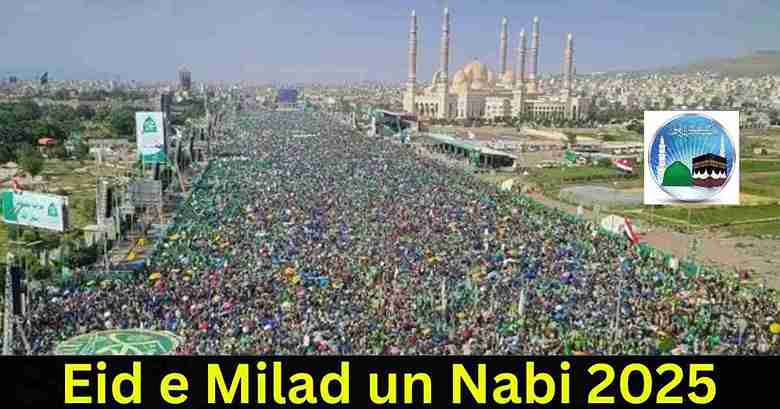
Milad un Nabi, also known as Mawlid al-Nabi or Eid-e-Milad-un-Nabi, is a significant observance in the Islamic world that commemorates the birth anniversary of Prophet Muhammad (Sallallahu Alaihi Wasallam, or S.A.W., meaning “peace be upon him”). This festival holds deep spiritual and cultural importance for millions of Muslims, serving as an occasion to reflect on the Prophet’s life, teachings, and legacy. While it is widely celebrated with joy and devotion, it also sparks debates within the Muslim community regarding its religious legitimacy. In this detailed article, we explore the history, significance, dates, celebrations, controversies, and global observances of Milad un Nabi.
History and Origins
The roots of Milad un Nabi trace back to the early centuries of Islam. Although the Prophet Muhammad (S.A.W.) himself did not celebrate his birthday, and there is no explicit mention of such observances in the Quran or the authentic Hadith from his lifetime, the practice evolved over time as a way to honor his exemplary life.
The earliest indications of commemorating the Prophet’s birth appear among the Tabi’un (the generation following the Prophet’s companions) in major Islamic cities, where gatherings involved reciting poetry and songs in praise of Muhammad (S.A.W.). The Fatimid dynasty (909–1171 CE) in Egypt is often credited with institutionalizing public celebrations, possibly as early as the 10th century, though some historians suggest it began under the Abbasids. A pivotal moment came in 1207 CE when the Turkic general Gökböri organized the first large-scale public festival in Erbil (modern-day Iraq), influenced by Saladin, which included Sufi elements like animal sacrifices, torchlight processions, and recitations focused on the Ahl al-Bayt (the Prophet’s family).
By the Ottoman Empire era, Milad un Nabi was declared an official holiday in 1588 CE, known as Mevlid Kandil. The celebration spread across the Muslim world through trade, conquests, and cultural exchanges, adapting to local traditions. In the Indian subcontinent, it gained prominence under Mughal rulers, who incorporated grand processions and illuminations. Early celebrations were not uniform; they often blended religious devotion with communal feasting and storytelling, emphasizing the Prophet’s role as a mercy to mankind.
Significance
At its core, Milad un Nabi is a profound expression of love, gratitude, and reverence for Prophet Muhammad (S.A.W.), whom Muslims regard as the final messenger of Allah. The Quran describes him as “a mercy to the worlds” (Surah Al-Anbiya, 21:107), and the observance allows believers to renew their commitment to his Sunnah (traditions) and teachings on compassion, justice, and piety.
The festival holds social and spiritual significance, fostering community bonds through acts of charity and benevolence. For Sufis, it symbolizes the Prophet’s pre-existence and eternal light (Nur Muhammad), inspiring mystical reflections. In many cultures, it serves as an educational platform, where stories from the Seerah (biography of the Prophet) are shared to inspire moral living. It also promotes interfaith understanding in diverse societies, highlighting universal values like peace and humility.
In 2025, the observance gains added prominence as it marks the approximate 1500th anniversary of the Prophet’s birth, with countries like Pakistan declaring nationwide activities to honor this milestone. This year-long commemoration underscores the enduring impact of Muhammad’s (S.A.W.) message on global civilization.
Date and Observance
Milad un Nabi is observed on the 12th day of Rabi’ al-Awwal, the third month of the Islamic lunar calendar, according to Sunni tradition. Shia Muslims, particularly Twelver Shias, celebrate it on the 17th of the same month, aligning it with the birth of Imam Ja’far al-Sadiq as well. The exact Gregorian date varies annually due to the lunar calendar’s dependence on moon sightings, which can differ by region.
For 2025, celebrations are expected to begin on the evening of September 4 and continue through September 5, though some sources indicate variations based on local moon sightings, potentially shifting to September 5 or 6. In India, it is a public holiday in several states, with banks and schools often closed. The month of Rabi’ al-Awwal itself is considered blessed, beginning around August 24, 2025, and is a time for increased reflection and good deeds.
Celebrations Around the World
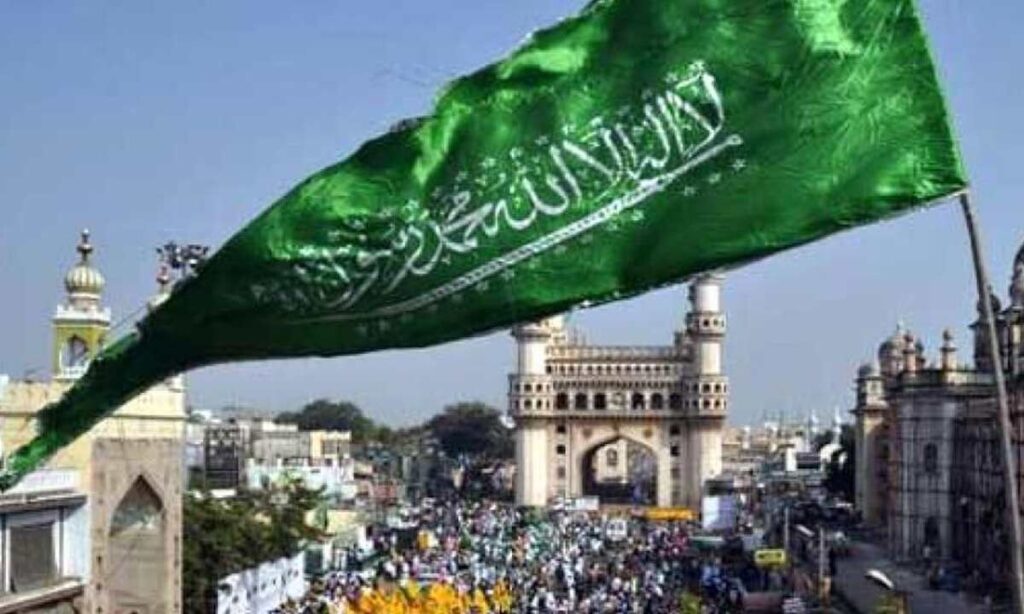
Milad un Nabi is marked with diverse rituals that blend religious piety with cultural flair, varying by country and community. Common elements include special prayers (Salat al-Fatih or Nafl prayers), recitations of the Quran, and lectures on the Prophet’s life. Mosques and homes are adorned with lights, green flags (symbolizing paradise), and banners bearing Islamic calligraphy.
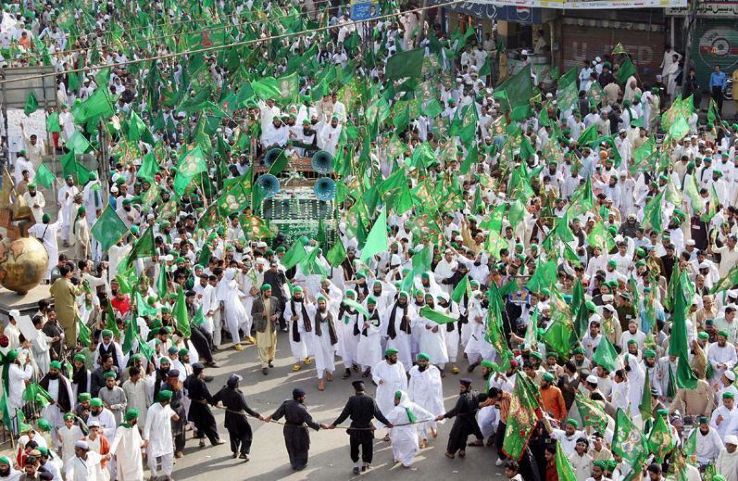
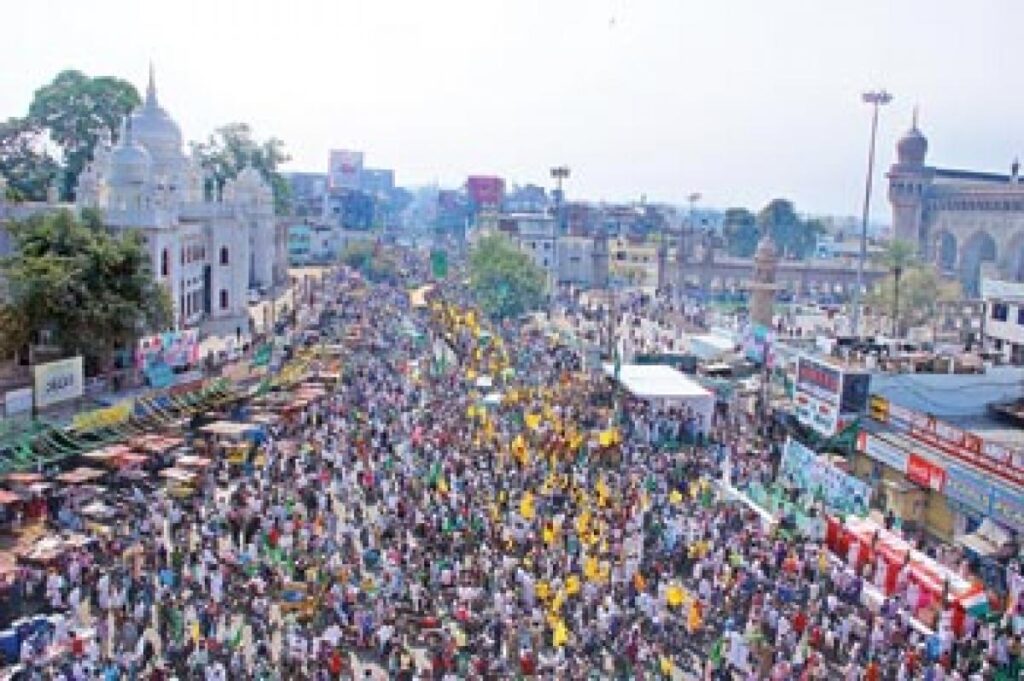
- In India and Pakistan: Festivities feature large processions (Julūs-e-Muhammadi), where participants chant Naats (poems praising the Prophet) and distribute sweets. In Pakistan, the day starts with 21-gun salutes in major cities, followed by seminars and charity drives. Indian cities like Hyderabad host relic displays from the Prophet’s era, with night-long vigils and fireworks.
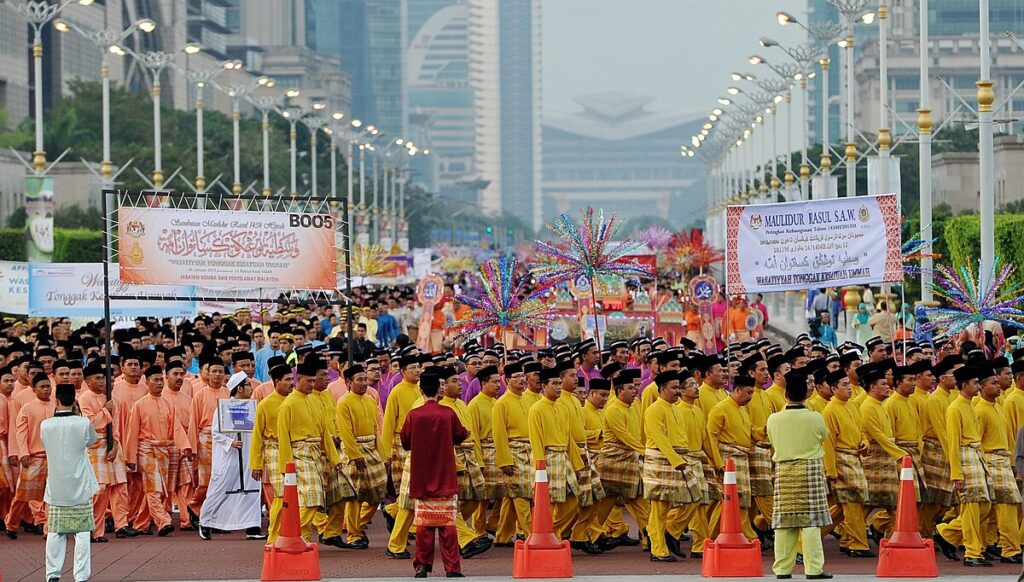
- In Indonesia: Known as Maulid Nabi, it includes week-long Sekaten fairs with gamelan music, puppet shows, and food stalls. In some regions, it’s more elaborate than Eid celebrations.
- In Turkey: Observances center on reciting Süleyman Çelebi’s famous Mawlid poem during Mevlid Kandili, with candle-lit mosques and family gatherings for sweets like lokum.
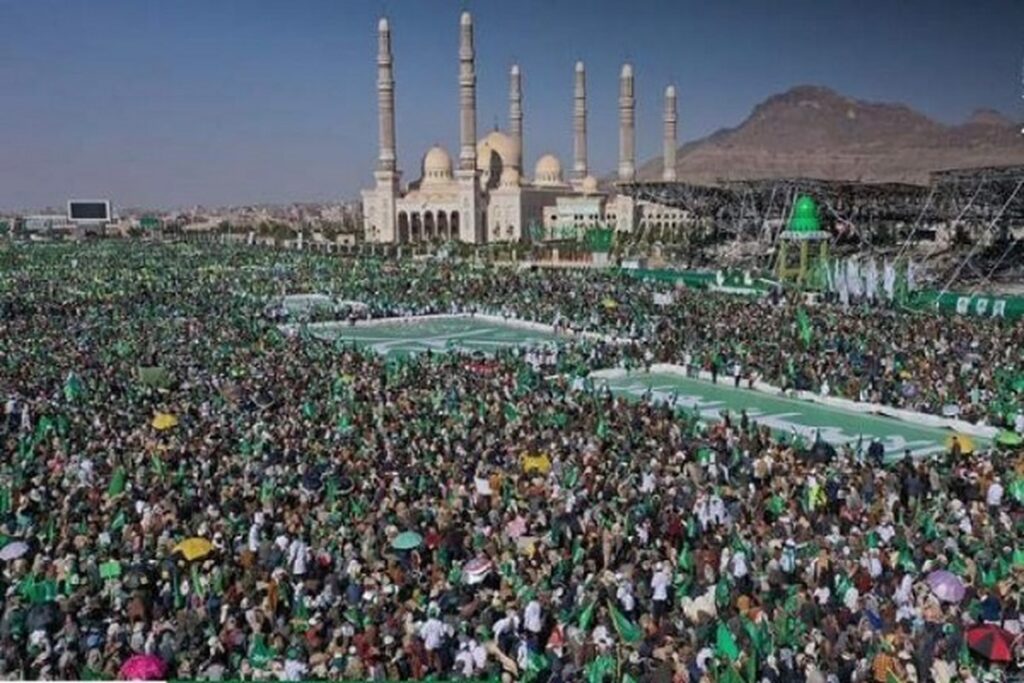
- In Yemen and North Africa: Processions involve poetry recitations and the preparation of special dishes like Assidat Zgougou in Tunisia. Green decorations symbolize renewal and the Prophet’s love for nature.
- In the Middle East and Africa: Countries like Egypt and Morocco feature Sufi dhikr sessions, while in Nigeria and Senegal, it’s integrated with local music and dances, emphasizing community unity.
Charity is a hallmark, with food distribution to the poor, blood donation camps, and environmental initiatives reflecting the Prophet’s emphasis on compassion. In modern times, digital celebrations include online Naat competitions and virtual lectures.
Controversies and Debates
While Milad un Nabi is embraced by the majority of Muslims, it remains a point of contention among scholars and sects. Proponents, including most Sunni scholars like Jalaluddin al-Suyuti and Ibn Hajar al-Asqalani, and nearly all Shia authorities, classify it as a “bid’a hasana” (praiseworthy innovation) that encourages love for the Prophet without contradicting core Islamic principles. Modern figures such as Yusuf al-Qaradawi and Ali Gomaa argue that as long as observances avoid extravagance or shirk (polytheism), they are permissible and beneficial.
Opponents, primarily from Salafi, Wahhabi, and Deobandi schools, view it as a “bid’a sayyi’a” (reprehensible innovation) lacking basis in the Quran, Sunnah, or practices of the Salaf (early Muslims). Scholars like Ibn Taymiyyah and Ibn Baz have criticized it for potentially imitating Christian Christmas celebrations or incorporating forbidden elements like music, gender mixing, or excessive spending. In Saudi Arabia and Qatar, where Salafism is dominant, Mawlid is not officially recognized, and public celebrations are discouraged.
These debates highlight broader tensions between tradition and reform in Islam. Some moderates, like Ibn al-Hajj, support limited observances focused on pious acts, while emphasizing avoidance of excesses. Despite controversies, the festival continues to thrive in most Muslim-majority countries, adapting to contemporary contexts while preserving its devotional essence.
Conclusion
Milad un Nabi stands as a vibrant testament to the enduring reverence for Prophet Muhammad (S.A.W.), blending faith, culture, and community. Whether through solemn prayers or joyous processions, it invites Muslims to embody the Prophet’s virtues in daily life. As the world marks this occasion in 2025 amid its 1500th anniversary commemorations, it serves as a reminder of unity in diversity within the Ummah. Regardless of differing views, the core message remains: to follow the Prophet’s path of mercy, justice, and peace.
Click Here To Follow Our WhatsApp Channel
You Might Also Like:
Faith, Family & the Future: Navigating Chaos with Purpose
Kashmir Fruit Growers Face Heavy Losses as Highway Closure Disrupts Transport
From Boom to Bust: How the April 22 Terror Attack Shattered Pahalgam’s Tourism Dream
11 Dead in Ramban and Reasi Weather Tragedies as Landslides and Cloudburst Devastate Jammu