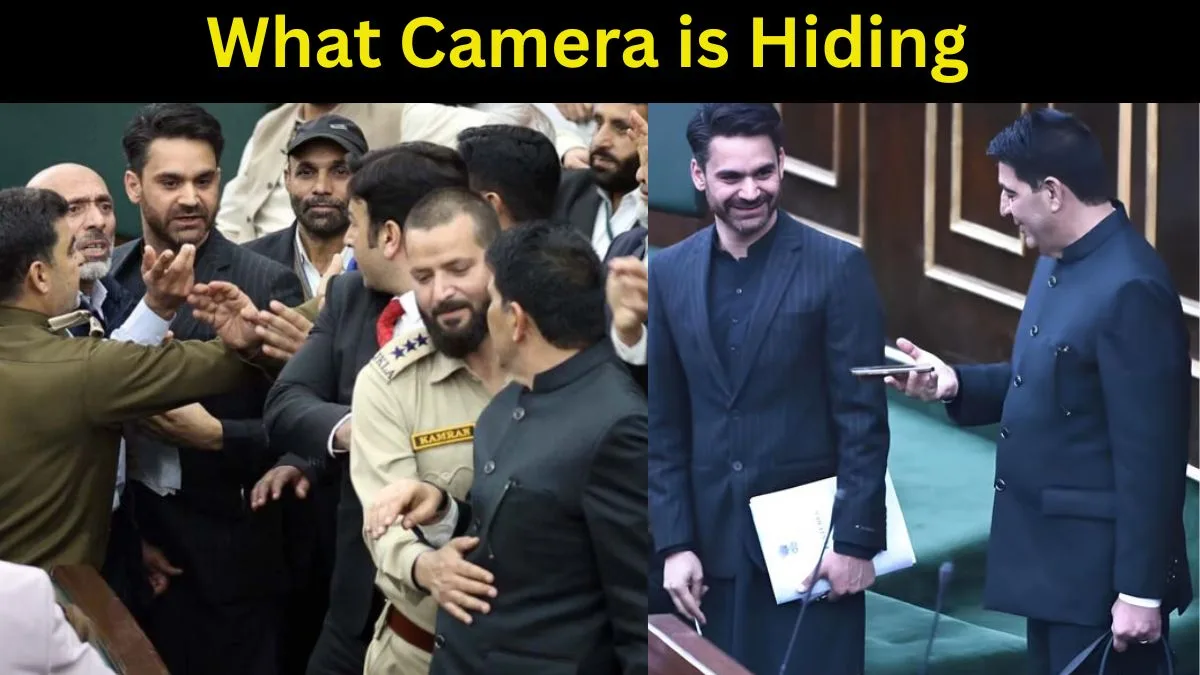
Politics in Kashmir is loud, emotional, and often bitter. Public speeches are filled with sharp attacks, harsh language, and constant blame. On television debates, in press conferences, and across social media, political leaders appear locked in permanent conflict. For the common Kashmiri, the message seems clear: these leaders are sworn enemies.
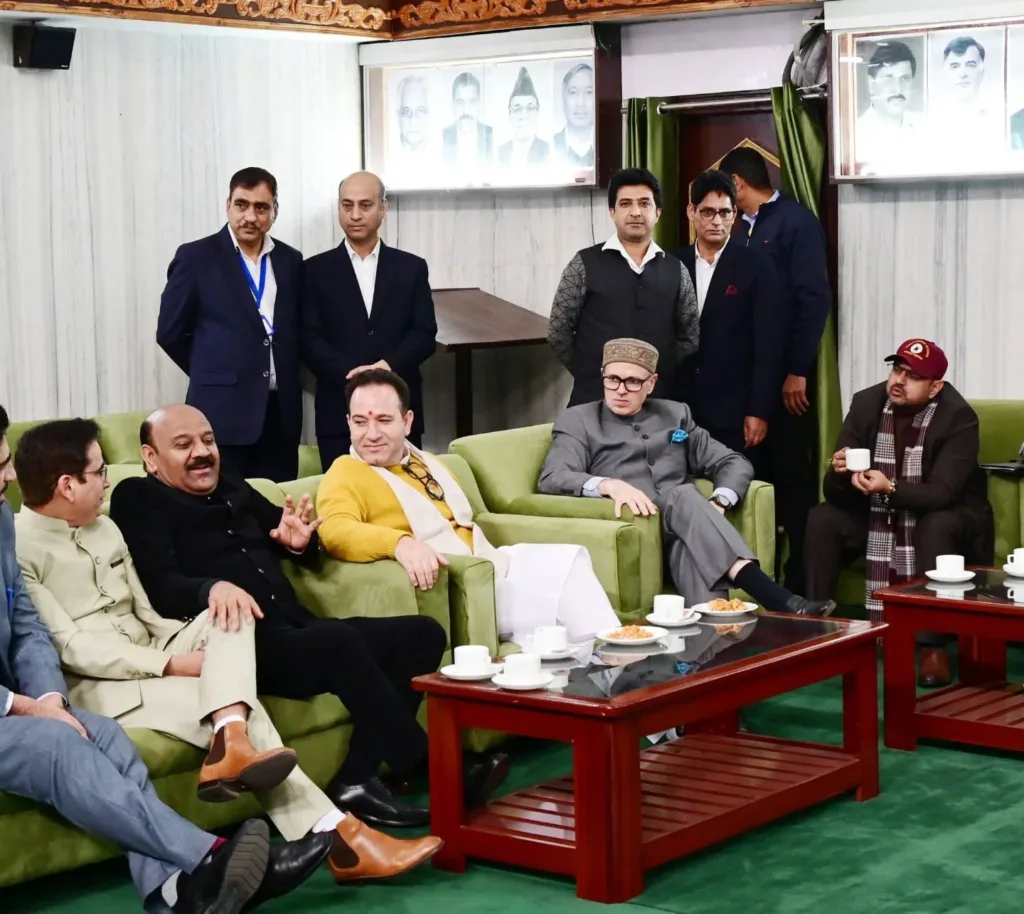
But that perception tells only half the story
Behind the curtains of public politics lies a quieter, rarely discussed reality. Kashmiri politicians, despite their fierce public rivalry, are often connected by personal respect, shared culture, and long-standing relationships. Away from cameras, they attend each other’s family events, offer condolences during times of loss, and extend support in moments of difficulty. In private spaces, political bitterness gives way to human connection.
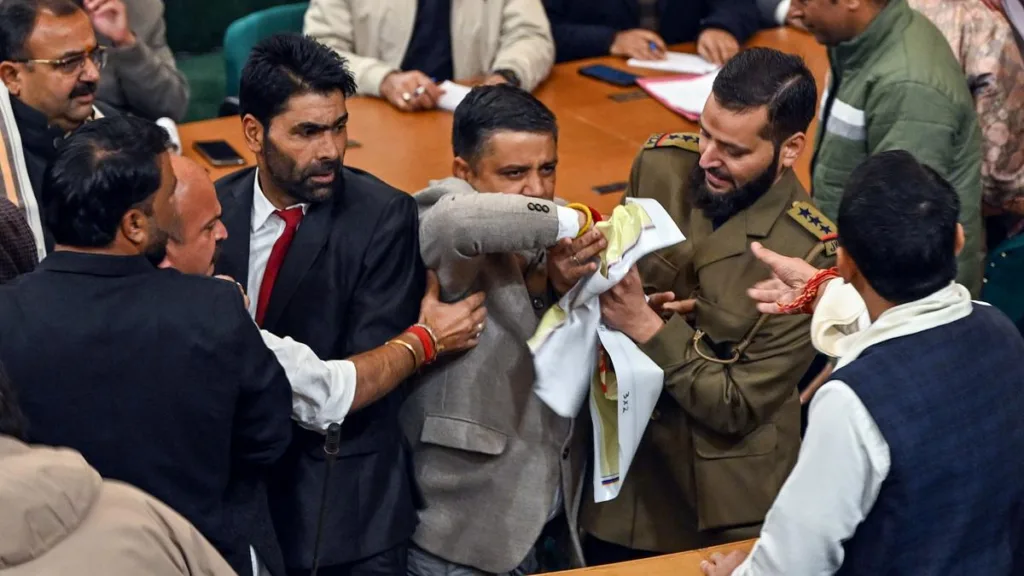
This is not unique to Kashmir; it is a global political phenomenon. However, in a conflict-sensitive region like Jammu and Kashmir, the gap between public posturing and private conduct carries deeper consequences.
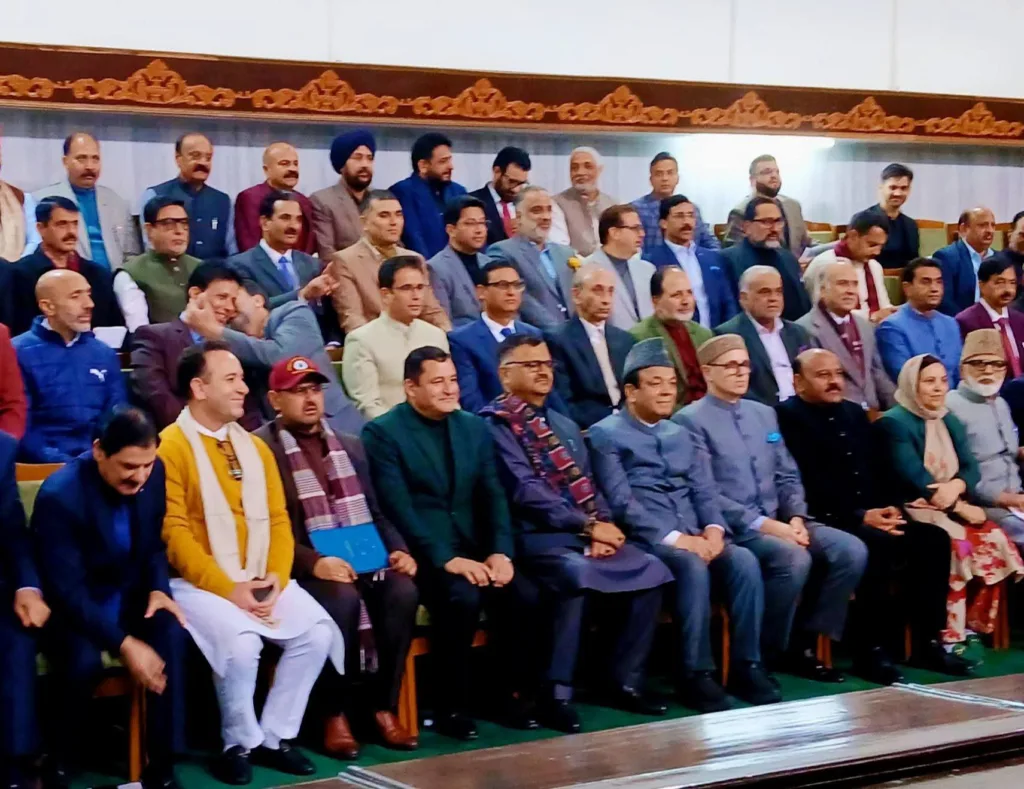
In public, leaders from different parties exchange strong statements, sometimes appearing incapable of sitting together. Yet in private settings—Ramadan iftar gatherings, weddings, funerals, and informal meetings—the scene is very different. They share traditional meals like wazwan, drink tea, laugh, recall old memories, and discuss issues affecting the people. These moments are real, but they are carefully kept away from public view.
The reason is political necessity. A visible display of warmth toward rivals risks alienating loyal supporters. Political survival demands a strong image of opposition, even if personal relations remain intact. As a result, political rivalry is performed on stage, while human bonds remain hidden.
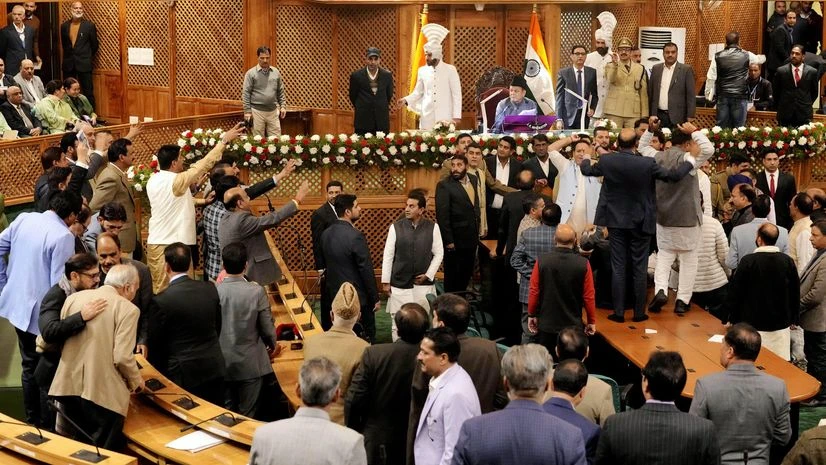
The cost of this performance is paid by the people
Many ordinary Kashmiris, with their deep emotions and trusting nature, take political rhetoric at face value. They internalize the anger they see and begin to view fellow citizens through the same lens of hostility. Political rivalry at the top slowly translates into social division at the grassroots.
This is where the danger lies
Kashmiri politicians understand the difference between political competition and personal enmity. The public, however, is rarely shown this distinction. When leaders shout in public but reconcile in private, society is left carrying unnecessary bitterness, suspicion, and division.
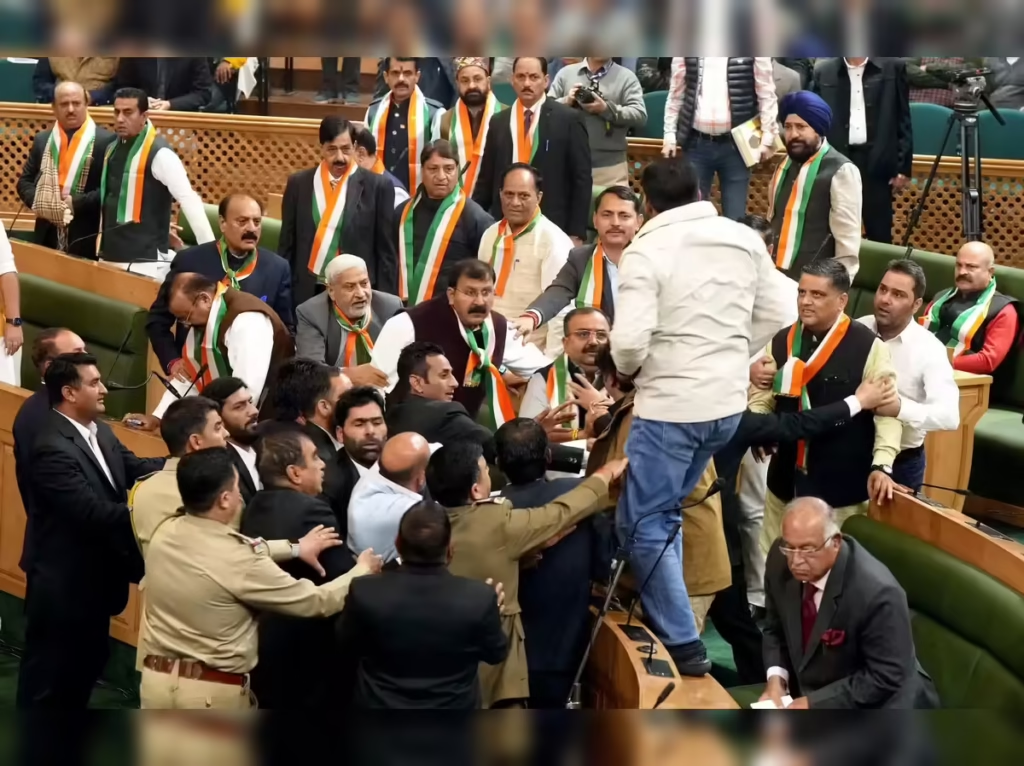
It is important to state this clearly: Kashmiri leaders are not personal enemies of one another. Their disagreements revolve around power, policy, and votes—not hatred. Outside political platforms, many share a sense of brotherhood shaped by common culture, history, and social ties.
Recognizing this reality does not weaken democracy; it strengthens it. Disagreement is essential in politics, but manufactured hostility should not poison social harmony. In a region that has endured decades of pain and division, people deserve honesty, not theatrical hatred.
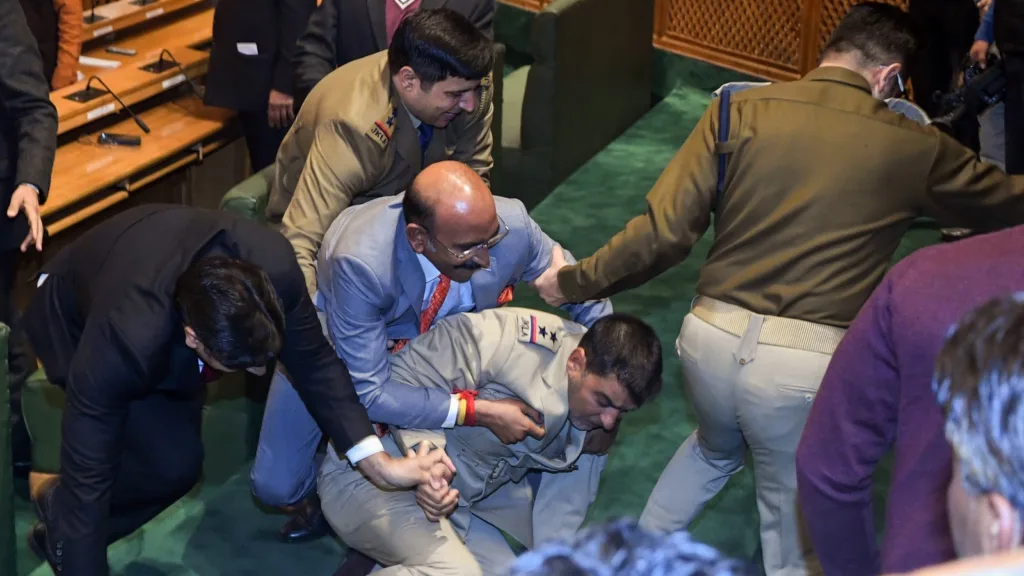
Politics may demand loud voices and sharp words, but Kashmir’s soul lies in its humanity, warmth, and shared traditions. True unity does not always require public displays of friendship. Yet when political theatre begins to divide society, it becomes necessary to remind ourselves: enemies on stage are often brothers at heart.
You Might Also Like:
At 13, This Kashmiri Boy Built 31 Apps and AI Tools
Delhi Court Convicts Kashmiri Separatist Asiya Andrabi in UAPA Case
Why Is Omar Abdullah Silent as a Kashmiri Shawl Seller Is Brutally Attacked in Uttarakhand?