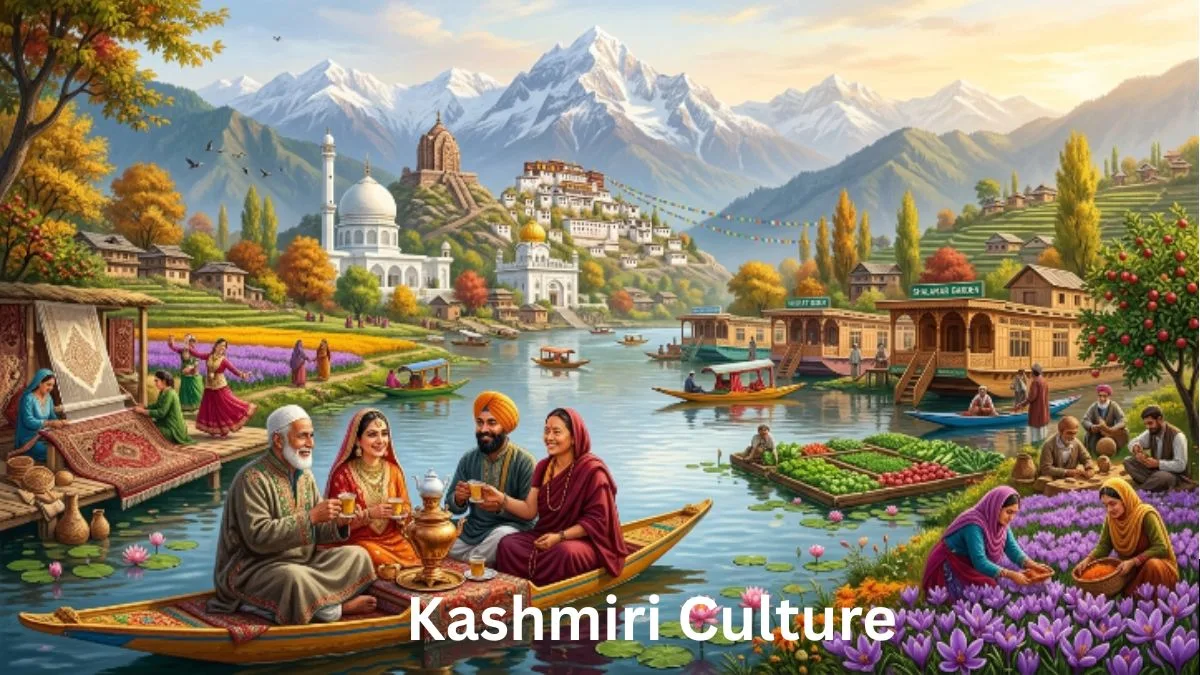
Culture is the shared way of life of a group of people. It includes beliefs, values, traditions, behaviours, and customs that shape how people live, think, and interact with others. Culture gives identity to a society and helps people understand the world around them.
It can be seen in many forms such as language, religion, art, music, food, clothing, and social habits. These elements together create a unique lifestyle that defines a community. Click Here To Follow Our WhatsApp Channel
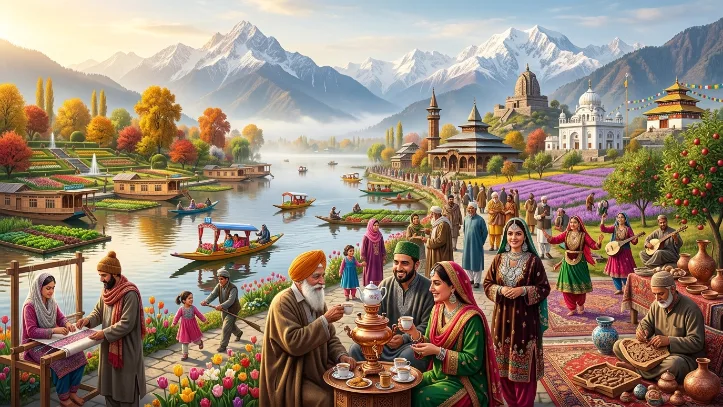
Language
Language is one of the most important parts of culture. It allows people to communicate and express their thoughts, emotions, and traditions. Every language carries its own unique style and meaning.
Religion and Spirituality
Religious beliefs and practices guide people’s values and daily lives. They influence traditions, rituals, and moral behaviour in society.
Art and Creativity
Art, music, and literature reflect the creativity of a society. They show how people think, feel, and express their identity.
Cuisine
Food is a strong part of culture. Traditional dishes and cooking styles tell stories about local ingredients, climate, and lifestyle.
Traditions and Rituals
Festivals, ceremonies, and customs are ways to celebrate culture and pass it from one generation to another.
Social Norms
These are the rules of behaviour in society. They guide how people interact, build relationships, and live together.
Dress and Attire
Clothing often reflects culture, history, and environment. Traditional dress shows identity and pride in heritage.
Values and Beliefs
Cultural values shape how people think and make decisions. They influence both personal and social life.
History and Heritage
A society’s past plays a major role in shaping its present culture. Traditions are often based on historical experiences.
Culture is Always Changing
Culture is not fixed. It changes over time due to social, economic, and technological developments. As the world becomes more connected, cultures interact, blend, and evolve.
While change brings progress, it also raises concerns about losing traditional values and identity.
Kashmir’s Rich Cultural Heritage
Kashmir is not only known for its natural beauty but also for its deep and rich cultural heritage. The people of Kashmir are known for their warmth, kindness, and strong traditions.
From traditional clothing and cuisine to music, art, and language, Kashmir’s culture reflects a long and meaningful history. These traditions have shaped the identity of the region and continue to inspire those who experience it.
Challenges in the Modern World
Today, modernisation and western influences are rapidly changing societies. Many traditional practices are slowly fading as people adopt new lifestyles.
Kashmir is also facing this challenge. The younger generation is increasingly influenced by modern trends, which sometimes leads to a disconnect from cultural roots.
Finding the Balance
The real challenge is to balance progress with tradition. Development is important, but preserving cultural identity is equally essential.
Protecting language, traditions, and heritage helps maintain a strong sense of identity and belonging. It also promotes diversity and mutual respect in a globalised world.
Conclusion
Culture is the foundation of who we are. It connects us to our past, shapes our present, and guides our future.
For regions like Kashmir, preserving culture is not just about tradition — it is about protecting identity, unity, and heritage for future generations.
In a rapidly changing world, respecting and valuing culture remains more important than ever.
You Might Also Like:
US Rescues Downed Pilot from Iran in High-Risk Operation, Trump Declares “We Got Him”
Dr.Fatemeh Ardeshir-Larijani Ousted from Emory, Visa Revoked After Protests Over Iran Links