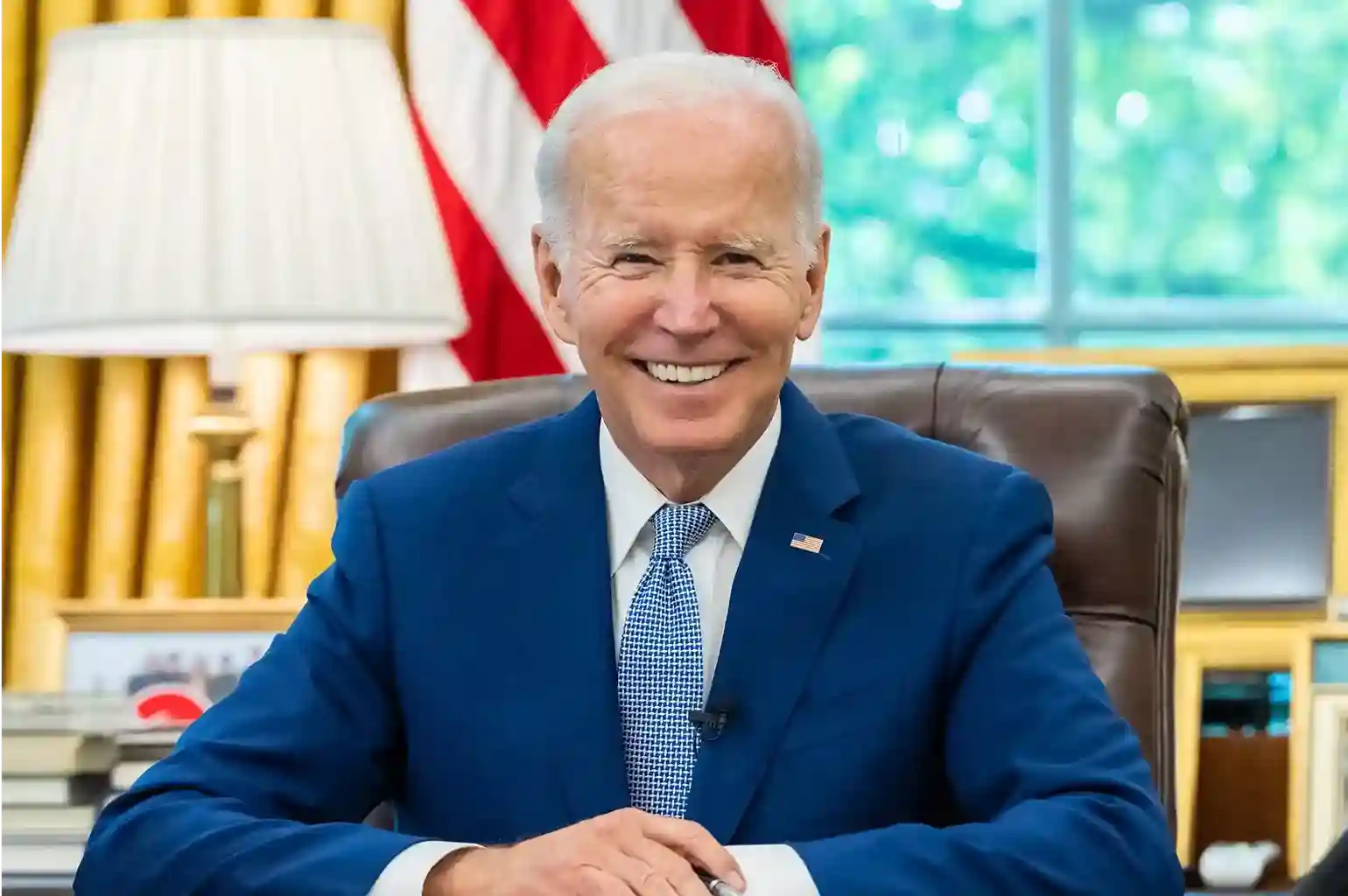
In 2016, Joe Biden, who was then the Vice President of the United States and later became President, shared a deeply personal story that touched many hearts. It was about a tough time in his life when his son, Beau Biden, was battling brain cancer. To help his son’s family, Biden thought about selling his family home. This story, which also involves a kind offer from his friend and boss, President Barack Obama, shows a side of American politics that feels human and real. This article explains what happened, why it matters, and how it compares to the lives of leaders in other countries, all in simple, clear English.
The Story: A Father’s Worry
Joe Biden’s son, Beau, was a lawyer and the Attorney General of Delaware, a state in the US. In 2013, at the age of 44, Beau was diagnosed with a deadly type of brain cancer called glioblastoma. As Beau’s health got worse, he could no longer work, which meant his family lost his income. Beau had a wife and two young children to support, and medical bills in the US can be very expensive, even for serious illnesses like cancer.
Joe Biden, who was Vice President at the time (from 2009 to 2017), was worried about how to help Beau’s family. Although Biden earned a good salary—about $230,000 a year—he didn’t have a lot of extra money. His wealth was mostly tied up in his family home in Wilmington, Delaware, a house worth around $1 million. To raise money for Beau’s family, Biden thought about selling this home, which was his main asset. He didn’t want to take out a loan because the terms were strict, and he wasn’t sure he could pay it back after his time as Vice President ended.
One day, Biden shared his worries with Barack Obama, the President at the time and a close friend. Obama didn’t hesitate. He said, “Joe, don’t sell your house. I’ll give you the money. Whatever you need, I’ll help.” This offer came from Obama’s personal bank account, not government funds. In the end, Biden didn’t need to sell the house or take Obama’s money, as they found other ways to manage. Sadly, Beau passed away in May 2015, despite treatment. Biden shared this story publicly in a 2016 interview with CNN, and he got emotional talking about his son and Obama’s kindness.
When and Where Did This Happen?
The story came out in January 2016, when Biden spoke to CNN about his life and his work on cancer research, something he cared deeply about after losing Beau. Some retellings of the story, like the one you might have heard, say it was revealed just before Biden left office in January 2017, during Obama’s farewell speech. That’s not quite right—it was shared a year earlier. Also, the house wasn’t 4,000 square feet as some claim; it’s actually about 6,850 square feet, a minor mix-up.
Biden also wrote about this moment in his 2017 book, Promise Me, Dad, where he described his fears for Beau’s family and Obama’s generous offer. News outlets like The New York Times, The Washington Post, and Politico reported on it, confirming the story is true. Biden’s openness about his financial worries showed a side of him that many people could relate to—a parent trying to do the best for their child in a tough situation.
Why This Story Matters
This story is powerful because it shows that even someone as important as the US Vice President can face money troubles. In the US, leaders like Biden have to follow strict rules about money. They must report their income and assets every year, and they can’t accept big gifts or use their position to get rich. For example, US laws (like the Ethics in Government Act) stop officials from taking loans or gifts that could look like bribes. This meant Biden couldn’t just ask a bank to cancel a loan or accept a free house from a wealthy friend without breaking the law.
The story also highlights the friendship between Biden and Obama. Obama’s offer to help wasn’t about politics—it was a personal act of kindness. It shows that even in a powerful country like the US, leaders can face human struggles and rely on friends, just like anyone else.
Comparing to Other Countries
The original story you mentioned asks if leaders in Muslim-majority countries, like Pakistan, would face the same kind of financial struggles as Biden. Let’s look at this idea in a simple way.
In many countries, including Pakistan, some leaders have been accused of living very wealthy lives, sometimes in ways that raise questions. For example, in Pakistan, politicians and their families have been linked to expensive properties in places like London or Dubai, as seen in the Panama Papers (a 2016 leak of secret financial documents). Some leaders have faced court cases over claims they misused public money or took gifts, like luxury cars, at low prices. Pakistan’s National Accountability Bureau (NAB) investigates such cases, and the country ranks 133 out of 180 on a global list of corruption levels (Transparency International, 2023), which suggests corruption is a big issue.
In contrast, the US has stricter rules to stop leaders from misusing power for money. For example:
- Loans: Biden couldn’t get a loan forgiven without it being seen as a bribe, which could lead to investigations.
- Rich friends: US leaders can’t accept big gifts like houses or money from wealthy people without reporting it. This could break laws like the anti-bribery statute (18 U.S.C. § 201).
- Offshore companies: Setting up secret companies in places like Panama to hide money is illegal in the US and could lead to tax evasion charges. Biden has never been linked to such schemes.
- Family wealth: Unlike some political families in other countries, Biden’s sons didn’t build huge fortunes. Beau worked in public service, and Hunter Biden faced legal issues but didn’t amass billions.
- Spending public money: US leaders can’t easily use government funds for personal luxuries, like buying private planes or spending millions on fancy dinners. Such actions would be audited and could lead to serious consequences, like impeachment.
In Pakistan, some leaders have been accused of using “discretionary funds” (money they can spend without much oversight) for personal benefits, like fancy trips or home upgrades. For example, reports have mentioned millions spent on official residences or dinners, though leaders often say these are for official duties. These differences don’t mean every leader in Pakistan or other Muslim-majority countries is corrupt—some, like former Pakistani Prime Minister Imran Khan, have pushed for simpler lifestyles. But the systems in some countries make it easier for leaders to gain wealth than in the US.
Could This Happen Elsewhere?
Could a leader in a country like Pakistan face a situation like Biden’s, where they worry about money and think about selling their home? It’s possible, but it depends. In countries with less strict rules or more corruption, leaders might have other ways to get money, like business deals or favors from wealthy friends, which aren’t always legal. In places with strong laws, like the UK or US, leaders are watched closely, so they’re less likely to rely on such methods.
For example, in the UK, Members of Parliament (MPs) and Prime Ministers must declare their income, gifts, and interests. If a UK leader tried to accept a big gift or hide money offshore, they’d face investigations by bodies like the Parliamentary Commissioner for Standards. The UK’s anti-corruption laws are similar to the US’s, though not exactly the same. In contrast, in some Muslim-majority countries with weaker systems, leaders might face fewer checks, making it easier to build wealth but harder to trust the system.
Conclusion
Joe Biden’s story is true and shows a human side of a powerful leader. He faced a parent’s worst nightmare—losing a child—and worried about money like many ordinary people. Barack Obama’s offer to help was a sign of true friendship, not political show. This story stands out because it’s rare for a US leader to share such a personal struggle, given the strict rules they follow.
When we compare this to other countries, like Pakistan, we see that not all leaders face the same limits. Some have been accused of living extravagantly, while others try to be modest. The difference often comes down to the laws and how well they’re enforced. Biden’s story reminds us that leadership, at its best, is about honesty, struggle, and helping each other—no matter where you are in the world.
Click Here To Follow Our WhatsApp Channel
You Might Also Like:
Protesters in New York Oppose Muhammad Yunus During UNGA
Ladakh DGP S D Singh Jamwal Defends Police Firing in Leh Violence
Mehbooba Mufti Terms Sonam Wangchuk’s Arrest ‘Deeply Disturbing’, Says Peace Advocate Punished for Demanding Promises