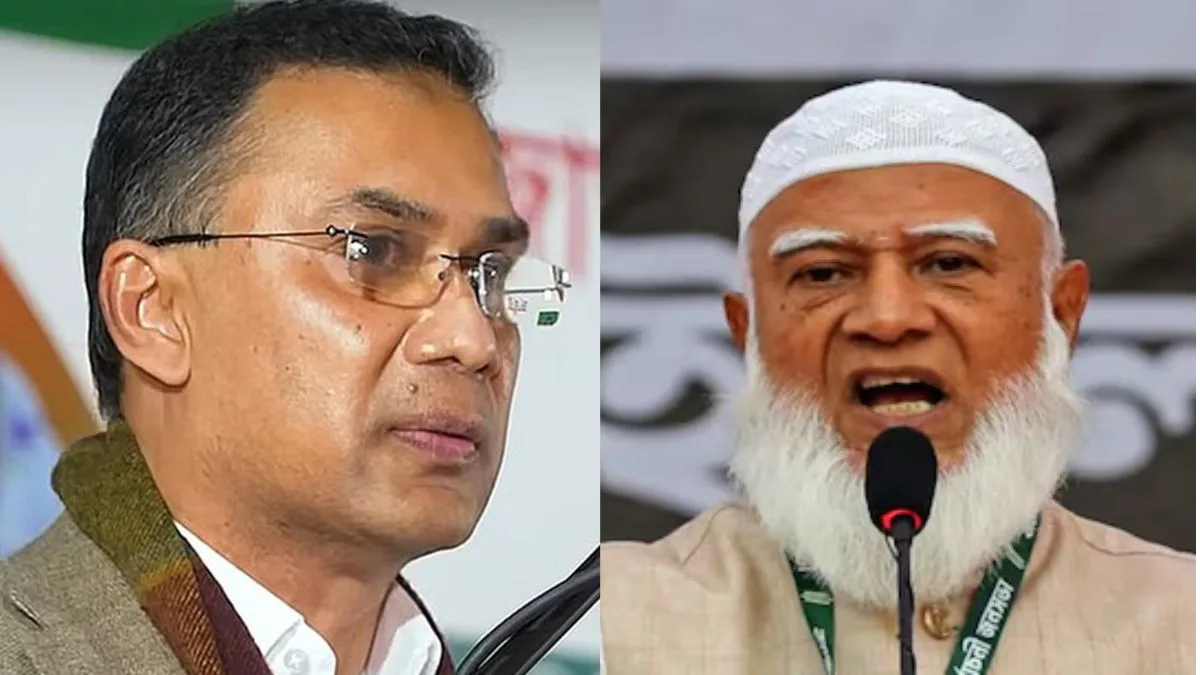
Dhaka, Bangladesh — The Bangladesh Nationalist Party (BNP) has emerged as the clear winner in the country’s 13th parliamentary elections, securing a commanding 212 seats in the 299-member Jatiya Sangsad, according to preliminary results released by multiple media outlets and election observers. The figures indicate a decisive mandate for the BNP and its allies, positioning them to form the next government after years of political rivalry and contestation.
BNP’s Landslide Lead
Early counts show the BNP surpassing the majority threshold with a significant margin, winning roughly two-thirds of the seats declared so far. This marks a major political comeback for the party after a prolonged period out of power and reflects a strong resurgence in popular support across diverse regions of the country. Click Here To Follow Our WhatsApp Channel
Party chairperson Tarique Rahman, the prominent political figure leading the party’s campaign, is set to assume national leadership. Rahman also registered victories in multiple constituencies, showcasing personal electoral strength and reinforcing his leadership role within the party.
Jamaat-e-Islami Emerges as Key Opposition
The Jamaat-e-Islami and allied candidates have secured over 60 seats, positioning the Islamist coalition as a significant force in the new parliament. Although they fall short of forming government, their performance ensures a robust opposition presence that could influence legislative priorities and national debates in the coming term.
Political analysts say Jamaat-e-Islami’s stronger than expected showing reflects shifting voter preferences and an appetite for broader ideological representation in legislative processes.
Voter Turnout & Election Environment
The elections, held under heightened security measures across the nation, saw strong voter turnout, with electoral participation significantly higher than in some past cycles. Observers noted orderly conduct at most polling stations, though there were sporadic reports of delays in ballot distribution in a few constituencies.
Security forces and election authorities said they were committed to maintaining peace and transparency throughout the polling and counting processes.
Regional and International Reactions
As preliminary results poured in, world leaders and regional partners began issuing statements. Several countries, including neighboring India, extended congratulations to the BNP leadership for its projected victory. These messages underscored expectations for deepening diplomatic ties and continued cooperation on shared economic and security interests.
International observers welcomed the apparent high turnout and overall smooth process but emphasized the importance of full results and final certification by the Election Commission to confirm the preliminary trends.
Political Significance and Future Challenges
This election marks a significant shift in Bangladesh’s political landscape, coming after years of intense rivalry between major parties and an evolving national discourse around governance, economic development, and democratic engagement. With the BNP now poised to govern, expectations are high for policy reforms, renewed focus on economic stability, and efforts to build consensus across the political spectrum.
The role of Jamaat-e-Islami as a substantial opposition bloc also adds a new dimension to parliamentary dynamics, potentially shaping debates on legislation and national priorities.
Awaiting Final Confirmation
While current tallies strongly favor the BNP, the Bangladesh Election Commission has yet to formally declare the final results. Officials are continuing the official counting process and are expected to validate all constituency outcomes in the coming days, bringing final clarity to the composition of the new parliament.
You Might Also Like:
At 13, This Kashmiri Boy Built 31 Apps and AI Tools
Delhi Court Convicts Kashmiri Separatist Asiya Andrabi in UAPA Case
Why Is Omar Abdullah Silent as a Kashmiri Shawl Seller Is Brutally Attacked in Uttarakhand?