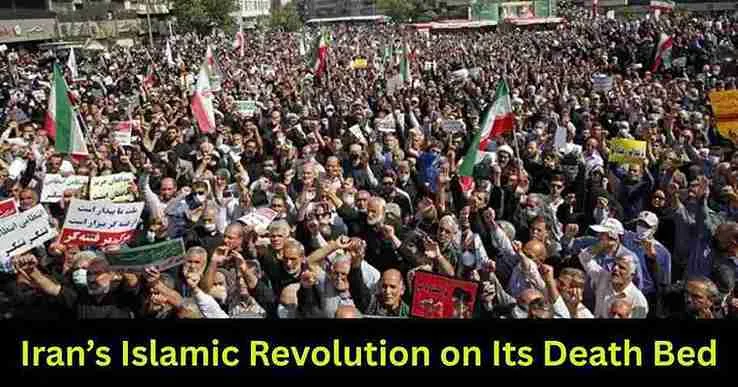
As 2026 begins, Iran is facing one of the most serious challenges since the 1979 Islamic Revolution. From Tehran to small provincial towns, protests have erupted on streets, in universities, and inside historic markets. At the heart of this uprising is Iran’s Generation Z, a young population that openly rejects the system that has ruled their lives since birth.
What started as economic anger has turned into a nationwide movement questioning the very survival of the Islamic Republic.Click Here To Follow Our WhatsApp Channel
A Country Boiling Over with Anger
In late December 2025, shopkeepers in Tehran’s Grand Bazaar shut their businesses in protest. The reason was simple but devastating: the Iranian rial collapsed to record lows, making food, medicine, and fuel impossible to afford for many families.
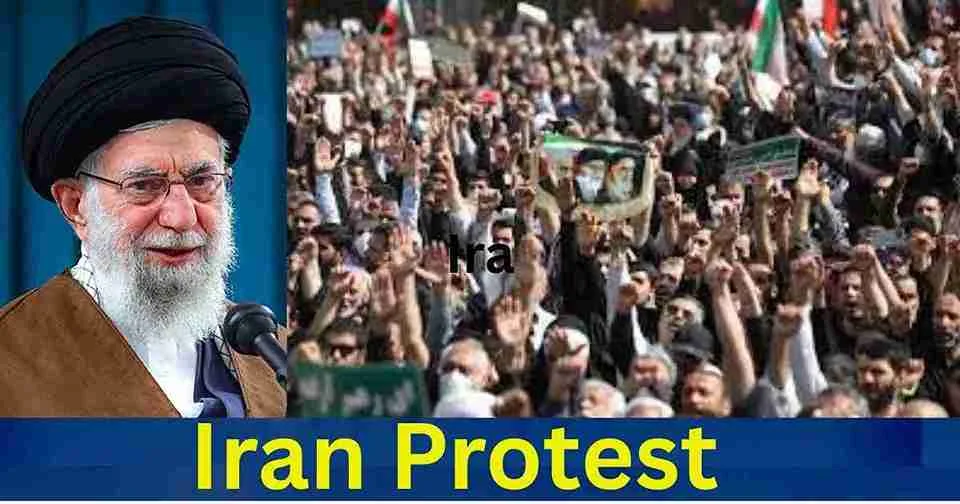
Soon, the anger spilled into the streets. Protests spread rapidly across all 31 provinces. What made this moment different was the scale and the confidence. People were no longer just asking for reforms. They were openly calling for the end of the system created by the 1979 revolution.
Chants once whispered in fear were now shouted loudly in public squares.
Why the Economy Lit the Fire
For years, ordinary Iranians have lived under crushing pressure:
- Prices rising every month
- Youth unemployment staying high
- Sanctions mixed with poor management
- Widening gap between elites and citizens
Many families say survival itself has become a daily struggle. Bread, cooking oil, and rent now cost far more than wages can cover. For young people, the future feels completely blocked.
Economic pain quickly turned into political rage.
Generation Z: Fearless and Unapologetic
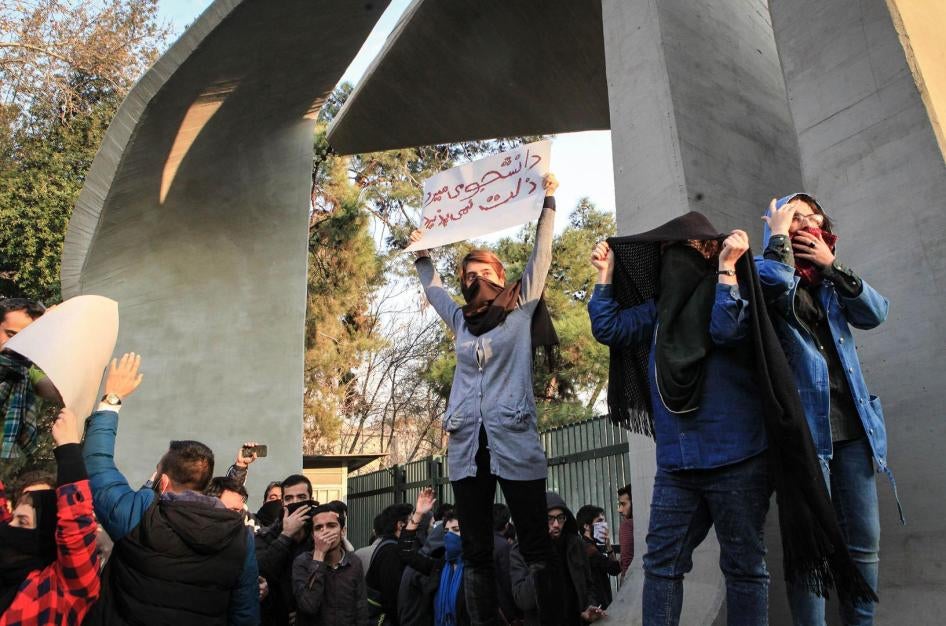

Iran’s Gen Z, mostly born after 1997, is leading this movement. Unlike older generations, they feel no emotional attachment to the revolution of 1979. For them, it is history — not inspiration.
This generation wants:
- Personal freedom
- Jobs and dignity
- Open internet and culture
- A normal life like youth elsewhere
Videos from inside Iran show teenagers and young adults facing security forces without hiding their faces. They organise through social media, even as the internet is restricted. University students walk out of classes, and young women remain central to the protests.
The memory of Mahsa Amini, whose death in custody sparked earlier unrest, still fuels resistance.
The State Strikes Back
The government response has been harsh. Security forces have used tear gas, batons, and live fire in some areas. Thousands have been detained, and many injured. Internet slowdowns and blackouts aim to cut communication between protesters.
Iran’s Supreme Leader Ali Khamenei has dismissed the protests as foreign-backed unrest. Officials have even claimed some protest videos are fake or digitally made — claims widely mocked by Iranians online.
Despite this, protests continue almost daily.
From Reform to Rejection
A major shift is clear: people are no longer asking the system to fix itself. They are rejecting it outright.
Some protesters chant slogans supporting Reza Pahlavi, while others call for a completely new political order. The common message is simple — the Islamic Republic no longer represents them.
Bazaar traders, students, workers, and ethnic minorities are increasingly united. This broad support makes the movement harder to crush.
Is This the End of the Islamic Revolution?
Forty-seven years ago, the Islamic Revolution promised justice, independence, and dignity. Today, many young Iranians see only control, isolation, and broken promises.
The regime has survived past protests through force. But this wave feels different:
- Wider spread across the country
- Strong youth leadership
- Open rejection of ideology
- Loss of fear among protesters
Analysts warn that the system faces a deep legitimacy crisis. When the youngest generation stops believing, survival becomes harder with each passing year.
A Defining Moment for Iran’s Future
As protests continue into January 2026, one question dominates conversations worldwide: can Iran’s Gen Z finally bring real change, or will repression once again delay the inevitable?
Whatever the outcome, one truth is clear.
For millions of young Iranians, the Islamic Revolution is no longer sacred history — it is a failing past they are ready to leave behind.
The streets of Iran are speaking, and this time, they are not whispering.
You Might Also Like:
At 13, This Kashmiri Boy Built 31 Apps and AI Tools
Zohran Mamdani: The Fearless New York Leader Speaking Truth When Others Stay Silent
NYC Mayor Zohran Mamdani Calls Maduro’s Capture an Act of War, Warns of Legal and Human Impact