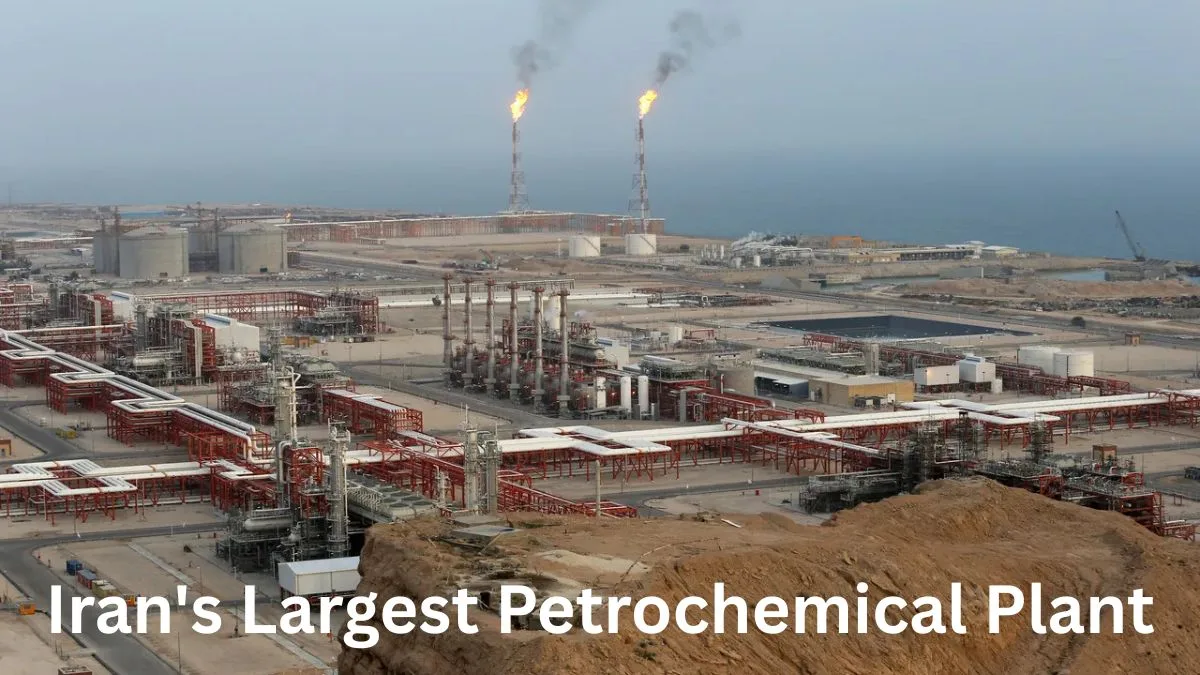
A recent Israeli airstrike on Iran’s key energy hub at the Asaluyeh industrial zone has delivered a serious blow to the country’s petrochemical sector, with wide-ranging economic and strategic consequences.
The strike targeted facilities linked to the massive South Pars gas field — the largest natural gas field in the world and a cornerstone of Iran’s economy. Click Here To Follow Our WhatsApp Channel
A Direct Hit on Iran’s Energy Backbone
The South Pars region is not just another industrial site — it is the heart of Iran’s energy system. It supplies gas for electricity, heating, and industrial production across the country.
According to reports, the targeted petrochemical complex in Asaluyeh is responsible for nearly 50% of Iran’s petrochemical production.
By striking this area, Israel effectively hit one of Iran’s most valuable economic assets.
Disrupting Production Without Destroying Everything
Instead of completely destroying all plants, the airstrike focused on critical support systems such as electricity, water, and oxygen supply units.
This strategy proved highly effective. Power outages forced multiple facilities to shut down, bringing production to a halt across the complex.
Even if some plants remained physically intact, they could not operate without these essential services — making the entire system temporarily unusable.
Massive Impact on Exports and Revenue
Israeli officials claimed that the strike, combined with earlier attacks, has taken around 85% of Iran’s petrochemical export capacity offline.
Petrochemicals are one of Iran’s main sources of foreign income after oil. These products are exported globally and play a key role in supporting the country’s economy.
With exports disrupted, Iran could face:
- Loss of billions in revenue
- Pressure on foreign currency reserves
- Increased economic instability
Domestic Energy Risks
The impact is not limited to exports. South Pars also plays a major role in domestic energy supply.
Damage to gas processing and petrochemical systems could lead to:
- Electricity shortages
- Rising fuel costs
- Industrial slowdowns
South Pars accounts for a large share of Iran’s gas production, which is heavily used for power generation and daily needs.
Global Energy Market Shock
The strike has also raised concerns beyond Iran.
Any disruption in such a major energy hub affects global markets. South Pars is linked to international supply chains, and instability in the region has already pushed oil and gas prices higher.
Experts warn that continued attacks on energy infrastructure could deepen the global energy crisis and affect countries dependent on Middle East supplies.
Strategic Message Behind the Strike
Beyond economic damage, the attack carries a clear strategic message.
Israeli leaders have argued that Iran’s petrochemical sector helps fund its military activities. By targeting these facilities, Israel aims to weaken Iran’s financial ability to sustain conflict.
This marks a shift in the war — from targeting mainly military sites to hitting economic infrastructure that supports long-term capabilities.
Risk of Escalation
However, such strikes come with serious risks. Iran has already warned of retaliation and has previously targeted energy infrastructure in the region.
Possible consequences include:
- Attacks on Gulf oil facilities
- Disruptions in global shipping routes
- Wider regional conflict
What Happens Next?
The full extent of damage at the Asaluyeh complex is still being assessed. While Iran says the situation is under control, restoring operations could take time.
The strike has clearly intensified pressure on Iran at a critical moment in the conflict. Whether it leads to negotiations or further escalation remains uncertain.
This article is based on verified international reports and latest developments as of April 2026. The situation may evolve rapidly.
You Might Also Like:
US Rescues Downed Pilot from Iran in High-Risk Operation, Trump Declares “We Got Him”
Dr.Fatemeh Ardeshir-Larijani Ousted from Emory, Visa Revoked After Protests Over Iran Links