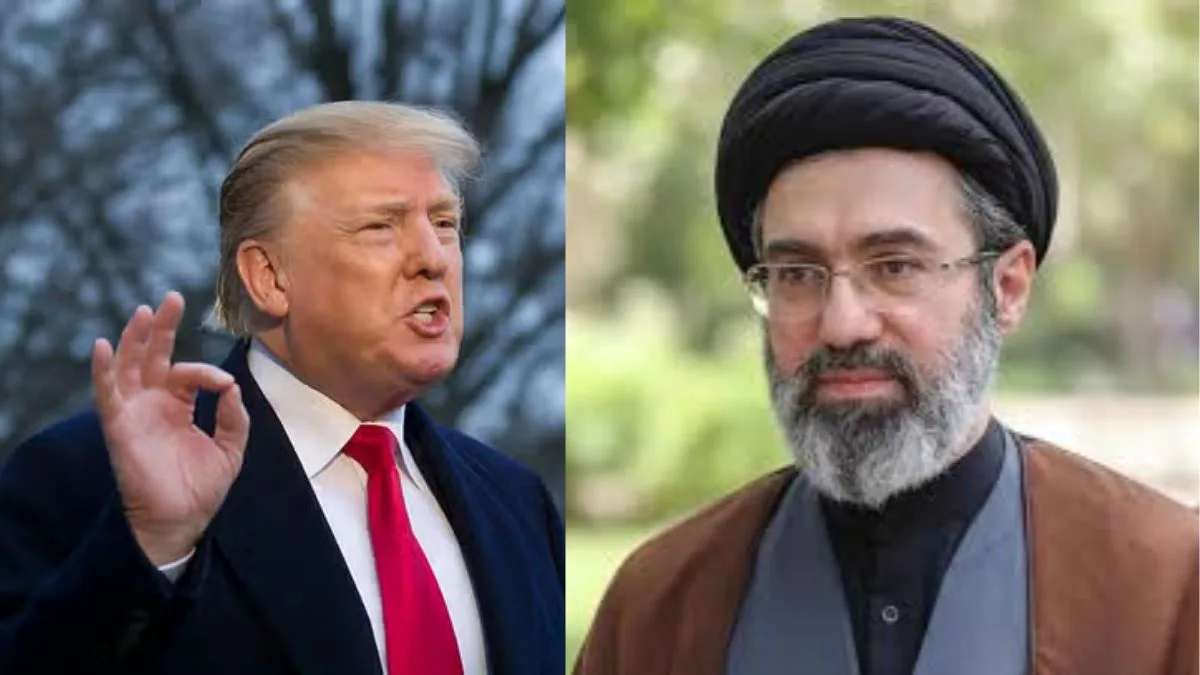
In a major last-minute diplomatic breakthrough, the United States and Iran, along with their allies, have agreed to an immediate ceasefire across the region, including Lebanon.
The ceasefire, which will last for two weeks initially, was announced just hours before a US deadline for further military action. It follows intense behind-the-scenes mediation led by Pakistan, helping to pause rising tensions and ongoing strikes.
Pakistani Prime Minister Shehbaz Sharif shared the news late on April 7 in a post on X (formerly Twitter). He said both sides had agreed to stop hostilities “effective immediately” and thanked their leadership for taking a wise and responsible step. Click Here To Follow Our WhatsApp Channel
Sharif also invited delegations from both countries to attend peace talks in Islamabad on April 10, 2026, aiming to reach a final agreement and resolve key disputes.
Trump Confirms Pause in Strikes
US President Donald Trump confirmed that American strikes on Iran would be paused for two weeks. He described the deal as a “double-sided ceasefire”.
However, the agreement comes with conditions. The US has asked Iran to allow the complete and safe opening of the Strait of Hormuz, a key route through which around 20% of the world’s oil passes.
Trump said the decision followed direct talks with Pakistan’s leadership, including Prime Minister Shehbaz Sharif and Army Chief Asim Munir.
He also revealed that Iran has presented a 10-point proposal, which could form the basis of a long-term peace deal in the Middle East. According to him, most major issues have already been addressed, and the two-week pause will help finalise the agreement.
A US official confirmed that offensive strikes have stopped, although defensive actions may still continue if needed.
Iran Responds to Ceasefire Deal
Iran’s Supreme National Security Council has accepted the temporary ceasefire but stressed that it does not mean the war has ended.
Iranian Foreign Minister Abbas Araghchi said that if attacks on Iran stop, Iranian forces will also halt their defensive operations.
He added that during the two-week period, safe passage through the Strait of Hormuz will be allowed. However, this will be managed carefully under Iran’s military supervision and technical limits.
Background: Rising Tensions and Pakistan’s Role
The conflict began in late February 2026 and quickly escalated into a major regional crisis involving the US, Israel, and Iran. It has included airstrikes, missile attacks, and disruptions in global oil supply routes.
Pakistan played a key role in reducing tensions. Prime Minister Shehbaz Sharif had earlier urged both sides to step back and give diplomacy a chance.
Pakistani officials, including Army Chief Asim Munir, stayed in contact with both sides through back-channel talks. Reports also suggest that China and Russia supported efforts to calm the situation.
Global Reactions and What Comes Next
Israel has reportedly agreed to the temporary pause, although some officials remain concerned about Iran’s nuclear programme.
The ceasefire has already had a positive impact on global markets, with oil prices falling as fears of further escalation eased.
However, the agreement is temporary and conditional. Both sides have made it clear that this is only a pause, not a permanent peace.
All eyes are now on the upcoming talks in Islamabad on April 10. These discussions could decide whether the ceasefire leads to a lasting solution or if tensions rise again.
This is a fast-developing situation, and more updates are expected in the coming days as the ceasefire is implemented and negotiations begin.
You Might Also Like:
US Rescues Downed Pilot from Iran in High-Risk Operation, Trump Declares “We Got Him”
Dr.Fatemeh Ardeshir-Larijani Ousted from Emory, Visa Revoked After Protests Over Iran Links