Iran Prepared for Long War with US and Israel, Says Security Chief Ali Larijani

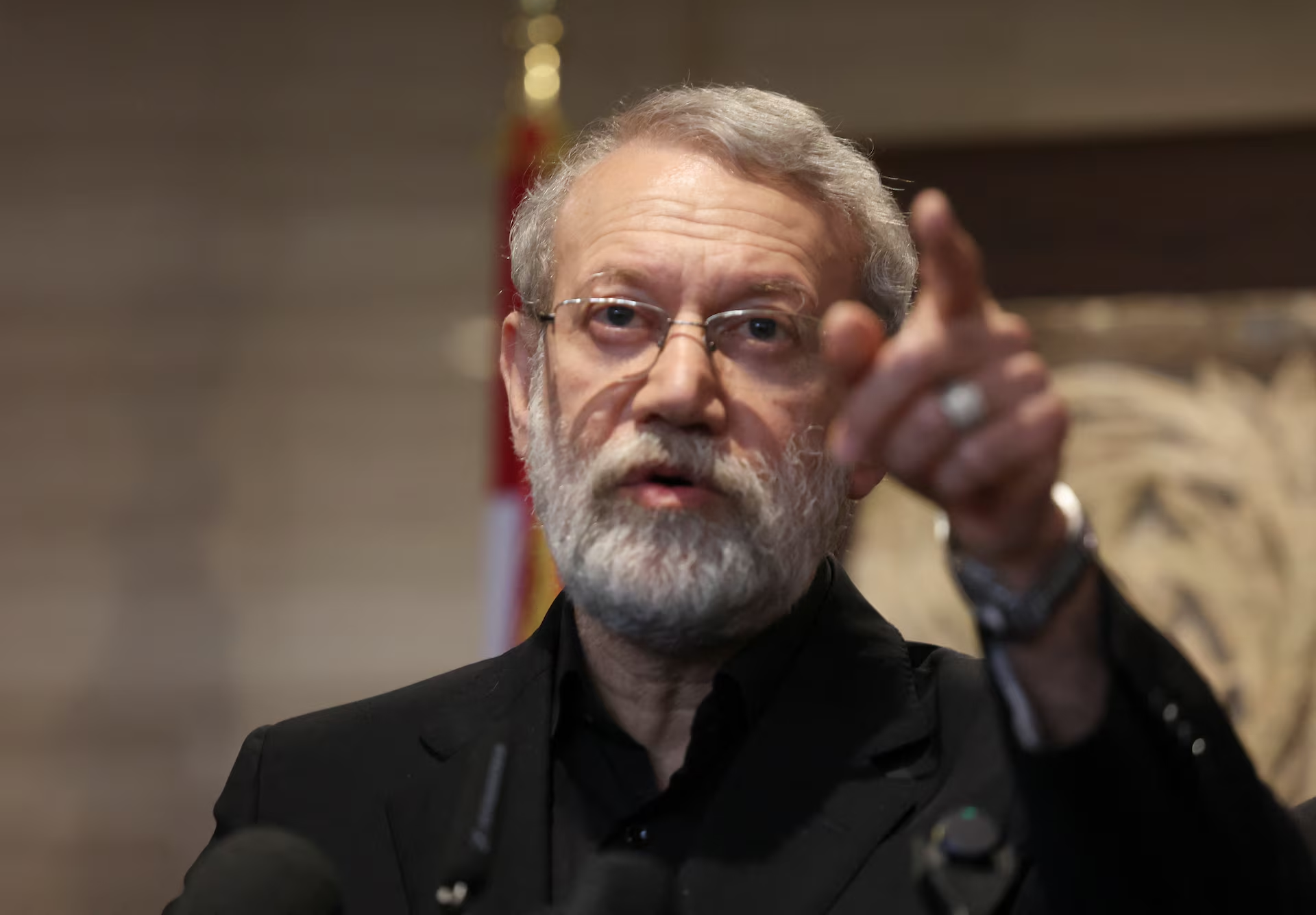
Security Chief Ali Larijani

Iran’s security chief on Monday said the Islamic Republic was prepared for its war with the United States and Israel to last for a long period of time.“Iran, unlike the United States, has prepared itself for a long war,” Ali Larijani, the head of Tehran’s Supreme National Security Council, said in a post on X. Click Here To Follow Our WhatsApp Channel

Larijani added that Iran will defend itself “regardless of costs.”

US air and naval forces, together with Israeli forces, are heavily bombarding Iran and President Donald Trump has said the goal is to destroy the country’s military capacity.In response, Iran has fired missiles at targets in Israel and at US military facilities around the region.

At 13, This Kashmiri Boy Built 31 Apps and AI Tools

Delhi Court Convicts Kashmiri Separatist Asiya Andrabi in UAPA Case

Fresh Explosions Rock Jerusalem as Iran Launches New Missile Strikes on Israel

Fresh Explosions Rock Jerusalem

A series of new explosions were heard above Jerusalem on Monday, AFP journalists reported, after the Israeli military said it had detected fresh missiles launched from Iran.

Iran’s Revolutionary Guards announced on Monday that they had launched missile strikes on Israel’s government in Tel Aviv as well as security and military centers in Haifa and an attack on east Jerusalem. Click Here To Follow Our WhatsApp Channel

Meanwhile, Israel’s military said it was extending the closure of educational establishments and workplaces until 8:00 pm (1800 GMT) on Wednesday, as the joint US-Israeli attack against Iran entered its third day.

“Following a fresh assessment amid the conflict with Iran, the (Israeli military) Home Front Command says restrictions imposed nationwide remain unchanged until Wednesday night. All gatherings, educational activities, and workplaces, except for essential sectors, will remain prohibited,” a military statement said on Monday.

At 13, This Kashmiri Boy Built 31 Apps and AI Tools

Delhi Court Convicts Kashmiri Separatist Asiya Andrabi in UAPA Case

Wife of Iran’s Slain Supreme Leader Dies After Succumbing to Injuries from US-Israeli Strikes

Khamenei Rejects Trump

The wife of Iran’s slain Supreme Leader Ali Khamenei died Monday after succumbing to wounds sustained during the US-Israeli attack, Iranian state media reported. Click Here To Follow Our WhatsApp Channel

Mansoureh Khojasteh Bagherzadeh, 79, had been in a coma since strikes on Saturday killed Khamenei, the Tasnim news agency said.

At 13, This Kashmiri Boy Built 31 Apps and AI Tools

Delhi Court Convicts Kashmiri Separatist Asiya Andrabi in UAPA Case

Mojtaba Khamenei Emerges as Strong Contender for Iran’s Next Supreme Leader

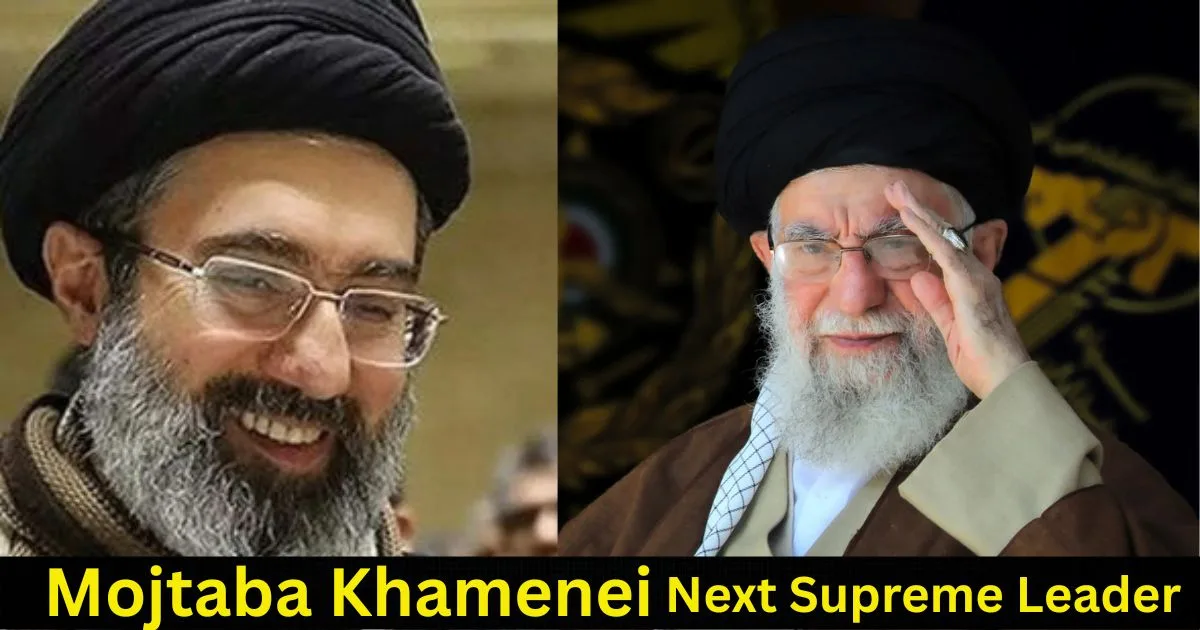
Mojtaba Khamenei


In the chaotic wake of Ayatollah Ali Khamenei’s reported death, Mojtaba Khamenei — long described by analysts as a powerful behind-the-scenes actor — has surfaced in social and some media narratives as a leading contender to become Iran’s next Supreme Leader. While no formal appointment has been announced and the constitutional process remains the decisive step, several structural and political factors elevate Mojtaba’s standing in the current succession scramble. (Reuters) Click Here To Follow Our WhatsApp Channel


Why Mojtaba’s name now carries weight

Mojtaba Khamenei has for years been portrayed in reporting as an influential gatekeeper inside Iran’s power corridors, with close ties to security institutions and a reputation for controlling access to the late Supreme Leader. Unlike many senior clerics who rose through visible public office, Mojtaba’s power has been described as informal and opaque — exercised through networks rather than established posts. That behind-the-scenes position, combined with the urgency created by a sudden leadership vacuum, helps explain why his name is now prominent in discussion about succession. (Reuters)


Constitutional route — why announcements matter

Iran’s constitution vests the authority to choose a Supreme Leader in the 88-member Assembly of Experts, which must convene, vet candidates and elect a leader. The Assembly’s decision — made behind closed doors — is the only legally binding route to a new Supreme Leader. Until it meets and issues a formal declaration, any media or social-media claims about appointments remain unverified and politically fraught. International outlets and Iranian state media have so far emphasised interim arrangements rather than a finished selection. (Reuters)


What strengthens Mojtaba’s claim

  1. Proximity to power: Analysts note Mojtaba’s sustained access to the late leader and his informal role as an adviser and gatekeeper. In a crisis, proximity and continuity matter — and those seen as close to the centre can leverage that for a transition. (Reuters)
  2. Security establishment links: Reports routinely link him to senior figures in Iran’s security apparatus including the Islamic Revolutionary Guard Corps, giving him influence over personnel and institutional levers that matter in times of instability. Such ties can translate into swift consolidation of support if key security actors back him. (Reuters)
  3. Perceived continuity: For factions that prioritise regime survival and continuity over ideological purity or clerical pedigree, a candidate who symbolises continuity can be attractive — especially amid ongoing hostilities and external pressure. (The National)

Obstacles and vulnerabilities

Despite those advantages, several serious obstacles could block or complicate any direct elevation of Mojtaba:

  • Clerical credentials: The Supreme Leader has traditionally been a senior marjaʿ or high-ranking cleric with recognised theological authority. Mojtaba, although a cleric, does not have the same public religious stature as many traditional candidates — a potential legitimacy problem within clerical circles. (The National)
  • Perception of dynastic succession: Appointing a leader from the same family risks the appearance of a hereditary transfer, which would run counter to the anti-monarchical founding ethos of the Islamic Republic and could alienate both clerical elites and public opinion. Analysts warn of factional backlash if the Assembly is seen to rubber-stamp a family succession. (The National)
  • Factional resistance: Hardliners, pragmatic conservatives, and the IRGC may have differing priorities. If influential factions cannot reach consensus, the Assembly’s decision could be contested, heightening internal instability at a moment of external confrontation. (The Guardian)

The interim architecture and political timing

Following state confirmations of the late leader’s death, Iranian authorities signalled temporary leadership arrangements — naming senior state figures to manage affairs pending the Assembly’s decision. Reports suggest President Masoud Pezeshkian and the judiciary chief will be central to this interim management. That pause buys time for the Assembly to convene but also creates a window in which political manoeuvring intensifies: influence over senior clerics, security commanders and regional proxies will be decisive in shaping outcomes. (Reuters)


Domestic and regional implications if Mojtaba were chosen

  • Domestic: A Mojtaba elevation could produce a rapid consolidation with hardline institutions, but it may also trigger protests or quiet resistance among Iranians who resent perceived nepotism. The legitimacy question would be front and centre, influencing everything from domestic security to economic confidence. (The National)
  • Regional: Neighbouring states and non-state actors aligned with Tehran would reassess loyalties and strategy. Israel, Gulf states, and global powers will watch closely: an opaque, security-backed succession could harden policy stances and affect any diplomatic openings. (The Guardian)

International posture and likely reactions

Western and regional media are already parsing social-media claims while urging caution. Major international outlets continue to treat any unverified reports as provisional, stressing that only a formal Assembly decision would settle the matter. Governments and markets will likely react not just to the name of a successor, but to the process by which they were chosen — legitimacy and consensus will matter as much as individual biography. (Reuters)


Bottom line — plausible contender, not a fait accompli

Mojtaba Khamenei is plausibly among the most visible names in the immediate succession conversation because of his informal influence, security ties and proximity to the late leader. Those factors make him a credible contender — especially in a crisis that prizes continuity and control. Yet constitutional procedure, clerical legitimacy, and the risk of factional resistance remain potent constraints. Until the Assembly of Experts formally meets and announces a result, claims of an appointment remain speculative. Observers should therefore watch three variables closely: who secures the IRGC and security leadership’s backing, the positions of leading clerics inside the Assembly, and whether the process is presented to the public as credible and constitutional. (Reuters)


What to watch next (short checklist)

  • Timing and composition of the Assembly of Experts’ emergency session. (Reuters)
  • Any public statements from senior IRGC figures or influential clerics signalling support or opposition. (Reuters)
  • Official announcements from Iranian state media (IRNA, IRIB, Fars) versus social-media leaks. (The Guardian)

At 13, This Kashmiri Boy Built 31 Apps and AI Tools

Delhi Court Convicts Kashmiri Separatist Asiya Andrabi in UAPA Case

Zohran Mamdani and Malala Yousafzai Condemn US–Israel Strikes on Iran, Cite Civilian Toll

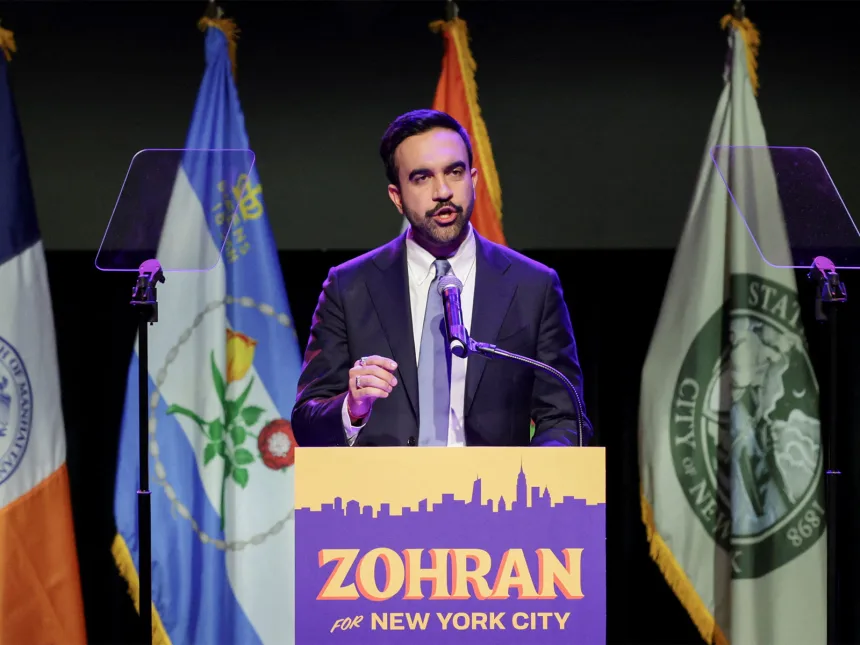
Zohran Mamdani

New York City Mayor Zohran Mamdani on Saturday strongly condemned the joint US–Israel military strikes on Iran, calling them a “catastrophic escalation in an illegal war of aggression.”

In a post on X, Mamdani said the strikes marked a dangerous expansion of conflict.

“Today’s military strikes on Iran — carried out by the United States and Israel — mark a catastrophic escalation in an illegal war of aggression. Bombing cities. Killing civilians. Opening a new theater of war. Americans do not want this. They do not want another war in pursuit of regime change. They want relief from the affordability crisis. They want peace,” he wrote.Click Here To Follow Our WhatsApp Channel

Safety Measures in New York

Mamdani said he has been in contact with the city’s Police Commissioner and emergency management officials to ensure public safety.

“I am focused on making sure that every New Yorker is safe. We are taking proactive steps, including increasing coordination across agencies and enhancing patrols of sensitive locations out of an abundance of caution,” he stated.

Addressing Iranian New Yorkers directly, he added that they remain an important part of the city’s community and would be protected.

Malala Yousafzai Condemns Strike on Girls’ School

Nobel Peace Prize laureate Malala Yousafzai also strongly criticised the strikes, particularly reports of an attack on a girls’ elementary school in Minab, southern Iran.

According to Al Jazeera, more than 50 people were initially reported killed in the strike on the school, with the toll later rising above 80 as rescue teams searched through rubble. Footage showed schoolbags and books scattered among debris.

In her post on X, Malala said:

“They were girls who went to school to learn, with hopes and dreams for their future. Today, their lives were brutally cut short. I am heartbroken and appalled by the U.S. and Israeli strikes on Iran… The killing of civilians, especially children, is unconscionable, and I condemn it unequivocally.”

She called for an immediate end to the escalation of violence and urged all parties to follow international law to protect civilians and schools.

“My heart is with the children, families and communities affected… Justice and accountability must follow. All states and parties must uphold their obligations under international law to protect civilians and safeguard schools,” she added.

The reactions come amid rapidly rising tensions in the region following the joint US–Israel operation against Iran.

At 13, This Kashmiri Boy Built 31 Apps and AI Tools

Delhi Court Convicts Kashmiri Separatist Asiya Andrabi in UAPA Case

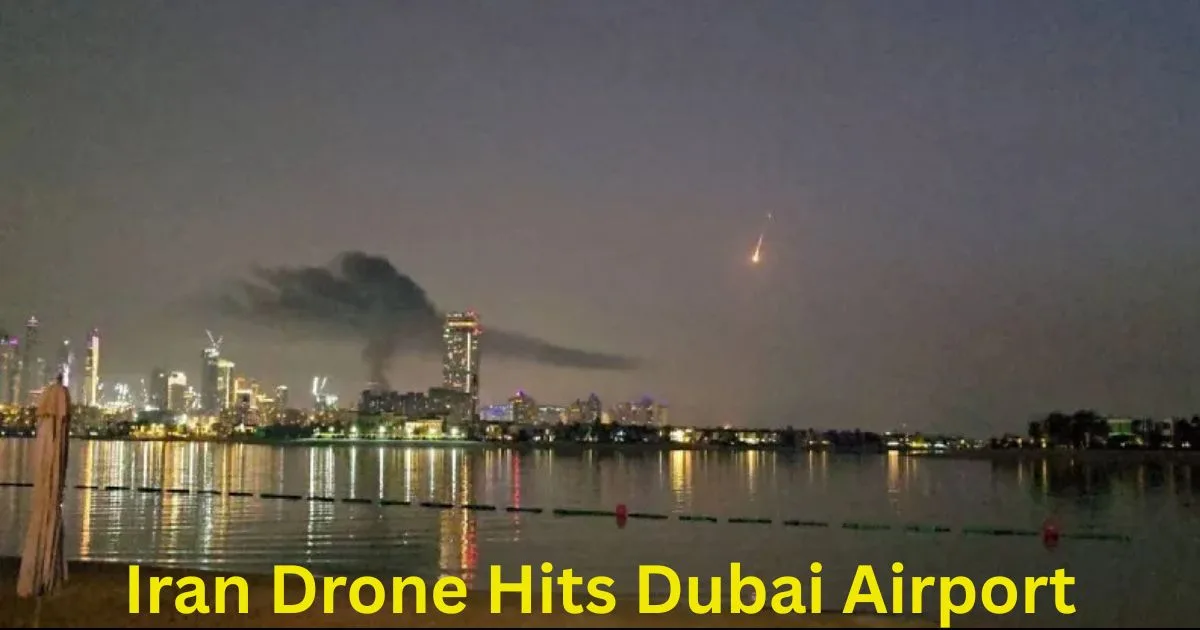
Iran Drone Hits Dubai Airport After US–Israel Strikes, Four Injured as Regional Crisis Deepens

Iran Drone Hits Dubai Airport

Amidst a US-Israel joint attack on Iran, four people were injured after an Iranian drone struck Dubai International Airport, causing reported damage inside a passenger terminal, according to Al Jazeera.

Emergency teams were dispatched immediately in coordination with relevant authorities, Al Jazeera said, citing Dubai Airports’ media office.

The incident occurred amid escalating tensions in the region, following joint missile strikes by the United States and Israel on Iran. Large explosions were reported in Tehran and other major cities. Iranian state media claimed that Iran’s Supreme Leader, Ayatollah Ali Khamenei, was killed in the attacks.Click Here To Follow Our WhatsApp Channel

As per Reuters, citing the state media, 40 days of public mourning have been announced in Iran after Khamenei’s death.

Earlier, the Times of Israel cited Iran’s state media reporting that Ali Khamenei’s daughter, grandchild, daughter-in-law, and son-in-law were killed in Israeli-US strikes. The Israeli newspaper said that there is no official word on the fate of Khamenei himself.

CNN reported news of celebrations in several cities in Iran. According to the news report, whistling, cheering and slogans of ‘Death to the Islamic Republic’ and ‘Long live the Shah’ were heard on the streets of the cities.

Fox News posted a video and reported that Iranians were celebrating the death of Khamenei on the streets of Besat Town, a suburb of Karaj, Iran.

Former Spokesperson for the state of Israel Eylon A Levy posted another celebration video on X, saying, “Iranian women are dancing in the streets–without hair coverings–after hearing that Israel killed the tyrant Khamenei. So many Western leaders should feel ashamed at their cowardly response this morning. We will all remember.”

Iranian activist and Journalist, Masih Alinejad, posted another video with the message, “A video of Iranian people celebrating inside Iran, Am I dreaming? Hello, new world.”

Earlier, the death of the Ayatollah was claimed by US President Donald Trump, calling it justice for the people of Iran.

In a post on Truth Social, Trump said, “Khamenei, one of the most evil people in History, is dead. This is not only Justice for the people of Iran, but for all Great Americans, and those people from many Countries throughout the World, that have been killed or mutilated by Khamenei and his gang of bloodthirsty THUGS…The heavy and pinpoint bombing, however, will continue, uninterrupted throughout the week or, as long as necessary to achieve our objective of PEACE THROUGHOUT THE MIDDLE EAST AND, INDEED, THE WORLD.” (ANI)

At 13, This Kashmiri Boy Built 31 Apps and AI Tools

Delhi Court Convicts Kashmiri Separatist Asiya Andrabi in UAPA Case

Iran Begins 40-Day Mourning for Khamenei as Power Struggle and Street Celebrations Shape Uncertain Future

Khamenei Rejects Trump

Iran is observing 40 days of public mourning following the death of Ayatollah Ali Khamenei, Reuters reported, citing Iranian state media. In Shia Islam, the 40th day after death (Arba’een) holds immense spiritual weight.

The death occurred following strikes by the US and Israel (Operation Epic Fury/Lion’s Roar) on Saturday. By announcing exactly 40 days of mourning, the government is leaning into a powerful cultural script, providing the clerical establishment time to manage the transition behind closed doors. Click Here To Follow Our WhatsApp Channel

The country’s Supreme Leader’s office has declared a period of national mourning, with flags flying at half-mast and public gatherings planned to pay respects, marking the closing of a 37-year chapter in the Islamic Republic’s history.

Ayatollah Khamenei was the successor to the Revolution’s founder, Ruhollah Khomeini. Since 1989, his “story” was one of unwavering defiance against Western influence.

Authorities have heightened security across the country, particularly in major cities like Tehran, to prevent unrest and ensure public safety.

Attention is focused on the process of selecting Khamenei’s successor, with speculation about potential candidates and the impact on Iran’s future leadership. However, meeting under wartime conditions is difficult, and the question remains, who “owns” the future of the Republic–the clerics or the Revolutionary Guard– the most urgent cliffhanger.

His death is being portrayed by state media as the Martyrdom of the Guardian, framing his end not as a defeat, but as a final sacrifice for the sovereignty of the nation.

The official Farsi account of Ayatollah Ali Khamenei acknowledged his death and posted a verse from the Quran on X in the early hours of Sunday. As per Tasnim News, Khamenei was killed while at the workplace in the early hours of Sunday.

The official Farsi page posted on X a verse from Surah Al-Ahzab, 33:23, which translates to “Among the believers are men who have been true to the covenant they made with Allah. Some of them have fulfilled their vow [by death], and some are still waiting, and they have not changed [their commitment] in the least.”

According to Tasnim News, Khamenei was killed in the early hours of Sunday while in office. It said on X, “The Supreme Leader of the Islamic Revolution was martyred at their workplace in the Leader’s Residence. They were engaged in performing their assigned duties and present at their workplace (their office) at the moment of martyrdom, and this cowardly attack occurred in the early hours of Sunday morning.”

Earlier, the Times of Israel cited Iran’s state media reporting that Ali Khamenei’s daughter, grandchild, daughter-in-law, and son-in-law were killed in Israeli-US strikes. The Israeli newspaper said that there is no official word on the fate of Khamenei himself.

The front page of the Jerusalem Post also carried the news of the death of Ayatollah Khamenei.

Meanwhile, various reports emanating from Iran suggest that crowds have come out on the streets to celebrate.

CNN reported news of celebrations in several cities in Iran. According to the news report, whistling and cheering and slogans of ‘Death to the Islamic Republic’ and ‘Long live the Shah’ were heard on the streets of the cities.

Fox News posted a video and reported that Iranians were celebrating the death of Khamenei on the streets of Besat Town, a suburb of Karaj, Iran.

Former Spokesperson for the state of Israel Eylon A Levy posted another celebration video on X, saying, “Iranian women are dancing in the streets–without hair coverings–after hearing that Israel killed the tyrant Khamenei. So many Western leaders should feel ashamed at their cowardly response this morning. We will all remember.”

Iranian activist and Journalist, Masih Alinejad, posted another video with the message, “A video of Iranian people celebrating inside Iran, Am I dreaming? Hello, new world.”

In another self-made video, Alinejad further said, “Every morning I wake up reading that my people are being killed by Ali Khamenei. But this is the first morning in my life that I get the good news and I want to run. I want to just run and shout, and shout out of joy.”

Reports coming out of London also showed videos of expatriate Iranians and Israelis dancing and celebrating side by side on the streets of London.

Earlier, exiled Iranian crown prince Reza Pahlavi urged Iranians to unite and support a “stable transition to a free and prosperous future” after the death of Supreme Leader Ali Khamenei, calling any attempt by the regime to appoint a successor “doomed to fail”.

He also warned that efforts to preserve the collapsing regime would not succeed.

In a post on X, Pahlavi wrote, “My fellow compatriots, Ali Khamenei, the bloodthirsty despot of our time, the murderer of tens of thousands of Iran’s bravest sons and daughters, has been erased from the face of history. With his death, the Islamic Republic has in effect reached its end and will very soon be consigned to the dustbin of history. Any attempt by the remnants of the regime to appoint a successor to Khamenei is doomed to fail from the outset. Whoever they place in his stead will have neither legitimacy nor longevity, and will undoubtedly be complicit in the crimes of this regime as well. To the military, law enforcement, and security forces: any effort to preserve a collapsing regime will fail. This is your final opportunity to join the nation, to help ensure Iran’s stable transition to a free and prosperous future, and to take part in building that future.”

Pahlavi said the death of Khamenei could bring comfort to the families of those who lost their lives in Iran’s Lion and Sun National Revolution, urging the people to remain vigilant and united.

Earlier, the death of the Ayatollah was claimed by US President Donald Trump, calling it justice for the people of Iran.

In a post on Truth Social, Trump said, “Khamenei, one of the most evil people in History, is dead. This is not only Justice for the people of Iran, but for all Great Americans, and those people from many Countries throughout the World, that have been killed or mutilated by Khamenei and his gang of bloodthirsty THUGS…The heavy and pinpoint bombing, however, will continue, uninterrupted throughout the week or, as long as necessary to achieve our objective of PEACE THROUGHOUT THE MIDDLE EAST AND, INDEED, THE WORLD.” (ANI)

At 13, This Kashmiri Boy Built 31 Apps and AI Tools

Delhi Court Convicts Kashmiri Separatist Asiya Andrabi in UAPA Case

Ayatollah Ali Khamenei Killed in Joint US–Israel Strikes, Iran Vows Retaliation as Regional War Fears Rise

Ayatollah Ali Khamenei Killed

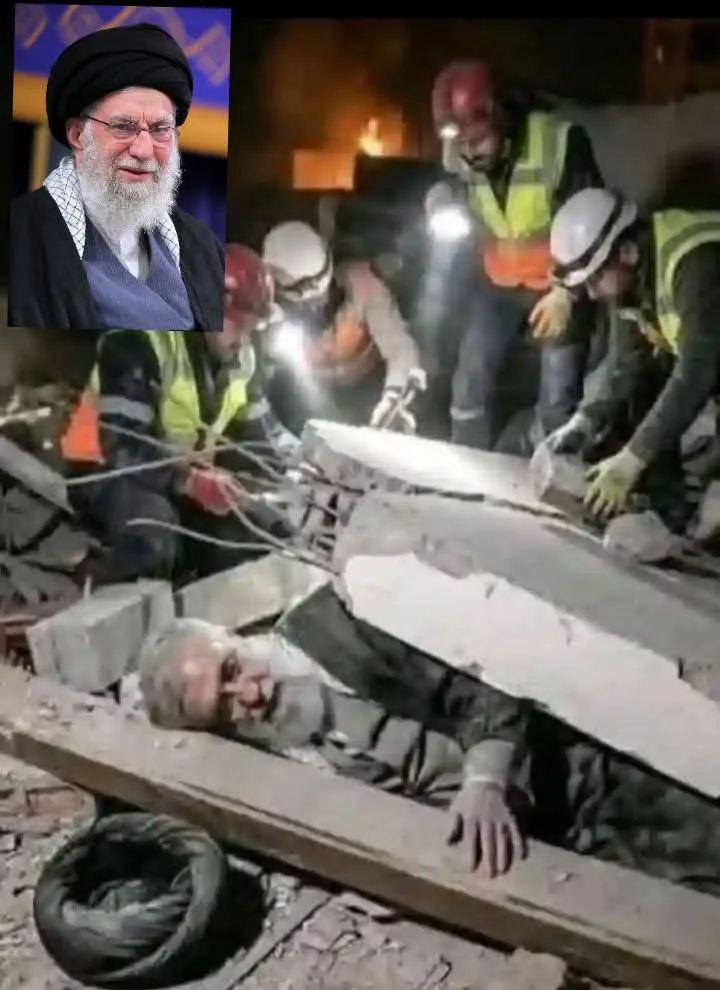
Ayatollah Ali Khamenei, the Supreme Leader of Iran who held ultimate authority over the Islamic Republic for nearly four decades, has been confirmed dead at the age of 86 following massive joint airstrikes carried out by the United States and Israel. The strikes, which began early Saturday local time (February 28, 2026), targeted key military, nuclear, and leadership sites across Iran, marking one of the most significant military escalations in the Middle East in recent history. Click Here To Follow Our WhatsApp Channel

Iranian state media, including the Islamic Republic of Iran Broadcasting (IRIB), Fars News Agency, and the official IRNA outlet, announced Khamenei’s death early Sunday, describing it as “martyrdom.” A state television presenter was visibly emotional, reportedly breaking down in tears while reading an official statement from Iran’s Supreme National Security Council. The announcement confirmed that Khamenei was killed in his office within his high-security compound in Tehran while “performing his assigned duties” during the initial wave of attacks.

US President Donald Trump first broke the news on his Truth Social platform late Saturday, declaring: “Khamenei, one of the most evil people in history, is dead.” Trump framed the operation as delivering “justice” for victims of Iranian-backed actions and reiterated calls for regime change in Tehran, stating that “heavy and pinpoint bombing” would continue “uninterrupted throughout the week or as long as necessary.”

Israeli officials, including Defense Minister Israel Katz, described the campaign — dubbed “Operation Roaring Lion” by some sources — as having eliminated Khamenei in an opening strike, along with other senior figures. Reports indicate that multiple relatives of Khamenei, including a daughter, grandchild, daughter-in-law, and son-in-law, were also killed in the assault on his compound. Satellite imagery reviewed by international outlets showed extensive destruction at the site.

The strikes targeted not only leadership but also Iran’s nuclear facilities, military command centers, and other strategic assets, according to US and Israeli sources. The operation has drawn widespread international attention, with Russia condemning it as an “unprovoked act of armed aggression” and the UN Secretary-General expressing regret over missed diplomatic opportunities.

Iran’s Retaliation and Regional Fallout

In response, Iran’s military has launched waves of missiles and drones targeting Israel and US military bases across the region, including sites in Bahrain, Kuwait, Qatar, Jordan, the United Arab Emirates, and Iraq. Iranian officials have vowed the “most devastating” retaliation, with fresh strikes reported on Sunday. Air raid sirens sounded in Israel, and explosions were heard in Gulf cities such as Dubai and Doha.

The conflict has rapidly expanded beyond previous Iran-Israel exchanges, drawing in multiple countries and raising fears of a broader regional war.

Mixed Reactions Inside Iran

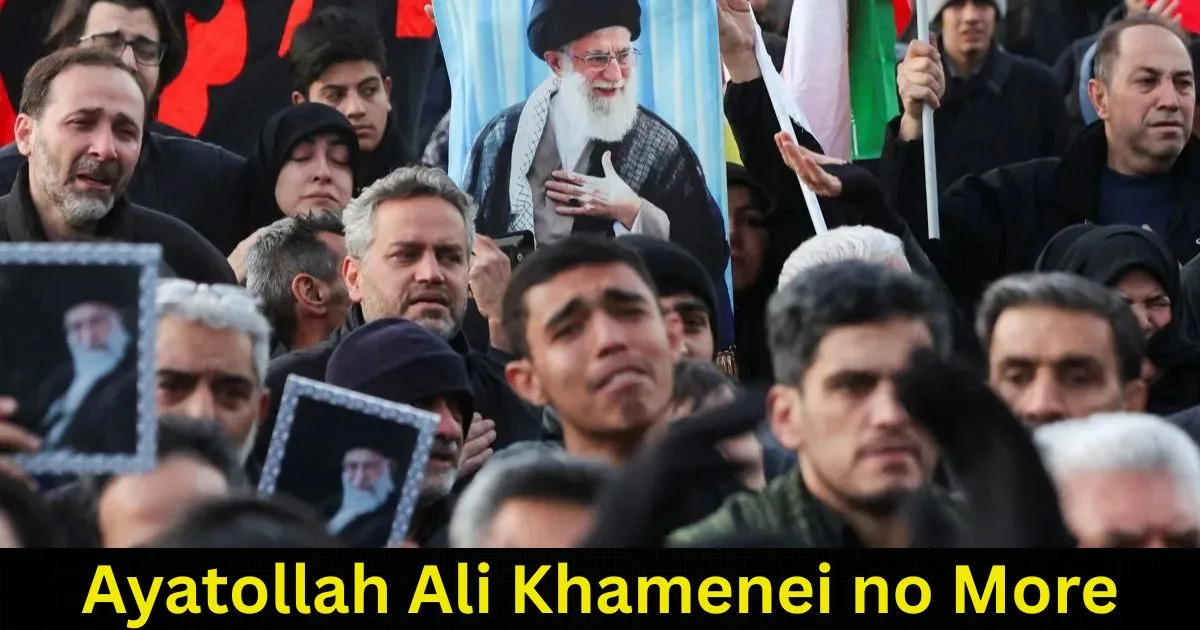
Public reactions in Iran remain sharply divided. State media and reports from cities like Tehran and Isfahan showed large crowds gathering in mourning processions, with black-clad participants chanting vows of revenge and solidarity. Iran’s parliament speaker stated the country had prepared for “all scenarios,” including leadership transitions.

However, some unverified reports and social media footage suggested celebrations in certain areas, including the toppling of statues associated with the regime, particularly among opponents who have long criticized Khamenei’s hardline rule, suppression of protests, and regional proxy conflicts.

Iran has declared a 40-day national mourning period, referring to Khamenei’s death as martyrdom.

Succession Uncertainty

Khamenei’s death leaves a significant power vacuum. He ruled Iran since succeeding Ayatollah Ruhollah Khomeini in 1989, overseeing the country’s transformation into a regional power while maintaining fierce opposition to the US and Israel. No clear successor has emerged immediately. Previous presumed heir Ebrahim Raisi died in a 2024 helicopter crash. Discussions have surfaced about a potential transition council or the role of figures like Khamenei’s son Mojtaba, though the process remains uncertain amid ongoing military pressure.

Iranian officials have indicated a transitional period is underway, with the president and other bodies managing affairs for now.

This fast-moving situation continues to evolve, with additional strikes reported and global powers monitoring closely. The killing of Khamenei represents a pivotal moment that could reshape Iran’s domestic politics, its nuclear ambitions, and the balance of power in the Middle East. Live coverage from major outlets including BBC, CNN, Reuters, AP, The Guardian, Al Jazeera, and others remains essential for the latest developments.

At 13, This Kashmiri Boy Built 31 Apps and AI Tools

Delhi Court Convicts Kashmiri Separatist Asiya Andrabi in UAPA Case

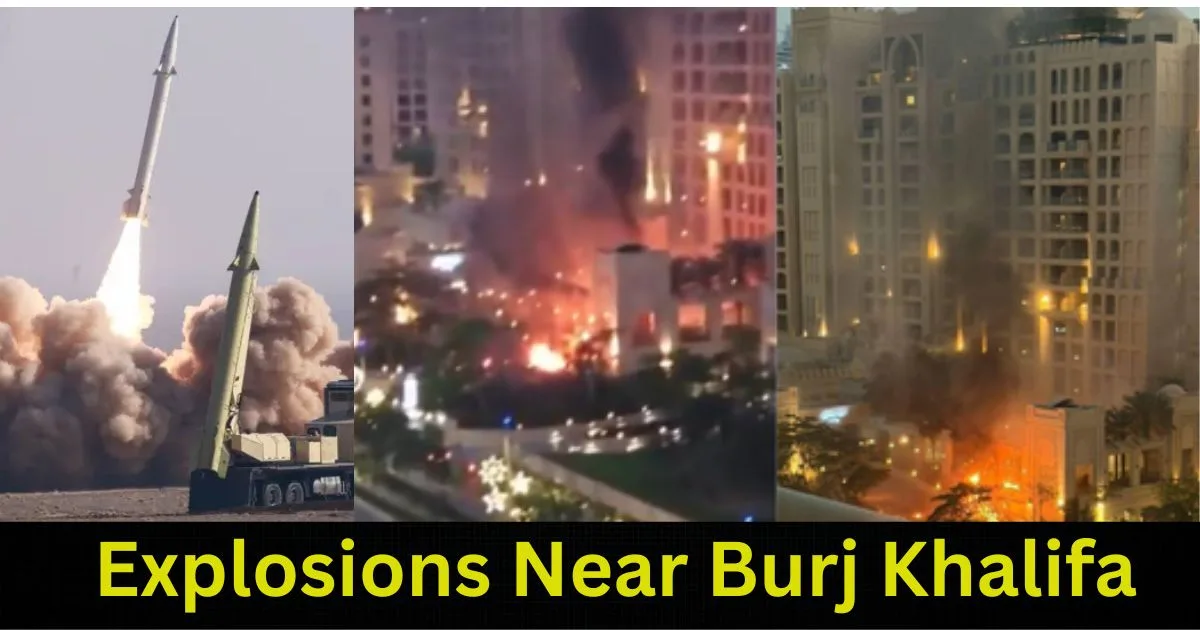
Dubai Under Alert: Explosions Near Burj Khalifa Amid Iranian Retaliatory Strikes

Explosions Near Burj Khalifa

The United Arab Emirates faced intense tension late Saturday as Iran launched ballistic missiles and drones targeting Gulf states hosting US military facilities, in retaliation for recent US-Israeli strikes on Iranian targets.

Explosions echoed across Dubai, with residents reporting loud blasts, shaking buildings, and visible missiles streaking through the sky. The iconic Burj Khalifa, the world’s tallest building at 828 meters, was evacuated as a precautionary measure amid air raid sirens and nearby interceptions.

Videos circulating on social media and news outlets captured smoke plumes, bright flashes, and apparent drone activity near the Burj Khalifa and surrounding areas like Downtown Dubai. Some footage showed explosions in the skyline vicinity, prompting viral claims of a “direct hit” on the tower.

However, official reports and eyewitness accounts confirm no direct strike on the Burj Khalifa itself. UAE air defense systems intercepted most incoming threats with high efficiency, though debris from interceptions caused limited damage elsewhere.

Key incidents include:

  • A fire at the Fairmont Hotel on Palm Jumeirah, reportedly from missile debris, injuring four people (fire later controlled).
  • One civilian fatality in Abu Dhabi from falling shrapnel.
  • Smoke and blasts near Dubai Marina and other districts.

The UAE Ministry of Defence described the Iranian actions as a “blatant attack” and emphasized successful interceptions with minimal material damage. Dubai International Airport (DXB) and Al Maktoum International (DWC) suspended operations, and residents were urged to stay indoors.

Despite the chaos, the Burj Khalifa’s regular light show proceeded on schedule in some updates, signaling no structural impact to the landmark.

This escalation follows joint US-Israeli operations against Iran, drawing in Gulf nations and closing regional airspace. Authorities continue monitoring for further threats, with calls for de-escalation amid fears of broader conflict.

Stay updated via official UAE sources and international news for the latest developments.

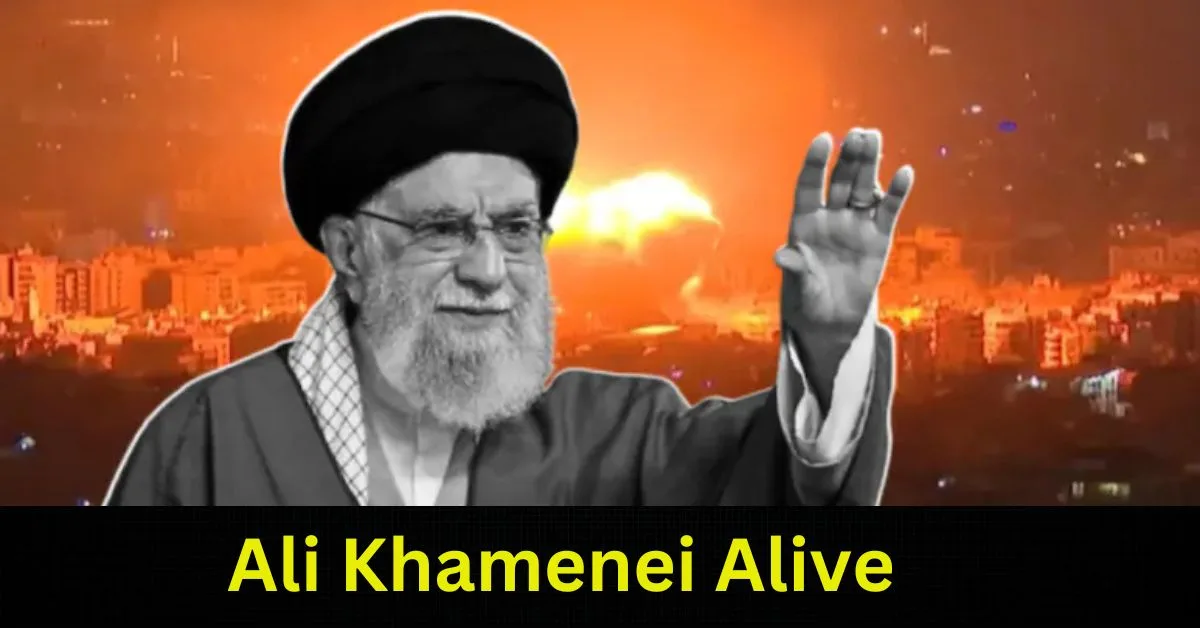
Ali Khamenei Alive After US-Israel Strikes, Says Abbas Araghchi Amid Rising Tensions

Ali Khamenei

Tensions in the Middle East sharply increased after joint airstrikes by the United States and Israel reportedly targeted key Iranian military and strategic sites. Soon after the attacks, rumours spread on social media and some international outlets that Iran’s Supreme Leader, Ali Khamenei, may have been killed or seriously injured. Click Here To Follow Our WhatsApp Channel

However, Iran has strongly denied these claims.

Iran Rejects Death Rumours

Iran’s Foreign Minister, Abbas Araghchi, clearly said that Khamenei is alive. In an interview with an American news channel, he stated:

“As far as I know, Khamenei is still alive. President Masoud Pezeshkian is alive. All high-ranking officials are alive and managing the situation.”

Araghchi admitted that Iran may have lost “one or two commanders” in the strikes, but he said the country’s leadership structure remains strong and operational.

What Happened in the Strikes?

According to Iranian officials, the airstrikes hit military bases, missile facilities, and nuclear-related sites. Some reports also suggested that areas near Khamenei’s compound in Tehran were targeted.

Satellite images shared by different media outlets showed smoke and visible damage around certain high-security zones. This led to immediate speculation that senior leaders, including Khamenei, might have been among the targets.

Israeli media reports, quoting unnamed sources, claimed there were “growing indications” that the 86-year-old Supreme Leader had been injured or killed. Some reports even suggested that disrupting Iran’s command system was one of the main aims of the operation.

But Iranian authorities have dismissed these claims as propaganda.

Leaders Moved to Secure Locations

Araghchi explained that senior Iranian leaders had been shifted to secure places before the strikes. He said such precautions are common when there is a serious threat.

Iranian state media also reported that Khamenei is expected to deliver a speech or a recorded message soon. If this happens, it will further confirm that he survived the attacks.

So far, there has been no live public appearance, but officials insist that the leadership is fully in control.

Growing Regional Tensions

The strikes are part of a larger conflict between Iran and Israel, which has been worsening in recent years. The United States has also increased its involvement.

In Washington, President Donald Trump addressed the nation, saying the operation was necessary to counter what he described as Iranian threats. He also reportedly offered protection to members of Iran’s Islamic Revolutionary Guard Corps (IRGC) if they choose to stand down.

Iran has responded by launching missile attacks on US bases in the region. Tehran says it has the right to defend itself but also claims it does not want to target Gulf countries or start a wider war.

Risk of Wider Conflict

The situation remains very tense. Several countries in the region have closed parts of their airspace. Flights have been cancelled, and global markets are reacting with concern.

Experts warn that if the fighting continues, it could lead to a larger regional conflict involving multiple countries. Such a conflict would not only affect the Middle East but could also impact global peace, oil supplies, and international trade.

What Happens Next?

At this moment, the most important question is whether tensions will calm down or grow further. Much depends on Iran’s next moves and whether Israel and the United States continue their military actions.

For now, Iranian officials firmly say that Ali Khamenei is alive and leading the country. They describe the death reports as false and politically motivated.

The world is watching closely as events unfold in a region already facing deep instability.

At 13, This Kashmiri Boy Built 31 Apps and AI Tools

Delhi Court Convicts Kashmiri Separatist Asiya Andrabi in UAPA Case