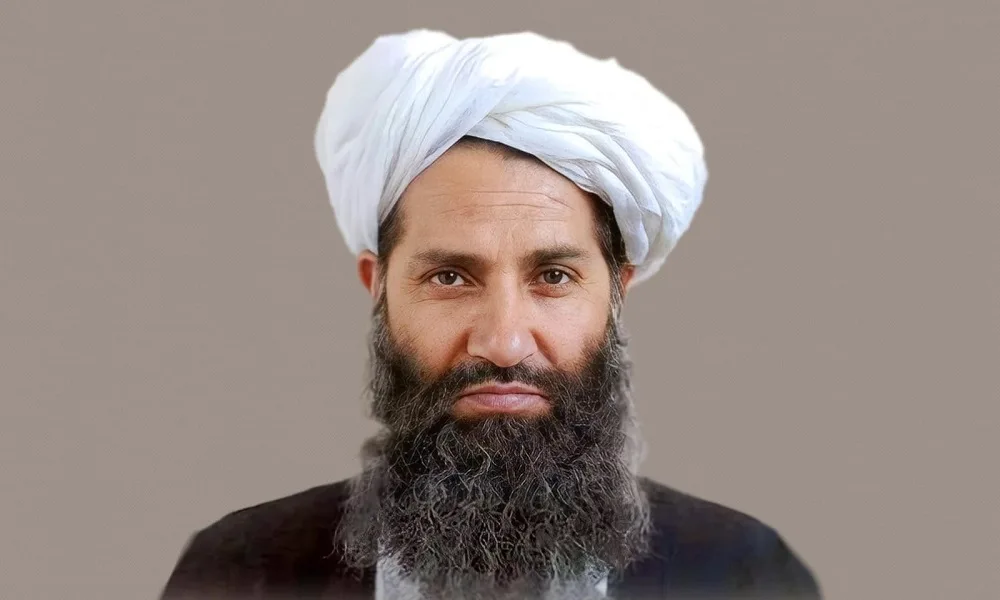
Amid the ongoing “open war” between Pakistan and Afghanistan’s Taliban regime, unconfirmed reports circulating on social media and some media outlets allege that Taliban Supreme Leader Hibatullah Akhundzada (also spelled Haibatullah or Hibatullah Akhundzada) has been killed in Pakistani airstrikes as part of Operation Ghazab Lil Haq (“Righteous Fury”).
The claims, which surfaced prominently on February 27, 2026, suggest Akhundzada died alongside senior Taliban commanders during precision strikes targeting military headquarters and facilities in Kabul, Kandahar (widely regarded as his base and the Taliban’s spiritual stronghold), and other locations. Sources including OSINT accounts (such as OSINT Europe), viral clips on platforms like X, and reports from outlets like IntelliNews, Sunday Guardian, WION, and Firstpost have amplified these rumors, often citing social media posts as the origin.Click Here To Follow Our WhatsApp Channel
Pakistan’s military operation, launched in response to Taliban cross-border attacks, has involved airstrikes on alleged terrorist infrastructure, with Pakistani officials (including DG ISPR briefings) claiming significant casualties: 274 Taliban personnel killed, over 400 injured, dozens of posts destroyed, and control seized over several checkpoints. Strikes reportedly hit key sites like infantry brigade headquarters in Kabul and Kandahar, with explosions visible in the Afghan capital.
However, no official confirmation has come from either side:
- The Taliban has not issued any statement acknowledging Akhundzada’s death or even addressing leadership-level losses. Past rumors about the reclusive leader’s health or demise have been denied or ignored to maintain internal unity.
- Pakistani authorities, including the military and government spokespersons, have detailed strikes on military and terrorist targets but have made no mention of targeting or eliminating Akhundzada specifically.
- International media (e.g., CNN, The New York Times, Washington Post) report on the broader escalation—including Pakistan’s declaration of “open war” and mutual border clashes—but describe the death claims as unverified or speculative, originating from social media and lacking independent verification.
Akhundzada, the Taliban’s supreme leader since 2016, maintains an extremely low public profile with almost no photographs, rare appearances, and limited direct communication—factors that have fueled periodic speculation about his status in the past.
The fluid situation follows intense exchanges: Afghan forces attacked Pakistani border positions on February 26, prompting Pakistan’s retaliatory airstrikes early February 27. Casualty figures vary widely between the two sides, with Afghanistan downplaying losses and calling Pakistani actions “cowardly.”
As of late February 27, 2026 (evening IST), the reports remain rumors without substantiation. Any confirmation of a leadership change would mark a major development in the conflict and the Taliban’s internal dynamics. The international community, including calls for de-escalation from Russia, Iran, China, and others, continues to monitor the rapidly evolving border crisis closely.
Further updates will depend on official statements from Kabul or Islamabad.”
You Might Also Like:
At 13, This Kashmiri Boy Built 31 Apps and AI Tools
Delhi Court Convicts Kashmiri Separatist Asiya Andrabi in UAPA Case
Why Is Omar Abdullah Silent as a Kashmiri Shawl Seller Is Brutally Attacked in Uttarakhand?