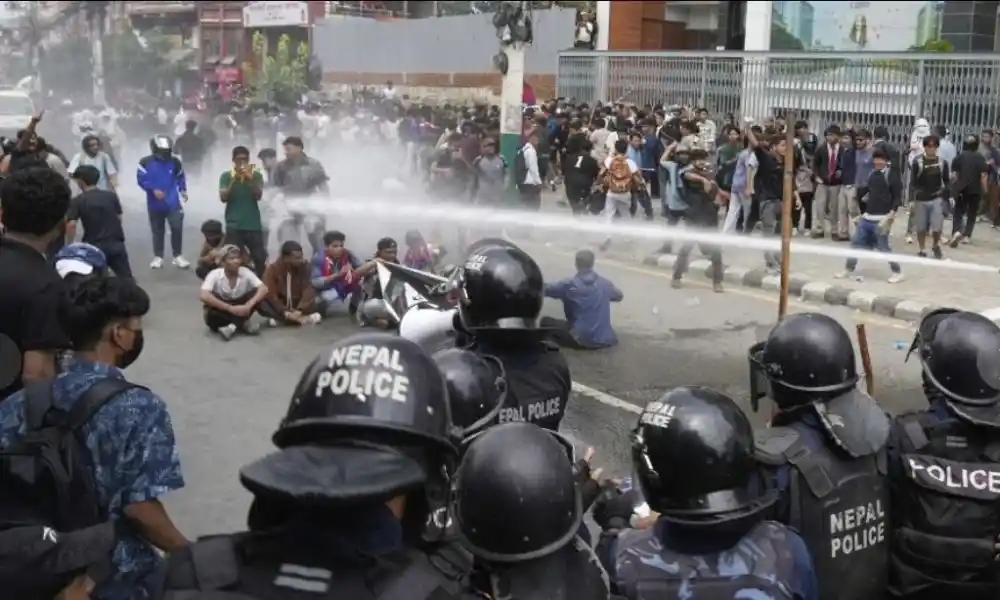
Nepal has plunged into turmoil after two days of fierce youth-led protests turned deadly. Prime Minister K.P. Sharma Oli has resigned following widespread anger over corruption, authoritarian measures, and a controversial ban on social media platforms. At least 19 people have been killed in violent clashes, and protesters set fire to the private homes of top leaders, including Oli’s residence in Balkot. The unrest forced the temporary closure of Kathmandu’s international airport and triggered a nationwide curfew.
What Triggered the Unrest
The immediate spark was a sweeping ban on social media platforms such as Facebook, X, YouTube, and others. The government claimed the move was necessary to combat misinformation, but many saw it as an attack on free speech and dissent. Nepal’s Gen Z, already frustrated with corruption and unemployment, took to the streets in large numbers. Even after the government lifted the ban, the demonstrations continued, evolving into a broader movement demanding accountability and reform.
A Deadly Escalation
Protests began as peaceful sit-ins but soon escalated into violent confrontations with police. Security forces used tear gas, rubber bullets, and in some cases live rounds to disperse crowds. By evening, at least 19 people had died and more than 100 were injured. The following day, protesters turned their anger toward symbols of power, torching political offices and private residences of leaders. Oli’s family home in Balkot was set ablaze, while several other senior officials’ homes were vandalised.
Oli’s Resignation
Amid mounting pressure and nationwide fury, Prime Minister Oli announced his resignation, calling it a “sacrifice for stability.” He admitted mistakes had been made in handling the protests and the controversial social media ban but urged the public to embrace dialogue and peace. His resignation, however, has not calmed the streets, with demonstrators demanding further accountability and early elections.
Key Flashpoints
- Kathmandu Valley: Protests turned violent as crowds clashed with police, leading to widespread arson and vandalism. Parts of the historic Singha Durbar complex and political party offices were attacked.
- Balkot: Oli’s private residence was set on fire by angry protesters.
- Across Nepal: Demonstrations spread to major towns, paralysing businesses, schools, and transportation networks.
Why Gen Z is Leading
Nepal’s younger generation has been at the forefront of the movement. With high youth unemployment, corruption scandals, and limited opportunities, frustration has boiled over. The ban on social media struck a nerve, as digital platforms are central to their daily lives for education, jobs, and activism. The protests reflect not only anger at Oli’s government but also a demand for generational change in politics.
Security and Information Clampdown
Authorities responded with curfews, heavy police presence, and temporary internet restrictions. The closure of Kathmandu’s airport stranded tourists and disrupted trade. While the government has lifted the social media ban, mistrust lingers, and rights groups warn that censorship risks further alienating young citizens.
Political Fallout
Oli’s departure has created a power vacuum. Nepal’s president is now tasked with forming a caretaker or interim government, but political instability and deep public mistrust pose major challenges. Protesters continue to demand fresh elections, stronger anti-corruption measures, and economic reforms.
Regional and Global Reaction
The crisis has drawn international concern. Neighbouring India and China have called for calm, while Western governments have criticised restrictions on free expression. The unrest is also damaging Nepal’s economy, particularly tourism, which is vital for the country’s income.
What Lies Ahead
Nepal stands at a crossroads. The resignation of Oli may be only the beginning of a longer struggle for reform. Key questions remain: Who will lead the caretaker government? Will youth demands for accountability and early elections be met? Can the country restore stability without further bloodshed?
For now, Nepal’s streets remain tense, as a new generation continues its fight for a more transparent and inclusive future.
You Might Also Like:
Hazratbal Shrine Vandalism Sparks Political, Religious Row in Jammu & Kashmir
Hazratbal Emblem Row: Waqf Board Chief Darakshan Andrabi Demands FIRs
Engineer Rashid Narrowly Escapes Attack Inside Tihar,AIP Demands Probe into Alleged Harassment
IUST Hosts First Annual Architecture Festival ‘Nairang-e-Tameer’ on Theme “Rooted Futures