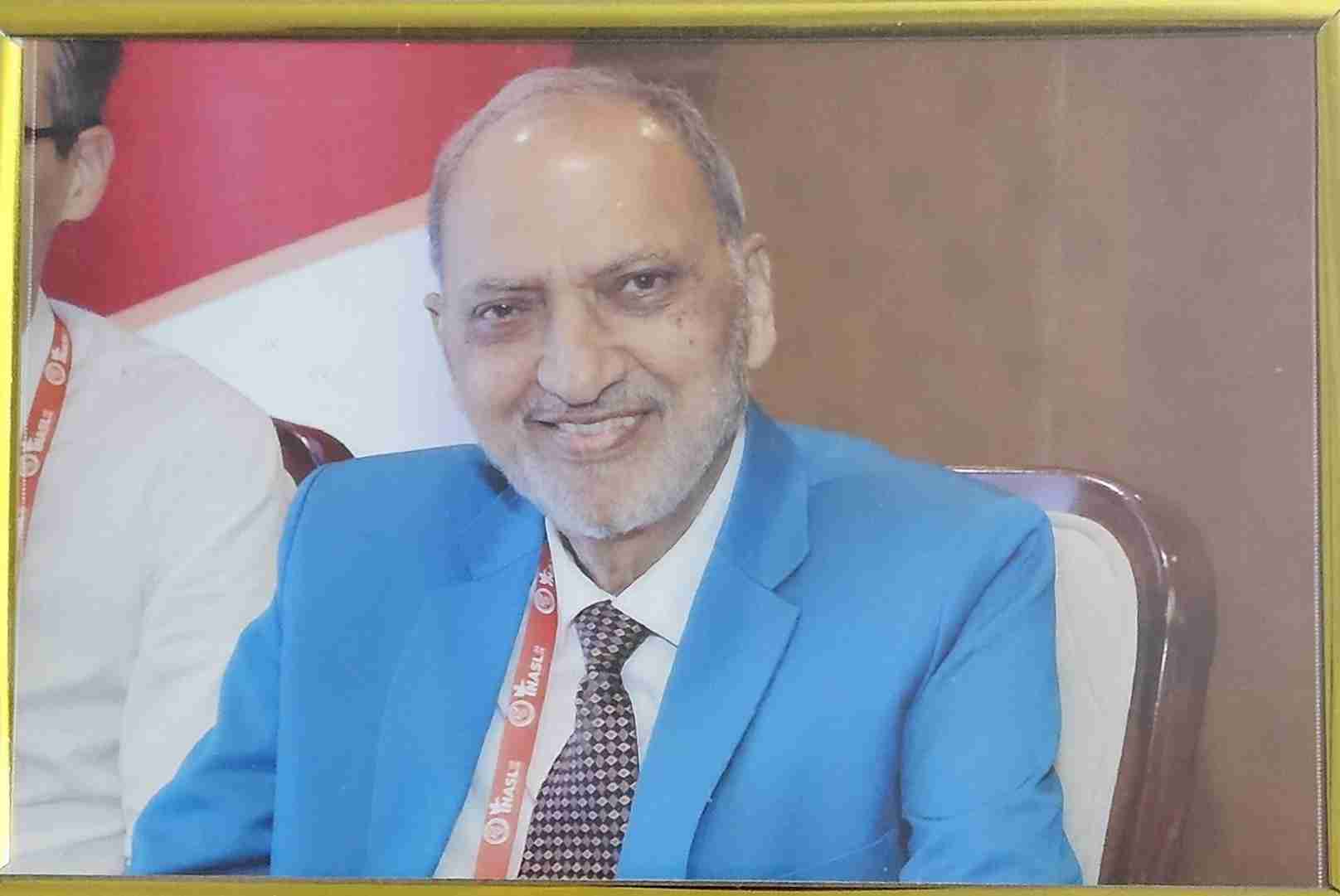
In the verdant landscapes of Kashmir, where the majestic Himalayas cradle a tapestry of cultural heritage and natural splendor, emerges a figure whose life story embodies resilience, scholarly pursuit, and an unwavering commitment to healing. Dr. Mohammad Sultan Khuroo, often simply revered as Dr. Khuroo, stands as one of India’s most distinguished gastroenterologists and hepatologists. Born into a lineage steeped in Islamic scholarship and Sufi traditions, his journey from the historic town of Sopore to global acclaim in medical science is a testament to the transformative power of education and empathy. As the Director of the Digestive Diseases Centre at Dr. Khuroo’s Medical Clinic in Srinagar, and a former Professor and Head of Gastroenterology at the Sher-i-Kashmir Institute of Medical Sciences (SKIMS), Dr. Khuroo has not only pioneered treatments for complex digestive disorders but has also mentored generations of physicians, leaving an indelible mark on healthcare in South Asia and beyond.Click Here To Follow Our WhatsApp Channel
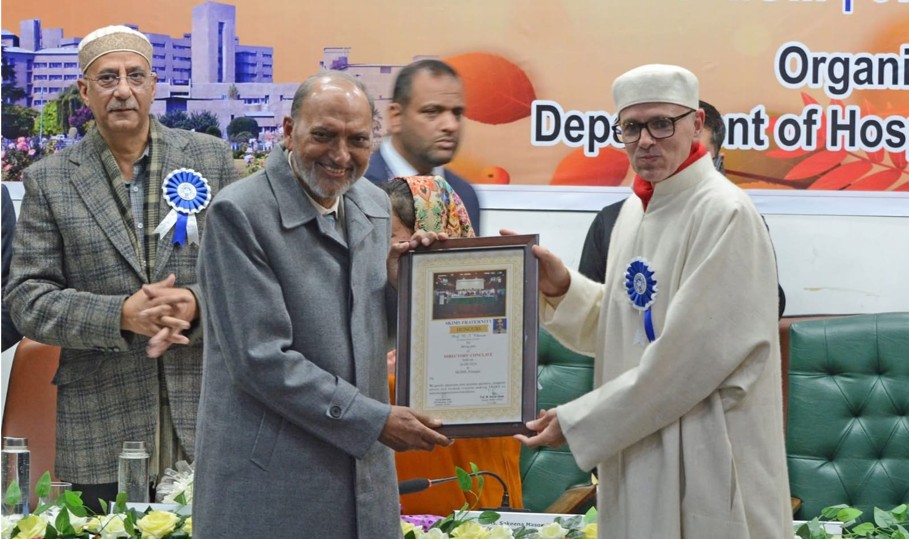
Early Life: Roots in Sopore’s Scholarly Embrace
Dr. Khuroo’s origins trace back to Kralteng, a quaint hamlet in Sopore—a ninth-century town in North Kashmir renowned for its apple orchards and as a cradle of Kashmiri resilience. Born into an educated and respected family that had settled in the area in the early 20th century, young Mohammad Sultan grew up amidst an environment rich in intellectual and spiritual fervor. His family home became a hub for Islamic teachings, influenced by encounters with revered scholars and Sufi saints. This milieu profoundly shaped his worldview, instilling values of humility, service, and lifelong learning.
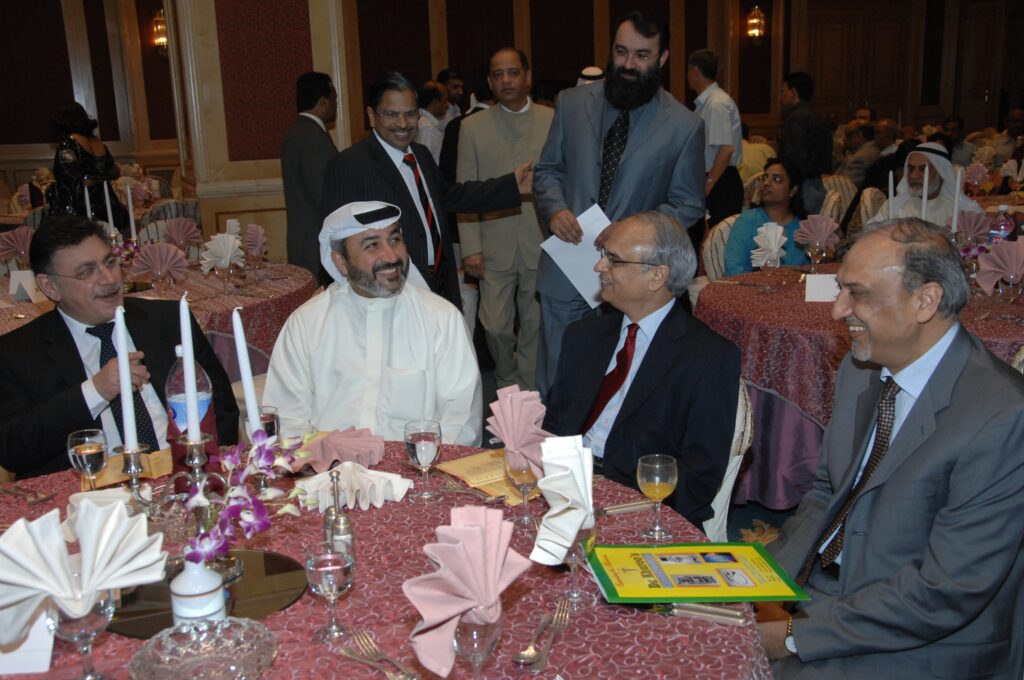
His paternal grandfather, the late Haji Fateh Khuroo (1885–1958), was a polymath in his own right—a scholar of Persian literature whose recitations of the Quran could captivate audiences with their melodic depth and emotional resonance. This legacy of erudition extended to Dr. Khuroo’s father and extended family, including notable entrepreneurs like the late Haji Abdul Samad Pandith and the philanthropist Haji Abdul Jabbar Pandith, whose devotion to worship and social welfare mirrored the family’s ethos of communal upliftment. Sopore, with its history of quiet revolutions against adversity—be it natural calamities or socio-political upheavals—instilled in Dr. Khuroo an early appreciation for perseverance. In his own reflections, he has often recounted the town’s struggles and triumphs, crediting them for forging his determination to effect positive change, much like the steady, unyielding flow of the Jhelum River that borders his birthplace.
Education was the bridge from these humble roots to higher aspirations. Dr. Khuroo pursued his MBBS and MD in Medicine at the University of Kashmir, where his academic excellence shone through amid the challenges of a region marked by geopolitical tensions. Eager to specialize, he advanced to the prestigious Postgraduate Institute of Medical Education and Research (PGIMER) in Chandigarh, earning his DM in Gastroenterology. These formative years were not merely academic; they were a crucible for honing a patient-centered approach, influenced by Kashmir’s tradition of holistic care that blends medical science with cultural sensitivity.
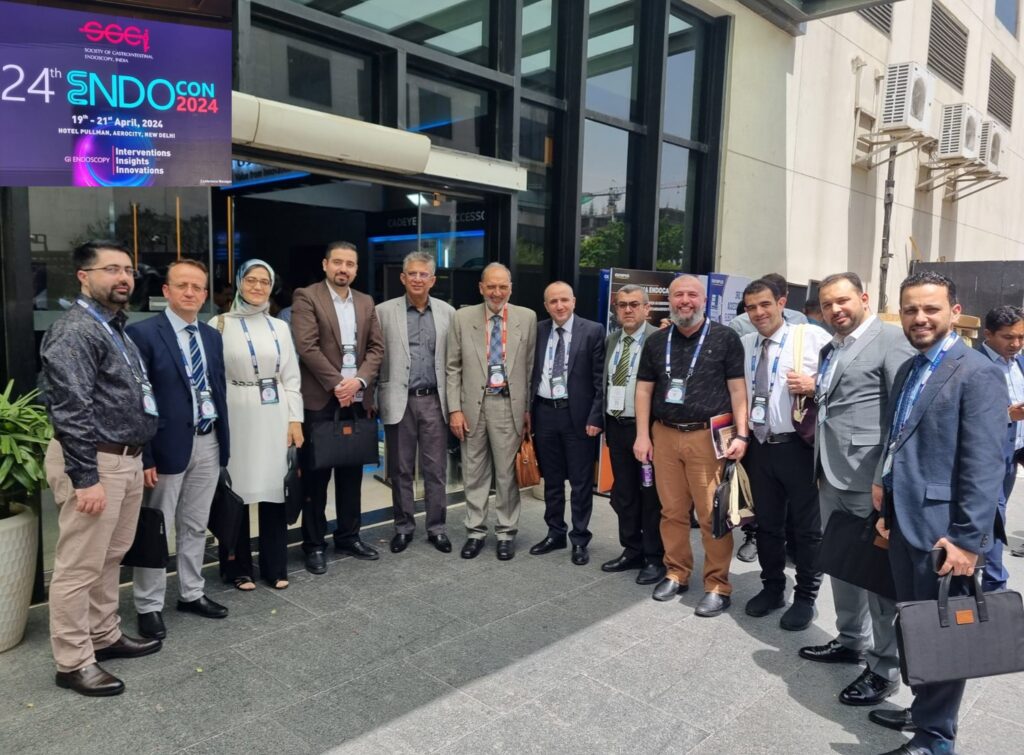
Academic and Professional Ascendancy: Building Institutions and Expertise
The 1980s marked a pivotal era for healthcare in Jammu and Kashmir, as the state sought to establish world-class medical facilities amid its isolation. In 1982, Dr. Khuroo answered the call to join the newly founded Sher-i-Kashmir Institute of Medical Sciences (SKIMS) in Srinagar—a visionary tertiary care center conceived to bring cutting-edge medicine to the Valley. As one of the institution’s founding senior physicians, he rose swiftly through the ranks, becoming Professor and Head of the Department of Gastroenterology, and later Chairman of the Department of Medicine. Under his stewardship, SKIMS evolved into a beacon of excellence, particularly in digestive and liver diseases, training hundreds of specialists and conducting groundbreaking research tailored to regional health challenges like hepatitis and parasitic infections prevalent in the Himalayan foothills.
Dr. Khuroo’s international stature was cemented during his tenure as Consultant and Head of Gastroenterology and Liver Transplantation at the King Faisal Specialist Hospital and Research Centre in Riyadh, Saudi Arabia. Here, he bridged Eastern and Western medical paradigms, contributing to advancements in organ transplantation and infectious disease management. His global recognition is underscored by prestigious fellowships: FRCP from the Royal College of Physicians (Edinburgh) in 1997, FACP in 1998, and MACP (Emeritus) in 2000 from the American College of Physicians. These honors reflect not just clinical prowess but a career defined by ethical rigor and innovative problem-solving.
Upon returning to Kashmir, Dr. Khuroo founded the Digestive Diseases Centre at his eponymous clinic in Srinagar’s SK Colony, Qamarwari—a state-of-the-art facility that continues to serve as a lifeline for patients with complex gastrointestinal ailments. The clinic, affiliated with his official website (drkhuroo.in), emphasizes multidisciplinary care, integrating diagnostics, endoscopy, and therapeutic interventions under one roof. His practice philosophy is rooted in the “patient’s bill of rights,” championing dignity, informed consent, second opinions, and cultural respect—a rare ethos in high-pressure medical environments.
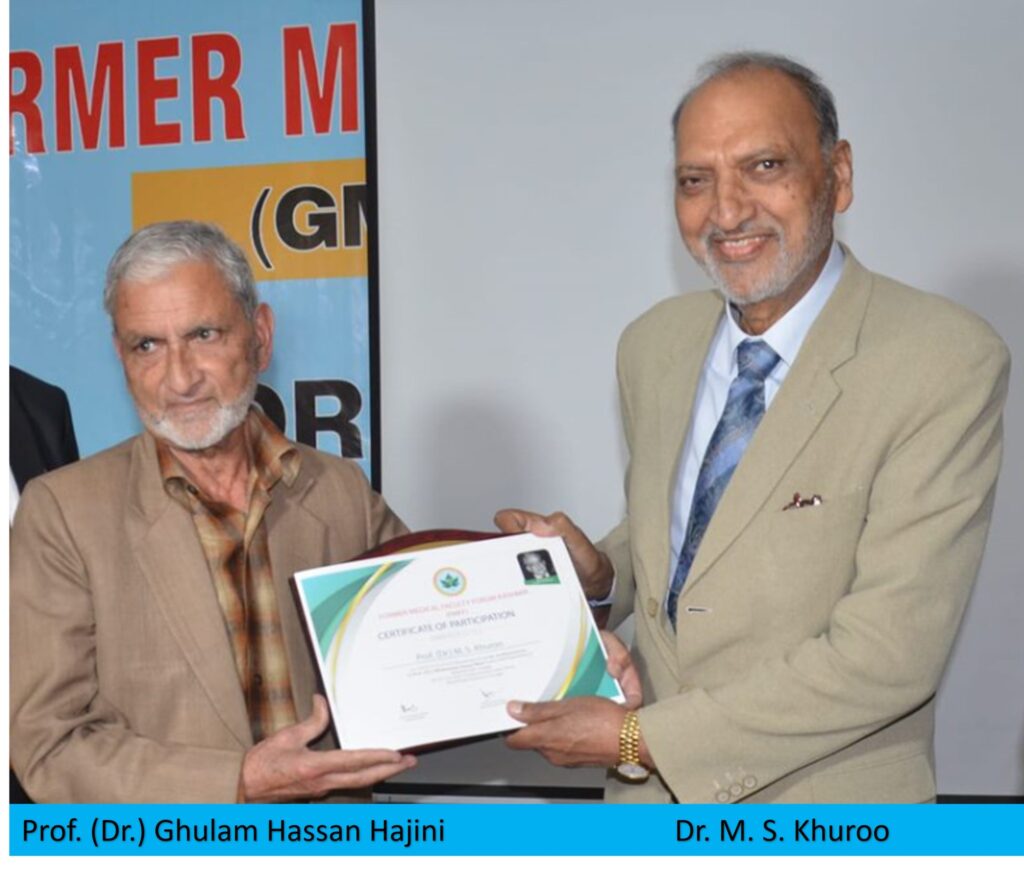
Pioneering Contributions to Medicine: Research and Innovation
Dr. Khuroo’s legacy extends far beyond the clinic, etched deeply in the annals of medical literature. With over 14,000 citations on Google Scholar, his research portfolio spans decades, focusing on gastroenterology, hepatology, and infectious diseases endemic to South Asia. A trailblazer in viral hepatitis, he conducted seminal studies on hepatitis E—a waterborne pathogen disproportionately affecting developing regions—elucidating its epidemiology, transmission, and clinical spectrum. His work on echinococcosis, a parasitic liver disease rampant in pastoral communities, includes a landmark prospective study (2019–2024) at his clinic, identifying alveolar echinococcosis cases and advancing diagnostic protocols.
Notable among his innovations is the development of therapeutic endoscopy techniques for biliary and pancreatic disorders, as well as protocols for managing acute liver failure in resource-limited settings. Dr. Khuroo’s publications in journals like The Lancet and Gastroenterology have influenced global guidelines, while his involvement in liver transplantation programs has saved countless lives. In Kashmir, where conflict and geography exacerbate health disparities, his research on trauma-induced gastrointestinal complications has informed emergency care strategies. Recently, he delivered the Dr. Farooq Ashai Oration in 2024, underscoring his ongoing role as a thought leader.
Beyond papers and protocols, Dr. Khuroo’s impact lies in his mentorship. He has trained technicians, nurses, residents, and fellows with a hands-on intensity, fostering a cadre of ethical practitioners. His autobiography-like reflections on Sopore’s evolution mirror his teaching style: narrative-driven, empathetic, and aimed at inspiring systemic change.
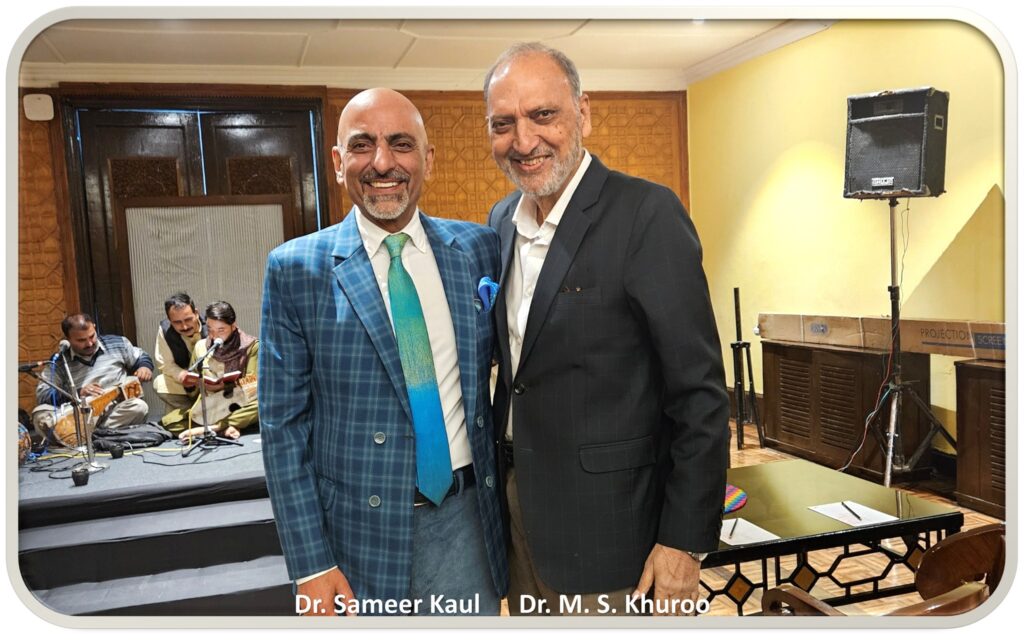
Personal Life: A Tapestry of Family, Faith, and Fulfillment
Dr. Khuroo’s personal narrative is as enriching as his professional one. His marital union with Haleema—a partnership described as a “huge success”—has been a pillar of support, blending familial warmth with shared values of service. The couple’s life in Srinagar reflects Kashmiri hospitality, with the clinic often doubling as a space for community outreach. Family members, including his children like Dr. Naira Sultan Khuroo, carry forward this legacy in pathology and beyond.
Faith remains a quiet compass for Dr. Khuroo, echoing his family’s Sufi roots. He approaches medicine as a divine calling, treating each patient with the reverence once reserved for Quranic recitations in his ancestral home. In retirement from institutional roles, he channels this energy into writing, community health initiatives, and the clinic, embodying the Sufi ideal of selfless contribution.
Legacy: Healing Hearts and Histories
As of October 2025, Dr. Mohammad Sultan Khuroo, at over eight decades, remains an active force in medicine—a living archive of Kashmir’s medical renaissance. His clinic bustles with patients from across the subcontinent, a testament to his enduring appeal. In an era of fragmented healthcare, Dr. Khuroo’s story reminds us that true healing transcends diagnoses; it is woven from respect, innovation, and an unyielding bond with one’s roots.
For those inspired by his path, resources like his official website offer glimpses into his work, while his scholarly output invites deeper exploration. Dr. Khuroo is not merely a doctor; he is a bridge between tradition and tomorrow, proving that from the quiet valleys of Sopore, one can touch the world.
You Might Also Like:
Watch Dr. Tariq Rasool’s Message to Kashmir’s Apple Orchard Owners: Diseases, Causes
A Reflection on Surat-al-Ankabut : Faith, Effort, and the Delusion of Self-Sufficiency