The second edition of the Chinar Book Festival, held from August 2 to 10, 2025, at the Sher-i-Kashmir International Conference Centre (SKICC) in Srinagar, has emerged as a landmark event in Jammu and Kashmir’s cultural and literary landscape. Organized by the National Book Trust, India (NBT), in collaboration with the National Council for Promotion of Urdu Language (NCPUL) and the Srinagar District Administration, this nine-day festival has drawn unprecedented crowds, showcasing a vibrant celebration of literature, culture, and community engagement. Following the success of its inaugural edition in 2024, this year’s fair has solidified its reputation as a cornerstone of the region’s intellectual calendar, fostering a renewed love for reading among diverse audiences.
A Grand Literary Gathering
Set against the scenic backdrop of Dal Lake, the Chinar Book Festival 2025 featured over 200 publishers and bookstalls from across India, offering a diverse array of titles in languages including English, Hindi, Urdu, Kashmiri, Dogri, and other Indian languages. The festival’s scale was evident in its expansive offerings, ranging from children’s books and academic works to regional literature and digital content, catering to readers of all ages. The event was inaugurated on August 2 by Union Education Minister Dharmendra Pradhan and Jammu and Kashmir Lieutenant Governor Manoj Sinha, who emphasized the festival’s role in advancing culture and civilization through literature.
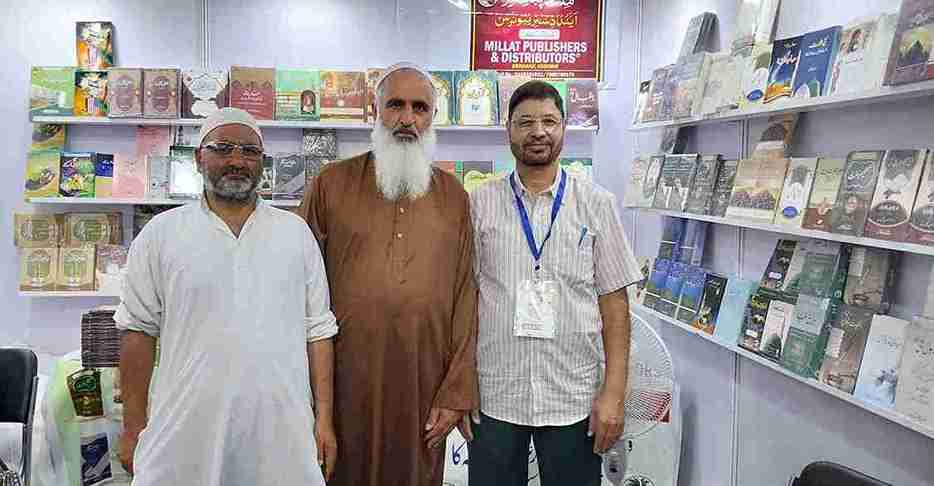
Muhammad Afzal Lone, a renowned publisher from Kashmir and representative of Millat Publishers & Distributors, described the remarkable turnout on the second day of the fair. He noted, “It wasn’t just a crowd, but to my surprise, they showed great enthusiasm in buying books — far beyond my expectations. All praise is due to Allah, the Lord of all worlds.” Lone highlighted the significant participation of elders and young people, particularly from the Muslim community, who actively purchased books at his stall, underscoring the festival’s appeal across generations. He also expressed gratitude for the opportunity to reconnect with friends and well-wishers, stating, “Many of my companions, well-wishers, and friends also came to meet me — and they bought books too. I also had the opportunity to reconcile with a few estranged friends and clear up past misunderstandings. All praise be to Allah.” His comments reflect the festival’s role as both a literary and social platform, fostering community bonds.
Diverse Events and Cultural Highlights
The Chinar Book Festival offered a rich tapestry of events designed to engage and inspire attendees. Daily sessions included children’s activities in the mornings, book releases and author interactions in the afternoons, and cultural performances in the evenings. Key attractions included:
- Rajtarangini Samvad: Workshops and panel discussions exploring the historical and literary significance of the classical Kashmiri text, Rajtarangini, fostering dialogue on Kashmir’s heritage.
- Sharda Script Exhibition: The ‘Saradaksarani’ exhibition showcased the ancient Sharda script, highlighting its historical importance in the region.
- Gojri Translation Workshop: A pioneering initiative to produce bilingual books in Hindi, Urdu, Dogri, Kashmiri, and English, promoting linguistic diversity.
- Tamil-Kashmiri Samvad: Under the Ek Bharat Shreshtha Bharat initiative, this cultural exchange highlighted shared traditions between Tamil and Kashmiri communities.
- Mahfil-e-Afsana and Chinar Talks: Sessions featuring Urdu writers like Deepak Tanwal, Dr. Mushtaq Mehdi, and Dr. Nazir, alongside Kashmiri child litterateur Akhtar Hussain and artists like Veer Munshi and Vishal Bhardwaj.
- Children’s and Youth Activities: Workshops on creative writing, calligraphy, storytelling, and emotional intelligence, along with the Rashtriya e-Pustakalaya digital platform, engaged young readers.
The festival also hosted book releases, such as The Shade of Swords by M.J. Akbar and the Urdu edition of Fault Lines in the Faith, organized by the Khusro Foundation. Performances by local artists like Wahid Jilani and bands like Kabir Café added cultural vibrancy, blending literature with music and art.
Community Engagement and Impact
The festival attracted a diverse audience, including men, women, elderly individuals, and children, all united by a passion for books. Lone specifically noted the enthusiastic participation of the youth in Urdu books, stating, “The interest of the youth in Urdu books has been highly encouraging.” He also praised the organizers, saying, “The organisers have done a commendable job with the arrangements, for which I am very thankful.” His observations highlight the festival’s success in engaging young readers and its meticulous organization, which contributed to its welcoming atmosphere.
The event’s inclusivity was evident in its appeal to varied demographics. Students from institutions like SKIMS Medical College, Government Dental College, and NIT participated actively, showcasing their talents. Parents like Saima Rashid and Uzair Ahmad emphasized the importance of exposing children to diverse literature, with many purchasing numerous titles to encourage reading habits. The festival’s free entry and special discounts enhanced accessibility, drawing over 100,000 visitors in 2024, with expectations of even higher turnout in 2025.
Promoting Regional Literature and Reading Culture
A key focus of the festival was promoting Urdu and Kashmiri literature, with significant youth interest in Urdu books, as Lone observed. Lieutenant Governor Manoj Sinha called for the promotion and translation of Kashmiri, Pahari, Gojri, Dogri, Urdu, and Punjabi literature to reach wider audiences. Yuvraj Malik, Director of NBT, emphasized the festival’s aim to build a robust reading culture in Jammu and Kashmir, particularly among the youth. Dr. Shams Iqbal of NCPUL described the event as a historic initiative fostering harmony among Indian languages. The digital reading zone, featuring the Rashtriya e-Pustakalaya platform, provided free access to thousands of e-books, blending traditional and modern reading experiences.
A Vision for the Future
The Chinar Book Festival 2025 has been hailed as a transformative event, with Union Minister Dharmendra Pradhan envisioning it as a permanent fixture in Srinagar’s cultural calendar. Lieutenant Governor Manoj Sinha echoed this sentiment, aiming to elevate it to a national-level event. Lone’s assessment that “among all the book fairs held till now, this one seems to be moving steadily towards great success” underscores its growing prominence. Organizers, including Chief Convener Dr. Amit Wanchoo and NBT Chairman Milind Sudhakar Marathe, highlighted the festival’s role in uniting people through literature and heritage.
Conclusion
The Chinar Book Festival 2025 has reaffirmed Kashmir’s historical significance as a center of knowledge and storytelling. With its diverse offerings, enthusiastic participation, and focus on regional literature, the festival has become a vibrant celebration of ideas, culture, and community. Muhammad Afzal Lone’s heartfelt thanks to friends and supporters, combined with his observations of the fair’s success, encapsulate its impact: a platform where books inspire, connections are forged, and Kashmir’s literary heritage thrives. As the festival continues to grow, it promises to nurture a lasting love for reading and cultural exchange for generations to come.
Click Here To Follow Our WhatsApp Channel
You Might Also Like:
Former JKNC MLA Kafil-ur-Rehman Joins PDP
Former IAS Officer G.A. Peer of Seer Hamdan Passes Away in Srinagar After Brief Illness
J&K Political Parties Condemn Assault on SpiceJet Staff by Army Officer at Srinagar Airport