Kashmir, the “Crown of India,” is a land steeped in history, breathtaking landscapes, and a vibrant cultural heritage. Beyond its captivating beauty, the region boasts a remarkable diversity of products, each a testament to the skills and traditions passed down through generations. This article delves into the world of Kashmiri products, exploring their rich tapestry, economic importance, and the stories behind their creation.
Textiles Woven with Tradition:
Kashmiri textiles hold a place of pride in the region’s product repertoire. The world-renowned Pashmina shawl, made from the fine underfleece of Changthangi goats, is a masterpiece of craftsmanship. Its intricate designs, feather-light texture, and warmth have garnered global recognition. Kashmiri silk, with its luxurious drape and vibrant colors, is another exquisite product. Skilled artisans weave intricate patterns like paisleys and butis, creating timeless pieces that have adorned royalty for centuries.

Woolen Wonders:
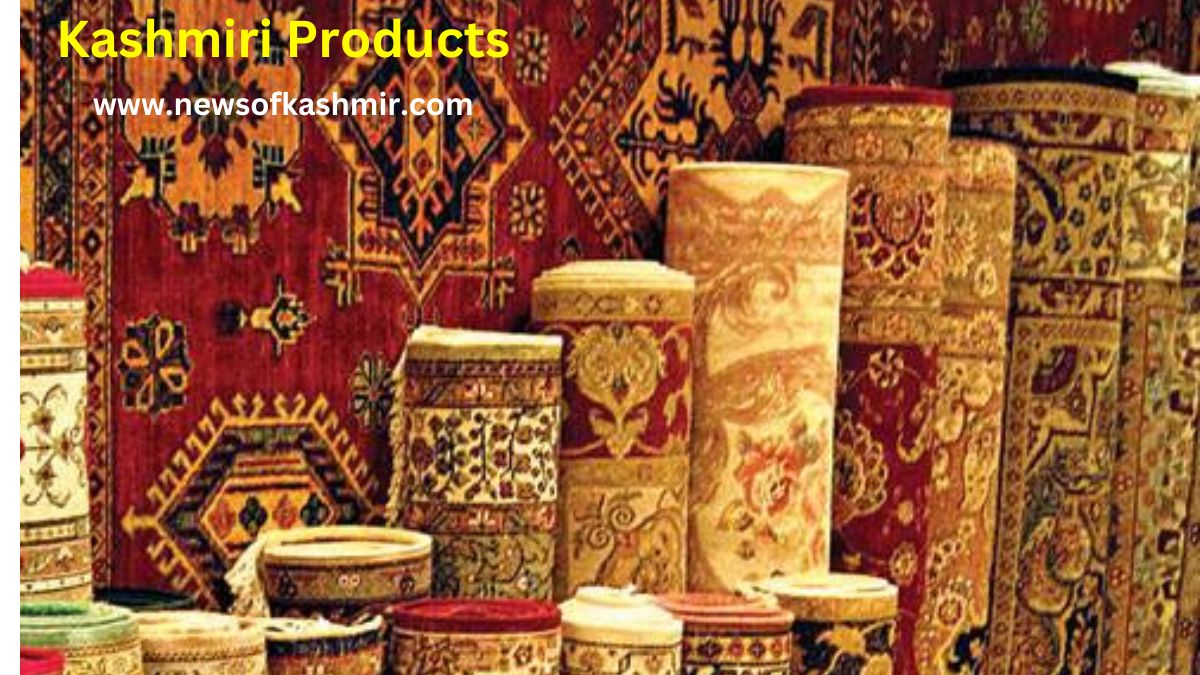
Kashmir’s harsh winters necessitated the development of warm and comfortable clothing. Kashmiri carpets, hand-knotted with meticulous detail, are a testament to this ingenuity. Using wool from local sheep and natural dyes, artisans create carpets that are not only functional but also works of art, depicting intricate floral patterns and hunting scenes. Shawls made from ring wool, a coarser but equally warm fabric, are a more affordable option, providing warmth and comfort to the local population.
Embroidered Elegance:
Kashmiri embroidery, known as Kashida, adds a touch of artistry to textiles. Skilled artisans painstakingly stitch intricate designs using vibrant threads, creating a mesmerizing interplay of color and texture. This technique adorns shawls, jackets, kurtas (tunics), and other garments, transforming them into stunning pieces of wearable art.
Paper Mache Magic:
Papier-mâché, a craft with Persian origins, has found a unique expression in Kashmir. Using paper pulp mixed with adhesives, artisans create a vast array of objects, including decorative boxes, vases, lamps, and even furniture. These items come alive with intricate floral patterns, geometric designs, and vibrant colors, often depicting scenes from Kashmiri folklore.
Aromatic Delights:
Kashmir boasts a unique culinary tradition that translates into a range of aromatic products. Saffron, the world’s most expensive spice, is grown in limited quantities in Kashmir’s Pampore region. Its delicate flavor and vibrant color make it a prized ingredient in dishes and beverages around the world. Kashmiri honey, produced from the nectar of wild Himalayan flowers, has a distinct flavor and aroma, appreciated for its medicinal properties.
Spices and Staples:
The fertile valleys of Kashmir are home to a variety of spices. Cardamom, cloves, cinnamon, and fennel are some of the popular offerings, adding a burst of flavor to Kashmiri cuisine and enjoyed throughout the world. Walnuts, grown abundantly in the region, are a staple in Kashmiri households, consumed whole or used in bakery products and sweets.
Woodcarving: A Timeless Craft:
Woodcarving is another age-old tradition in Kashmir. Skilled artisans use walnut, cedar, and deodar wood to create intricate furniture pieces, decorative items like wall hangings, and even musical instruments. These carvings often incorporate intricate floral and geometric designs, reflecting the region’s rich artistic heritage.
Metalsmithing Marvels:
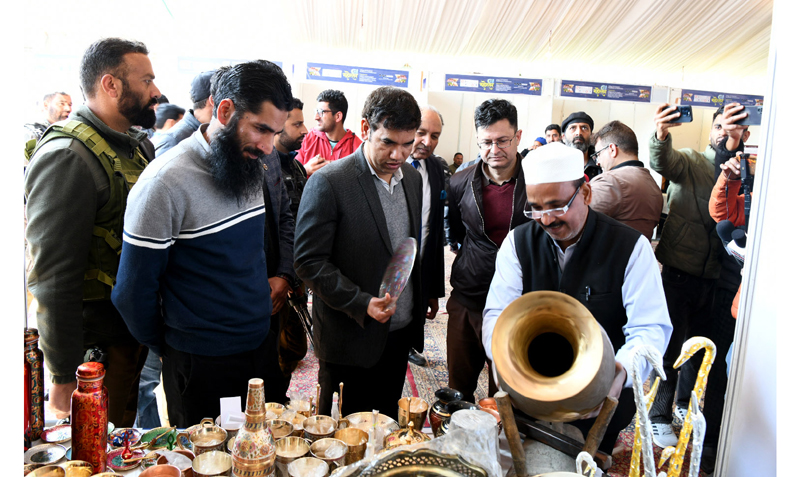
Kashmiri metalsmiths are known for their exquisite craftsmanship. They work with brass, copper, and silver to create a variety of products, including utensils, decorative items like lamps and vases, and even jewelry. These objects showcase intricate designs, sometimes incorporating precious stones, reflecting the time and skill invested in their creation.
Supporting Sustainability and Ethical Practices
The production of many Kashmiri products relies on traditional practices and skills passed down through generations. However, it is crucial to ensure that these practices are sustainable. Responsible sourcing of raw materials like wool and wood, along with fair wages for artisans, are essential. Additionally, protecting cultural heritage through intellectual property rights is necessary to prevent exploitation and ensure the survival of these age-old traditions.
Challenges and Opportunities
The Kashmiri product market faces some challenges. Competition from mass-produced imitations can threaten the livelihood of artisans. Additionally, improving infrastructure and logistics networks is crucial for efficient distribution and marketing of these products globally. However, opportunities abound. Embracing online marketing and e-commerce platforms can connect Kashmiri artisans with a wider audience. Promoting sustainable practices and ethical sourcing can attract a growing segment of eco-conscious consumers.
The Future of Kashmiri Products
The future of Kashmiri products lies in innovation while preserving tradition. By incorporating contemporary design elements while staying true to their heritage, artisans can cater to evolving consumer preferences. Additionally, promoting the stories behind these products, the skills of the artisans, and the unique cultural heritage they represent can create a strong