Tourist Exodus from Kashmir After Pahalgam Attack: Extra Flights, Trains Operate Amid Panic and Road Closures

Tourist Exodus

Srinagar International Airport and railway stations across Kashmir saw heavy rush on Wednesday as thousands of tourists hurried to leave the Valley following a deadly terrorist attack in Pahalgam that killed 26 people, including a local from Anantnag.

Large crowds gathered at the airport from early morning, with long queues at ticket counters and security checkpoints. Airfares saw a steep rise due to the sudden demand, prompting many to seek the fastest way out.

To handle the rush, airlines IndiGo, Air India, and SpiceJet added a total of seven extra flights from Srinagar on Wednesday.

According to the Ministry of Civil Aviation, more flights are on standby to help with further evacuations.

The government has directed airlines to avoid fare hikes and has said that airfares are being kept under control. All airlines have also waived cancellation and rescheduling charges for flights to and from Srinagar for the next week.

Initially, Air India and IndiGo had announced two additional flights each to Delhi and Mumbai. Three more flights—two from IndiGo and one from SpiceJet—were being added.

By afternoon, the airport had handled over 3,300 departing passengers. Temporary shelter, food, and water were arranged for those waiting for flights.

Tourists at the airport expressed fear and frustration over the sudden turn of events.

“We were in Pahalgam yesterday and had just returned to Srinagar when the news broke. We did not sleep the whole night,” said Priya Mehta, a tourist from Gujarat adding that she just want to go home safely.

Rajeev Sharma, who came with his family from Delhi, said that children are scared. We had come here to enjoy the holidays, but it turned into a nightmare. We managed to get tickets on a late evening flight with the help of some locals, he said.

Another traveler, Sangeeta Das from Kolkata said that she was supposed to stay for five more days, but after what happened whole world knows. The airport is packed, and people are just trying to get out, she added.

Srinagar International Airport Spokesman Vinod Jadli told Rising Kashmir that in response to the Pahalgam terror incident, Airport operated seven additional flights to facilitate the movement of affected tourists and authorities.

He said Airport maintained regular operations on April 23, 2025, with a total of 17,653 passengers traveling through the airport up to 11:20 PM.

“The scheduled traffic included 56 arrivals and 56 departures, with 6,561 passengers arriving and 11,092 passengers departing, bringing the total to 112 scheduled flight movements,” he said.

The spokesman said that in addition, there were 5 non-scheduled arrivals and 4 non-scheduled departures, with a total of 35 passengers (18 arriving and 17 departing), totaling 9 non-scheduled movements.

The spokesperson confirmed that despite the recent security situation, flight operations continued smoothly, and the airport remains fully committed to ensuring passenger safety and comfort.

Meanwhile, railway stations in Srinagar, Budgam and Anantnag also saw large crowds.

Himanshu Shekhar Upadhyay, Chief Public Relations Officer of Northern Railway told Rising Kashmir that the attack, which targeted tourists in South Kashmir’s Pahalgam area, has heightened the need for additional travel options for the region’s residents and visitors during this difficult period.

“7 General coaches, 8 Sleeper coaches, 2 Third AC coaches, 1 Third AC Economy coach, and 2 luggage-cum-brake vans,” Upadhyay said.

He said that the special train is being operated to accommodate the surge in travel demand from the region, particularly in light of the recent terrorist attack in Pahalgam that has raised security concerns.

“The recent tragic incident in Pahalgam has made it more urgent to ensure convenient travel for both local residents and tourists,” Upadhyay said.

“Northern Railway is committed to providing hassle-free travel for passengers, especially during these challenging times. We urge passengers to plan accordingly and take advantage of this special service,” he added.

Meanwhile, the Railways have issued helpline numbers for passengers in the wake of the Pahalgam incident. For Jammu Tawi Railway Station, the helpline is 0191-2470116, and the local contact number for Jammu region is 1072. For Shri Mata Vaishno Devi Katra Station, passengers can call 01991-234876, while the contact number for Udhampur Station is 7717306616.

For the 4th day,Jammu-Srinagar National Highway remains partially closed due to landslides, leaving air and rail as the main exit options.

With the situation tense in the Valley, tourists are rushing to leave as quickly as possible.

A traffic police spokesman said that vehicular movement remained suspended on Jammu Srinagar NHW as the restoration work could not be completed on Wednesday.

“One way traffic will be restored on Thursday on Jammu-Srinagar NHW (NH-44) till the restoration work is completed and the surface is traffic worthy, he said.

On Srinagar-Sonamarg road LMVs followed by HMVs shall be allowed from Kargil towards Srinagar on Thursday. It will be followed by HMV’s.

You Won’t Believe the Hidden Wonders of Srinagar – Kashmir’s Paradise Unveiled!

dal lake of srinagar

Srinagar, the summer capital of Jammu and Kashmir, is a mesmerizing blend of natural beauty, rich history, and vibrant culture. Nestled in the heart of the Kashmir Valley along the banks of the Jhelum River, this city is often referred to as the “Venice of the East” due to its serene lakes, intricate waterways, and iconic houseboats. From its Mughal gardens to its bustling markets, Srinagar offers an unforgettable experience for travelers seeking both tranquility and adventure. In this article, we dive deep into what makes Srinagar a must-visit destination.

A Glimpse into Srinagar’s History

Srinagar’s history dates back over 2,000 years, with influences from Hindu, Buddhist, and Mughal rulers. Founded by King Pravarasena II, the city has been a cultural and political hub for centuries. The Mughal emperors, particularly Jahangir, were enamored by Srinagar’s beauty, leaving behind a legacy of stunning gardens like Shalimar Bagh and Nishat Bagh. The city also played a significant role during the Sikh and Dogra periods, shaping its diverse cultural fabric.

Today, Srinagar stands as a symbol of resilience, balancing its historical grandeur with modern vibrancy, despite periods of political unrest. Visitors are drawn to its timeless charm, where ancient shrines coexist with bustling bazaars.

Natural Beauty: Lakes, Gardens, and Mountains

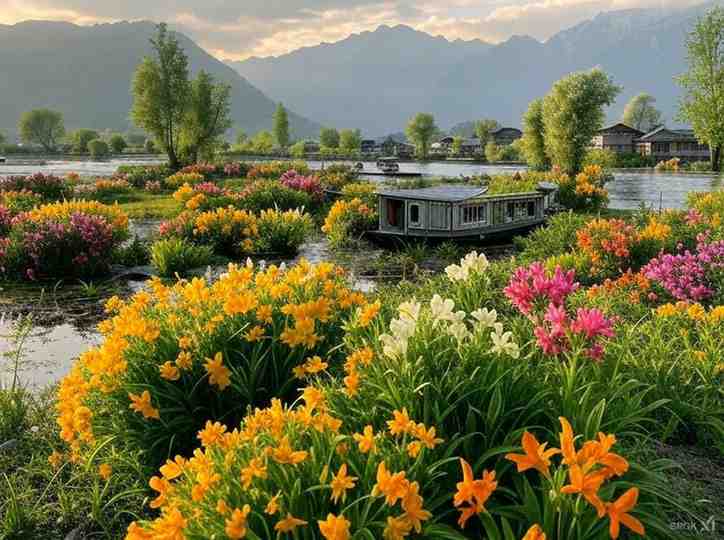
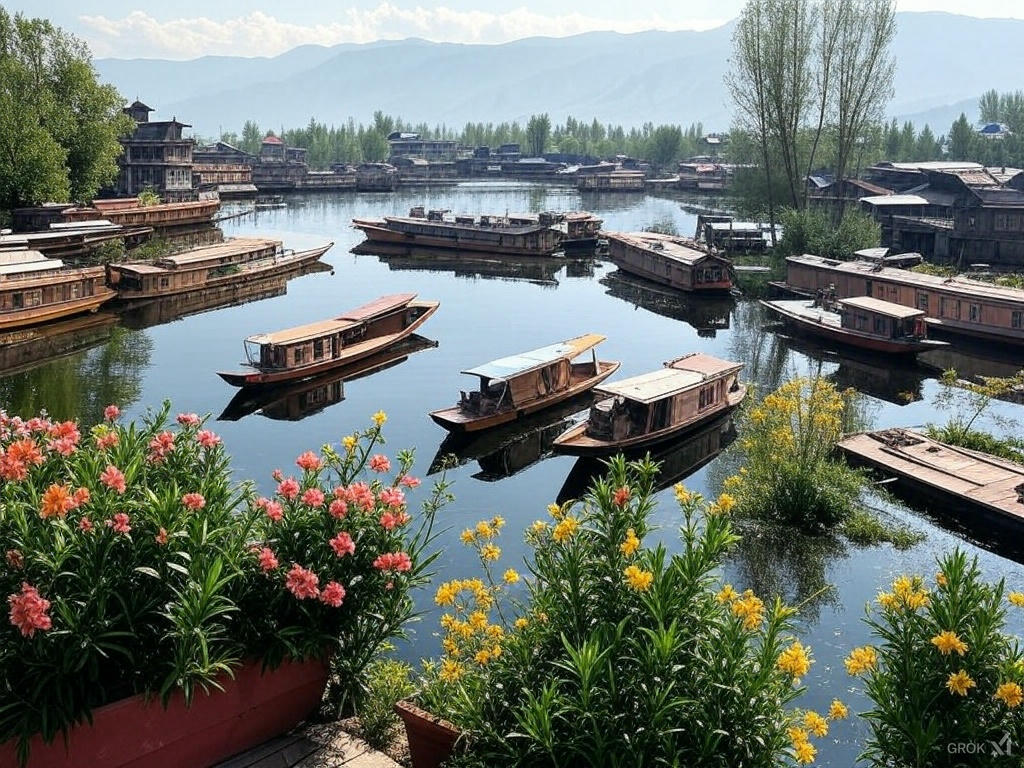
Srinagar is synonymous with breathtaking landscapes. The city’s crown jewel, Dal Lake, is a sprawling waterbody dotted with colorful shikaras (wooden boats) and floating gardens. A shikara ride at sunset, with the Zabarwan Mountains in the background, is an experience that feels straight out of a postcard. Nearby, Nigeen Lake offers a quieter, more intimate setting for those seeking solitude.

The Mughal Gardens, including Shalimar Bagh, Nishat Bagh, and Chashme Shahi, are architectural marvels with terraced lawns, vibrant flowerbeds, and cascading fountains. These UNESCO-recognized sites reflect the Mughal love for symmetry and nature. For adventure enthusiasts, the surrounding Himalayas offer trekking, skiing (in nearby Gulmarg), and breathtaking views.

Cultural Riches and Local Life

Srinagar’s culture is a vibrant tapestry woven from Kashmiri traditions, Sufi influences, and artisanal craftsmanship. The city is famous for its handicrafts, including Pashmina shawls, Kashmiri carpets, and intricately carved walnut wood furniture. A visit to the bustling Lal Chowk or Polo View Market offers a chance to witness local life and shop for authentic souvenirs.

Kashmiri cuisine is another highlight, with dishes like Rogan Josh, Yakhni, and Dum Aloo tantalizing taste buds. Don’t miss the traditional Wazwan, a multi-course feast that showcases the region’s culinary expertise. For a unique experience, stay in a houseboat and savor Kahwa, a saffron-infused green tea, while gazing at the serene lake.

Spiritual Significance

Srinagar is home to several sacred sites that reflect its spiritual diversity. The Shankaracharya Temple, perched atop a hill, offers panoramic views and is one of the oldest Hindu shrines in Kashmir. The Hazratbal Shrine, with its stunning white dome, is a revered Muslim site housing a relic believed to be a hair of Prophet Muhammad. The Jama Masjid, with its Indo-Saracenic architecture and 370 wooden pillars, is another architectural gem.

Best Time to Visit

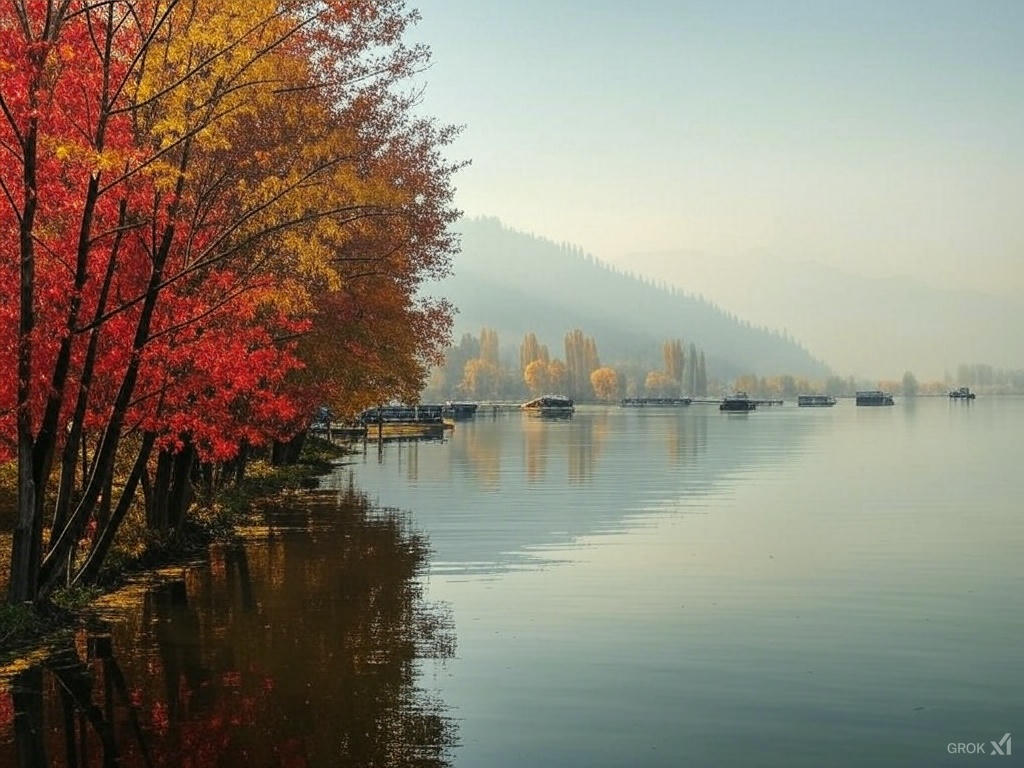
The best time to visit Srinagar is between April and October, when the weather is pleasant, and the gardens are in full bloom. Spring (April-May) brings vibrant tulips, while autumn (September-October) paints the valley in shades of gold and red. Winters (November-March) are ideal for snow lovers, with nearby Gulmarg transforming into a skiing paradise.

Practical Tips for Travelers

  • Getting There: Srinagar is well-connected by air (Sheikh ul-Alam International Airport), rail (Jammu Tawi, followed by a road trip), and road. Flights from Delhi, Mumbai, and other major cities are frequent.
  • Accommodation: Choose from luxurious houseboats, heritage hotels, or budget guesthouses. Houseboats on Dal or Nigeen Lake are highly recommended for an authentic experience.
  • Safety: While Srinagar is generally safe for tourists, stay updated on local advisories and respect cultural norms.
  • What to Pack: Light cotton clothes for summer, warm layers for winter, and comfortable walking shoes for exploring.

Why Srinagar Should Be on Your Bucket List

Srinagar is more than just a destination; it’s an emotion. Whether you’re gliding through Dal Lake, strolling through Mughal gardens, or savoring a warm cup of Kahwa, the city captivates with its beauty and warmth. Its blend of history, culture, and nature makes it a perfect getaway for families, couples, and solo travelers alike.

Srinagar’s Tulip Garden Sets Record with 17,259 Visitors on Opening Day

Tulip Garden Sets Record

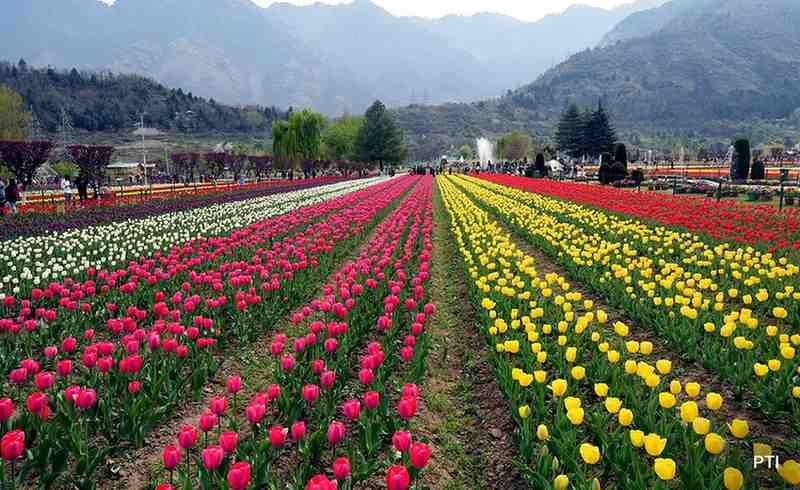
On the inaugural day, Asia’s largest Tulip Garden in Srinagar Wednesday witnessed an overwhelming response from local, national as well as high-end tourists.

Following its opening, the garden witnessed an unprecedented footfall of 17,259 visitors, setting a new benchmark in its history.

In an official statement, the Department of Floriculture, Gardens and Parks thanked the people, especially national and international visitors for their overwhelming response to the grand opening of Tulip Garden.

The department also acknowledged the cooperation of the divisional and district administration, J&K Police, Srinagar Municipal Corporation (SMC), PWD, KPDCL, and other allied agencies for their seamless coordination in ensuring a smooth and hassle-free experience for visitors.

Their dedicated efforts in maintaining security, cleanliness, and essential services have greatly contributed to the success of this event, a statement from the department said.

A special note of admiration has been extended to the dedicated gardeners, field staff, and officers of the Floriculture Department, whose tireless efforts, meticulous planning, and unwavering commitment have resulted in a breath-taking floral spectacle.

With more than 1.70 million tulips in full bloom, the garden stands as a testament to their hard work and passion for excellence.

The Department of Floriculture remains committed to enhancing the beauty and vibrancy of this iconic garden and welcomes visitors to witness nature’s unparalleled grandeur in the days ahead, the statement said.

Srinagar’s Badamwari Garden to Become a Lavender Paradise with First-Ever Plantation Drive

Srinagar's Badamwari Garden

The first-ever Lavender Plantation Drive at the Heritage Badamwari Garden in Srinagar has begun, with plans to transform the area into a lavender-themed garden.

The initiative aims to enhance the beauty of the ‘Badamwari’ (Almond garden) while also promoting floriculture in the region.

Shakeel-Ul-Rehman, Director of Floriculture Kashmir, explained the scope of the project, saying, “This will be a theme garden based on Lavender. There was one area which was unattended in Badamwari (Almond garden) which spans 100 Kanals. We are also covering the area beyond the fencing which is fifty and sixty canals. About 12,000 plantations have been made here and our plan is to complete 30,000.”

The project aims to cover a large area of the garden, transforming it into a visually stunning lavender garden. The plantation is part of an effort to boost tourism and local floriculture while preserving the natural heritage of Badamwari Garden.

With a target of 30,000 plants, this drive is expected to contribute to the beautification of the region and offer a new attraction for visitors, further promoting the floral diversity of Jammu and Kashmir.

Meanwhile, tourists visiting Srinagar woke up to a picturesque morning at Dal Lake on Sunday morning, as the chilly weather added to the enchanting beauty of Kashmir’s iconic waterbody.

The lake, surrounded by snow-capped peaks, presented a mesmerising sight as shikaras (traditional wooden boats) glided over its serene waters.

Visitors, wrapped in warm clothes, enjoyed the crisp mountain air and mist hovering over the lake.

Many were seen sipping hot Kahwa, a traditional Kashmiri tea, while taking boat rides, making the most of the region’s winter charm.

A tourist from Gujarat shared, “I am from Gujarat where the temperatures are very high, here I am enjoying the chilly weather. Sonmarg and Gulmarg are beautiful, I took the Shikara ride in the Dal Lake this morning and watched the sunset. We receive facilities of hot water and food in the boat, providing a great experience to spend the night.”

“The cold mornings and the breathtaking surroundings make this an unforgettable experience,” said another tourist from Delhi. (ANI)

Srinagar’s Tulip Garden Set to Bloom: A Spectacular Spring Awaits in 2025!

Tulip Garden

As the winter chill begins to fade and the first signs of spring emerge in the Kashmir Valley, all eyes turn to one of the region’s most cherished natural wonders: the Indira Gandhi Memorial Tulip Garden in Srinagar. Nestled between the serene Dal Lake and the majestic Zabarwan Hills, this sprawling floral paradise—Asia’s largest tulip garden—is gearing up for its much-anticipated 2025 season. With preparations in full swing, the garden promises a breathtaking display of over 1.7 million tulips across 73 vibrant varieties, setting the stage for a spectacular spring that will captivate visitors from around the globe.

A Floral Extravaganza in the Heart of Kashmir

The Indira Gandhi Memorial Tulip Garden, formerly known as Siraj Bagh, has become synonymous with the arrival of spring in Jammu and Kashmir. Spanning an impressive 74 acres across seven terraced slopes, the garden transforms into a sea of color each year as millions of tulip bulbs burst into bloom. For 2025, the Floriculture Department has outdone itself, introducing five new tulip varieties to the existing 68, alongside an expanded area to accommodate the record-breaking 1.7 million blooms. This ambitious undertaking ensures that the garden remains a dynamic and ever-evolving attraction, drawing nature lovers, photographers, and tourists eager to witness its splendor.

The garden’s grand opening is slated for mid-to-late March—tentatively around March 19 or March 23, depending on the blooming cycle and weather conditions. This annual event coincides with the Tulip Festival, a cultural and horticultural celebration that highlights Kashmir’s natural beauty and rich heritage. Running for approximately 20 to 30 days, the festival offers the perfect window to experience the tulips at their peak, with early April often cited as the prime time to visit when the flowers are in full, radiant bloom.

A Legacy of Beauty and Tourism

Established in 2007 under the vision of then-Chief Minister Ghulam Nabi Azad, the tulip garden was conceived as a means to extend Jammu and Kashmir’s tourist season beyond the traditional summer and winter months. What began with a modest 50,000 tulip bulbs imported from Holland has since blossomed into an internationally recognized landmark, earning accolades such as a ranking among the top five tulip destinations at the 2017 Tulip Summit in Canada and recognition by the World Book of Records. Today, it plays a pivotal role in boosting the local economy, with last year’s season alone attracting over 4.65 lakh visitors in just 25 to 30 days.

The garden’s success lies not only in its scale but also in its meticulous planning. The Floriculture Department plants bulbs in phases to prolong the blooming period, ensuring that visitors can enjoy the display for as long as possible despite the tulips’ delicate three-to-five-week lifespan. This year, additional enhancements—such as new parking facilities spanning four kanals (0.5 acres) and the inclusion of other spring flowers like hyacinths, daffodils, muscari, and cyclamens—promise an even richer experience.

A Feast for the Senses

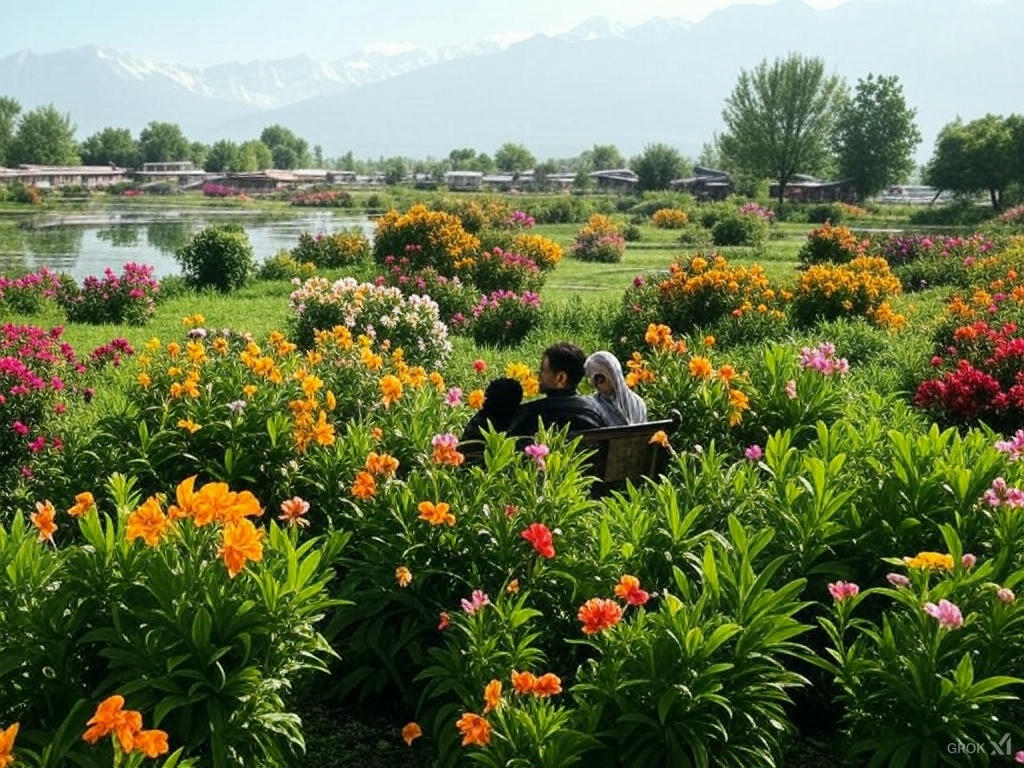
Stepping into the tulip garden is like entering a living painting. Rows upon rows of tulips in every imaginable hue—fiery reds, sunny yellows, soft pinks, deep purples, and pristine whites—stretch across the terraced landscape, framed by the snow-capped peaks of the Zabarwan Range and the shimmering waters of Dal Lake. The new varieties introduced for 2025 add fresh splashes of color and texture, from double-blooming tulips to exotic parrot tulips, ensuring that no two visits feel quite the same.

Beyond the tulips, the garden’s design enhances its allure. Water channels flow through the terraces, reflecting the vibrant blooms, while fountains and well-maintained walkways invite leisurely strolls. The air is filled with the subtle fragrance of flowers and the gentle hum of spring, offering a sensory escape that feels both tranquil and invigorating. For photographers, the garden is a dream come true, with endless opportunities to capture the interplay of light, color, and landscape against one of the most picturesque backdrops in the world.

A Cultural Celebration

The Tulip Festival is more than just a floral showcase—it’s a celebration of Kashmiri culture and hospitality. Visitors can expect a lineup of traditional music and dance performances, showcasing the valley’s rich artistic heritage. Local artisans set up stalls outside the garden, offering handmade crafts like intricately woven shawls, papier-mâché souvenirs, and wooden carvings—perfect keepsakes to commemorate the visit. Food stalls serve up authentic Kashmiri delicacies, from the hearty Rogan Josh and Gustaba to the soothing Kahwa tea, infusing the experience with the flavors of the region.

The festival also aligns with the broader “Bahar-i-Kashmir” (Spring of Kashmir) initiative, welcoming the season with open arms and reinforcing the garden’s role as a symbol of renewal and resilience. For many, it’s a chance to see Kashmir at its most vibrant, a stark contrast to the quiet, snow-laden winters that precede it.

Planning Your Visit

The tulip garden’s accessibility makes it an easy addition to any Srinagar itinerary. Located just 8 kilometers from Lal Chowk, the city’s main center, and 19 kilometers from Srinagar International Airport, it’s reachable by taxi, auto-rickshaw, or even a scenic hike for the adventurous. Entry fees remain affordable—typically ₹75 for adults, ₹30 for children, and ₹200 for foreigners—though prices may vary slightly in 2025, so it’s wise to check ahead. The garden operates daily from 9:00 AM to 7:00 PM, with online ticketing options available to streamline entry and avoid crowds.

The best time to visit is from late March to mid-April, with the first two weeks of April offering the most dazzling display. The weather during this period is pleasantly cool, averaging 10°C to 20°C, ideal for outdoor exploration. Pair your visit with nearby attractions like the Mughal gardens of Shalimar Bagh and Nishat Bagh, or a shikara ride on Dal Lake, to fully immerse yourself in Srinagar’s springtime charm.

A Blooming Future

As preparations for 2025 reach their final stages, the excitement is palpable. Workers and floriculture experts are busy putting the finishing touches on the garden, ensuring that every bulb, pathway, and vista is ready to welcome the anticipated rush of visitors. With its blend of natural splendor, cultural richness, and innovative enhancements, Srinagar’s tulip garden is poised to outshine even its previous seasons, promising a spring spectacle that will linger in memory long after the last petal falls.

So, mark your calendars and pack your bags—Srinagar’s Tulip Garden is set to bloom, and a spectacular spring awaits in 2025! Whether you’re a nature enthusiast, a culture seeker, or simply someone in search of beauty, this floral paradise offers an experience that transcends the ordinary, inviting you to witness Kashmir in its most enchanting season.

J&K Govt Plans Eco-Tourism Development in Bungus, Awaits Forest Clearance for Fund Utilization

Tourism Development in Bungus

 Chief Minister Omar Abdullah today stated that the government is planning development in Bungus as an off-beat destination and that funds for providing some basic facilities for tourists have been allocated but the utilization of funds is linked to the forest clearance being granted, which is important for planned development of the area.

The Chief Minister was responding to a question by Member Sheikh Khurshed regarding the funds utilized for the development of Bungus Valley over the last two years.

As the in-charge Minister of the Tourism Department, Chief Minister Omar Abdullah informed the Legislative Assembly that the approved allocation for the current financial year 2024-25 is Rs. 30 lakh, with Rs. 24 lakh already released.

Replying during the Question Hour of the ongoing Budget Session, the Chief Minister stated that the entire land in Bungus Valley falls under the Forest Department.

Accordingly, the matter has been taken up with the Deputy Commissioner of Kupwara for intervention in identifying land parcels for the proposed works in consultation with the Forest department.

“Once the land parcels are identified by the Forest Department, the necessary permissions and NOCs shall be sought on the Parivesh Portal for Forest Clearance,” he informed.

To maintain ecological balance, the Chief Minister said the department has focused on avoiding the construction of massive buildings and hotels.

“The aim would be to develop the area as an eco-tourism destination. The department would focus on creating basic recreation facilities, rain shelters, public conveniences, signages, lighting, and waste disposal facilities for visitors,” he told the House.

Additionally, he stated that to safeguard the livelihood of local shepherds, nomads, and other inhabitants of Bungus Valley, the J&K Tourism Department has initiated the process of registering Paying Guest Houses in the area. “This will help to preserve and promote local culture, traditions, and cuisine and would be an immersive travel experience for tourists. The house was informed that 19 paying guest houses in the proximity of Bungus Valley are registered with the Department of Tourism, Kashmir.

The Chief Minister also stated that the Bungus Festival would be organized to provide wider publicity to this scenic destination.

J&K Recorded 4.48 Crore Tourists in Two Years, Spent ₹35.08 Crore on Promotion

tourists in kashmir

The Jammu & Kashmir Government on Tuesday informed the Legislative Assembly that 4. 48 crore tourists, including 1.20 lakh foreigners, visited J&K during the past two years.

In a written reply to a question MLA Eidgah, Mubarak Gul, Minister in-charge Tourism, Omar Abdullah informed the House that 2. 12 crore tourists visited J&K in 2023 and 2.36 crore in 2024.

Of them, 55337 foreign tourists visited J&K in 2023 and 65452 in 2024, the minister said.

He said that 2.11 crore domestic tourists visited J&K in 2023 and 2.35 crore in 2024.

The government disclosed that Rs 35.08 crore have been spent for promotion, advertisement and allied activities by the Department of Tourism during the past two financial years.

Of which Rs 14. 14 crore were spent in 2023-34 and Rs 20.94 crore in 2024-25, the minister said.

He also said that 59 assets of the Tourism Department have been outsourced in the past two years—(KNO)

Gulmarg Snow Adventures: A Winter Wonderland in Kashmir

skiing-in-gulmarg

If you’re someone who loves snow, adventure, and stunning views, then Gulmarg in Kashmir should be on your travel list. Known as one of India’s top winter destinations, Gulmarg turns into a magical snowy playground every year, pulling in visitors from all over the world. Whether you’re a thrill-seeker or just want to soak in the beauty of nature, Gulmarg snow adventures have something for everyone. Let me take you through what makes this place so special.

A Snowy Paradise

Tucked away in the Pir Panjal range of the Himalayas, Gulmarg sits at about 2,650 metres above sea level. Come winter—usually from December to March—the whole area gets blanketed in thick, powdery snow. It’s not just the amount of snow that’s impressive; it’s how pristine and untouched it feels. The meadows, pine forests, and towering mountains all dressed in white create a postcard-perfect scene that’s hard to beat.

Skiing: The Star of the Show

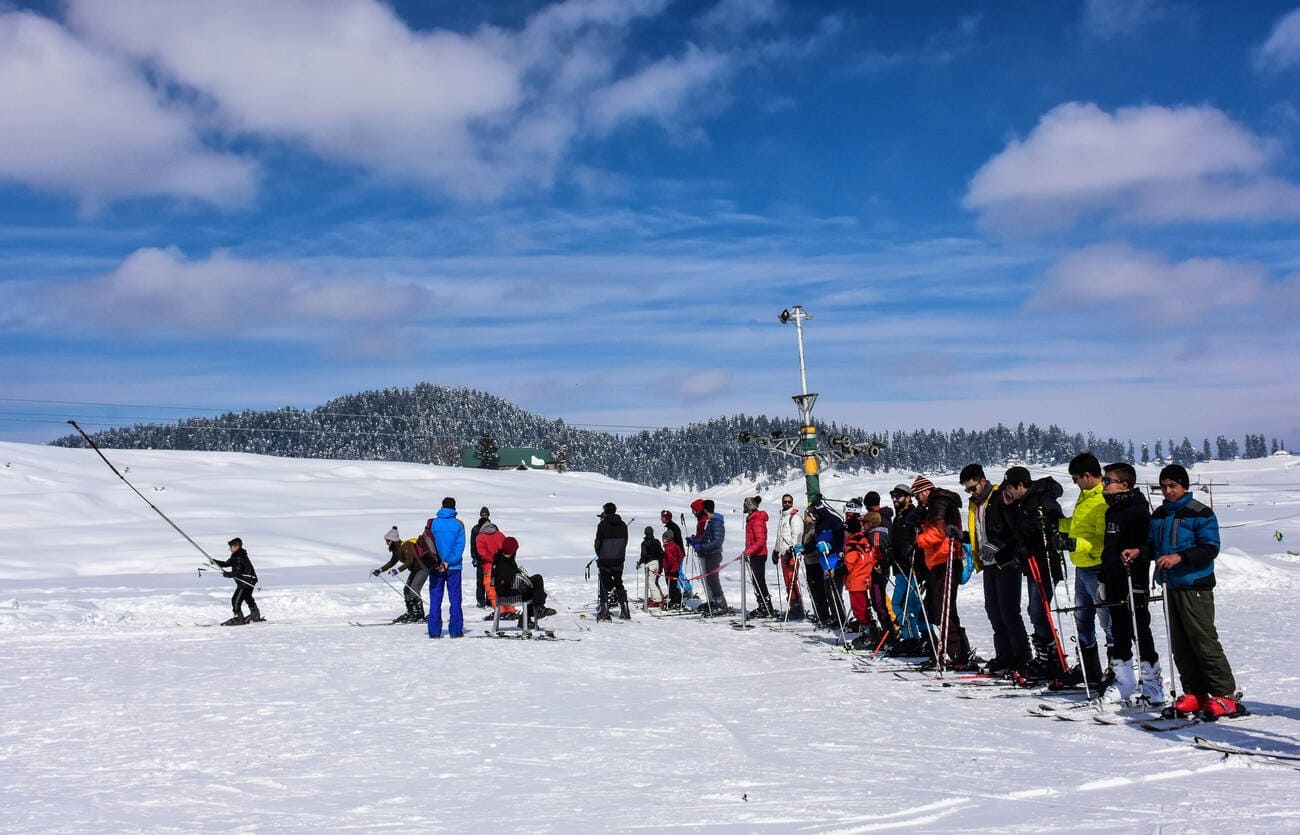
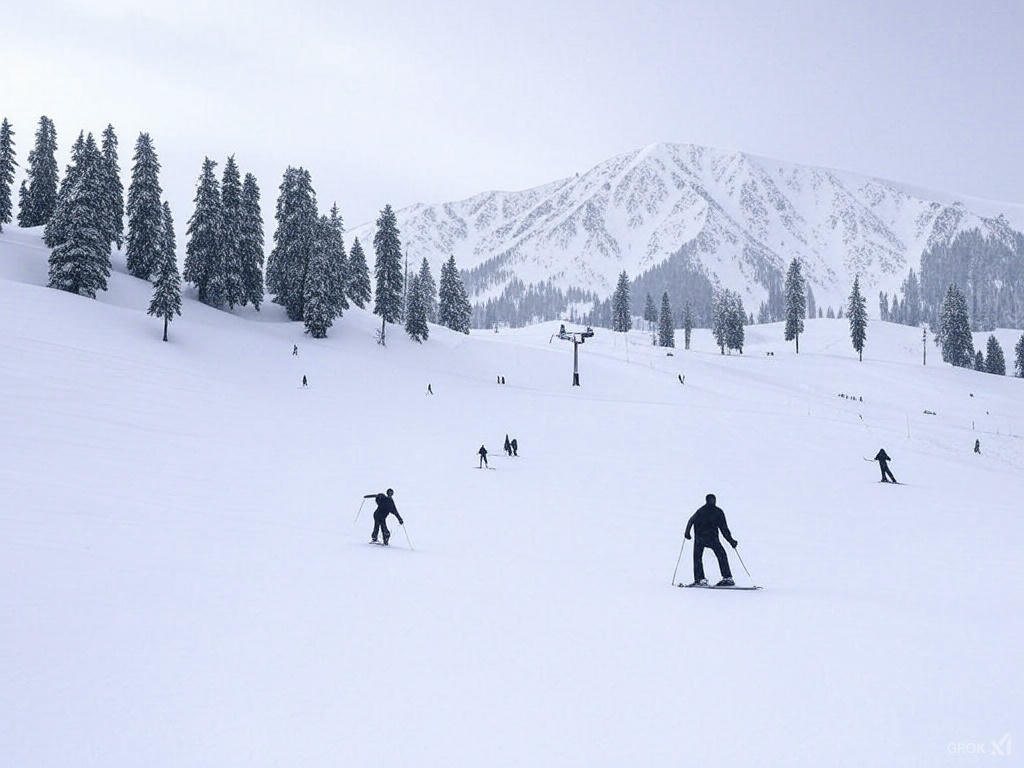
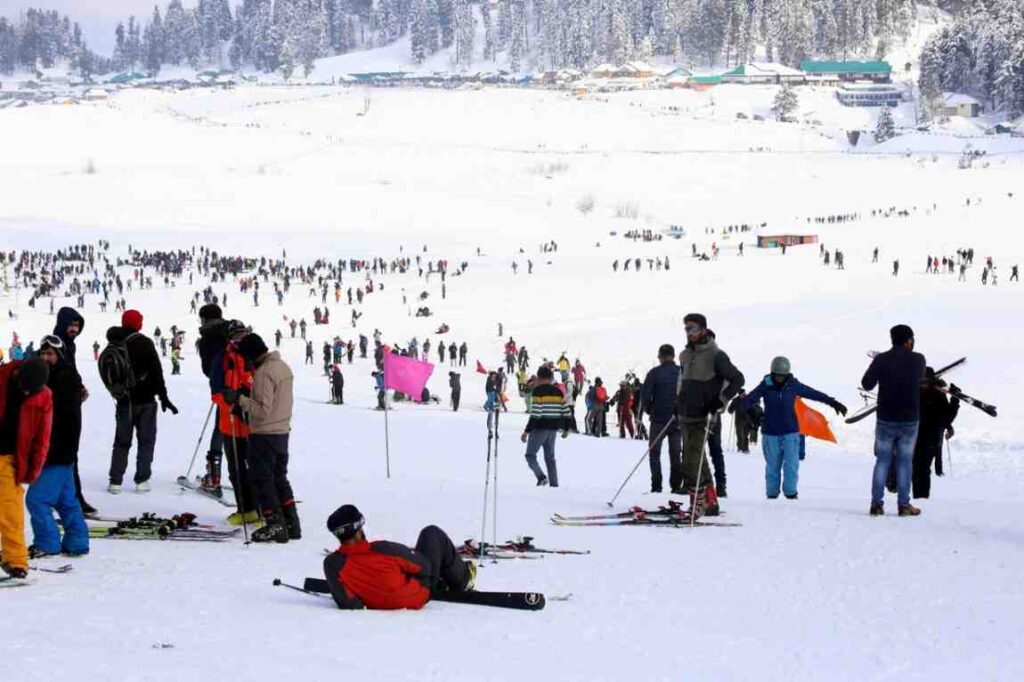
When you think of Gulmarg snow adventures, skiing is the first thing that comes to mind. It’s called the “skiing capital of India” for a reason! The slopes here are some of the best in Asia, with powdery snow that’s a dream for skiers. Whether you’re a beginner sliding down gentle slopes or a pro tackling the steep drops from Apharwat Peak, there’s a run for you.

The Gulmarg Gondola, one of the highest cable cars in the world, takes you up to nearly 4,000 metres. From there, you get access to off-piste skiing—wild, untouched runs that feel like an adventure all on their own. If you’ve never skied before, don’t worry—there are plenty of instructors and rental shops around to get you started.

Gondola Project

Snowboarding and More

Skiing isn’t the only way to enjoy the snow. Snowboarding has been picking up in Gulmarg too, with the same epic slopes offering a rush for boarders. For those who prefer something less intense, there’s snowmobiling, sledging, or even just building a snowman with the kids. The locals are super friendly and often happy to show you the ropes—or lend you a sledge!

A Ride on the Gondola

Even if you’re not into sports, the Gulmarg Gondola is worth a ride. It’s split into two phases: the first takes you from the base to Kongdori, and the second climbs higher to Apharwat. The views? Jaw-dropping. You’ll see snow-covered peaks stretching out forever, with the Nanga Parbat mountain peeking through on clear days. It’s a peaceful way to take in the beauty of Gulmarg without breaking a sweat.

Winter Trekking and Nature

For the adventurous souls who like to explore on foot, winter treks around Gulmarg are a treat. Trails like the one to Alpather Lake (frozen solid in winter) give you a mix of challenge and reward. The crunch of snow under your boots, the crisp mountain air, and the silence of the forest—it’s hard not to feel alive out there. Just make sure you’ve got a guide if you’re new to the area, as the snow can hide the paths.

Cosy Up After the Fun

After a day of snow adventures, Gulmarg knows how to help you unwind. You can warm up with a cup of Kashmiri kahwa (a spiced tea) or dig into a hot plate of rogan josh at a local eatery. The hotels and guesthouses here range from budget-friendly to fancy, many with fireplaces to keep you toasty. Sitting by the window, watching the snow fall outside, is the perfect way to end a day.

Tips for Your Trip

  • Best Time: December to March for the snowiest experience.
  • What to Pack: Warm layers, waterproof boots, gloves, and sunglasses (the snow glare is real!).
  • Getting There: Fly to Srinagar (about 50 km away) and then take a taxi or bus to Gulmarg.
  • Stay Safe: Check weather updates and stick to marked areas if you’re skiing or trekking.

Why Gulmarg?

Gulmarg isn’t just about the snow—it’s about the vibe. It’s quieter than some other tourist spots, with a laid-back charm that lets you really connect with the mountains. Whether you’re flying down a slope, sipping tea, or just staring at the peaks, it’s a place that sticks with you.

So, if you’re craving a proper winter adventure, pack your bags and head to Gulmarg. The snow’s waiting!

, Gulmarg Fully Booked for New Year

Gulmarg is a popular hill station and tourist destination located in the Baramulla district of Jammu and Kashmir, India. While it doesn’t have a single “street address” like a city building, I can provide you with a detailed description of its location for clarity.

Detailed Address of Gulmarg:

  • Town: Gulmarg
  • District: Baramulla
  • Union Territory: Jammu and Kashmir
  • Country: India
  • Postal Index Number (PIN Code): 193403
  • Geographical Coordinates: Approximately 34.0484° N latitude and 74.3805° E longitude
  • Altitude: 2,650 meters (8,694 feet) above sea level
  • Location Description: Gulmarg is situated in the Pir Panjal Range of the Western Himalayas, about 50 kilometers (31 miles) southwest of Srinagar, the summer capital of Jammu and Kashmir, and approximately 31 kilometers (19 miles) from the town of Baramulla. It lies within the boundaries of the Gulmarg Wildlife Sanctuary and is accessible via the Srinagar-Tangmarg-Gulmarg road.

How to Reach Gulmarg:

  • By Air: The nearest airport is Sheikh Ul Alam International Airport in Srinagar, about 56 kilometers (35 miles) from Gulmarg. From there, you can hire a taxi or take a bus to reach Gulmarg.
  • By Rail: The closest railway station is Jammu Tawi Railway Station, approximately 290 kilometers (180 miles) away. However, a more convenient option is to travel to Baramulla Railway Station (around 53 kilometers from Gulmarg) and then take a taxi or local transport.
  • By Road: Gulmarg is well-connected by road. From Srinagar, you can drive or take a bus/taxi via the National Highway 1A (NH1A) to Tangmarg (about 39 kilometers from Srinagar), and then continue on the Tangmarg-Gulmarg Road, a steep 13-kilometer (8-mile) stretch that leads to Gulmarg.

Nearby Landmarks:

  • Tangmarg: A small town 13 kilometers before Gulmarg, often a stopover point.
  • Gulmarg Gondola: A famous cable car located within Gulmarg, one of the highest in the world, starting from the main town area.
  • Apharwat Peak: A prominent peak accessible from Gulmarg, about 14 kilometers from the town center via the Gondola.

For postal purposes, if you’re sending something to Gulmarg, you’d typically address it with the town name, district, and PIN code, like this:

Example Postal Address:
[Recipient Name]
Gulmarg, Baramulla District
Jammu and Kashmir – 193403
India

Kashmir Tourism 2025: Why This Record-Breaking Destination Is the Must-Visit Spot of the Year—Don’t Miss Out

Kashmir Tourism 2025

Nestled in the northernmost reaches of India, Kashmir has long been celebrated as “Paradise on Earth” for its breathtaking landscapes, serene lakes, and snow-capped Himalayan peaks. In 2025, this enchanting valley is poised to cement its status as a global tourism hotspot, riding the wave of a record-breaking 3 million visitors in 2024 and a staggering 12,000 tourists in the first week of January 2025 alone. With its irresistible blend of natural beauty, cultural richness, and newfound accessibility, Kashmir is not just a destination—it’s the must-visit spot of the year. Here’s why you can’t afford to miss out in 2025.

A Record-Breaking Start to 2025

Kashmir’s tourism boom shows no signs of slowing down. After welcoming over 3 million visitors in 2024—a 10% increase from the 2.7 million in 2023—the valley kicked off 2025 with an unprecedented surge. Government data reports that more than 12,000 tourists flocked to Kashmir in the first week of January, doubling the numbers from the same period in previous years. This explosive start is a testament to the region’s growing allure, fueled by its winter charm, improved infrastructure, and a global reputation bolstered by events like the G20 Tourism Working Group meeting in Srinagar in 2023.

The Christmas and New Year holidays saw both domestic and international travelers descend upon iconic destinations like Gulmarg and Srinagar, drawn by fresh snowfall that transformed the valley into a winter wonderland. But even as the festive rush subsided, the influx continued unabated, signaling that Kashmir’s appeal transcends seasonal peaks. “We’re optimistic that 2025 will surpass all previous records,” says Raja Yaqoob, Director of Tourism Kashmir, reflecting the confidence of a region ready to welcome the world.

Why Kashmir Stands Out in 2025

So, what makes Kashmir the ultimate destination this year? It’s a perfect storm of natural splendor, cultural vibrancy, and strategic enhancements that elevate it above other travel hotspots.

  1. Unmatched Winter Beauty
    Kashmir in winter is a sight to behold. The recent snowfall in early 2025 has blanketed popular spots like Gulmarg, Pahalgam, and Sonamarg in pristine white, turning them into playgrounds for skiers, snowboarders, and snow enthusiasts. Gulmarg, home to one of Asia’s premier ski resorts, offers slopes that rival European destinations—at a fraction of the cost. Meanwhile, Srinagar’s Dal Lake, fringed with icy houseboats, provides a serene contrast to the adrenaline of the mountains. For those seeking Instagram-worthy moments, Kashmir’s winter vistas are unbeatable.
  2. A Year-Round Destination
    While winter draws crowds for its snow-laden charm, Kashmir’s appeal spans all seasons. Spring brings the vibrant hues of the Indira Gandhi Tulip Garden, Asia’s largest, with millions of blooms set against the Zabarwan hills. Summer offers cool escapes to meadowed valleys like Yusmarg and Doodhpathri, while autumn cloaks the Chinar trees in fiery reds and golds. In 2025, the Tourism Department’s push to develop 75 new attractions—heritage sites, adventure spots, and offbeat locales—ensures there’s always something fresh to explore, no matter when you visit.
  3. Cultural Riches and Warm Hospitality
    Kashmir’s soul lies in its people and their traditions. From the intricate craftsmanship of Pashmina shawls and Kashmiri carpets to the soul-warming flavors of Wazwan cuisine, the valley offers a cultural immersion that’s both authentic and welcoming. Local markets buzz with activity as tourists snap up souvenirs like Pherans and shawls, especially post-snowfall when the chill demands cozy layers. The Kashmiri people, known for their hospitality, make every visitor feel at home, turning a trip into a heartfelt experience.
  4. Improved Accessibility and Infrastructure
    Gone are the days when Kashmir felt remote. The Srinagar International Airport connects the valley to major Indian cities and welcomes international flights, while the ongoing expansion of National Highway 44 promises smoother road travel. The Tourism Department’s efforts to enhance connectivity, coupled with upgraded facilities like homestays and tented colonies in offbeat areas, make exploring Kashmir easier than ever. Add to that a bolstered security framework, and the valley feels safer and more inviting, dispelling outdated perceptions of instabilit.
  1. Global Spotlight and Sustainability
    The 2023 G20 meeting didn’t just put Kashmir on the map—it made it a star. Delegates who attended became ambassadors of its beauty, prompting a 16% spike in international visitors in 2024 (43,654 compared to 37,677 in 2023). In 2025, the focus is on sustainable tourism, with initiatives to preserve the valley’s fragile ecology while promoting high-end experiences. Eco-conscious travelers will find plenty to love, from community-led conservation efforts to the pristine allure of lesser-known gems like Gurez and Lolab Valley.

Must-Visit Spots in 2025

Kashmir’s diversity means there’s something for everyone. Here are the top picks for your 2025 itinerary:

  • Gulmarg: Ski down powdery slopes or ride the Gulmarg Gondola, one of the world’s highest cable cars, for panoramic views.
  • Srinagar: Glide across Dal Lake on a Shikara, visit the Mughal Gardens, and soak in the city’s timeless charm.
  • Pahalgam: Trek to Betaab Valley or Aru, where snowmelt rivers and pine forests create a postcard-perfect scene.
  • Sonamarg: Known as the “Meadow of Gold,” it’s a gateway to glacier hikes and jaw-dropping vistas.
  • Doodhpathri: An emerging favorite, this “Valley of Milk” offers untouched meadows and tranquility away from the crowds.

Challenges and the Path Forward

Despite its meteoric rise, Kashmir’s tourism sector isn’t without hurdles. Infrastructure in remote areas still lags, with spotty internet and road access posing occasional inconveniences. The environmental strain from millions of visitors also looms large, with calls for stricter waste management and eco-friendly practices growing louder. The Tourism Department is tackling these issues head-on, promoting ecotourism and regulating tourist flow to protect the valley’s delicate ecosystem.

Don’t Miss Out—Plan Your Trip Now!

Kashmir in 2025 isn’t just a destination; it’s a phenomenon. With record-breaking numbers, unparalleled beauty, and a renewed global appeal, it’s the place to be this year. Whether you’re chasing adventure, serenity, or a cultural deep dive, Kashmir delivers—and then some. Book your trip now, because this paradise is waiting, and the world is already beating a path to its door. Don’t be the one left behind!

Reasi Delegation Meets LG Manoj Sinha to Discuss Development and Tourism Promotion

Reasi Delegation

A delegation of elected public representatives from Reasi led by Jugal Kishore Sharma, Member of Parliament called on Lieutenant Governor Manoj Sinha, today.

The delegation comprises of Saraf Singh Nag, Chairman, District Development Council Reasi; Baldev Raj Sharma and Kuldeep Raj Dubey- Members of Legislative Assembly, submitted a memorandum of demands pertaining to development of Shiv Khori Shrine, promotion of tourism potential areas and upgradation of Tourism, Water, Power and Health infrastructure, and various other public important issues of Reasi District.

The Lieutenant Governor assured the members of the delegation that appropriate action will be taken for redressal of the issues projected by them.