Pakistan Loses ₹1,240 Crore After Airspace Ban on Indian Aircraft Backfires Economically

Air India San Francisco

Pakistan has suffered massive financial losses after shutting its airspace to Indian-registered aircraft, with the Pakistan Airports Authority (PAA) losing over Rs 1,240 crore (PKR 4.1 billion) in just over two months, according to a statement by its Ministry of Defence in the National Assembly on Friday, Dawn reported.

According to Dawn, the closure, which Islamabad claimed was in retaliation to India’s suspension of the Indus Waters Treaty on April 23, came into effect from April 24, when Pakistan withdrew overflight permission for all Indian-registered aircraft and those operated, owned, or leased by Indian carriers.

The move, however, backfired economically. The PAA’s revenue from overflying charges plunged between April 24 and June 30, nearly affecting 100-150 Indian aircraft daily and slashing Pakistan’s transit air traffic by almost 20 per cent, as per Dawn.

The Pakistani defence ministry admitted the financial setback but tried to justify it by saying, “Sovereignty and national defence take precedence over economic considerations.” Officials also claimed such measures were issued via Notices to Airmen (NOTAMs) for “strategic and diplomatic” reasons.

According to the ministry’s own data, PAA’s average daily overflight revenue in 2019 was $508,000, compared to $760,000 in 2025, meaning the ban is costing Pakistan far more now than during the previous standoff, Dawn reported.

Currently, Pakistan’s airspace remains open to all except Indian airlines and aircraft, with the ban extended twice and now set to last until the last week of August.

Indian carriers continue unaffected on other international routes, while Pakistani airlines are still barred from entering Indian airspace.

The airspace standoff began after the April 22 Pakistan-sponsored terror attack in Pahalgam, Jammu & Kashmir, which killed 26 people. In response, India banned all Pakistani-operated, owned or leased aircraft, including military flights, from entering Indian skies from April 30.

Minister of State for Civil Aviation Murlidhar Mohol said the NOTAM restricting Pakistani aircraft from entering Indian airspace has been extended till August 23, 2025, citing “prevailing security protocols and strategic considerations.” (ANI)

UN Chief Gravely Alarmed as Israel Approves Plan to Take Control of Gaza City

UN Chief

United Nations Secretary-General Antonio Guterres has voiced deep concern over Israel’s latest decision to “take control of Gaza City,” warning that the move risks intensifying the already dire humanitarian crisis in the region and could lead to catastrophic consequences for millions of Palestinians.

Guterres: Decision Marks a Dangerous Escalation

In a strongly worded statement released on Friday, Guterres described Israel’s decision as a “dangerous escalation” that threatens to deepen the suffering in Gaza and endanger additional lives, including those of the remaining hostages.

“Palestinians in Gaza continue to endure a humanitarian catastrophe of horrific proportions,” the UN chief said. “This further escalation will result in additional forced displacement, killings, and massive destruction, compounding the unimaginable suffering of the Palestinian population in Gaza.”

He reiterated his urgent call for:

  • A permanent ceasefire
  • Unimpeded humanitarian access across the Gaza Strip
  • The immediate and unconditional release of all hostages

Guterres also reminded Israel of its obligations under international law, referring to the International Court of Justice’s (ICJ) Advisory Opinion of July 19, 2024, which called on Israel to halt all new settlement activity, evacuate settlers from the Occupied Palestinian Territory, and end its unlawful presence there.

Israel’s Security Cabinet Backs Netanyahu’s Proposal

The warnings from the UN came shortly after Israel’s security cabinet approved Prime Minister Benjamin Netanyahu’s plan to occupy Gaza City — a move framed by the Israeli government as part of its strategy to defeat Hamas.

According to the Prime Minister’s Office (PMO), the cabinet endorsed five guiding principles for ending the conflict:

  1. Disarmament of Hamas
  2. Return of all 50 remaining hostages (20 believed to be alive)
  3. Demilitarization of the Gaza Strip
  4. Israeli security control over the Gaza Strip
  5. Creation of an alternative civilian government not led by Hamas or the Palestinian Authority

The PMO also stated that humanitarian aid will be provided to civilians outside combat zones.

Internal Israeli Debate Over the Plan

Reports from The Times of Israel suggest that not all Israeli officials support the move. IDF Chief of Staff Eyal Zamir has reportedly opposed the occupation plan, warning that it could worsen the humanitarian disaster and jeopardize the lives of hostages.

It is also unclear why the cabinet statement only specifies the occupation of Gaza City, rather than the entire Gaza Strip, despite Netanyahu’s earlier comments about a broader takeover. Gaza City remains part of the 25% of the territory still not under full Israeli control, along with several central refugee camps.

International Law and the Two-State Solution

Guterres stressed that there can be “no sustainable solution” to the conflict without ending what he termed the unlawful occupation and achieving a viable two-state solution. He reaffirmed that Gaza must remain an integral part of a Palestinian state.

The ICJ’s ruling has added weight to international calls for Israel to change course, warning that prolonged military occupation and settlement expansion are incompatible with international law.

Humanitarian Situation in Gaza

The humanitarian conditions in Gaza have been described by aid agencies as catastrophic. Severe shortages of food, water, medicine, and shelter have been compounded by ongoing fighting and displacement. According to UN estimates, the conflict has displaced millions of Palestinians and left entire neighbourhoods in ruins.

Humanitarian organisations fear that a full-scale military push into Gaza City will exacerbate the crisis, further limiting access for aid workers and medical teams.

Conclusion

As Israel moves forward with its plan to seize Gaza City, global attention is now focused on whether diplomatic efforts can prevent further escalation. While Netanyahu’s government insists the move is necessary to defeat Hamas, the United Nations and many world leaders warn that the strategy could ignite a deeper and more prolonged conflict — with devastating consequences for civilians on both sides.

Whether the August 2025 developments will open a new chapter in the Gaza war or push the region closer to a negotiated settlement remains uncertain. For now, the UN’s calls for restraint, humanitarian access, and a two-state solution continue to clash with Israel’s military ambitions.


CRPF Trooper Dies by Suicide in Anantnag, Police Launch Inquest

Kashmir’s 2025 Food Safety Crackdown: 3,500 kg Rotten Meat Seized

Huma Qureshi’s Cousin Asif Qureshi Murdered in Delhi Parking Dispute, Two Arrested

Kashmir Administration Officially Banned 25 Books including Maulana Maududi’s Al-Jihad fil Islam

Trump to Meet Putin in Alaska on August 15 to Push Russia-Ukraine Peace Deal

trump

Washington: US President Donald Trump has announced that he will meet Russian President Vladimir Putin next Friday, August 15, 2025, in Alaska. The meeting is expected to focus heavily on efforts to broker a peace deal between Russia and Ukraine.

Trump revealed the details on his Truth Social account. He wrote, “The highly anticipated meeting between myself, as President of the United States of America, and President Vladimir Putin, of Russia, will take place next Friday, August 15, 2025, in the Great State of Alaska. Further details to follow. Thank you for your attention to this matter!”

Speaking earlier at the White House during the signing of the Armenia-Azerbaijan peace accord, Trump also hinted at progress on the Russia-Ukraine conflict.

“I came in, and this whole world was on fire, and all these things were sort of happening. We have only been here six months. The world was on fire, and we took care of just about every fire, and we’re working on another one very strongly with Russia and Ukraine. We will have some more information for you a little bit later,” Trump said.

He also said that his “highest aspiration is to bring peace and stability in the world.”

When asked about the Russia-Ukraine peace efforts during the Armenia-Azerbaijan accord event, Trump said, “Russia, as you know, lost almost 25,000 over the last month and a half. Ukraine lost just a few, and lots of people are dying, and we are getting very close and will announce later on. We will have a meeting with Russia, and we will announce a location. The location will be a very popular one for lots of reasons. We will announce it a little later, and don’t want to do it now because of the importance of what we just did.”

On being asked how far negotiations had progressed, Trump replied, “We are getting very close to a deal. Working with European nations, who are terrific people and leaders, is a pleasure through NATO. I became very friendly with them and agreed to go from 2 per cent to 5 per cent that they have already paid. And we are working together very closely. In all fairness to President Zelensky, he is getting everything he needs, assuming we will get something done. I will be meeting very shortly with President Putin. It would have been sooner, but I guess there are security arrangements that unfortunately people have to make.”

Trump also said that a deal to end the war in Ukraine would involve some exchange of territory.

“It’s very complicated. But we’re going to get some [territory] back, and we’re going to get some switched. There’ll be some swapping of territories to the betterment of both, but we’ll be talking about that either later, or tomorrow,” he said. (ANI)

CRPF Trooper Dies by Suicide in Anantnag, Police Launch Inquest

Kashmir’s 2025 Food Safety Crackdown: 3,500 kg Rotten Meat Seized

Huma Qureshi’s Cousin Asif Qureshi Murdered in Delhi Parking Dispute, Two Arrested

Kashmir Administration Officially Banned 25 Books including Maulana Maududi’s Al-Jihad fil Islam

PM Modi Invites Putin to India for 23rd Annual Summit Amid Tariff Tensions

Modi Invites Putin

Prime Minister Narendra Modi on Friday said that he had a telephone conversation today with Vladimir Putin and invited him to visit India later this year for the Annual Bilateral Summit.

“Had a very good and detailed conversation with my friend President Putin. I thanked him for sharing the latest developments on Ukraine. We also reviewed the progress in our bilateral agenda, and reaffirmed our commitment to further deepen the India-Russia Special and Privileged Strategic Partnership. I look forward to hosting President Putin in India later this year.” PM Modi said in a statement on X.

The development comes amid ongoing tensions following the imposition of tariffs on India for buying Russian oil.

During their telephone call today, President Putin briefed PM on the latest developments concerning Ukraine, as per a statement by the External Affairs Ministry.

The two leaders also reviewed progress in the bilateral agenda, and reaffirmed their commitment to further deepen the Special and Privileged Strategic Partnership between India and Russia.

Prime Minister invited President Putin to India later this year for the 23rd India-Russia Annual Summit.

Putin had on Thursday received India’s National Security Advisor Ajit Kumar Doval at the Kremlin.

Prime Minister Modi had visited Russia last year and he and President Vladimir Putin highly appreciated the special nature of this time-tested relationship, which is based on trust, mutual understanding and strategic convergence. (ANI)

Israel Security Cabinet Approves Netanyahu’s Plan to Occupy Gaza City and Defeat Hamas

Gaza Ceasefire

Israel’s security cabinet on Friday approved a plan from Israel’s Prime Minister Benjamin Netanyahu to occupy Gaza City, the Prime Minister’s Office said, The Times of Israel reported.

As per The Times of Israel, Israel will provide humanitarian aid to the civilian population outside of combat zones, the PMO said in a statement on what it says was the decision by the cabinet to back Netanyahu’s “proposal to defeat Hamas.”

The Israeli cabinet approved a list of five principles to abide by in exchange for ending the conflict.

As per the Times of Israel, the principles are- the disarmament of Hamas, the return of all 50 remaining hostages, 20 of whom are believed to be alive, the demilitarization of the Gaza Strip, Israeli security control over the Gaza Strip, the existence of an alternative civilian government that is not Hamas or the Palestinian Authority.

An overwhelming majority of ministers determined that the alternative plan presented to the security cabinet would not have secured the defeat of Hamas or the return of the hostages, the PMO said.

The statement doesn’t elaborate on the aforementioned alternative plan, but it appears to be referring to a proposal presented by IDF Chief of Staff Eyal Zamir, who has expressed his opposition to occupying the Gaza Strip, fearing it will lead to a humanitarian disaster, while risking the lives of the hostages.

It’s unclear why the statement only refers to conquering Gaza City and not the occupation of the entirety of the Gaza Strip, as Netanyahu declared on Thursday was his plan, as per The Times of Israel.

Gaza City is part of the 25 per cent of the Strip that the IDF has yet to conquer, along with several refugee camps in central Gaza.

It’s unclear whether those other unconquered areas outside of Gaza City will also be taken over, as part of the plan authorized by the security cabinet. (ANI)

CM Omar Abdullah Reaffirms Commitment to Gurez’s Development

Rahul Gandhi Alleges Modi Can’t Oppose Trump Due to U.S. Probe into Adani-Russia Oil Links

J&K Police Raid Srinagar Bookshops to Seize Banned Books Promoting Anti-National Content

Kashmir Administration Officially Banned 25 Books including Maulana Maududi’s Al-Jihad fil Islam

Bangladesh to Hold Elections in February 2026, First Since Sheikh Hasina’s Ouster

Bangladesh to Hold Elections

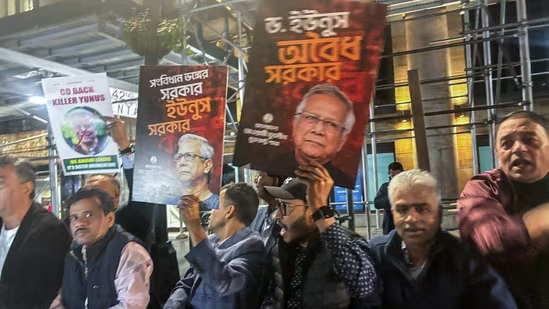
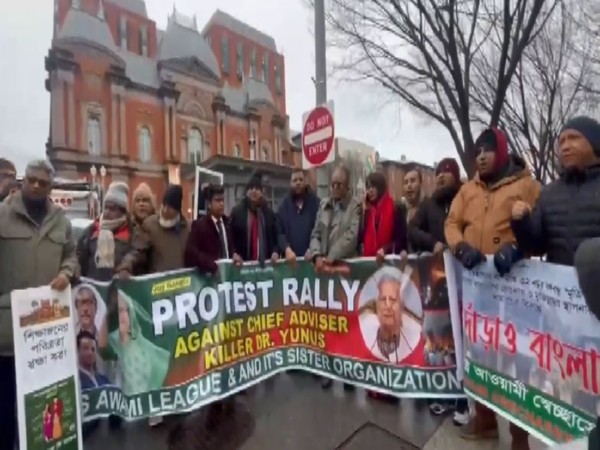
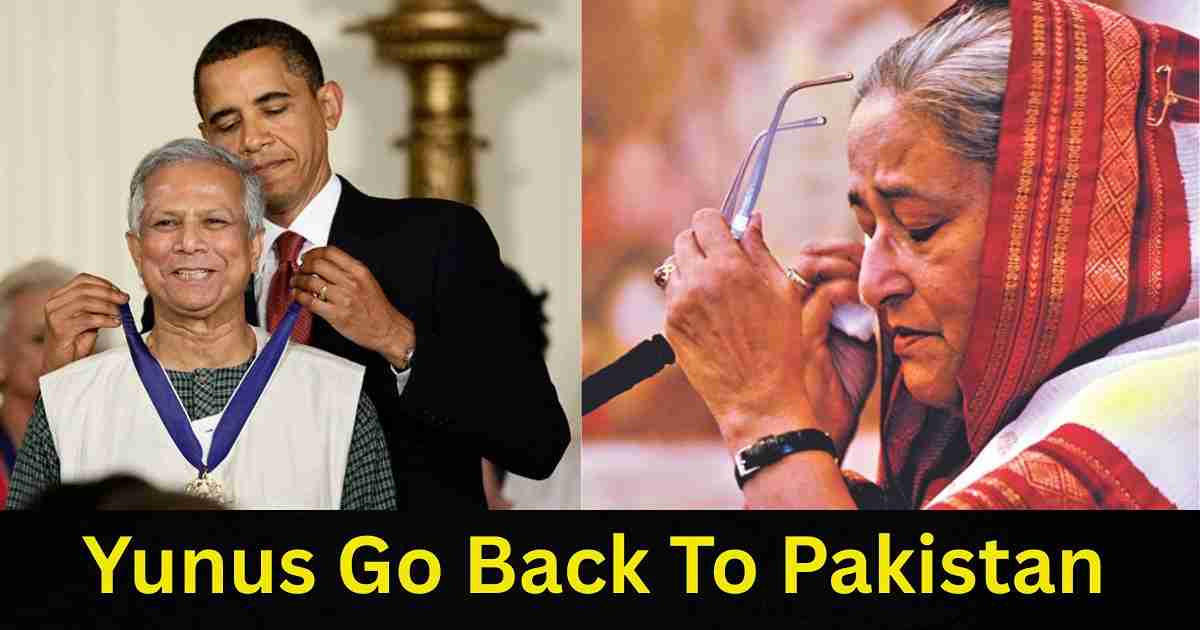
Bangladesh’s interim government which is seen as an authoritarian rule has announced that the country will hold parliamentary elections in February 2026, its first since the ousting of former Prime Minister Sheikh Hasina last year. The decision, declared by Chief Adviser Muhammad Yunus during a televised address marking the anniversary of the July Uprising, marks a key step in the country’s return to electoral democracy.

Yunus, who took over the leadership of the caretaker government following the collapse of Hasina’s regime in August 2024, said the interim administration would formally request the Election Commission to conduct the polls before the start of Ramadan. The Nobel laureate reaffirmed the government’s commitment to ensuring free, fair, and inclusive elections, pledging full support to the electoral body.

The announcement comes amid ongoing political flux and deepening divisions over the timeline and legitimacy of upcoming elections. Yunus had initially proposed June 2026 as a possible date, but pressure from various political groups including the Bangladesh Nationalist Party (BNP), Jamaat-e-Islami, and the student-led National Citizen Party (NCP)pushed for an earlier schedule.

February’s vote will be the first since the toppling of Hasina’s 15-year rule, which ended after weeks of mass student-led protests last year. Hasina left the country in early August 2024. She currently faces trial in absentia in Bangladesh on charges related to a violent crackdown on protestors during her final months in office. The charges include allegations of crimes against humanity, which she denies.

As part of his address, Yunus also reiterated the interim government’s reform agenda by reading out the “July Declaration” a document that outlines a framework for constitutional reform, justice for past abuses, and the institutionalisation of democratic norms. While supporters of the declaration hail it as a turning point, critics argue that it lacks legal weight and could remain symbolic unless accompanied by concrete institutional changes.

Since Hasina’s departure, the Awami League has been banned and hundreds of its supporters have been detained without trial, according to human rights groups and local media reports. The situation remains volatile, with sporadic unrest and concerns about political violence still looming.

Nine Soldiers Missing After Flash Floods Hit Army Camp in Uttarakhand’s Harshil

Supreme Court to Hear Plea on August 8 Seeking Time-Bound Restoration of J&K Statehood

Mehbooba Mufti Slams Centre on Article 370 Anniversary, Calls It a Threat to Democracy Across India

UNICEF: 28 Children Killed Daily in Gaza as Humanitarian Crisis Worsens Amid Ongoing Conflict

28 Children Killed Daily in Gaza

In a harrowing report, the United Nations Children’s Fund (UNICEF) has stated that an average of 28 children are being killed every day in Gaza, primarily due to bombings, starvation, and a lack of critical humanitarian assistance. The figure—comparable to the size of a typical classroom—represents the catastrophic human cost of the ongoing conflict in the besieged Palestinian territory.

“Death by bombardments. Death by malnutrition and starvation. Death by lack of aid and vital services,” UNICEF posted on X (formerly Twitter). “Gaza’s children need food, water, medicine, and protection. More than anything, they need a ceasefire, NOW.”

According to Al Jazeera, over 18,000 children have been killed in Gaza since October 7, 2023, when Hamas launched a surprise attack on southern Israel. In total, the death toll in Gaza has surpassed 60,933, with more than 150,000 people injured, making this one of the deadliest conflicts in recent history.


Aid Blockade and Famine Deepen Humanitarian Catastrophe

Since March 2, 2025, Israel has closed most crossings into Gaza, severely restricting the entry of life-saving humanitarian supplies. According to Gaza’s Government Media Office, only 86 aid trucks have been entering daily—just 14% of the minimum 600 trucks needed to meet basic needs such as food, fuel, and medical supplies. The shortage has triggered a devastating famine across Gaza.

UN experts and over 150 humanitarian organisations have urgently appealed for a permanent ceasefire to facilitate aid deliveries and help Gaza’s children and families recover from what many are calling a “lost generation.”


Ongoing Strikes and Civilian Deaths

On Wednesday, at least 83 more people were killed in Israeli strikes across Gaza, including 58 individuals who were reportedly seeking aid. In response to the mounting civilian toll, the Palestinian Civil Defence has made an urgent appeal to the UN and other international organisations for fuel and equipment to rescue the wounded and retrieve bodies from the rubble.

The Israeli army acknowledged that six countries have recently airdropped 110 aid packages into Gaza. Since July 27, a total of 785 packages have been delivered by air—still a fraction of what is urgently needed on the ground.


Military Escalation and Political Uncertainty

As humanitarian conditions worsen, Israeli Prime Minister Benjamin Netanyahu has reportedly met with top security officials to review military strategies, including the option of a full occupation of Gaza. The discussions come amidst growing international pressure to halt the conflict and protect civilians.

Despite mounting global appeals, a durable ceasefire remains elusive. Meanwhile, Gaza’s children—symbolizing both the tragedy and hope of a battered region—continue to bear the brunt of a war they did not start.


Call for Global Action

Human rights advocates warn that Gaza is facing a generational trauma, and that the world must act now to prevent further loss of innocent lives. UNICEF and other agencies reiterate that no child should die from hunger, bombing, or lack of medicine.

“The children of Gaza are not statistics. They are sons and daughters, students and dreamers. What they need most now is peace,” said a UN spokesperson.

As the crisis deepens, the global community is being urged to move beyond statements and deliver real, coordinated humanitarian relief and diplomatic action—before it is too late.


Nine Soldiers Missing After Flash Floods Hit Army Camp in Uttarakhand’s Harshil

Supreme Court to Hear Plea on August 8 Seeking Time-Bound Restoration of J&K Statehood

Mehbooba Mufti Slams Centre on Article 370 Anniversary, Calls It a Threat to Democracy Across India

Trump Says ‘Don’t Care What India Does with Russia’, Slams BRICS and Warns Medvedev Over War Talk

trump

US President Donald Trump on Wednesday (local time) claimed that he did not care about India’s dealing with Russia.

Trump further warned that Deputy Chair of the Security Council of Russia and former Russian President Dmitry Medvedev should watch his words and not enter dangerous territory.

“I don’t care what India does with Russia. They can take their dead economies down together, for all I care. We have done very little business with India, their tariffs are too high, among the highest in the world. Likewise, Russia and the USA do almost no business together. Let’s keep it that way, and tell Medvedev, the failed former President of Russia, who thinks he’s still President, to watch his words. He’s entering very dangerous territory!” Trump said in a post on Truth Social.

On July 28, Medvedev had said that Trump should not go down the ‘Sleepy Joe road’ and that any ultimatum on Russia is a “step towards war”.

In a post on X, he said, “Trump’s playing the ultimatum game with Russia: 50 days or 10… He should remember 2 things: 1. Russia isn’t Israel or even Iran. 2. Each new ultimatum is a threat and a step towards war. Not between Russia and Ukraine, but with his own country. Don’t go down the Sleepy Joe road!”

The comments come as on Wednesday (local time), Trump sharply attacked India’s trade barriers and directly targeted its Russian oil purchases and military equipment. He doubled down on his threat to impose 25 per cent tariffs on all Indian imports and threatened an additional “penalty” in response to India’s energy purchases.

Trump’s tariff escalation comes on the heels of a series of deals with major US trading partners that have set a rough baseline for tariffs of between 15 per cent and 20 per cent, and included a series of pledges to expand market access for US products and foreign investment commitments, as per CNN.

Meanwhile, Trump also said that he believes that that the BRICS grouping seeks to counter the US and wants to dent the status of the dollar as the world’s reserve currency as reported by TASS.

“They have BRICS, which is basically a group of countries that are anti the United States, and India is a member of that, if you can believe it,” he told reporters at the White House when discussing the tariffs that he wants to impose on India.

Talking about BRICS, Trump also said, “It’s an attack on the dollar, and we’re not going to let anybody attack the dollar.” (ANI)

Schools Closed in Poonch and Rajouri, Class 12 JKBOSE Exams Postponed

Amarnath Yatra Suspended from Baltal and Pahalgam Routes Amid Heavy Rainfall in Kashmir

UNSC Report Mentions TRF’s Role in Pahalgam Attack, Validates India’s Claims on LeT-Pakistan

Trump Justifies 25% Tariff on India, Calls BRICS ‘Anti-US’, Says Talks Ongoing But August 1st Is Final

Modi-Trump Unite

US President Donald Trump said on Wednesday (local time) that Washington is continuing trade negotiations with India.

In response to ANI, if the US remains open to negotiating with India on the tariff front, Trump stated, “We’re talking to them now. We’ll see what happens. Again, India was the highest or just about the highest tariff nation in the world, one of the highest, 100 points, 150 points or percentages. So India was one of the highest in the world. They had 175 per cent and higher than that.”

After announcing a 25 per cent tariff and penalties for purchasing Russian oil, he emphasised that India is one of the countries imposing high tariffs on the US.

He made the comments during a press conference at the White House, held to mark the signing of a Congressional bill.

Earlier today, Trump, taking to Truth Social, announced a 25 per cent tariff on India in addition to a penalty for buying Russian oil. The tariffs will be imposed starting August 1, he further stated.

“Remember, while India is our friend, we have, over the years, done relatively little business with them because their Tariffs are far too high, among the highest in the World, and they have the most strenuous and obnoxious non-monetary Trade Barriers of any Country,” Trump stated in his post.

“Also, they have always bought a vast majority of their military equipment from Russia, and are Russia’s largest buyer of ENERGY, along with China, at a time when everyone wants Russia to STOP THE KILLING IN UKRAINE – ALL THINGS NOT GOOD! INDIA WILL THEREFORE BE PAYING A TARIFF OF 25%, PLUS A PENALTY FOR THE ABOVE, STARTING ON AUGUST 1st. THANK YOU FOR YOUR ATTENTION TO THIS MATTER. MAGA!” the post added.

The US President, during the conference, further clarified the terms of the penalties imposed on India, noting New Delhi was part of the BRICS grouping and calling the alliance “anti-United States.” He further accused the alliance of its “attack on the dollar.”

“We’re negotiating right now, and it’s also BRICS. They have BRICS, which is basically a group of countries that are anti-United States, and India is a member of that, if you can believe it. It’s an attack on the dollar, and we’re not going to let anybody attack the dollar. It’s partially BRICS, and it’s partially the trade. This trade situation is a deficit. We had a tremendous deficit,” Trump stated.

He emphasised India-US ties, calling Prime Minister Narendra Modi a “friend,” while noting the US trade deficit with India. He further noted that it “doesn’t matter too much” if the India-US deal reaches a certain tariff.

“As you know, Prime Minister Modi is a friend of mine, but they don’t do very much business in terms of business with us. They sell a lot to us, but we don’t buy from them. You know why? Because the tariff is so high. They have one of the highest tariffs in the world. Now they’re willing to cut it very substantially. But we’ll see what happens. We’re talking to India now,” the US President said.

“We’ll see what happens. It doesn’t matter too much whether we have a deal or whether we charge them a certain tariff. But you’ll know at the end of this week. August 1st is a very big day for this country because money is going to pour into the United States like we’ve never seen before,” he added.

This announcement follows an earlier move on April 22, when Trump imposed a 26 per cent tariff on Indian goods imported into the US, before later pausing those “reciprocal” levies. (ANI)

Schools Closed in Poonch and Rajouri, Class 12 JKBOSE Exams Postponed

Amarnath Yatra Suspended from Baltal and Pahalgam Routes Amid Heavy Rainfall in Kashmir

UNSC Report Mentions TRF’s Role in Pahalgam Attack, Validates India’s Claims on LeT-Pakistan

Trump Declares Himself ‘President of PEACE’ After Cambodia-Thailand Ceasefire: Trade Leverage or True Diplomacy?

President of PEACE

U.S. President Donald Trump declared himself the “President of PEACE” in a Truth Social post, claiming credit for brokering a ceasefire between Cambodia and Thailand amid a deadly border conflict. This article explores the context of the Cambodia-Thailand ceasefire, Trump’s diplomatic approach, the role of trade leverage, his broader “Peace through Strength” policy, global reactions, and the controversies surrounding his Nobel Peace Prize nominations.

Background of the Cambodia-Thailand Conflict

The Cambodia-Thailand border dispute, centered around areas like the Preah Vihear and Ta Moan Thom temples, dates back over a century to colonial-era demarcations by France. The conflict reignited in July 2025, escalating into five days of intense fighting that resulted in at least 36 deaths and displaced nearly 300,000 people. Both nations accused each other of initiating the violence, with Cambodia alleging Thai aggression and Thailand claiming self-defense. The clashes, involving modern Thai military hardware and Cambodia’s Soviet-era equipment, threatened to spiral into a broader regional crisis.

Trump’s Diplomatic Intervention

Trump announced on July 27, 2025, via Truth Social that he had engaged in direct talks with Cambodian Prime Minister Hun Manet and Thailand’s Acting Prime Minister Phumtham Wechayachai. He leveraged ongoing U.S. trade negotiations with both countries, stating, “We happen to be, by coincidence, currently dealing on Trade with both Countries, but do not want to make any Deal, with either Country, if they are fighting.” This ultimatum reportedly pressured both leaders to agree to an immediate ceasefire, mediated by Malaysian Prime Minister Anwar Ibrahim, chair of ASEAN, in Kuala Lumpur on July 28, 2025.

Trump’s strategy involved:

  • Direct Communication: He held separate calls with both leaders, relaying messages to encourage dialogue.
  • Trade Leverage: He threatened to halt trade negotiations, a significant incentive given the economic reliance of both nations on U.S. markets.
  • Public Diplomacy: Trump provided real-time updates on Truth Social, framing his involvement as pivotal and drawing parallels to his earlier mediation between India and Pakistan.

The ceasefire was announced as “immediate and unconditional,” with military commanders scheduled to meet on July 29, 2025, to de-escalate tensions, followed by a border committee meeting on August 4 in Cambodia. However, reports indicated sporadic fighting persisted post-announcement, raising questions about the ceasefire’s immediate effectiveness.

The “President of PEACE” Narrative

Trump’s claim to the title “President of PEACE” stems from his assertion of resolving multiple global conflicts within his first six months of his second term. In his Truth Social post, he stated, “By ending this War, we have saved thousands of lives. I have now ended many Wars in just six months — I am proud to be the President of PEACE!” His administration and supporters highlighted several diplomatic achievements:

  • India-Pakistan Ceasefire (May 2025): Trump claimed credit for halting a four-day conflict sparked by a terror attack in Kashmir, though India insisted it was a bilateral agreement.
  • Israel-Iran Ceasefire (June 2025): Trump brokered a truce after U.S. and Israeli strikes on Iranian nuclear sites, dubbed the “12 Day War.”
  • Other Conflicts: He cited roles in ending the Democratic Republic of Congo-Rwanda conflict, preventing Serbia-Kosovo hostilities, and securing the release of 11 American hostages globally.
  • Gaza Peace Plan: Trump proposed a plan for Gaza, praised by former U.S. Ambassador to Israel David Friedman as “brilliant” and “historic.”

These efforts align with Trump’s “Peace through Strength” policy, which combines diplomatic pressure, economic incentives, and military decisiveness to achieve stability. His administration’s actions, such as strikes on Iranian nuclear facilities to prevent weapon development, underscore this approach.

Global Reactions and Support

Trump’s role in the Cambodia-Thailand ceasefire received mixed reactions:

  • Support: U.S. Secretary of State Marco Rubio and White House Press Secretary Karoline Leavitt praised Trump’s intervention, with Leavitt advocating for a Nobel Peace Prize. Cambodian Prime Minister Hun Manet thanked Trump for his “decisive support.” The U.S. House Foreign Affairs Committee lauded his mediation efforts, citing his India-Pakistan ceasefire as a precedent.
  • Skepticism: Critics noted that Malaysian Prime Minister Anwar Ibrahim played a significant mediation role, and sporadic fighting post-ceasefire suggested incomplete resolution. Some argued Trump exaggerated his influence, as Thailand initially resisted mediation but relented under trade pressure.

Nobel Peace Prize Nominations and Controversies

Trump’s claim to being the “President of PEACE” has been bolstered by multiple Nobel Peace Prize nominations:

  • Pakistan (June 2025): Pakistan nominated Trump for his role in the India-Pakistan ceasefire, praising his “pivotal leadership.” However, India’s foreign secretary, Vikram Misri, denied third-party mediation, and some Pakistani critics, like former ambassador Maleeha Lodhi, called the nomination “unfortunate,” citing Trump’s support for Israel’s actions in Gaza and strikes on Iran.
  • Israel (July 2025): Israeli Prime Minister Benjamin Netanyahu nominated Trump for his efforts in the Israel-Iran ceasefire and Gaza negotiations. Critics, including former Swedish Prime Minister Carl Bildt, viewed this as a publicity stunt to flatter Trump and prolong Israel’s Gaza offensive.
  • U.S. Congressman Buddy Carter (June 2025): Carter nominated Trump for the Israel-Iran ceasefire, emphasizing his “extraordinary and historic role.”

However, controversies persist:

  • Ukraine’s Withdrawal: Ukrainian lawmaker Oleksandr Merezhko withdrew his nomination, citing Trump’s failure to deliver on promises to end the Russia-Ukraine war, accusing him of “dodging” sanctions on Russia.
  • Gaza Criticism: Trump’s support for Israel, including dismissing Palestinian statehood concerns, has drawn ire from those who view his policies as enabling conflict rather than resolving it.
  • Skepticism of Motives: Trump’s public frustration over not receiving a Nobel Peace Prize, coupled with his claim that “they only give it to liberals,” has fueled perceptions that his peace efforts are partly driven by personal ambition.

Critical Analysis

Trump’s diplomatic approach relies heavily on economic leverage, as seen in his use of trade negotiations to pressure Cambodia and Thailand. This tactic, while effective in securing a ceasefire, raises questions about sustainability, as underlying territorial disputes remain unresolved. His “Peace through Strength” policy, involving military actions like strikes on Iran, contrasts with traditional peacekeeping but aligns with his dealmaker persona. Critics argue that his self-proclaimed title of “President of PEACE” overlooks the complexity of conflicts and the contributions of other mediators, such as Malaysia in the Cambodia-Thailand case.

Furthermore, Trump’s Nobel nominations are polarizing. Supporters view them as recognition of his unconventional but effective diplomacy, while detractors see them as politically motivated gestures that ignore his role in escalating tensions elsewhere, such as Gaza and Ukraine. The persistence of fighting post-ceasefire in Cambodia-Thailand underscores the challenges of achieving lasting peace through high-pressure tactics.

Conclusion

Donald Trump’s claim to be the “President of PEACE” reflects his assertive diplomatic style, leveraging U.S. economic and military power to broker ceasefires, as seen in the Cambodia-Thailand conflict of July 2025. While his intervention facilitated a temporary truce, saving lives and enabling trade negotiations to resume, the ceasefire’s fragility and ongoing regional tensions highlight the limitations of his approach. His broader peace efforts, from India-Pakistan to Israel-Iran, have earned him accolades and Nobel nominations but also sparked skepticism and criticism. As Trump continues to shape his legacy, the balance between his “Peace through Strength” policy and the complexities of global conflicts will define the durability of his “President of PEACE” moniker.

Sources

  • Fox News, “Trump announces Thailand-Cambodia ceasefire deal brokered through trade,” July 28, 2025.
  • Times of India, “Cambodia–Thailand ceasefire: Donald Trump takes credit; declares himself ‘president of peace’,” July 28, 2025.
  • The Economic Times, “Trump credits his involvement for Cambodia-Thailand ceasefire, says ‘proud to be President of Peace’,” July 29, 2025.
  • The Guardian, “Pakistan debates Trump Nobel peace prize nomination after US strikes on Iran,” June 25, 2025.
  • Reuters, “Can US President Donald Trump win the Nobel Peace Prize?” July 9, 2025.

Justice and Development Front (JDF) J&K Holds Workers Convention in Baramulla

Fake Embassy Scam: Harshvardhan Jain’s Rs 300 Crore Fraud, 162 Foreign Trips

Grand Milad-un-Nabi (ﷺ) and Ahmad Raza Khan Conference Held in Malpora, Baramulla