The Herbal Man of Kashmir: A Unique Garden of Medicinal Plants and Exotic Vegetables in Achaba

Herbal Man

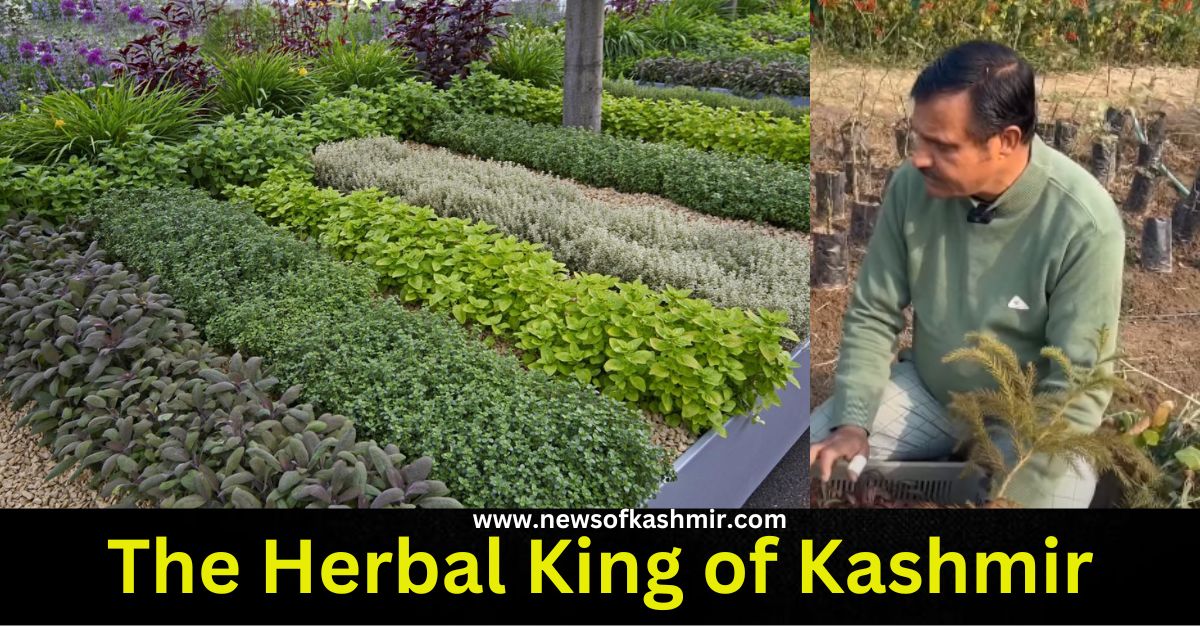
In the picturesque village of Achabal, renowned for its stunning Mughal Garden and surrounded by lush greenery, lies a one-of-a-kind herbal garden. This garden, brimming with plants of immense medicinal value, is the brainchild of Manzoor Javid, fondly known as the “Herbal Man of Kashmir.” Over the past 20 years, Javid has devoted himself to collecting and cultivating a vast array of medicinal plants, turning his passion into a remarkable sanctuary of nature’s remedies.

Javid’s dedication has resulted in a collection of nearly a hundred species of plants, each offering significant health benefits. Some of these plants are even known to aid in treating serious illnesses, such as cancer. Reflecting on his journey, Javid shares, “This herbal garden represents 20 years of relentless effort. We’ve sourced seeds from various regions, focusing on plants with medicinal properties. At present, we have over a hundred species, and, inshallah, this number will only grow. By the next growing season, we aim to expand this garden to a much larger scale.”

Exotic Vegetables and Their Benefits

Among Javid’s impressive collection are several rare vegetables that are seldom found in Kashmir. These include Chinese cabbage, chives, wild garlic, tatsoi, asparagus, grape tomatoes, cherry tomatoes, Swiss chard, parsley, and other exotic varieties. Javid explains that these vegetables are not only nutritious but also bring a range of health benefits to the local diet.

Highlighting Notable Medicinal Plants

One of the most fascinating plants in Javid’s garden is Taraxacum officinale, locally known as Hand in Kashmir. This plant, particularly its root, is valued for its hepatoprotective properties. Javid elaborates, “The root can be brewed into tea, which is excellent for improving liver function and stimulating appetite.”

He also introduces Valeriana wallichiana and Valeriana officinalis, which are renowned for their antidepressant qualities. “In today’s world, where mental health challenges are widespread, these plants offer a natural solution. The tea made from these herbs promotes restful sleep and is particularly beneficial for women,” he says.

Culinary and Medicinal Herbs

Javid’s garden also includes oregano and Elsholtzia ciliata (locally called Eaila Gassa). While oregano is commonly associated with pizza, Javid highlights its therapeutic potential. “Oregano tea is aromatic and provides excellent health benefits,” he remarks.

He further explains the traditional use of Eaila Gassa: “In earlier times, its floral spikes were added to Kehwa instead of cardamom or other spices. It is especially effective for treating colds, fevers, and digestive issues.”

A Collection of Therapeutic Plants

The herbal garden boasts a range of other remarkable plants. Lemon balm (Melissa officinalis), for instance, is celebrated for its refreshing and healing properties. “This herb makes a revitalising tea that helps with colds, throat problems, and fever,” Javid explains.

Lavender, famous worldwide for its calming fragrance, is another highlight. Javid notes, “Lavender tea is ideal for stress relief and relaxation.” Similarly, rosemary, another well-loved herb, stands out for its ability to enhance memory and cognitive function. “Drinking rosemary tea can boost brain health,” he adds.

Rare and High-Altitude Treasures

Among the rarer plants in Javid’s collection is Bistorta affinis (Persicaria affinis), known locally as Unjbar. This high-altitude plant has significant applications in traditional Greek medicine. According to Javid, “It is highly effective in treating internal and external bleeding. Additionally, it offers relief for conditions like ulcerative colitis, an autoimmune disease that affects the intestines. Cultivating this plant has been a challenge, but it is a prized addition to our garden.”

A Vision for the Future

Javid’s herbal garden is more than just a personal project—it is a testament to the power of nature’s healing potential. His unwavering commitment to preserving and promoting medicinal plants serves as an inspiration for others to reconnect with the natural world. As Javid works to expand his garden, it is clear that his efforts will continue to make a profound impact on both local health and the broader understanding of herbal remedies.

Renovation of Jawahar Tunnel Nears Completion

Gurez-Bandipora Road in North Kashmir Shuts For Traffic Due to Snowfall 
Doctor’s Unauthorized Absence at Community Health Centre Trauma Hospital Pattan sparks public outrage

Jammu and Kashmir Power Development Department (PDD) to Announce New Winter Power Curtailment Schedule Soon

CM Omar Abdullah Lays Foundation Stone For Development of Bagh-e-Gul-e-Dawood Hi-tech Nursery in Srinagar

Hi-tech Nursery in Srinagar


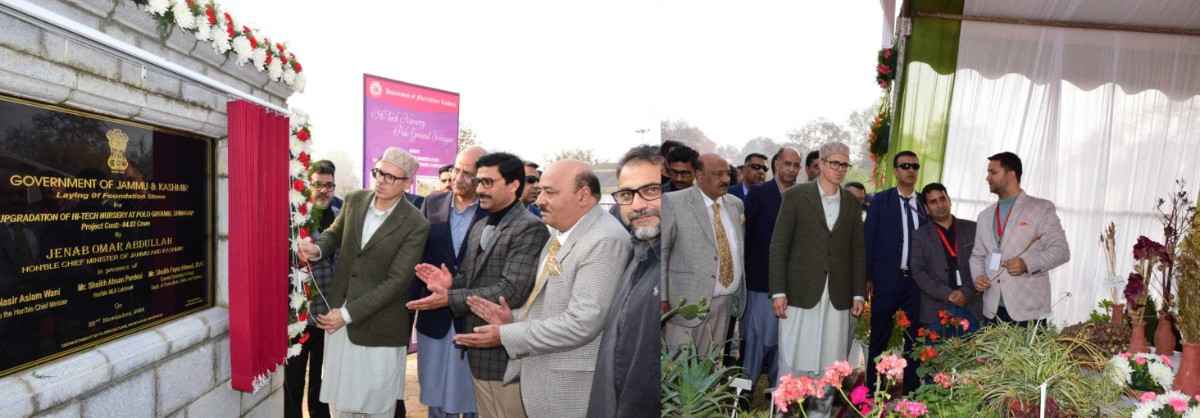
Jammu and Kashmir Chief Minister Omar Abdullah on Saturday Laid the foundation stone for the upgrade of a cutting-edge flower nursery and the development of Bagh-e-Gul-e-Dawood (Chrysanthemum Theme Garden) in Srinagar.

In a post on Facebook, CM wrote, “We are expanding our offerings to tourists during the ‘off-season’ months of October and November. Alongside the renowned Tulip Garden, this new addition will surely captivate visitors with its vibrant blooms.”

“Kudos to the Parks and Gardens Department and Sher-e-Kashmir University of Agricultural Sciences & Technology-Kashmir for their innovative concept of introducing Bagh-e-Gul-e-Dawood – the Chrysanthemum Garden. Who could have imagined that a flower blossoming in autumn could become the hero of October and November, much like the Tulip Garden is for March and April,”he added.

“This new attraction is set to elevate the tourism experience in Srinagar and showcase the beauty of nature in a unique and captivating way. Here are some highlights of the event,” CM mentioned in a post.

Chief Secretary, Atal Dulloo Reviews Progress on Development of ‘Bagh-Gul-e-Dawood’ at at Botanical Garden Srinagar

Bagh-Gul-e-Dawood

 Chief Secretary, Atal Dulloo, today in a meeting of Floriculture, Gardens & Parks Department, assessed progress on development of Chrysanthemum Theme Park (Bagh-e-Gul-e-Dawood) here at Botanical Garden, Srinagar.

Present in the meeting were Commissioner Secretary, Floriculture Department, Commissioner Secretary, Tourism, DG, Codes, DG, Budget, representative from SKUAST-K and other concerned officers.

Dulloo, while reviewing the current status of the project, enquired about its viability from the concerned faculty of SKUAST -Kashmir. He said that establishment of such gardens should be explored at other tourism destinations, besides in and around the Jammu city.

He asked the department to look into creating these autumn season attractions for further prolonging the tourism season in J&K. He advised them to coordinate with the local Agricultural Universities and Tourism Department for enhancing their access and reach in most of the feasible locations of J&K.

Commissioner Secretary, Floriculture, Gardens & Parks, Sheikh Fayaz, in his presentation, informed that following the success of world famous Tulip Garden the Department has initiated the process of establishing Chrysanthemum Theme Park under the name of (Bagh-Gul-e-Dawood) near Botanical Garden, Srinagar on an area of around 100 Kanal of land.

He revealed that this flower is known as ‘Queen of East’ and blooms lately in the months of October and November in diverse hues and colours. It was informed that the flowers would add true delight to autumn months being considered as a symbol of royalty.

The meeting was apprised that the Rs 40 lakh work has been allotted to R&B Department for execution this year. The total cost to be incurred on establishment of this park has been estimated at Rs 1.87 crore together with creation of other amenities and utilities for the visitors who would be able to visit it from next autumn when it would be thrown open for public.

Srinagar Records Season’s Coldest Night At Minus 0.7 Degree Celsius

This Injustice Must Stop!: Waheed Parra Criticise on Reservation Policy for Lecturer Posts

SKUAST-K Hosts Awareness Program on Pesticide Use and Farmers’ Concerns on Electricity Tariffs in Pulwama

Is Floriculture Profitable in Kashmir ?

Kashmir, famous for its beautiful landscapes and rich culture, is also known for its vibrant flower gardens. As the region looks to develop its economy, floriculture—growing flowers for sale—has become a promising industry. But is floriculture really profitable in Kashmir? Let’s explore the opportunities and challenges in this sector.

The Appeal of Floriculture in Kashmir

1. Ideal Climate:
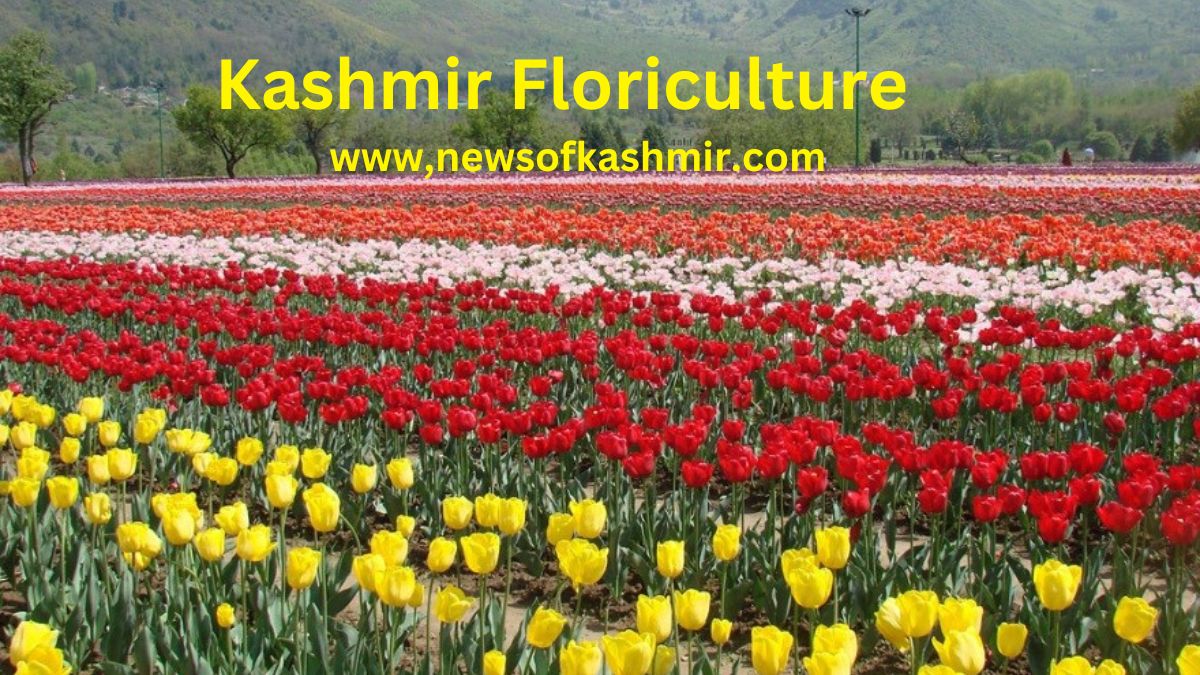
Kashmir’s cool climate and fertile soil are perfect for growing flowers. The distinct seasons and moderate temperatures help flowers like tulips, daffodils, roses, and lilies thrive. The annual Tulip Festival in Srinagar highlights the region’s potential for floriculture.

2.Rising Demand:
There is increasing demand for flowers in local markets and abroad. More people are looking for flowers for events, weddings, and festivals. This growing demand opens up opportunities for Kashmiri flower growers to sell their products both locally and internationally.

3.Government Support:
The Jammu and Kashmir government has recognised the potential of floriculture and offers support through various schemes. These include subsidies for seeds and equipment, training programs, and improved market infrastructure. This backing aims to help the industry grow and become more profitable.

Opportunities in Floriculture

1.Diversifying Crops:
Farmers can boost their income by combining floriculture with traditional farming. Growing flowers alongside vegetables or fruits makes good use of land and increases overall farm earnings. High-value flowers, like exotic orchids, can bring in more money and attract special markets.

2. Tourism Potential:
Kashmir’s beauty and flower variety offer opportunities for agri-tourism. Flower gardens could attract tourists, providing extra income through entry fees, tours, and flower-picking activities. This could also lead to new businesses, such as floral workshops and local crafts.

3.Job Creation:
Expanding the floriculture industry can create jobs in rural areas, helping to reduce unemployment and offer new sources of income. Jobs related to flower growing, packaging, marketing, and transport can boost the local economy.

Challenges and Considerations

1.Market Access and Infrastructure:
A major challenge is getting flowers to the market and having good infrastructure. In winter, snow can block roads and delay flower deliveries. Improving storage facilities and transport systems is crucial to keep flowers fresh and reduce losses.

2.Pest and Disease Control:
Managing pests and diseases is essential in floriculture. These problems can reduce flower quality and yield. Farmers need to invest in pest control and follow best practices to prevent and manage plant diseases. Training and modern farming techniques can help address these issues.

3.Investment and Risk:
Starting a floriculture business requires a significant initial investment for seeds, equipment, and land preparation. The industry can also be unpredictable, with profits varying based on market conditions. Investors need to consider these risks and plan for long-term success.

Conclusion

Floriculture in Kashmir offers exciting opportunities for economic growth and diversification. With its suitable climate, increasing market demand, and government support, the sector has the potential to be profitable. However, addressing challenges like infrastructure, pest management, and investment risks is crucial. As the industry develops, floriculture could become a key part of Kashmir’s agricultural economy, enhancing its global reputation and bringing prosperity to its communities.

HelpLine
Jammu18001807200
Kashmir18001807201
As per Department of Floriculture J&K Website

You can Contact Higher Authorities on these Contacts:

Directorate of Floriculture, Parks and Gardens Department Kashmir. 0194-2482032 kshflori@rediffmail.com
Directorate of Floriculture, Parks and Gardens Department Jammu. 0191-2435121 floriculturejammu@gmail.com
Administrative Departments Srinagar. 01942506595
Administrative Departments Jammu.

Kashmir in Bloom: How Floriculture is Blossoming the Economy

Kashmir, nestled amidst the Himalayas, is renowned for its breathtaking beauty and rich cultural heritage. But beyond the captivating landscapes lies a fragrant secret – the flourishing industry of floriculture. Cultivating vibrant flowers has emerged as a significant contributor to Kashmir’s economy, offering a wealth of benefits for the region.

A Viable Diversification Option

Traditionally, Kashmir’s agricultural sector relied heavily on crops like apples and saffron. Floriculture presents a welcome diversification, allowing farmers to explore a high-value crop with promising returns. Compared to traditional crops, flowers offer a quicker turnaround and potentially higher profits per hectare. This economic incentive is particularly attractive to small and marginal farmers, empowering them to increase their income.

Blooming Exports and Foreign Exchange

Kashmir’s ideal climate fosters the growth of a variety of flowers, including roses, carnations, and lilies. These beautiful blooms not only cater to the domestic market but also hold immense export potential. By promoting floriculture, Kashmir can tap into the international flower trade, generating valuable foreign exchange. This not only strengthens the regional economy but also creates a global brand identity for Kashmiri flowers.

Employment Opportunities and Livelihoods

The floriculture industry is a significant job creator. From cultivation and harvesting to processing, packaging, and marketing, flowers require a skilled workforce. This translates into increased employment opportunities for the local population, particularly in rural areas. With more people entering the workforce, the overall standard of living in Kashmir can improve.

Challenges and the Road Ahead

Despite its potential, the Kashmiri floriculture industry faces challenges. Upgrading infrastructure, including cold storage facilities and transportation networks, is crucial to ensure the freshness and timely delivery of flowers. Additionally, promoting research and development of new varieties and improved cultivation techniques can further enhance productivity and competitiveness.

A Fragrant Future

By addressing these challenges and capitalizing on its strengths, Kashmir’s floriculture industry has the potential to become a major economic driver. With continued government support, investment in infrastructure, and the adoption of modern practices, Kashmiri flowers can truly blossom on the world stage, leaving a lasting impact on the region’s economy and the lives of its people.

CSIR IIIM Jammu Cultivates Tulip Varieties in Pulwama, Boosting Floriculture Mission

CSIR IIIM Jammu’s Field Station Bonera has embarked on Tulip cultivation in Pulwama, igniting floriculture prospects in the region. This milestone trial, featuring eight vibrant Tulip varieties, underscores the institute’s commitment to empower farmers and foster sustainable agriculture.

Led by Dr. Zabeer Ahmad, CSIR IIIM Jammu aims to revolutionize flower cultivation in Jammu and Kashmir through its Floriculture Mission. With over 2000 farmers already benefiting from the initiative since 2020, the focus is on promoting indigenous Tulip varieties and eco-friendly farming practices.

Dr. Shahid Rasool, overseeing the initiative, envisions a flourishing future for Kashmir’s floral economy. He emphasizes the importance of policy support and local Tulip cultivation to reduce dependence on imports and promote sustainable farming practices.

SKUAST-K Revolutionizing Kashmir’s Floriculture Industry

A one-week intensive entrepreneurship skill development program, backed by the Ministry of Micro, Small, and Medium Enterprises (MSME) of the Government of India, focused on unlocking entrepreneurial opportunities within the realm of commercial floriculture and crafting effective management strategies for budding startups. This enlightening initiative was orchestrated by the Division of Floriculture and Landscape Architecture within the Faculty of Horticulture at Sher-e-Kashmir University of Agricultural Sciences and Technology, Kashmir (SKUAST-K).

Sohail Allaqband, the distinguished representative from the Ministry of MSME, extended his insights to the enthusiastic participants, with a particular emphasis on the potential of this training program to pave the way for them to establish their own startups and become visionary entrepreneurs in the nation’s entrepreneurial landscape.

An important Memorandum of Understanding (MoU) was formalized between Biocarve Seeds and SKUAST-K, marking a significant step towards enhancing the floriculture sector in Kashmir. Prof. Allah Rang, the founder director of Biocarve Seeds, offered a glimpse into their remarkable journey, illustrating the establishment of an expansive 8000 kanals farm across various regions of Punjab. He also shared how his team, armed with technical expertise and crucial financial support, successfully connected grassroots farmers in Punjab to the realm of commercial floriculture. Prof. Rang aspired to replicate this success story for the benefit of Kashmiri farmers, facilitating the growth of their income through engagement in commercial floriculture. Furthermore, he expressed a desire to open doors for these farmers to access international markets, including the Netherlands, through a buy-back policy.

The esteemed Chief Guest, Prof. Haroon Naik, Director of Planning and Monitoring, underscored SKUAST-K’s pivotal role in nurturing budding entrepreneurs through skill-focused programs, generously sponsored by the Ministry of MSME. He shared his visionary perspective on commercial floriculture, highlighting it as a substantial avenue for young aspirants to establish themselves as successful entrepreneurs, with promising prospects in international markets.

Professor Naik also commended the innovative leadership of Vice Chancellor Professor Nazir A. Ganie, which has culminated in SKUAST-K emerging as the country’s premier agricultural university. In his address, Vice Chancellor Professor Ganie expressed the University’s strong commitment to fostering commercial floriculture, thereby offering a pathway for educated youth to improve their socio-economic status through entrepreneurship.

Professor Nelofer, from the Floriculture Division, enlightened the audience about the pivotal role of floriculture in fostering sustainable development, shedding light on the environmentally friendly aspects of the sector.

During an engaging interaction session, Dr. Z. A. Rather, Dr. Z. A. Qadri, Dr. Zahoor A. Rather, Dr. Riaz, and other participants engaged in a productive discussion about the roadmap to commercialization. Dr. Nasir Masoodi offered a comprehensive overview of the program, elucidating the myriad opportunities it presents to the youth in the field of floriculture.

Professor Imtiyaz T. Nazki, Head of the Division of Floriculture and Landscape Architecture at SKUAST-K, passionately addressed the participants, emphasizing key factors that could propel the commercial floriculture sector in Kashmir to new heights. He stressed the significance of niche crops and the region’s favorable agro-climatic conditions as pivotal elements for success.

Finally, Professor F. U. Khan extended a warm vote of gratitude to the chief guest and all the distinguished delegates, acknowledging their contributions to this enlightening program.