Viral Video of Mojtaba Khamenei Targeting Dimona Reactor Debunked as Fake Amid Rising Tensions

Viral Video of Mojtaba Khamenei

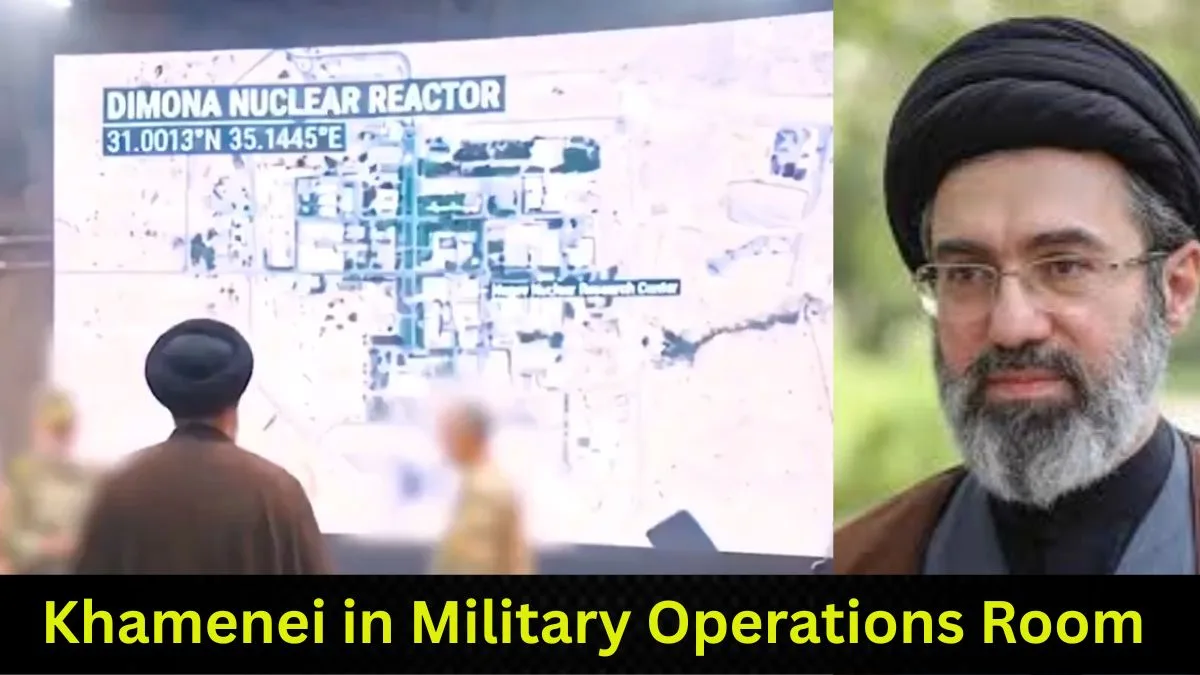
A viral video on social media claims to show Iran’s Supreme Leader Mojtaba Khamenei entering a military operations room, with a screen displaying Israel’s Dimona nuclear reactor and its coordinates.

The clip has spread quickly online, especially as tensions remain high in West Asia. Many users shared it as “breaking news”, suggesting Iran could be preparing to target sensitive nuclear infrastructure.

However, a closer look shows the video is not real. Click Here To Follow Our WhatsApp Channel


What the Viral Claim Says

Posts circulating on platforms like X and Telegram claim that Iran released footage of Khamenei inside a command centre.

In the video, a large digital screen allegedly shows Israel’s Dimona facility along with exact coordinates. This led to speculation about a possible military strike or escalation.


Fact Check: The Truth Behind the Video

There is no official confirmation from Iranian authorities or state media about such a video.

Major international news organisations have also not verified the footage, which is a strong sign that the claim is unreliable.

Independent fact-checkers and analysts have reviewed the clip and found several issues.


Signs the Video Is Fake

Experts say the video shows clear signs of being AI-generated or digitally altered, including:

  • Unnatural lighting and shadows
  • Blurred or inconsistent facial features
  • Sudden glitch-like transitions
  • Reuse of older footage with digital overlays

Open-source intelligence reviewers believe the clip is likely a deepfake, created to spread fear or confusion during an already tense situation.


Why Misinformation Matters

This incident highlights how quickly false content can spread during conflicts.

In times of geopolitical tension, misleading videos can increase panic, influence public opinion, and even affect diplomatic situations.

It is always important to rely on verified sources before believing or sharing such claims.


Conclusion

The viral video claiming Iran is targeting Israel’s Dimona nuclear reactor is false and misleading.

There is no evidence that such footage is real or officially released. Instead, it appears to be a manipulated clip designed to gain attention and spread misinformation.

As tensions continue in the region, staying informed through trusted sources is more important than ever.

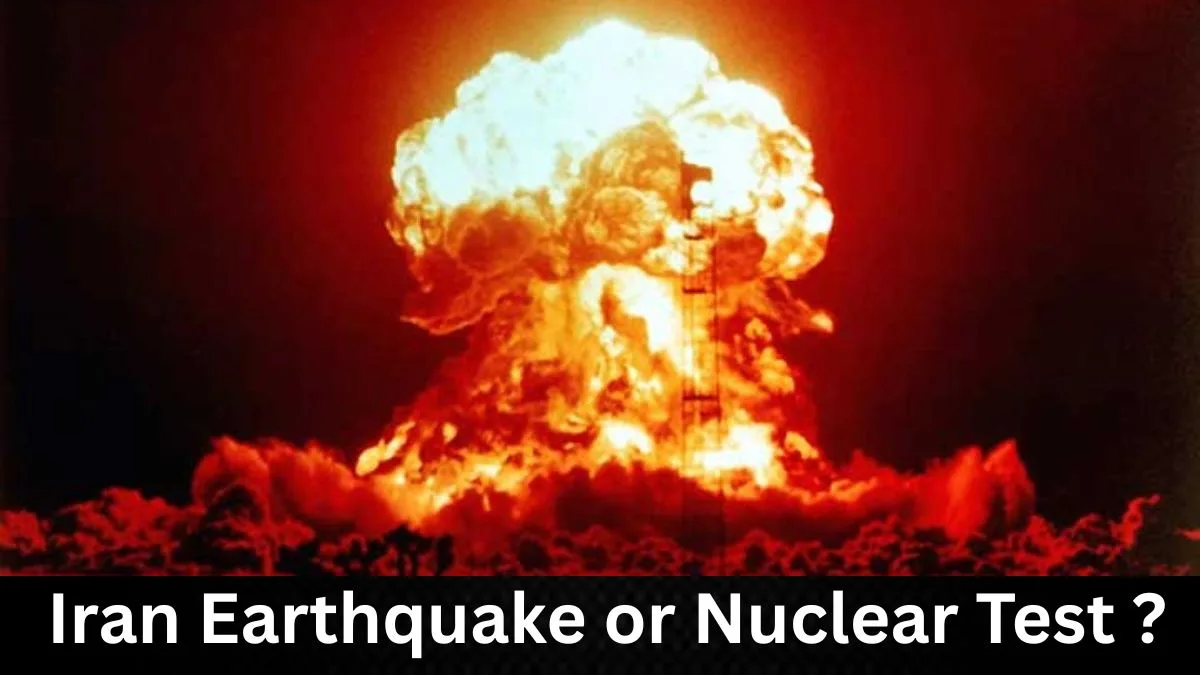
Iran Earthquake or Nuclear Test? Fact-Check: Viral Claims vs Scientific Reality

Iran Earthquake or Nuclear Test

Are the recent moderate earthquakes in southern Iran, including the M4.5 event on 7 April 2026, natural tectonic activity or secret underground nuclear tests? Social media is full of dramatic videos showing shaking trucks and rising dust clouds, with many people asking: “Is this real or fake?”

In this detailed fact-check, we look at the evidence in simple terms. We examine the latest quakes, the old videos going viral, and what global seismic experts actually say. No hype — just clear facts.

What Happened Recently in Iran?

On 7 April 2026, a magnitude 4.5 earthquake struck near Nurabad in Fars province, southern Iran. The epicentre was about 21–25 km southeast of Nurabad (roughly 87 km northwest of Shiraz). It happened at around 11:09 am local time and had a depth of about 22 km.

A few days earlier, on 4 April, a M5.1 quake hit near the Turkey-Iran border and was felt in parts of northwest Iran. Earlier in March 2026, there were smaller events, including a M4.3 near Gerash in Fars province on 3 March and a M4.1 west of Bandar Abbas on 7 March.

These are moderate quakes. No major damage or casualties were reported from the April 7 event. People in the area felt light to moderate shaking, which is normal for this size.

Why Do So Many Earthquakes Happen in Iran?

Iran sits where the Arabian Plate slowly pushes into the Eurasian Plate. This creates huge pressure, especially in the Zagros Mountains in the south and west. The ground folds and faults slip, releasing energy as earthquakes.

Moderate quakes of magnitude 4 to 5 are quite common here — dozens happen every year. The region is one of the most seismically active in the world because of this natural plate movement. Shallow depths (10–22 km) make them noticeable, but they rarely cause widespread destruction unless they hit a big city with older buildings.

The Viral Video: Old Footage, Not New Proof

Many posts claim: “JUST IN: Trucks shake on the road and dust rises from mountains in Iran. This is not natural!”

Fact: This video is not new. It comes from the November 2021 earthquakes in southern Iran (Hormozgan province, magnitudes around 6.0–6.4). News outlets like TRT World and others shared it at the time. The same clip has been recycled during past tensions in 2024, 2025, and now in 2026.

Why the visuals look dramatic but are normal:

  • Moderate shaking easily rocks parked or moving trucks.
  • In the dry, rocky Zagros Mountains, loose soil and sediment on slopes get dislodged by even light tremors, creating visible dust clouds. This is a common sight in Iranian earthquake videos and has nothing to do with explosions.

Fact-checking organisations have repeatedly confirmed this is recycled 2021 footage being used to push current claims.

Can Seismologists Tell Earthquakes Apart from Nuclear Tests?

Yes — very reliably.

International experts use global monitoring networks to study seismic waves:

  • Natural earthquakes involve fault slip over a large area. They produce strong S-waves (side-to-side shaking) as well as P-waves. The pattern is called a “double-couple” mechanism.
  • Underground nuclear explosions act like a point source. They mainly create P-waves with very weak or no S-waves. The signature is more uniform and “explosive.”

Other clues include:

  • Depth and exact location (along known faults for quakes).
  • Frequency content and waveforms recorded by dozens of stations.
  • No radioactive gases or other explosion signals.

For the March 2026 M4.3 near Gerash (Fars), the CTBTO (Comprehensive Nuclear-Test-Ban Treaty Organization) analysed data from 17 primary and 10 auxiliary seismic stations. They stated clearly: “The waveforms of this event are consistent with a natural earthquake in a seismically active region.”

Similar conclusions came for the April 2026 events and earlier ones in 2024–2025. Studies, including one published in the journal Seismica, have debunked nuclear claims by comparing waveforms to past confirmed natural quakes in the same area (e.g., 2015 and 2018 events).

A genuine nuclear test of any significant yield would show distinct global signals. No such evidence has appeared here. The CTBTO and USGS consistently classify these as tectonic.

Why Do Nuclear Test Rumours Spread So Easily?

  • Timing: Claims often appear during heightened Middle East tensions.
  • Misinformation travels fast: Dramatic videos and simple questions (“dust rising — not natural?”) get shared widely before facts catch up.
  • Lack of understanding: Most people are not familiar with forensic seismology, so normal quake features get mistaken for something suspicious.

This pattern has repeated many times. Each time, scientific analysis shows natural causes. Similar rumours followed quakes in 2024 and were later debunked in peer-reviewed studies.

Bottom Line: Real Earthquakes, Not Nuclear Tests

The evidence is clear. Recent earthquakes in Iran, including the April 7 M4.5 near Nurabad and the March clusters in Fars, are natural tectonic events. They match Iran’s long history of seismic activity along the Zagros belt.

The viral video is old footage from 2021. Seismic waveform analysis by independent global monitors like the CTBTO rules out nuclear explosions. No radiological or other explosion signatures have been detected.

Iran is earthquake-prone by nature — that’s geology, not conspiracy. Moderate quakes like these are expected and have happened for centuries.

For reliable updates, check:

  • USGS Earthquake Hazards Program
  • EMSC (Euro-Mediterranean Seismological Centre)
  • CTBTO official statements

Stay safe, and always verify dramatic claims with science before sharing. In a world full of tension, facts help cut through the noise.

Trump’s Iran Victory Claims vs Reality: What Intelligence Reports Reveal About Tehran’s Remaining Military Power

trump


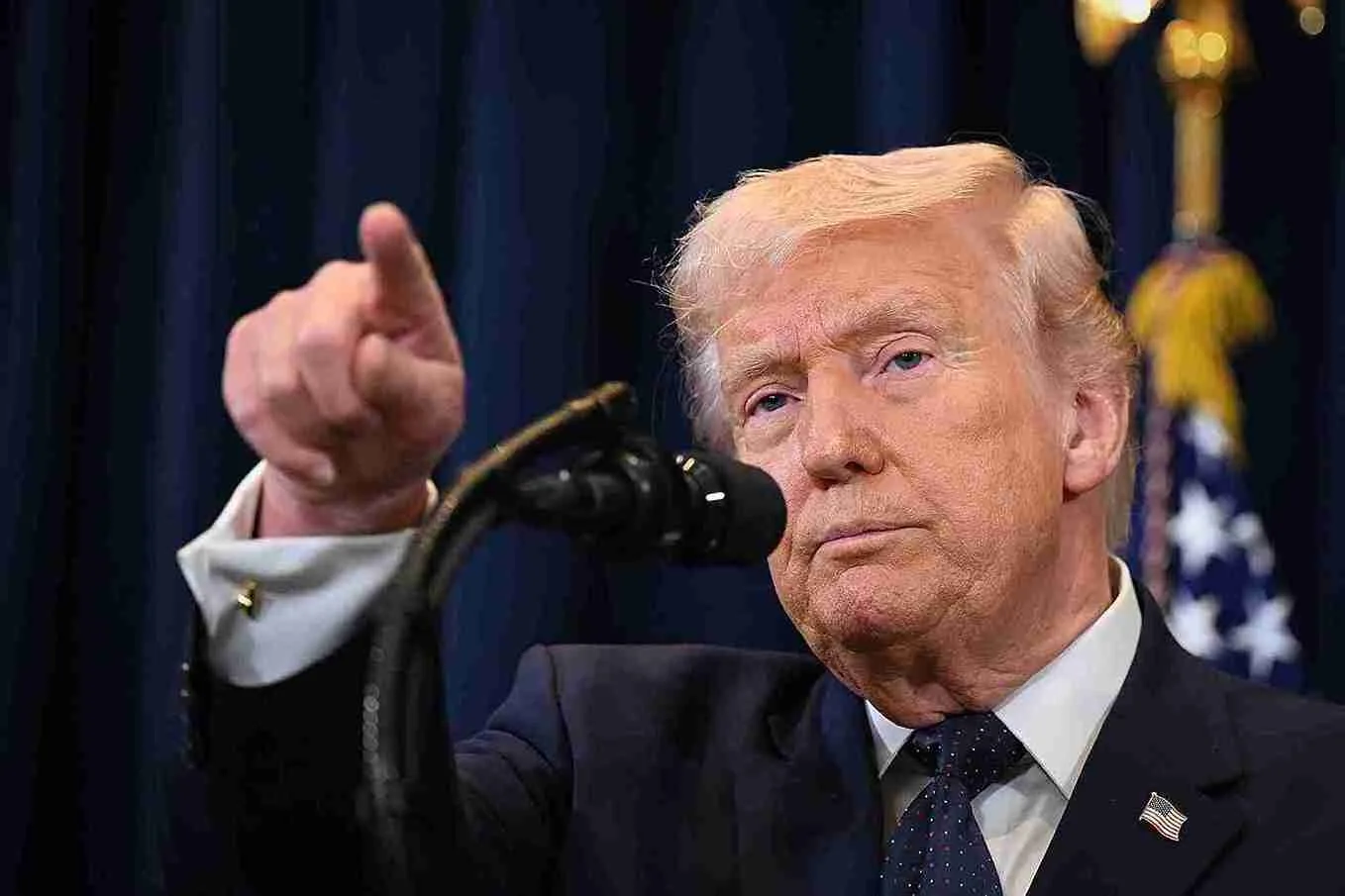
US President Donald Trump has consistently projected a narrative of decisive victory in the ongoing conflict with Iran. From the early days of the war to recent statements, he has claimed that Iran’s air force, navy, and broader military structure have been effectively destroyed

However, a closer look at intelligence assessments and battlefield developments suggests a far more complex and incomplete picture. Click Here To Follow Our WhatsApp Channel


us attack iran

The Politics of Declaring Victory

Trump’s repeated assertions — that Iran’s navy is “gone” and its air force “in ruins” — appear to serve a clear political purpose: shaping domestic and international perception of the war.

Declaring success early can:

  • Strengthen public support at home
  • Signal dominance to allies and rivals
  • Create pressure on Iran to negotiate from a weaker perceived position

Yet, such claims also carry risks. If contradicted by facts on the ground, they may undermine credibility and strategic messaging.


Iran Strikes Saudi Air Base

What Intelligence Reports Actually Indicate

Contrary to the administration’s claims, multiple intelligence sources cited by Reuters and CNN suggest that Iran’s military capabilities remain far from eliminated.

Key findings include:

  • Only about one-third of Iran’s missile arsenal has been destroyed
  • Around half of missile launchers remain operational
  • A significant number of cruise missiles and drones are still intact
  • Underground storage systems continue to protect critical assets

This indicates that while US strikes have degraded Iran’s capabilities, they have not neutralised them.


Iran’s Strategy: Depth, Dispersal, and Denial

Iran’s military doctrine has long focused on survivability rather than visibility. Its reliance on underground facilities, mobile launchers, and decentralised production allows it to absorb strikes while maintaining operational capacity.

The continued launch of missiles and drones — including recent strikes in the Gulf — reinforces the idea that Iran is pursuing a strategy of controlled endurance, not immediate confrontation.

This approach allows Tehran to:

  • Maintain pressure on regional targets
  • Demonstrate resilience against US claims
  • Keep strategic assets hidden for prolonged conflict

Naval Power and the Strait of Hormuz

Trump’s claim that Iran’s navy has been destroyed is particularly contested.

While conventional naval losses may have occurred, the real strategic threat lies with the Islamic Revolutionary Guard Corps (IRGC), which operates:

  • Swarm tactics using small boats
  • Unmanned surface vessels
  • Asymmetric warfare capabilities

These assets remain critical in controlling the Strait of Hormuz, a chokepoint that directly impacts global energy markets.

Israeli Soldiers

Contradictory Narratives Within the US

Interestingly, even within US institutions, messaging appears divided.

  • The Pentagon acknowledges a significant reduction (around 90%) in attacks
  • Yet intelligence leaks suggest substantial remaining capabilities

This gap highlights a classic wartime tension between political messaging and intelligence reality.

The White House frames success in terms of degradation, while intelligence assessments focus on remaining threat potential.


Has the War Achieved Its Objectives?

The stated goals of the US and its allies included:

  • Destroying Iran’s missile programme
  • Limiting its regional influence
  • Securing nuclear-related risks

Based on current evidence, none of these objectives appear fully achieved.

Iran:

  • Continues to launch missiles and drones
  • Retains a large portion of its arsenal
  • Maintains strategic leverage in the region

Even claims of leadership decapitation or regime collapse remain disputed.


The Bigger Strategic Picture

Trump’s projection of imminent victory — including claims that the war could end within weeks — contrasts sharply with the realities of modern asymmetric warfare.

Iran’s ability to:

  • Sustain long-term conflict
  • Operate through proxies and indirect means
  • Leverage geography and hidden infrastructure

…suggests that this conflict is not nearing a quick resolution.


Conclusion: Narrative vs Reality

The central issue is not whether the US has achieved tactical success — it clearly has in damaging Iran’s infrastructure — but whether that success translates into strategic victory.

At present, the evidence suggests:

  • Iran has been weakened, but not defeated
  • Its military capabilities are reduced, but still operational
  • The conflict is ongoing, not concluding

Trump’s claims reflect a political narrative of dominance, while intelligence reports point to a prolonged and uncertain conflict.

In modern warfare, controlling the narrative is as important as controlling the battlefield — and in this case, the gap between the two remains significant.

Rumors Claim Turkish Actress Fatima Bushra Quit Showbiz, Adopted Hijab — But No Verified Evidence Yet

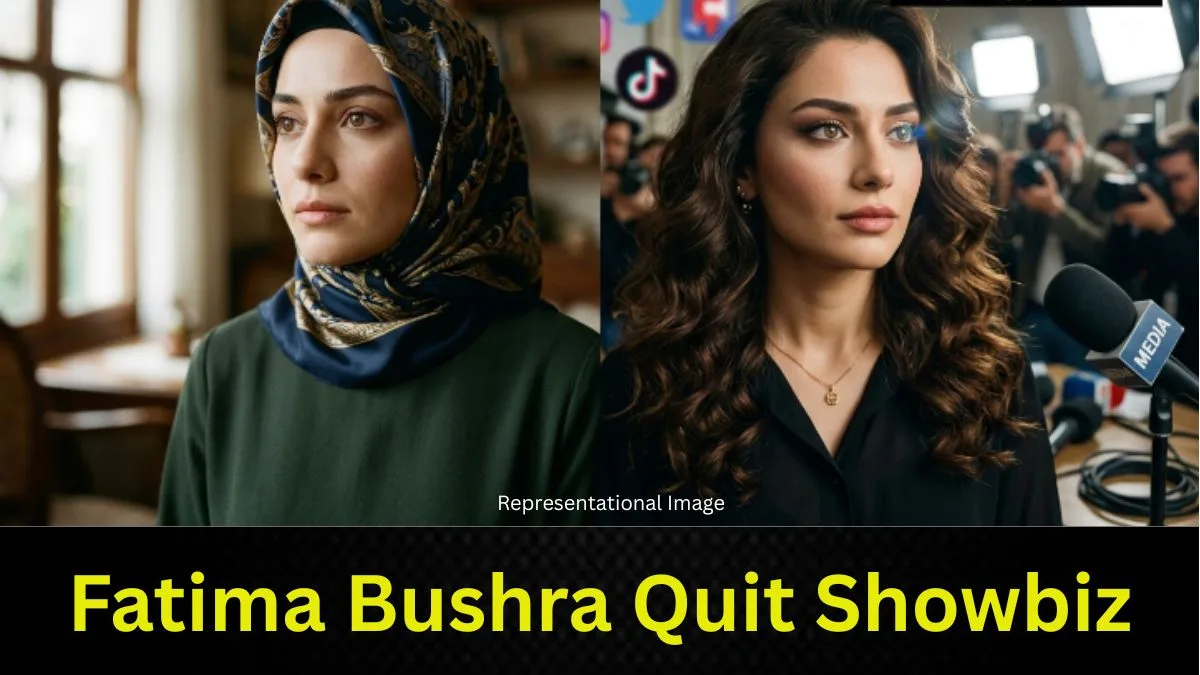
Fatima Bushra Quit Showbiz, Adopted Hijab

Recent rumors have surfaced suggesting that Turkish actress Fatima Bushra, purportedly known for her role in the popular television series Valley of the Wolves, has decided to step away from the entertainment industry and adopt the hijab. This news, which has circulated primarily through social media platforms like X, has sparked widespread discussion among fans and observers. However, no credible mainstream media outlets have confirmed these claims, leaving the story unverified and prompting questions about its authenticity. This article explores the context of these rumors, the cultural significance of such a decision in Turkey, and comparisons with similar cases in the entertainment industry.

The Rumor: Fatima Bushra’s Alleged Decision

According to unverified posts on X, Fatima Bushra announced her intention to leave showbiz to focus on her faith and personal growth, symbolized by her adoption of the hijab. One post claimed that she stated, “I have chosen to wear the hijab and abandon fame and acting for a new chapter in my life.” However, without corroboration from reputable news sources or an official statement from the actress herself, this information remains speculative. The lack of verifiable details, such as specific interviews, press releases, or confirmed media reports, suggests that the story may be a rumor or a case of mistaken identity.

The name “Fatima Bushra” does not appear in established records of prominent Turkish actresses, which raises doubts about the accuracy of the claim. It’s possible that the name is a conflation of other individuals or a fictional persona. For instance, there are documented cases of other actresses, such as Pakistani actress Arij Fatima or Turkish actress Bushra Aydin, who have made similar life choices, which may have contributed to the confusion.

Cultural Context in Turkey

The decision to adopt the hijab and leave the entertainment industry, if true, would carry significant cultural and social weight in Turkey. Turkey has a complex history regarding the hijab, shaped by its secular state policies and evolving religious landscape. For decades, the Turkish government enforced strict secularism, including bans on headscarves in public institutions like universities and government offices, viewing them as symbols of political Islam. These restrictions were gradually lifted in the 2010s under the leadership of the Justice and Development Party (AKP), allowing greater freedom for women to wear the hijab in public spaces.

In Turkish media, hijab-wearing women are underrepresented, particularly in urban and mainstream television series. As noted in discussions on platforms like Reddit, Turkish TV often focuses on affluent, secular characters in cities like Istanbul, where hijab-wearing women are less commonly depicted unless the narrative involves rural or conservative settings. A decision by a prominent actress to adopt the hijab could challenge these norms, sparking debates about representation, personal choice, and societal expectations.

If Fatima Bushra’s story is accurate, her choice would align with a broader trend of public figures in Muslim-majority countries prioritizing spiritual or personal transformation over fame. However, the polarized nature of Turkish society—between secular and conservative factions—could lead to varied reactions, ranging from praise for her courage to criticism for abandoning a successful career.

Comparisons with Other Actresses

While the story of Fatima Bushra remains unconfirmed, there are verified examples of actresses from Turkey and neighboring regions who have made similar choices, providing context for the rumor:

  • Bushra Aydin (Turkey): In 2016, Turkish actress Bushra Aydin announced her decision to wear the hijab, a move that garnered attention in Turkish media. Unlike the rumored case of Fatima Bushra, Aydin continued acting but set boundaries for her roles, refusing scenes that conflicted with her values, such as those involving physical intimacy. Her decision highlighted the possibility of balancing a career in entertainment with religious observance, though it also sparked discussions about the challenges of being a hijab-wearing actress in Turkey’s secular-leaning industry.
  • Arij Fatima (Pakistan): In 2019, Pakistani actress Arij Fatima, known for roles in popular dramas like Hassad and Ishq Parast, left the entertainment industry after embracing a more religious lifestyle. In 2025, she shared a video on Instagram wearing a hijab, captioned “New Beginnings,” and addressed critics who judged her choice, stating, “I’m going to follow what feels right in my heart and what Allah guides me to.” Her transformation received mixed reactions, with some praising her courage and others criticizing her decision.
  • Sahar Afsha (India): In 2024, Indian Bhojpuri actress Sahar Afsha announced her departure from the film industry to pursue an Islamic lifestyle. In an Instagram post, she expressed her intention to focus on her faith, stating, “I am saying goodbye to the film industry forever to stay firmly on the path of Allah.” Her decision was met with both support and skepticism, reflecting the diverse perspectives on such choices in South Asian entertainment.
  • Hala Shiha (Egypt): In 2006, Egyptian actress Hala Shiha retired from acting to adopt a conservative lifestyle, including wearing the hijab and later the niqab. However, in 2018, she reversed her decision, returning to acting and removing her hijab, which ignited significant controversy in Egypt. Her case illustrates the complex interplay between personal choice, public perception, and cultural expectations in the entertainment industry.

These examples demonstrate that decisions to leave showbiz or adopt the hijab are not uncommon among actresses in Muslim-majority or Muslim-influenced regions. However, each case is unique, often accompanied by public scrutiny and polarized reactions.

Public and Media Reactions

The rumor about Fatima Bushra has generated varied responses on social media, particularly on X, where users have expressed both support and criticism. Some posts praise the alleged decision as a courageous step toward spiritual fulfillment, with comments like, “Her choice inspires many, showcasing the power of self-discovery.” Others, however, have reacted negatively, with sentiments ranging from dismissive remarks like “Who cares?” to more hostile comments suggesting coercion or criticizing the hijab as a symbol of oppression. These reactions reflect broader societal debates about women’s autonomy, religious expression, and the role of faith in public life.

The lack of verified information has also fueled skepticism. Without an official statement or credible news coverage, some users have questioned whether the story is a fabrication or a misunderstanding. This highlights the challenges of navigating unverified information in the digital age, where rumors can spread rapidly without substantiation.

The Broader Implications

If true, Fatima Bushra’s rumored decision would contribute to ongoing conversations about representation and diversity in Turkish media. The underrepresentation of hijab-wearing women in mainstream Turkish television has been a point of contention, as noted in online discussions. Some argue that the absence of hijabi characters reflects a bias toward secular, urban narratives, while others contend that including such characters risks politicizing storylines or alienating audiences.

Moreover, the choice to wear a hijab in a high-profile industry like entertainment can challenge stereotypes and inspire others. For example, British-Moroccan comedian Fatiha El-Ghorri, who wears a hijab, has spoken about “smashing stereotypes” through her performances, emphasizing the importance of visibility for hijab-wearing women in media. Similarly, a Turkish actress adopting the hijab could encourage greater acceptance and representation, though it might also invite scrutiny in a country with a strong secular tradition.

Conclusion

The rumor that Turkish actress Fatima Bushra has quit showbiz and adopted the hijab remains unverified, with no credible evidence from mainstream media to support the claim. While the story has sparked interest and debate, it may stem from confusion with other actresses or unconfirmed social media posts. Nonetheless, the discussion surrounding this rumor underscores the broader cultural dynamics in Turkey and beyond, where personal choices about faith and appearance can have significant public impact. As with similar cases, such as Bushra Aydin or Arij Fatima, the decision to prioritize spirituality over fame reflects a deeply personal journey that resonates with some and challenges others. Until more concrete information emerges, the story of Fatima Bushra remains a topic of speculation, inviting reflection on the intersection of faith, identity, and media representation.

April 2026 Update: New Perspectives on the “Fatima Bushra” Mystery

As of April 2026, the rumors surrounding “Fatima Bushra” continue to circulate on social media, yet the mystery regarding her true identity remains unsolved. No official records or filmographies from the Turkish drama industry (Dizi) have surfaced to confirm the existence of a prominent actress by this name. Recent developments in the entertainment world, however, provide fresh context to this ongoing discussion:

  • The “Identity Hunt” on Social Media: Throughout early 2026, online communities on platforms like Reddit and X (formerly Twitter) have intensified their search for Fatima Bushra’s supposed roles in series like Valley of the Wolves. The total lack of visual evidence or credits in these productions strongly supports the theory that “Fatima Bushra” may be a digital fabrication or a name used to misidentify other public figures for viral engagement.
  • The Rise of AI-Generated Content: Experts note that the persistence of the Fatima Bushra story in 2026 is likely fueled by AI-generated thumbnails and “clickbait” video scripts. These automated accounts often combine the names of various actresses with religious themes to generate views, making it increasingly difficult for the average user to distinguish between factual biographies and viral myths.

Final Verdict (2026): While the story of a Turkish actress quitting fame for faith remains a powerful and inspiring narrative for many, the specific persona of Fatima Bushra remains unverified. It stands as a modern example of how digital rumors can evolve into “urban legends” within the Muslim world.

Pahalgam Terror Strike Casts Shadow Over J&K Statehood Demands, Supreme Court Observes

BJP Links J&K Statehood to Elimination of Terror Networks as Supreme Court Reviews Restoration Plea

Kashmiri MBBS Student Saba Rasool Dies in Iran; Family Seeks Urgent Repatriation, Alleging Medical Negligence
Verified by MonsterInsights