Shab-e-Miraj Explained: The Night Journey, Ascension, and Its Spiritual Significance in Islam

shab e miraj

Shab-e-Miraj: A Night of Faith, Hope, and Divine Connection

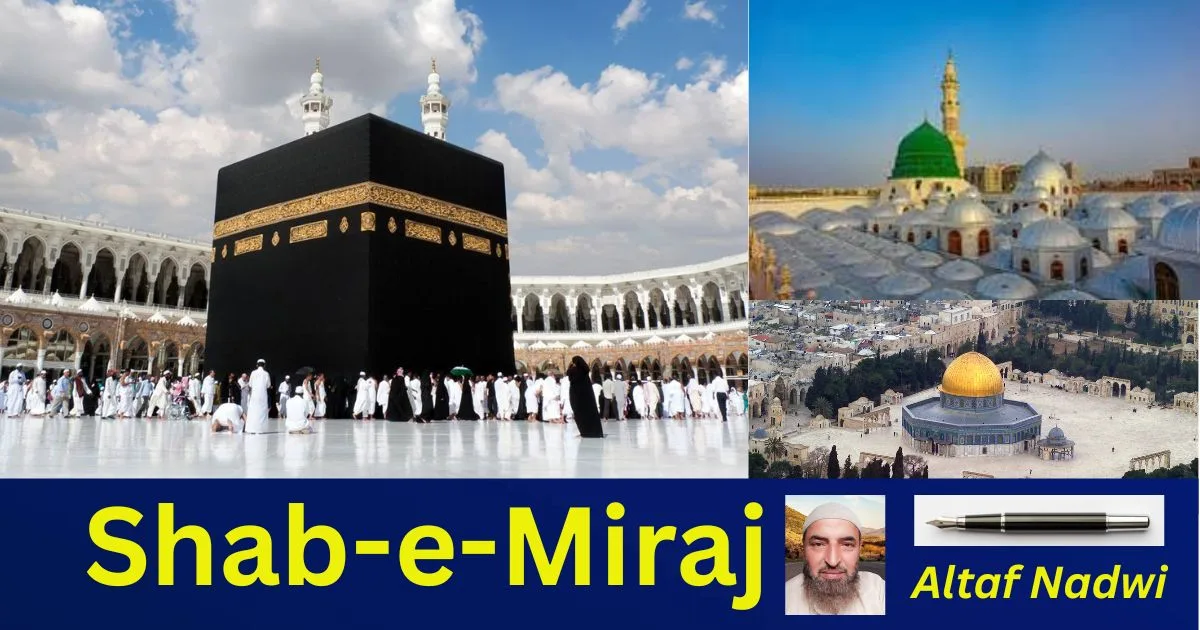
Shab-e-Miraj is one of the most special and deeply meaningful nights in Islamic history. It marks the miraculous journey of Prophet Muhammad ﷺ, when he travelled in a single night from Makkah to Jerusalem and then ascended through the heavens by Allah’s command.

For Muslims around the world, this night is not just about a miracle. It is about hope after hardship, the importance of prayer, and the close connection between a believer and Allah.Click Here To Follow Our WhatsApp Channel

What Does Shab-e-Miraj Mean?

The event is made up of two parts:

  • Isra – the Night Journey from Masjid al-Haram in Makkah to Masjid al-Aqsa in Jerusalem
  • Miraj – the Ascension from Jerusalem through the seven heavens

This extraordinary journey is mentioned in the Quran, showing that it was a real miracle granted by Allah to His Messenger.

When Did Shab-e-Miraj Happen?

Shab-e-Miraj took place during a very difficult time in the life of the Prophet ﷺ. He had lost his beloved wife Khadijah (R.A) and his uncle Abu Talib, and he was facing strong opposition and hardship in Makkah. This period is often called the Year of Sorrow.

At a time of deep pain and struggle, Allah honoured His Prophet with this journey, reminding him that divine help is always near.

The Journey from Makkah to Jerusalem

According to Islamic tradition, Angel Jibreel (A.S) came to the Prophet ﷺ at night and took him on a special heavenly mount called Buraq. In a short time, the Prophet travelled from Makkah to Jerusalem.

At Masjid al-Aqsa, he led all previous prophets in prayer. This showed that the message of Islam is a continuation of the same divine message given to earlier prophets.

The Ascension to the Heavens

From Jerusalem, the Prophet ﷺ was taken up through the seven heavens. In each heaven, he met earlier prophets such as Adam, Isa (Jesus), Musa (Moses), and Ibrahim (Abraham), peace be upon them all.

At the highest point, known as Sidrat al-Muntaha, the Prophet ﷺ was granted one of the greatest gifts for the Muslim Ummah: the five daily prayers (Salah).

Originally, fifty prayers were prescribed, but after the Prophet’s request and Allah’s mercy, they were reduced to five — while keeping the reward of fifty.

Why Is Shab-e-Miraj So Important?

Shab-e-Miraj carries powerful lessons for every Muslim:

  • Salah is a direct link with Allah – It was given without any intermediary
  • Hardship is never permanent – Relief comes after patience
  • Faith goes beyond logic – True belief means trusting Allah even when things are beyond human understanding
  • Hope and mercy – Allah’s mercy is greater than any difficulty

This night reminds believers that even in the darkest moments, Allah can open doors in ways we cannot imagine.

How Do Muslims Observe Shab-e-Miraj?

There is no compulsory ritual for Shab-e-Miraj, but many Muslims mark the night with voluntary worship, such as:

  • Offering extra nafl prayers
  • Reading the Quran
  • Making dua and asking for forgiveness
  • Remembering Allah through dhikr
  • Listening to or sharing the story of Miraj

Scholars advise keeping worship simple and sincere, without turning it into a fixed celebration.

A Message for Today

In today’s fast and stressful world, Shab-e-Miraj carries a timeless message. It teaches that success is not only worldly achievement, but peace of the heart. It reminds us that prayer is not a burden, but a gift — a moment to rise above worries and speak directly to Allah.

Shab-e-Miraj is a reminder that no matter how heavy life feels, faith has the power to lift the soul higher.

May Allah grant us strength, sincerity, and closeness to Him. Ameen.
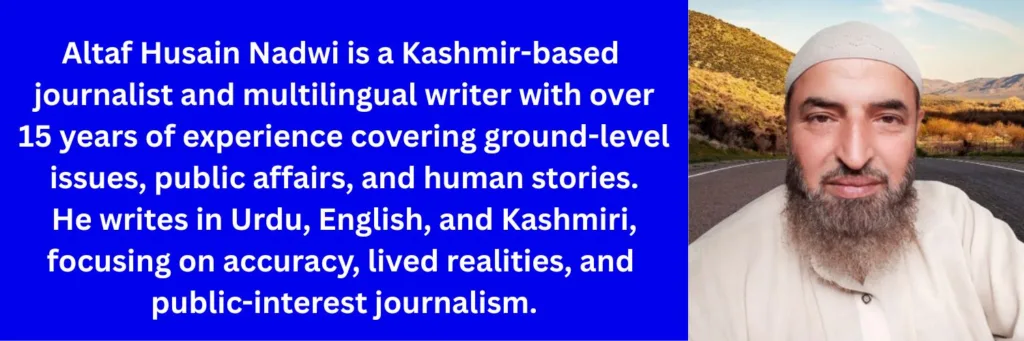
Write : Altaf Husain Nadwi Kashmiri

Pahalgam Railway Line Is About Future, Not Fear—Connectivity Is Development
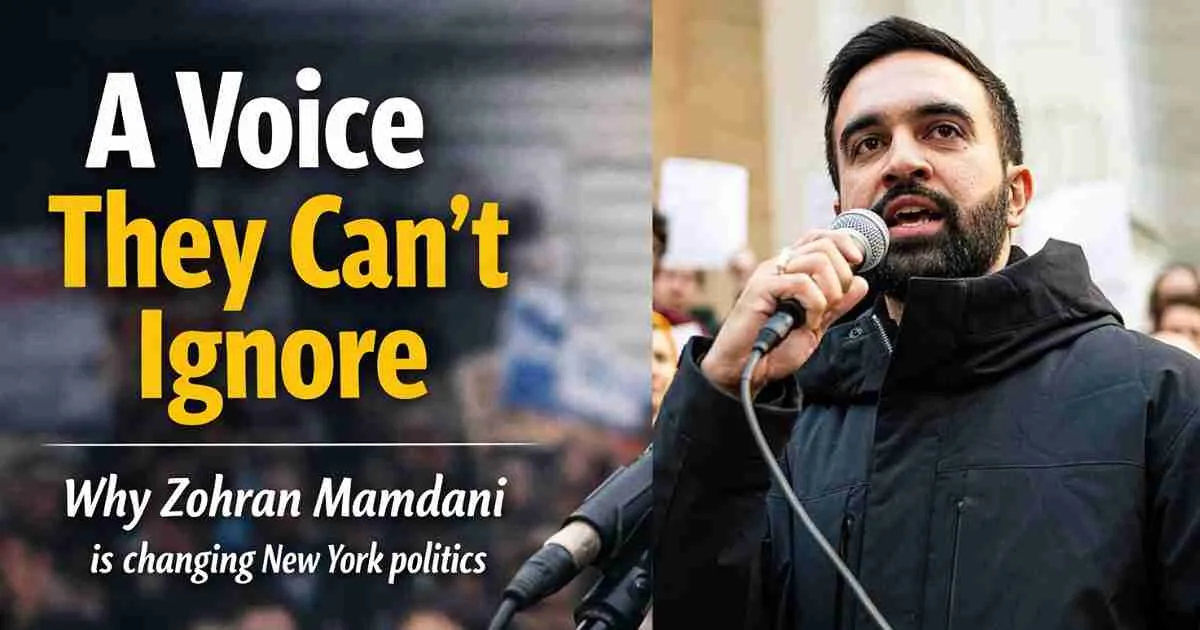
Zohran Mamdani: The Fearless New York Leader Speaking Truth When Others Stay Silent

Zohran Mamdani

Zohran Mamdani has quickly become one of the most talked-about young politicians in the United States. Known for his clear words, people-first politics, and fearless stand on global and local issues, Mamdani represents a new generation of leadership in New York.Click Here To Follow Our WhatsApp Channel

Early Life and Background

Zohran Mamdani was born to a family deeply connected to culture, education, and social awareness. Raised in New York, he grew up seeing both opportunity and inequality side by side. These early experiences shaped his political thinking and pushed him towards public service.

He studied in the US and became active in community organising before entering formal politics. From the beginning, his focus was clear: justice, dignity, and fairness for ordinary people.

Zohran Mamdani

Rise in New York Politics

Mamdani is a member of the New York State Assembly, representing parts of Queens. His campaign stood out because it was people-powered, not driven by big money. Volunteers, students, workers, and immigrant families formed the backbone of his support.

His success showed that voters were ready for honest leadership that speaks directly about real problems like:

  • High rent and housing insecurity
  • Rising cost of living
  • Healthcare access
  • Workers’ rights
  • Climate responsibility

A Leader Who Speaks Without Fear

What makes Zohran Mamdani different is his willingness to speak openly, even when the topic is uncomfortable. Whether it is foreign policy, human rights, or social justice, he does not soften his words for political convenience.

Recently, his strong public statements on international conflicts and US foreign actions brought him national and global attention. Supporters praised his courage, while critics challenged his views — but no one ignored him.

Zohran Mamdani
Zohran Mamdani / Image Credit To Yahoo.com

Why His Statements Resonate

Mamdani’s words resonate because they connect global events to local lives. He often explains how decisions made far away affect families living in New York — immigrants, refugees, workers, and students.

He consistently reminds people that:

  • War and conflict impact local communities
  • Foreign policy is not separate from daily life
  • Moral responsibility matters in leadership

This approach has made him especially popular among young voters and minority communities.

Support From Young and Working-Class Voters

Zohran Mamdani has strong support among:

  • Young voters
  • Immigrant families
  • Muslim and minority communities
  • Workers and renters

Many see him as someone who understands struggle, not just talks about it. His speeches avoid complex language and focus on simple, human truths — a key reason his message spreads widely online.

Media Attention and Growing Influence

Major media outlets and social platforms now regularly quote Mamdani. His posts on X and public speeches often go viral because they are direct, emotional, and grounded in values.

In an age where many politicians avoid clear positions, Mamdani’s clarity makes him stand out.

Why Zohran Mamdani Matters Beyond New York

Although he is a state-level leader, Mamdani’s influence goes beyond New York. He represents a wider shift in American politics — where young leaders demand accountability, fairness, and moral clarity.

For many observers, he is not just a politician, but a sign of where future US politics may be heading.

Conclusion

Zohran Mamdani is more than a rising political figure. He is a voice for those who often feel unheard. Whether people agree with him or not, his impact is undeniable.

In a world full of careful silence, Mamdani chooses clear speech — and that is exactly why so many people are listening.

Why Educated Youth in Kashmir Are Still Jobless – The Truth No One Explains

kashmiri student

(Altaf Husain Nadwi)

In Jammu and Kashmir, there is a silent pain that rarely makes headlines. It sits in small rooms, in quiet homes, and in the eyes of young people who did everything they were told to do — yet have nothing to show for it.

They studied hard.
They cleared exams.
They waited patiently.

Still, they are jobless.

A promise that slowly faded

For years, education was sold as the key to dignity and security. Parents believed it deeply. Many sold land, took loans, or worked day and night so their children could earn a degree. The promise was simple: study well, and life will get better.

But for many educated youths in Kashmir, that promise never arrived.

students

Waiting has become a way of life

Graduates wake up every morning and check notifications. Recruitment notices appear, then disappear. Exams are held, results are delayed. Sometimes selections are cancelled without clear reasons.

Months turn into years.
Hope turns into exhaustion.

Waiting has become a full-time job — without salary, without respect.

The pain nobody talks about

Unemployment is not just about money. It slowly eats confidence. A young person who once spoke with pride now avoids questions. Family gatherings become uncomfortable. Every comparison feels like a wound.

Parents don’t say much, but their silence hurts. Society doesn’t shout, but it judges quietly.

This pain does not trend on social media, but it lives inside thousands of homes.

“Skill issue” is not the full truth

Youth are often told they lack skills. So they learn more. Computers, languages, diplomas, coaching classes — they try everything. But the reality is harsh: skills cannot create jobs where opportunities are missing.

Kashmir has limited industries, weak private investment, and very few sustainable job options. Talent exists. Chances do not.

A generation stuck in between

These young people are not lazy. They want to work, to contribute, to stand on their own feet. But they are stuck between promises and reality, between hope and disappointment.

Some lose years preparing. Some lose confidence. Some lose belief.

This is more than unemployment

This is about a generation slowly losing trust — not in education, but in the system that failed to value their effort and time.

Kashmiri youth are not asking for shortcuts. They are asking for fairness. For transparency. For timely decisions. For real opportunities, not repeated assurances.

Until that happens, degrees will keep increasing, but dreams will keep shrinking.

And the silence of unemployed educated youth will remain one of Kashmir’s deepest, most ignored truths.