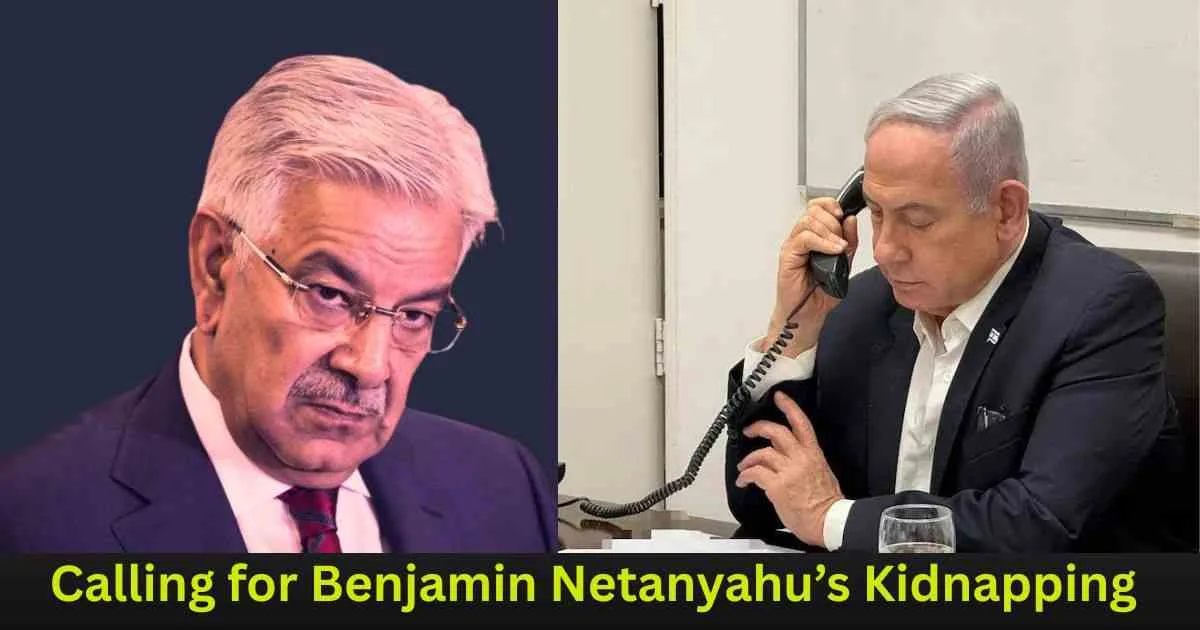
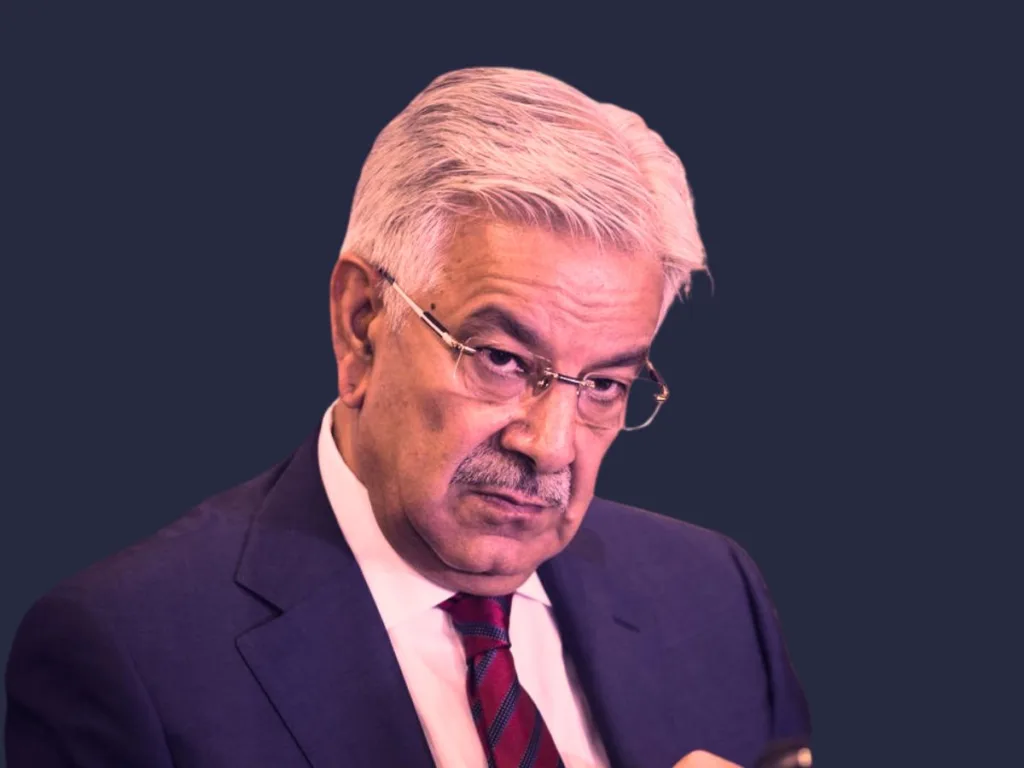
Pakistan’s Defence Minister Khawaja Asif shocked international audiences after publicly suggesting that Israeli Prime Minister Benjamin Netanyahu should be kidnapped and put on trial. While criticism of Israel’s actions in Gaza is widespread across the world, Asif’s remarks crossed a serious line — from political condemnation into reckless fantasy.
Click Here To Follow Our WhatsApp Channel
This was not a carefully framed legal argument. It was an emotional and dangerous statement that exposed a deep misunderstanding of diplomacy, international law, and global power realities.
Moral Anger Without Strategic Sense
There is no doubt that the war in Gaza has triggered global outrage. Governments, human rights groups, and international bodies have raised serious concerns. Even institutions like the International Criminal Court have come into the discussion.
However, moral anger does not give a licence to promote illegal acts. Calling for the abduction of a sitting prime minister is not justice — it is a violation of international norms. No serious state resolves war crimes allegations through kidnapping. Courts function through treaties, arrests based on jurisdiction, and legal cooperation, not televised threats.
The United States Angle: Pure Fantasy
Asif’s suggestion that the United States should seize Netanyahu reveals a complete detachment from reality. Israel is America’s closest strategic ally in the Middle East. The two countries share intelligence, military coordination, and decades of political alignment.
Expecting Washington to abduct the leader of Israel is not just unrealistic — it is absurd. Such an action would shatter global stability, undermine US credibility, and trigger consequences far beyond the Gaza conflict. No US administration, regardless of political party, would even consider such a move.
Dragging Turkey Into the Narrative
Equally misguided was Asif’s appeal to Turkey. While Ankara has criticised Israel in strong terms, Turkey remains a NATO member and a state bound by international law. Any attempt to abduct a foreign head of government would amount to state-sponsored criminality and invite massive diplomatic and economic retaliation.
This is not how international justice works. Suggesting otherwise reduces complex geopolitics to simplistic street-level slogans.
Domestic Applause, Global Embarrassment
Statements like these are often aimed at domestic audiences. In Pakistan, strong anti-Israel sentiment exists, especially during the Gaza conflict. Loud rhetoric brings short-term applause at home, but it comes at a heavy international cost.
Pakistan is already navigating economic pressure, diplomatic challenges, and the need for international cooperation. When senior ministers speak irresponsibly, it reinforces the image of a country driven by emotion rather than policy. That damages credibility — not just of the speaker, but of the state itself.
Hurting the Palestinian Cause
Ironically, such extreme language weakens the very cause Asif claims to support. The Palestinian issue requires careful diplomacy, legal consistency, and global coalition-building. When leaders promote illegal and impossible actions, they give critics an easy excuse to dismiss genuine humanitarian concerns as political noise.
Justice is not advanced by shouting the loudest. It is advanced by building pressure through law, diplomacy, and international consensus.
Leadership Demands Responsibility
Foreign policy is not a television debate. Words spoken by defence ministers carry weight far beyond studio walls. They influence how a country is viewed, trusted, and engaged with.
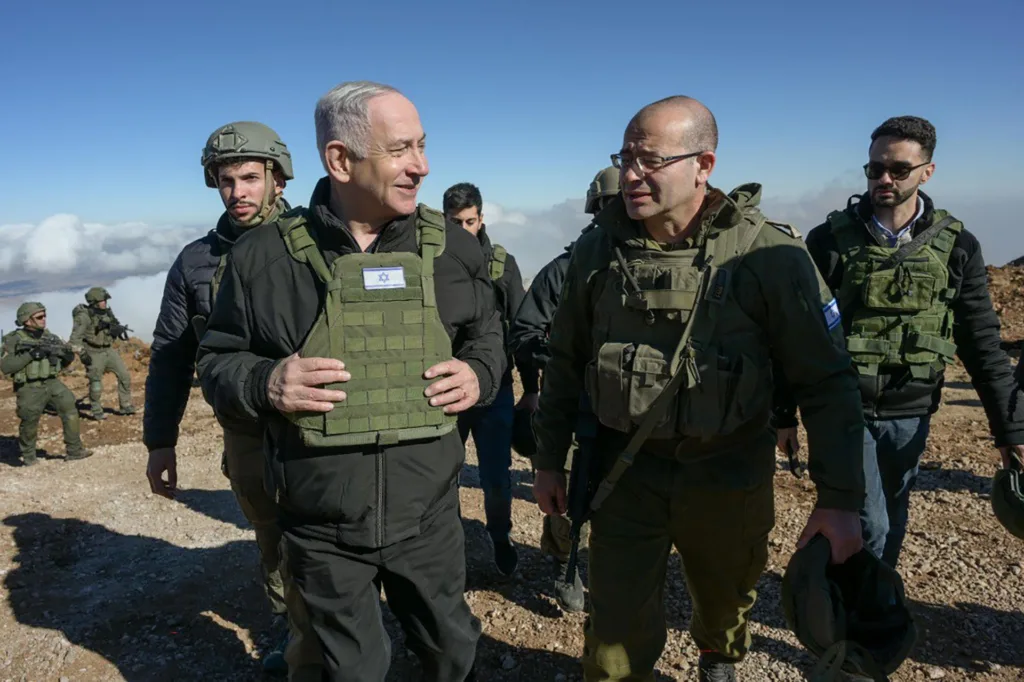
By calling for the kidnapping of Benjamin Netanyahu, Khawaja Asif showed not strength, but political immaturity. Strong leadership demands restraint, clarity, and an understanding of consequences. This episode delivered none of those.
Conclusion
Condemning violence is legitimate. Demanding accountability is reasonable. But promoting illegal fantasies under the banner of justice is neither moral nor effective.
Khawaja Asif’s remarks were not bold diplomacy — they were reckless theatre. And in global politics, theatre without strategy does not change reality; it only exposes weakness.
You Might Also Like:
At 13, This Kashmiri Boy Built 31 Apps and AI Tools
Zohran Mamdani: The Fearless New York Leader Speaking Truth When Others Stay Silent
NYC Mayor Zohran Mamdani Calls Maduro’s Capture an Act of War, Warns of Legal and Human Impact