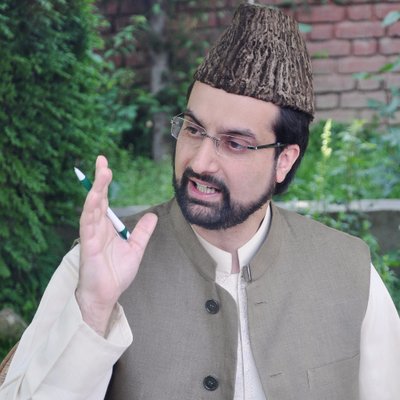
Ajaz Ahmad Bhat (IAS) Director Sericulture tours Anantnag, takes stock of developmental works

Ajaz Ahmad Bhat (IAS), the Director of the Sericulture Development Department in Jammu and Kashmir, recently conducted an extensive field visit to Anantnag District. The purpose of his visit was to evaluate the progress of ongoing development projects and assess the overall performance of the department in the district.

During the visit, Director Ajaz Ahmad Bhat inspected various Mulberry Farms, Blocks, Nurseries, and Seed Stations in Achabal. Additionally, he visited the newly constructed office building of the District Sericulture Office at Sarnal, Anantnag. The main focus of the visit was to closely monitor the ongoing developmental works and ensure the efficient functioning of the department.

Director Ajaz Ahmad Bhat urged the officers of the Sericulture Development Department to work collaboratively to achieve developmental targets and ensure that expenditures are booked by or before March 25, 2024. He specifically directed the District Sericulture Officers to promptly inspect the progress of developmental projects being executed by engineering wings in Jammu and Kashmir.
Expressing his satisfaction with the financial support from the government, Director Ajaz Ahmad Bhat highlighted that adequate funds are being provided to complete all projects and integrate the department into the Holistic Agriculture Development Programme (HADP).

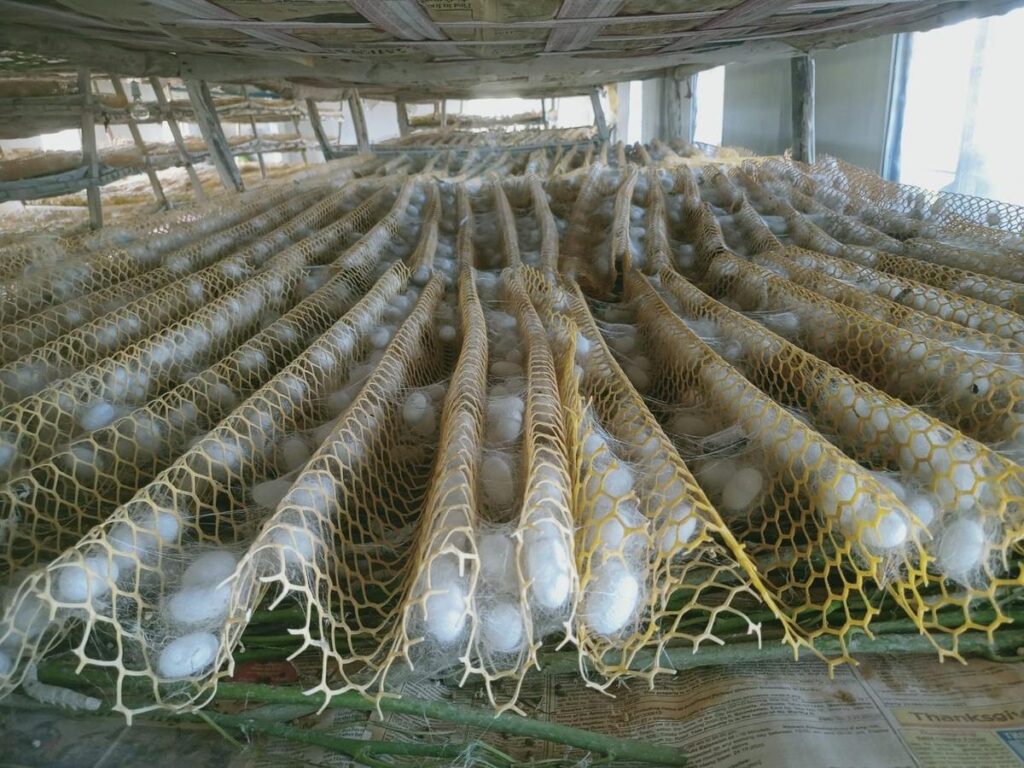
During the visit, Director Bhat engaged in a detailed interaction with departmental employees, urging them to work on a mission mode to conduct extensive mulberry plantation. He emphasized the importance of supplementing leaf reserves and providing technical guidance to Cocoon Growers to enhance cocoon production and income generation. The Director assured that Cocoon Auction Markets would be conducted on time, with preparations underway.

While visiting Seed Station Achabal, Director Bhat emphasized the crucial role of the Seed Sector in Sericulture and stressed the need to increase seed production capacity for departmental self-sufficiency. He informed that infrastructure upgrades, particularly at the Seed Station Achabal, are in progress to modernize and enhance seed-related facilities.

Director Ajaz Ahmad Bhat underscored the importance of capacity building for Silkworm Rearers and the sharing of technical guidance by field functionaries. He highlighted the need for rearers to stay informed about the latest sericulture practices and techniques to prevent diseases and boost cocoon production, ultimately augmenting the income of rearers.

Speaking at the event, Director Ajaz Ahmad Bhat assured that Departmental DPCs would be conducted in due course after evaluating employee performance. He emphasized that the promotion prospects of deserving employees would be safeguarded, and stagnation would not be allowed to hinder the future of Sericulture Department employees under his leadership.

Director Ajaz Ahmad Bhat expressed his vision for the department, stating that efforts would be made to establish more reeling and weaving units across Jammu and Kashmir. This initiative aims to encourage local consumption of the region’s produced cocoon, with a call for more people, especially the youth, to participate and benefit from available departmental schemes. He emphasized the potential of sericulture as a cash crop for income generation, citing its short rearing period and minimal space requirements compared to other crops in the region.

To know more about sericulture please click here

You may Like:

Vivanta Dal View Unveils a Stylish Haven in the Heart of the Kashmir Valley

Money Doubling Scammers Will Face Consequences, Affirms Divisional Commissioner Kashmir

In response to the money-doubling scam that has victimized several individuals, Divisional Commissioner Kashmir, Vijay Kumar Bidhuri, asserted on Wednesday that those who deceived people for financial gain will not escape punishment.

1.Divisional Commissioner’s Warning

2.Law Enforcement Action

3.Assurance of Justice

Addressing reporters in Srinagar, Bidhuri, according to KNS, highlighted that the police and other security agencies have taken serious note of the money-doubling issue, and a thorough investigation is currently underway.

He emphasized that individuals involved in fraudulent activities will be held accountable and will not evade punishment. Bidhuri expressed astonishment at how people fell prey to the scammers’ tactics, noting the increasing prevalence of online fraud in today’s digital age.

Acknowledging the evolving nature of frauds and scams, he remarked, “Today, we are all aware that online frauds and scams have gained momentum. Unlike the past, where people physically visited offices, the risk of deception is higher in the online realm. Therefore, individuals should exercise caution and verify details before engaging in any financial transactions.”

Bidhuri assured the public that those who have been scammed will see justice, and the legal process will unfold as necessary. He affirmed, “Regardless of who the perpetrators are, they will not escape punishment, and the law will follow its due course.

  1. Divisional Commissioner’s Warning: Divisional Commissioner Kashmir, Vijay Kumar Bidhuri, issues a stern warning to scammers involved in the money-doubling scam.
  2. Law Enforcement Action: Police and security agencies are actively investigating the money-doubling issue, indicating a crackdown on those responsible for defrauding individuals.
  3. Accountability Emphasized: Bidhuri asserts that those who committed fraud will not go unpunished, emphasizing a commitment to holding individuals accountable for their actions.
  4. Surprise at Victim Count: Expressing surprise at the number of people falling victim to the scam, Bidhuri highlights the increased vulnerability in the digital age, urging caution and verification of details before engaging in financial dealings.
  5. Evolution of Fraud: Acknowledging the changing landscape of fraud, the Divisional Commissioner notes the shift from physical office visits to online transactions, emphasizing the need for heightened vigilance
  6. Assurance of Justice: Regardless of the nature of the scam, Bidhuri assures the public that justice will be served, with the legal process taking its course to bring the perpetrators to account.
SHOCKING: Kashmir in Grip of Massive Money-Doubling Scam! Cyber Police Raids Expose Bogus Company’s Deceit

Unlock the Secret World of Zostel Hotel Srinagar: Your Ultimate Guide to Budget Travel Bliss

Mehraj uddin Lone SPO dies of heart attack in Bandipora

On Monday evening, a tragic incident unfolded in North Kashmir’s Bandipora district as a dedicated Special Police Officer lost his life due to a sudden heart attack. According to information obtained by Rising Kashmir, SPO Mehraj uddin Lone from Chittibanday Bandipora experienced a severe heart attack. Swift action was taken, and he was promptly transported to DH Bandipora. Despite the immediate medical response, doctors at the hospital declared him deceased upon arrival. The late Mehraj uddin Lone was serving at the Police station Hajin, adding a somber note to the loss of a valuable member of the law enforcement community.

1.What is SPO

2.J&K police

You May Like:

Kashmir’s Horticultural Splendor: A World of Natural

Pomegranate Power: Discover the Ancient Superfruit’s Health Benefits, Winter Wonders, and Surprising Side Effects!

SPOs, short for Special Police Officers, emerged as part of the extra-constitutional structures devised by the state’s policymakers during the gubernatorial regime of 1995. These individuals, often youth, are enlisted at the district level by SSPs (Senior Superintendents of Police) without a formal hire and fire policy in place. Despite being poorly equipped and donning khaki uniforms, they can be found performing a variety of roles, ranging from overseeing traffic on congested roads to playing a supportive role alongside soldiers in encounters. While they bear a visible resemblance to regular police officers, they lack the provision of leave.

1.The origin and purpose of SPOs were recently elucidated by the home ministry in response to a question posed in the state assembly. According to the ministry, the fundamental concept behind SPOs is to provide auxiliary assistance to law enforcement agencies in their efforts against terrorism. Additionally, the engagement of local youth as SPOs aims to involve the community in its own protection and to support the Jammu and Kashmir Police and security forces in combating the menace of militancy. This multifaceted role positions SPOs as integral components in the broader strategy to address security challenges in the region.

2.The Jammu and Kashmir Police (J&K Police) is the law enforcement agency responsible for maintaining law and order in the union territory of Jammu and Kashmir. The police force plays a crucial role in ensuring the safety and security of the region’s residents, as well as addressing various law enforcement challenges.

Key Features of the J&K Police:

  1. History:
    The J&K Police has a rich history dating back to the princely state era. Over the years, it has evolved to meet the changing security dynamics in the region.
  2. Jurisdiction:
    The J&K Police operates across the entire union territory, which includes the regions of Jammu, Kashmir, and Ladakh. It has the responsibility of maintaining law and order in both urban and rural areas.
  3. Roles and Responsibilities:
  • Law Enforcement: J&K Police is primarily responsible for enforcing the law, preventing and investigating crimes, and ensuring public safety.
  • Counterterrorism: Given the security challenges in the region, the police force actively participates in counterterrorism operations to combat insurgency and militancy.
  • Traffic Management: J&K Police manages traffic in urban areas, ensuring smooth flow and enforcing traffic rules and regulations.
  1. Specialized Units:
    The police force includes various specialized units to address specific challenges:
  • Anti-Terrorism Squad (ATS): Engaged in counterterrorism operations.
  • Criminal Investigation Department (CID): Responsible for investigating complex criminal cases.
  • Special Operations Group (SOG): Specialized in counterinsurgency operations.
  1. Challenges:
    The region has faced ongoing security challenges, including militancy, insurgency, and cross-border tensions. J&K Police works in collaboration with the central armed forces to address these challenges.
  2. Community Engagement:
    To foster community involvement in maintaining law and order, the J&K Police often engages in community policing initiatives. This involves building trust and cooperation between the police and the local population.
  3. Modernization Efforts:
    The police force undergoes modernization efforts to enhance its capabilities. This includes the adoption of advanced technology for crime detection, communication, and surveillance.
  4. Personnel:
    The J&K Police is staffed by trained personnel, including officers and constables. The force is committed to upholding the principles of justice, fairness, and professionalism.

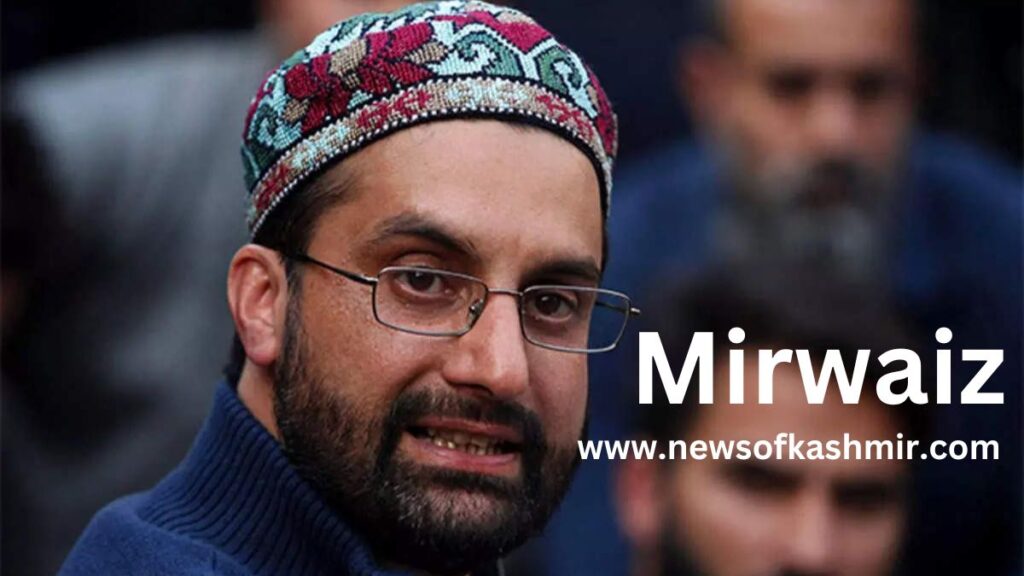
Not unexpected in the present circumstances Mirwaiz Omer Farooq on Article 370 verdict

 Hurriyat Conference (M) chairman Mirwaiz Molvi Umar Farooq on Monday said that though the decision of the Supreme Court on Article 370 abrogation is sad, but it was not unexpected in the present circumstances. 


Talking to KNS, Mirwaiz said that those people who at the time of the partition of the subcontinent, facilitated the accession of J&K and reposed their faith in the promises and assurances given to them by the Indian leadership must feel deeply betrayed. 
He said that for the rest of the state as it existed in August 1947 remains divided on the ceasefire line, and hence continues to be a bleeding humanitarian and political issue, begging redressal. (KNS)

An Introduction

Mirwaiz Umar Farooq is a prominent political and religious figure hailing from the Kashmir Valley, a region characterized by its complex socio-political landscape. Born on March 23, 1973, Mirwaiz Umar Farooq inherited his position as the Mirwaiz, or spiritual leader, from his father, Mirwaiz Muhammad Farooq, who was assassinated in 1990. The Farooq family has long been associated with the leadership of the religious and socio-political movement in Kashmir.

Mirwaiz Umar Farooq is recognized for his significant role in advocating for the rights and aspirations of the people of Kashmir. He has been a vocal proponent of a peaceful resolution to the Kashmir conflict and has engaged in various diplomatic and political initiatives to address the longstanding issues in the region. As the Mirwaiz, he holds a crucial position in the religious and cultural life of Kashmiri society, and his influence extends beyond religious matters to encompass broader political and social issues.

Throughout his career, Mirwaiz Umar Farooq has faced numerous challenges, navigating the delicate balance between his religious leadership and his role in the political arena. His efforts have been instrumental in shaping the discourse surrounding the Kashmir conflict, both within the region and on the international stage. As a figure with influence over a significant portion of the Kashmiri population, Mirwaiz Umar Farooq continues to play a crucial role in the ongoing efforts to find a peaceful and just resolution to the complex issues facing the people of Kashmir.

Mirwaiz Umar Farooq is a prominent political figure known for his involvement in the complex and sensitive political landscape of Kashmir. As the Mirwaiz, or spiritual leader, he has played a dual role, seamlessly integrating his religious authority with political activism. His political stance has primarily revolved around advocating for the rights and self-determination of the people of Kashmir.

Mirwaiz Umar Farooq has consistently called for a peaceful resolution to the Kashmir conflict, emphasizing dialogue and diplomacy as the means to address the grievances of the Kashmiri people. He has been an advocate for a just and comprehensive solution that takes into account the aspirations of the region’s residents. Throughout his political career, he has engaged in various initiatives aimed at fostering dialogue between conflicting parties and seeking international attention for the Kashmir issue.

In addition to his commitment to a peaceful resolution, Mirwaiz Umar Farooq has also highlighted human rights violations in the region, drawing attention to issues such as civilian casualties, curfews, and the impact of militarization on the daily lives of Kashmiris. His political discourse has often focused on the need for the international community to intervene and facilitate a fair and impartial resolution to the conflict.

Mirwaiz Umar Farooq’s political journey has not been without challenges. He has faced periods of house arrest and restrictions on his movement, yet he continues to be a key player in the Kashmiri political landscape. His ability to navigate the complexities of both religious and political spheres has allowed him to maintain credibility and influence among the people of Kashmir.

As a leader with a deep understanding of the historical and geopolitical context of the Kashmir conflict, Mirwaiz Umar Farooq remains an influential figure in the ongoing efforts to find a lasting and peaceful solution to one of the most protracted conflicts in the world. His political contributions continue to shape the discourse surrounding Kashmir, both at the local and international levels.

To Know More About Mirwaiz Please Click Me

You May Like :

Colleges In Kashmir From Anantnag To Kupwara

SKUAST-K Revolutionizing Kashmir’s Floriculture Industry

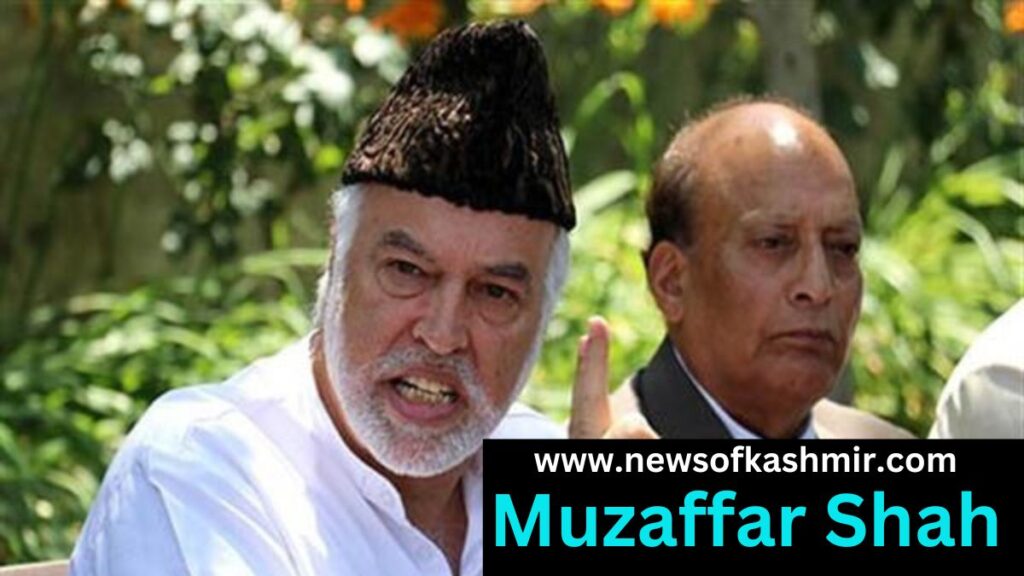
Muzaffar Shah said on Supreme Courts Verdict on Article 370 No This is Test of Constitutional Principles in Jammu and Kashmir

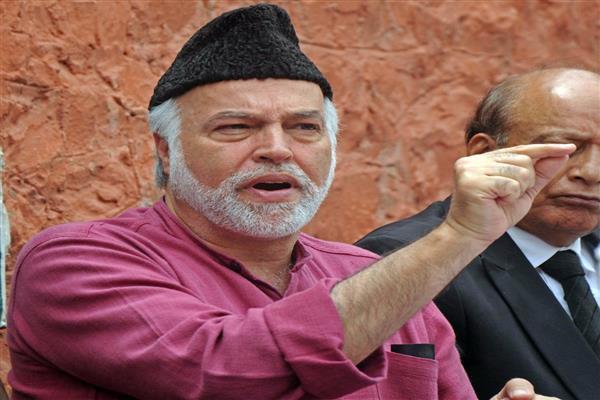
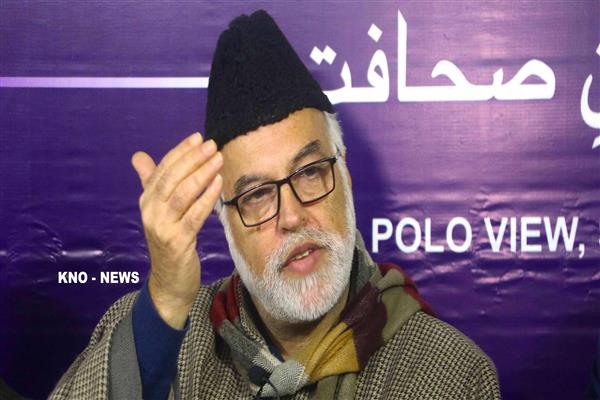
As the Supreme Court prepares to announce its verdict on Monday regarding a series of petitions challenging the abrogation of Article 370 provisions in Jammu and Kashmir, Muzaffar Shah, the senior leader and vice president of Awami National Conference, underscored on Sunday that the upcoming proceedings not only entail a verdict but also represent a significant litmus test for the apex court.

Muzaffar Shah

In an exclusive interview with a national news channel, Shah shared his perspectives in anticipation of the constitution bench, led by Chief Justice of India (CJI) D Y Chandrachud, delivering its judgment on Monday, December 11, regarding the challenge to the abrogation of Article 370.

He stressed that the gravity of the situation extends beyond a mere decision; it constitutes a pivotal examination of the Supreme Court’s mettle. Shah highlighted that the government altered the status of Jammu and Kashmir by abrogating Article 370 on August 5, 2019.

“The court must determine tomorrow whether the government’s action was justified or not, taking into account the absence of adequate information and consent from the people. The spotlight will be on the apex court and its bench as they face a momentous trial,” he remarked.

“It boils down to whether the government’s actions on August 5 were in line with constitutional principles or not. We have faith that the esteemed apex court will uphold its constitutional values and deliver a verdict that aligns with the interests of the people of Jammu and Kashmir,” he affirmed (KNS).

To know more about article 370 please click Me

You May like :

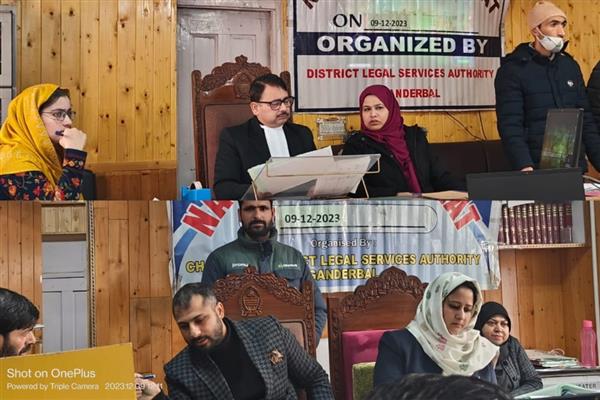
4th National Lok Adalat in Kashmir: Amicable Resolutions and Legal Impact Across Districts

4th National Lok Adalat in Kashmir: Amicable Resolutions and Legal Impact Across Districts

In accordance with the National Legal Service Authority calendar and pursuant to the directives of the Jammu and Kashmir Legal Services Authority, the 4th National Lok Adalat took place on Saturday across all Kashmir districts. District Legal Services Authorities (DLSAs) organized the event for the amicable settlement of diverse cases, aligning with the unique initiative by the Government of India to promote alternative dispute resolution and alleviate the burden on the regular court system.

Under the guidance of Hon’ble Justice N. Kotiswar Singh, Chief Justice of the High Court of J&K and Ladakh (Patron-in-Chief) J&K Legal Services Authority, and Hon’ble Justice Tashi Rabstan, Executive Chairman J&K Legal Services Authority, the National Lok Adalat aimed to address cases spanning Civil, Criminal Compoundable, Cheque bounce, Traffic Challans, Bank matters, MACT, Land Compensation, Matrimonial, Electricity, and Pre-litigation matters.

In Baramulla, Justice Sanjeev Kumar, Judge, Hon’ble High Court of Jammu and Kashmir and Ladakh, inaugurated the event, emphasizing the significance of Lok Adalat in resolving disputes outside conventional court systems. He urged the Legal Services fraternity to expedite resolutions for long-pending cases within Lok Adalats.

Justice Sanjeev Kumar handed over cheques worth Rs. 31 lakhs to victims, highlighting the event’s commitment to rehabilitation. A total of 9 benches were constituted, resulting in the amicable settlement of 500 out of 800 cases.

In Srinagar, Jawad Ahmed, Chairman District Legal Services Authority, inaugurated the National Lok Adalat at District Court Complex Srinagar. The event saw the settlement of 52,774 out of 58,811 matters, realizing Rs.18,42,60,478 as the settlement amount.

Similar successful outcomes were witnessed in Budgam, Ganderbal, Anantnag, Pulwama, Kulgam, Shopian, and Bandipora, where the National Lok Adalat effectively resolved numerous cases, emphasizing the substantial impact of the initiative in providing timely and effective resolutions. The concerted efforts of the legal fraternity, along with active participation from litigants, resulted in the amicable settlement of cases and the realization of settlement amounts across various districts.

What Is Lok Adalat ?

You May Like :

Kashmir Art earned Global Acclaim for their artistry and elegance

Professor Tasneem Mubarak Receives Prestigious 2023 IPI-FAI Award for Promoting Balanced Fertilizer Use

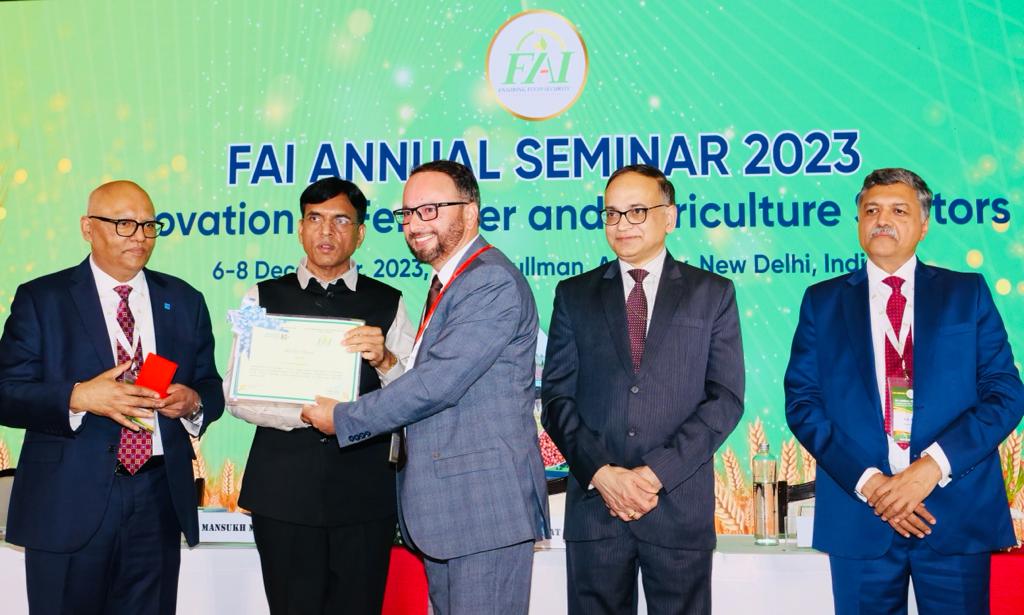
Professor Tasneem Mubarak, the Chief Scientist at MRCFC-SKUAST Kashmir, has recently received the esteemed 2023 International Potash Institute and Fertiliser Association of India (IPI-FAI) award. The distinguished recognition was bestowed upon her by Dr. Mansuk Mandaviya, the Union Minister of Chemicals and Fertilisers and Health and Family Welfare of the Government of India. The award presentation took place during the opening ceremony of the FAI Annual Seminar in New Delhi, a three-day event.

Expressing her joy at being acknowledged on such a significant platform, Professor Tasneem, who is currently stationed at the Mountain Research Centre for Field Crops SKUAST Kashmir in Khudwani, Kulgam, conveyed her belief that this recognition will serve as a source of inspiration for her and her colleagues at MRCFC. She expressed optimism that it would fuel their commitment to work with renewed energy and ambition.

The event witnessed the distribution of various awards by the Union Minister to companies, scientists, and individuals, recognizing their excellence in diverse areas such as production, environmental performance, safety, marketing, and the promotion of micronutrients and bio-fertilisers. The accolades specifically highlighted contributions to research and development aimed at enhancing agricultural productivity.

Professor Tasneem received the IPI-FAI Award for Promoting Balanced and Integrated Fertilizer Use, with a specific emphasis on Potassium. This prestigious award, which includes a cash prize of Rs 2,00,000, a Gold Medal, and a certificate, is instituted by the International Potash Institute (IPI) based in Zug, Switzerland, and administered by The Fertiliser Association of India, headquartered in New Delhi.

During the seminar, which saw participation from more than 1600 national and international delegates worldwide, Professor Tasneem emphasized the significance of the award in acknowledging and encouraging exceptional research and extension work by scientists and extension specialists. The focus was particularly on promoting balanced and integrated fertilizer usage, with a spotlight on potassium.

To know More about Agriculture Please click ME

What is Agriculture?

Agriculture is the practice of cultivating soil, raising crops, and rearing livestock for various purposes, primarily for food production. It is a fundamental human activity that involves the cultivation of plants and the domestication of animals to provide food, fiber, medicinal plants, and other products used to sustain and enhance human life.

Key components of agriculture include:

  1. Crop Cultivation: Growing plants and crops for human consumption or for other purposes, such as industrial uses or animal feed. Major crops include cereals (such as wheat, rice, and maize), pulses, fruits, vegetables, and oilseeds.
  2. Livestock Farming: Rearing and breeding animals for various products, including meat, milk, wool, and leather. Common livestock includes cattle, poultry (chickens, ducks, etc.), sheep, goats, and pigs.
  3. Agroforestry: Combining agricultural practices with the cultivation of trees and shrubs, integrating forestry and agriculture to optimize land use and provide multiple benefits.
  4. Aquaculture: The farming of aquatic organisms, such as fish, shellfish, and aquatic plants, in controlled environments for human consumption.
  5. Horticulture: The science and art of growing fruits, vegetables, nuts, seeds, herbs, sprouts, mushrooms, algae, flowers, seaweeds, and non-food crops such as grass and ornamental trees and plants.
  6. Agribusiness: The entire spectrum of commercial activities involved in the production and marketing of agricultural products, including farming, processing, distribution, and retail.

Agriculture plays a crucial role in global economies, providing food security, employment, and raw materials for various industries. The methods and practices of agriculture have evolved over time, with advancements in technology, mechanization, and sustainable farming practices aimed at improving productivity while minimizing environmental impact.

You May like :
Kashmir Art earned Global Acclaim for their artistry and elegance

Commencement of Agroforestry Enterprises and Cocoon Production Skill Training at SKUAST-K”

Two one-week entrepreneurship skill development programmes (ESDPs) on agroforestry enterprises for economic empowerment and cocoon crop production began at Sher-e-Kashmir University of Agricultural Sciences and Technology of Kashmir, Benhama and Mirgund campuses on Saturday.

The ESDPs are organised under the sponsorship of the Union Ministry of Micro, Small and Medium Enterprises.

A training program titled ‘Raising Awareness of the Socio-Economic Significance of Enterprises in Agroforestry Systems as a Tool for Achieving Economic Empowerment’ is organised by the SKUAST-K’s Division of Silviculture & Agroforestry, Faculty of Forestry.

Agoforestry

The second training titled ‘Productivity Improvement in Bi-voltine Cocoon Crop through Skill Enhancement of Job Aspiring Youth’ commenced organised by the SKUAST-K’s College of Temperate Sericulture for the students of Degree College, Hyderpora under the sponsorship of the Union Ministry of Micro, Small and Medium Enterprises. 30 students and aspiring entrepreneurs are participating in each training.

To Know More about Socio-Economic please click Here

Dean, Faculty of Forestry, Prof SA Gangoo, who was the chief guest at the inaugural function, stressed the necessity of conducting skill programs to promote entrepreneurship in Agroforestry Systems, particularly among the educated unemployed youth.

To Know About Agroforestry Click Me

Head, Division of Silviculture & Agroforestry, Dr GM Bhat emphasised the significance of enterprises in Agroforestry Systems as a Tool for achieving economic empowerment. Dr Megna Bakshi, the Program Coordinator, shed light on various aspects of the training program and the importance of enterprises in Agroforestry Systems. She discussed the program design, emphasizing its focus on providing hands-on training to the participants. Dr NA Pala, Assistant Professor, Division of SAF, presented the vote of thanks.

Director, Research, SKUAST-K, Prof Haroon R Naik, who was the chief guest at the inaugural function of cocoon production training, spoke on the importance and relevance of conducting skill programs for the youth of J&K and Ladakh, who could develop entrepreneurial skills for starting their businesses.

Associate Dean, College of Temperate Sericulture, Prof MF Baqual,  advised participating students to maximize their efforts for setting up startups based on their innovative ideas. He also thanked the university authorities for providing financial assistance through MSME. Earlier Dr SFI Qadri, coordinator of the programme, gave a brief account about the program.

You May like :

Kashmir Art earned Global Acclaim for their artistry and elegance

Kashmiri Culture : Language,Spirituality,Art,Cuisine,Traditions and Architectures

Agroforestry is an innovative and sustainable land use system that integrates the cultivation of trees or woody shrubs with traditional agricultural practices. This approach combines the benefits of forestry and agriculture, offering a holistic and environmentally friendly solution to land management. Agroforestry systems are diverse and adaptable, promoting biodiversity, conservation, and improved livelihoods for communities worldwide.

Key Components of Agroforestry:

  1. Silvopasture:
  • Integrating trees with pastureland for livestock grazing.
  • Provides shade for animals, reducing heat stress.
  • Enhances forage quality and quantity.
  1. Alley Cropping:
  • Planting rows of trees alongside crops.
  • Improves soil fertility, reduces erosion, and conserves water.
  • Creates microclimates beneficial for crop growth.
  1. Windbreaks/Shelterbelts:
  • Planting trees as barriers to protect crops, livestock, and soil from wind.
  • Minimizes wind erosion, conserves moisture, and creates a favorable microclimate.
  1. Forest Gardens/Agroforests:
  • Mimicking natural forest ecosystems with a mix of trees, shrubs, and crops.
  • Enhances biodiversity, provides diverse products, and improves soil fertility.
  1. Riparian Buffer Strips:
  • Planting trees along water bodies to protect water quality.
  • Prevents runoff, filters pollutants, and stabilizes stream banks.

Benefits of Agroforestry:

  1. Biodiversity Conservation:
  • Promotes diverse ecosystems that support a wide range of plant and animal species.
  • Creates habitats for beneficial insects, birds, and other wildlife.
  1. Soil Health Improvement:
  • Reduces soil erosion and compaction.
  • Enhances nutrient cycling and increases organic matter content.
  1. Climate Change Mitigation:
  • Trees act as carbon sinks, sequestering carbon dioxide from the atmosphere.
  • Mitigates the impacts of climate change by regulating temperature and precipitation.
  1. Increased Productivity:
  • Improves crop yields by providing shade, wind protection, and nutrient cycling.
  • Diversifies income sources through the production of timber, fruits, nuts, and other products.
  1. Water Conservation:
  • Reduces water runoff and enhances water infiltration.
  • Maintains water quality by preventing soil and nutrient runoff into water bodies.
  1. Resilience to Climate Variability:
  • Provides a buffer against extreme weather events such as droughts and floods.
  • Enhances the adaptability of agricultural systems to changing climate conditions.
  1. Economic Viability:
  • Diversifies income streams for farmers through the sale of timber, fruits, and other products.
  • Reduces dependence on a single crop, mitigating economic risks.
  1. Community Development:
  • Enhances social and economic well-being in rural communities.
  • Fosters sustainable land management practices passed down through generations.

In conclusion, agroforestry stands as a beacon of sustainable agriculture, offering a harmonious integration of trees into traditional farming systems. The multifaceted benefits of agroforestry contribute not only to environmental conservation but also to the economic prosperity and resilience of communities. As the world faces increasing challenges related to climate change and food security, the adoption of agroforestry practices represents a crucial step toward creating resilient, productive, and ecologically balanced landscapes.

Indian Army Donate 75 Desktops Gifted in local schools in Baramulla Kashmir

In a philanthropic partnership, the Indian Army and Expansion International Private Limited are making a significant impact in Boniyar, a municipal committee in the Baramulla district.

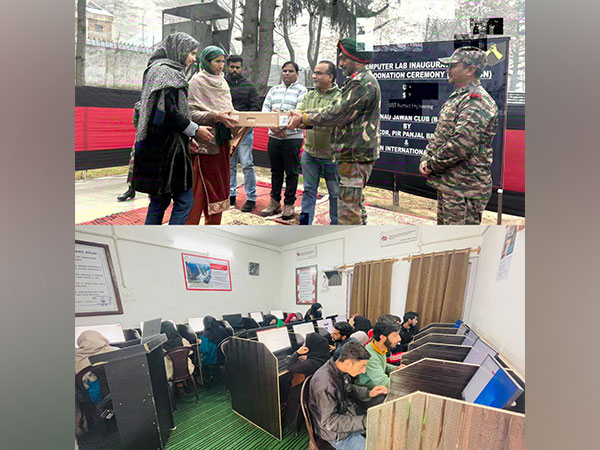
Expansion International Pvt Ltd has donated 75 desktop computers to local schools near the Line of Control (LoC) in Baramulla, apart from distributing jackets to underprivileged individuals, ensuring their comfort during the approaching winter.

With the Indian Army’s steadfast support, this effort signifies a transformative gift to the remote areas of Kashmir.

The distribution event was organised by Torna Battalion under the aegis of Pir Panjal Brigade, Dagger Division at Boniyar.

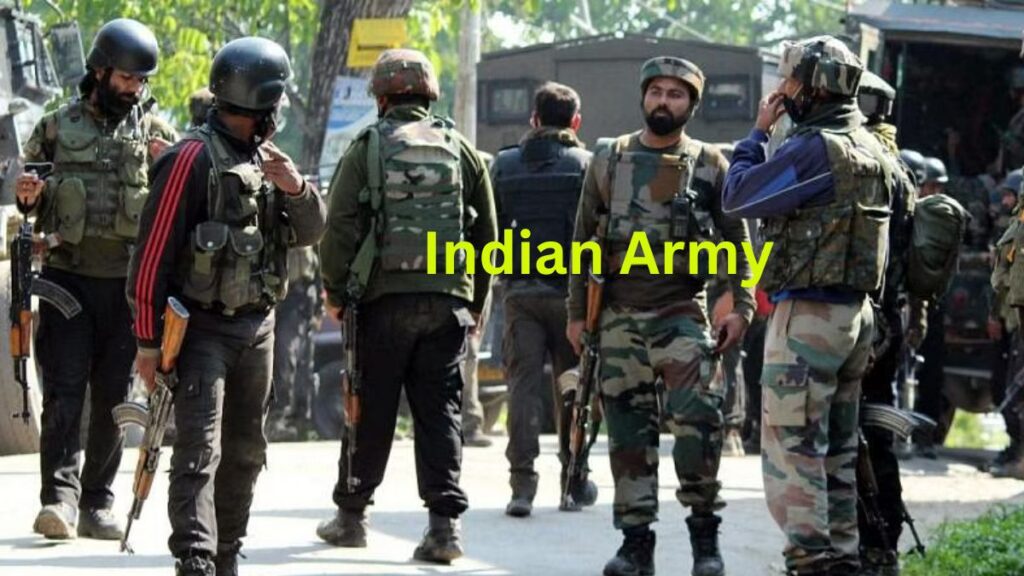
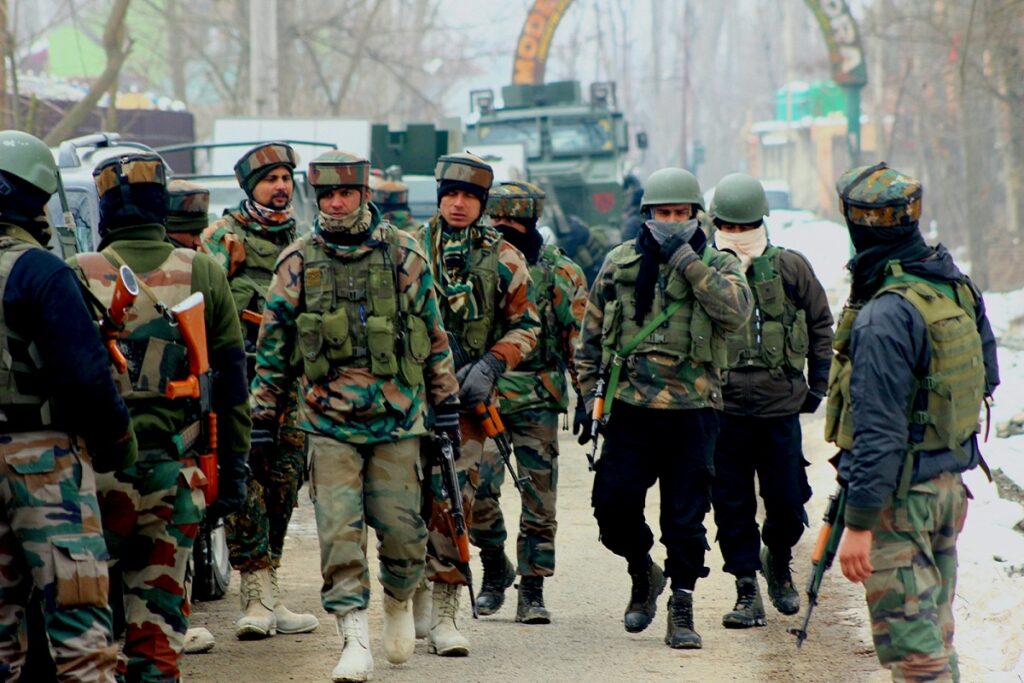
Indian Army

Additionally, a new Computer Lab was inaugurated by Cdr, Pir Panjal Brigade at Chinar Nau Jawan Club (Boniyar), benefiting local youth with access to computer-based courses and skill development.

These initiatives exemplify unity, determination, and a brighter future for the Boniyar community, according to an official release. (ANI)

To Know More About Indian Army Please Click Here

A Note is here …………

The Indian Army, as the land-based branch of the Indian Armed Forces, plays a crucial role in ensuring the security and defense of the nation. Established on April 1, 1895, the Indian Army has evolved into one of the largest and most capable armies in the world. Its power is derived from a combination of strategic doctrines, modernization efforts, a large and dedicated force, and a commitment to safeguarding India’s national interests. Here are key aspects of the Indian Army’s power:

**1. *Personnel:*

  • The Indian Army boasts a sizable and professional force, with millions of active-duty and reserve personnel.
  • It is an all-volunteer force, with a tradition of discipline, dedication, and valor.

**2. *Modernization Efforts:*

  • The Indian Army has been actively modernizing its equipment and weaponry to keep pace with evolving security challenges.
  • Investments in technology, communication systems, and firepower enhance the army’s overall capabilities.

**3. *Doctrine and Strategy:*

  • The army follows a doctrine that emphasizes defensive capabilities, deterrence, and a credible response to external threats.
  • India’s nuclear doctrine also plays a role in shaping the army’s strategic thinking.

**4. *Regional and Global Presence:*

  • The Indian Army maintains a significant presence along the country’s borders, addressing regional security concerns.
  • It participates in various United Nations peacekeeping missions, showcasing its commitment to global peace and security.

**5. *Joint Operations:*

  • The Indian Armed Forces, including the army, actively engage in joint operations, emphasizing synergy among the three services (Army, Navy, and Air Force).
  • Jointness enhances the overall effectiveness of military operations.

**6. *Counterterrorism and Counterinsurgency Operations:*

  • The Indian Army is actively involved in counterterrorism and counterinsurgency operations, particularly in regions facing internal security challenges.
  • Specialized units and training contribute to the army’s effectiveness in dealing with asymmetric threats.

**7. *Strategic Partnerships:*

  • India engages in strategic partnerships and defense collaborations with various countries, contributing to knowledge exchange, training, and technological advancements.
  • These partnerships enhance the Indian Army’s capabilities through access to advanced defense technologies.

**8. *Humanitarian Assistance and Disaster Relief:*

  • The Indian Army plays a vital role in providing humanitarian assistance and disaster relief during natural calamities or emergencies.
  • Its ability to mobilize quickly and efficiently contributes to saving lives and aiding in the recovery process.

**9. *Cybersecurity and Information Warfare:*

  • Recognizing the importance of cybersecurity, the Indian Army has developed capabilities to address threats in the cyber domain.
  • Information warfare strategies are employed to counter disinformation and propaganda.

**10. *Training and Professionalism:*

  • The Indian Military Academy (IMA) and other training institutions impart high-quality education and training to officers and soldiers.
  • A focus on professionalism ensures that the army is well-prepared for diverse challenges.

In summary, the power of the Indian Army lies not only in its numerical strength but also in its commitment to modernization, strategic thinking, joint operations, and its role in promoting regional and global security. As India continues to evolve as a major global player, the Indian Army remains a cornerstone of the nation’s defense and a symbol of its commitment to peace and security.

You May Like :

Kashmiri Culture : Language,Spirituality,Art,Cuisine,Traditions and Architectures

Handwara Girl wins prestigious National Pencak Silat Championship 2023-24 Award in Bihar

Srinagar, Nov 28 (KNS): Sheikh Anusha from Handwara, a student of 6th standard of Presentation Convent Higher Secondary School Rajbagh Srinagar has won pre-teen National Pencak Silat Championship 2023-24 Award in Bihar.The Championship was held at Pataliputra Sports Stadium Patna Bihar from 23 November to 26 November 2023.

To Know Olympic weightlifting Click Here


Anusha who hails from Rajwar Handwara of north Kashmir’s Kupwara won Gold medal in her maiden attempt in her weight category (34 to 36 Kgs) and defeated her experienced rivals with considerable point margins. The athelete previously has won Bronze medal at inter-state level this year held at Indoor Sports Stadium Srinagar Kashmir. Anusha from Handwara is next preparing to play her internationals forthwith. (KNS)

You May Like :

Kashmiri Culture : Language,Spirituality,Art,Cuisine,Traditions and Architectures

Weightlifting is a competitive sport that involves lifting a barbell loaded with weight plates in two specific movements: the snatch and the clean and jerk. Athletes in this sport are categorized by weight class, and the objective is to lift the heaviest weight possible in each of the designated lifts. Weightlifting is not only a competitive sport but also a popular form of resistance training for improving strength, power, and overall fitness.

Key Aspects of Weightlifting:

  1. Snatch:
  • In the snatch, the lifter lifts the barbell from the ground to overhead in one continuous motion.
  • The athlete must lift the barbell with locked arms and then stand upright to complete the lift.
  1. Clean and Jerk:
  • The clean and jerk consists of two movements. First, the lifter brings the barbell from the ground to the shoulders in a clean.
  • After a brief pause, the lifter jerks the barbell overhead while splitting the legs into a lunge position.
  1. Weight Classes:
  • Weightlifters compete in various weight classes, ensuring fair competition among athletes of similar body weight.
  • Weight classes range from lightweight to heavyweight, with specific weight limits for each category.
  1. Technique:
  • Weightlifting requires precise technique to maximize the lifter’s efficiency and safety.
  • Lifters undergo extensive training to master the biomechanics of the snatch and clean and jerk.
  1. Competition Format:
  • Weightlifting competitions consist of multiple rounds where lifters attempt progressively heavier weights.
  • Lifters have three attempts in each lift, and the best lift from each category is combined to determine the overall score.
  1. Scoring:
  • The winner in weightlifting is determined by the total weight lifted in both the snatch and the clean and jerk.
  • If two lifters have the same total weight, the lifter with the lower body weight is ranked higher.
  1. Equipment:
  • Weightlifters use specialized equipment, including weightlifting shoes, a singlet, and wrist wraps.
  • The barbell and weight plates conform to international standards for weightlifting competitions.
  1. Strength and Conditioning:
  • Weightlifting is an excellent form of strength training that targets various muscle groups.
  • Athletes engage in strength and conditioning programs to enhance their performance and prevent injuries.
  1. Olympic Sport:
  • Weightlifting is one of the oldest sports in the Olympic Games, with a history dating back to the first modern Olympics in 1896.
  • It remains a core Olympic sport, attracting elite athletes from around the world.
  1. Benefits:
    • Weightlifting provides numerous health and fitness benefits, including increased strength, improved bone density, and enhanced muscle tone.
    • It is also effective for weight management and can contribute to overall well-being.

Weightlifting requires a combination of strength, speed, technique, and mental focus. Athletes in this sport undergo rigorous training regimens to achieve peak performance, and weightlifting competitions showcase the incredible strength and skill of participants. Whether pursued competitively or as part of a fitness routine, weightlifting remains a dynamic and challenging form of physical activity.

To know More about Weightlifting Please click HERE