Yemen’s Houthi Rebels Threaten to Resume Red Sea Shipping Attacks Amid US–Israel–Iran Escalation

yemen

Yemen’s Iranian-backed Houthi rebels have decided to restart missile and drone attacks on ships in the Red Sea corridor and also target Israel, according to two senior Houthi officials speaking to the Associated Press (AP).

This news broke today (Saturday, 28 February 2026) amid the big escalation between the US, Israel, and Iran. The Houthis say the move is in support of Iran after the recent US-Israel strikes on Iranian targets.Click Here To Follow Our WhatsApp Channel

Key Details

  • Two senior Houthi officials spoke anonymously (they did not want to be named because there has been no official statement from Houthi leaders yet).
  • One official said the first attack could happen as soon as tonight.
  • The Houthis had stopped these Red Sea attacks earlier as part of a deal with the Trump administration. That agreement also stopped US strikes on the Houthis.
  • They also paused attacks on Israel after an October ceasefire that ended major fighting in Gaza.
  • Now, with the new US-Israel actions against Iran, the Houthis are restarting to show solidarity.

The Red Sea is a very important shipping route. Many goods pass through it to reach the Suez Canal and Europe/Asia. Houthi attacks in the past (starting late 2023) forced many ships to go the long way around Africa, raising costs and delaying deliveries.

Why This Matters Now

This comes right after the major strikes on Iran by the US and Israel today. The region is already on high alert with explosions in Gulf countries, closed airspace, and fears of wider war. The Houthis control large parts of Yemen and have long-range missiles and drones supplied by Iran.

No attacks have been confirmed yet today, but shipping companies, navies, and governments are watching closely. Many ships may avoid the area again if attacks restart, which could affect world trade, oil prices, and supply chains.

This is a developing story and things could change quickly. Maritime security groups are issuing warnings, and the situation remains very tense.

Stay updated with trusted news sources for any new developments. The Middle East tensions are high right now.

At 13, This Kashmiri Boy Built 31 Apps and AI Tools

Delhi Court Convicts Kashmiri Separatist Asiya Andrabi in UAPA Case

Major Middle East Crisis as US and Israel Strike Iran; Iran Fires Missiles and Drones Across Region

US Attack Iran

The Middle East is facing a major crisis today (Saturday, 28 February 2026) after the United States and Israel launched big attacks on Iran. In quick response, Iran fired a large number of missiles and drones at Israel and several US military bases in the Gulf region. Explosions have been reported in places like the UAE, Qatar, Saudi Arabia, Bahrain, and Kuwait.

This is a very serious and fast-moving situation. Here’s a clear breakdown of what has happened so far, in simple UK English..Click Here To Follow Our WhatsApp Channel

What Started It All

  • Early this morning, Israel said it carried out a “pre-emptive” strike on Iran. They targeted military sites, missile bases, and even areas linked to Iran’s leaders.
  • US President Donald Trump then announced that the United States had begun “major combat operations” in Iran. In a video message (posted on Truth Social), he said the attacks were needed to stop Iran’s nuclear programme, destroy its missiles, and prevent it from ever getting nuclear weapons.
  • Trump also spoke directly to the people of Iran, urging them to “take over your government” and saying the “hour of your freedom is at hand”. He blamed Iran for years of attacks on the US and its allies.
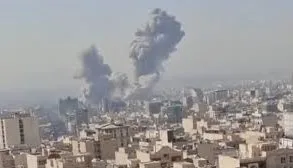
  • Explosions were heard in Tehran (Iran’s capital), Isfahan, Qom, Karaj, and other cities. Smoke rose over parts of Tehran, including near the compound of Supreme Leader Ayatollah Ali Khamenei and the presidential palace. Some reports say strikes hit close to President Masoud Pezeshkian too.

Israel and the US described this as a joint effort after months of planning. They say it aims to remove the “existential threat” from Iran’s nuclear and missile programmes. (There was an earlier round of fighting in June last year, but this seems much bigger.)

Iran’s Strong Response

Iran’s Revolutionary Guards (IRGC) called it a “first large-scale wave” of revenge attacks.

  • They fired missiles and drones straight at Israel. Sirens sounded across the country, including in Jerusalem. Israel’s air defences (like Iron Dome) intercepted many, with loud booms heard overhead. Some reports say a second and third barrage came later. At least one person in Israel was lightly injured.
  • Iran also targeted US military bases in Gulf countries that host American troops:
  • Qatar: Missiles aimed at the big Al Udeid Air Base near Doha (the largest US base in the region). Qatar’s defence systems (Patriot missiles) intercepted them. Explosions and smoke were seen in the sky over Doha.
  • UAE: Explosions in Abu Dhabi and Dubai. The UAE said its air defences stopped several ballistic missiles. Sadly, one person (an Asian man) died from falling debris. A second wave was also intercepted.
  • Bahrain: Missiles hit near the US Navy’s Fifth Fleet headquarters in Manama. Explosions and sirens were reported in the area.
  • Kuwait: Air defences activated near Ali Al Salem Air Base.
  • Saudi Arabia: Loud explosions heard in Riyadh (the capital). Some link this to nearby US-related sites, though details are unclear.
  • Iran’s Foreign Ministry said the “time has come to defend the homeland”. They called the US-Israel strikes a violation of international rules and promised a “decisive” and “crushing” reply.

Other Effects Right Now

  • Many countries in the region closed their airspace. Airlines cancelled or diverted flights to avoid danger.
  • US embassies in places like Qatar, UAE, and Jordan told staff and Americans there to shelter in place.
  • Oil prices could rise sharply because the Gulf is key for world oil supplies, and attacks risk sea routes.
  • Internet access in Iran has been cut or slowed down, according to reports.

This comes after long tensions over Iran’s nuclear plans. The US and Israel say Iran is close to building nuclear weapons (Iran denies this and says its programme is for peaceful use). Previous talks failed, and Trump had warned of action if no new deal was made.

The world is watching closely. Leaders from many countries are calling for calm, but there’s fear this could turn into a bigger war involving more countries. No clear end is in sight yet, and more strikes could happen.

This is a developing story – things are changing quickly. Stay safe, and check trusted news for the very latest updates.

At 13, This Kashmiri Boy Built 31 Apps and AI Tools

Delhi Court Convicts Kashmiri Separatist Asiya Andrabi in UAPA Case

Jammu & Kashmir Win Historic First-Ever Ranji Trophy Title After 67 Years

Ranji Trophy Title After 67 Years

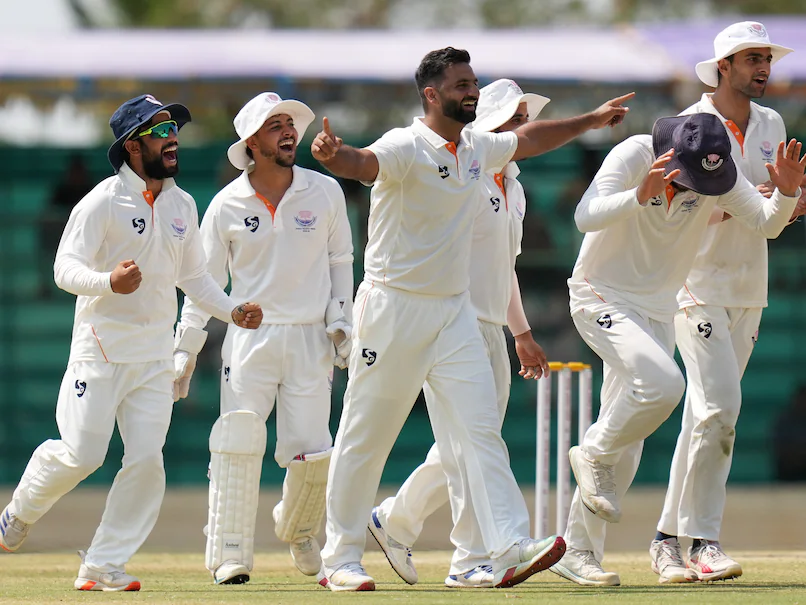
The final against Karnataka ended in a draw on Saturday, 28 February 2026, at the KSCA Cricket Ground in Hubballi. But J&K were declared champions because of their huge first-innings lead of 291 runs.

This is a massive moment after 67 years since J&K first played in the Ranji Trophy back in 1959-60. The team, led by captain Paras Dogra, completely dominated the game against a strong Karnataka side that included stars like KL Rahul, Devdutt Padikkal, Mayank Agarwal, and Prasidh Krishna.Click Here To Follow Our WhatsApp Channel

Match Summary

  • J&K 1st innings: 584 all out (Shubham Pundir hit 121, Yawer Hassan made 88; Prasidh Krishna took 5 wickets for Karnataka).
  • Karnataka 1st innings: 293 all out (Mayank Agarwal scored 160; Auqib Nabi took 5-54 – his seventh five-wicket haul this season).
  • J&K 2nd innings: 342 for 4 declared (Qamran Iqbal stayed not out on 160, Sahil Lotra scored 101).

J&K built a lead of over 600 runs overall before declaring. They controlled every day and never let Karnataka fight back. Auqib Nabi was named Player of the Series for his brilliant bowling.

Celebrations are happening across Jammu and Kashmir – people are full of pride! Chief Minister Omar Abdullah has announced a ₹2 crore cash reward for the team and support staff, plus government jobs for the players under special rules for top sports stars.

Many are calling this a proud day for the region and a big boost for cricket here. Players like Auqib Nabi, Qamran Iqbal, Shubham Pundir, and the whole squad are real heroes.

Well done, Team J&K – you’ve inspired so many!

At 13, This Kashmiri Boy Built 31 Apps and AI Tools

Delhi Court Convicts Kashmiri Separatist Asiya Andrabi in UAPA Case

DGP Nalin Prabhat Chairs Joint Security Review Meeting in Handwara and Kupwara, Stresses Zero Tolerance on Terror

DGP Nalin Prabhat

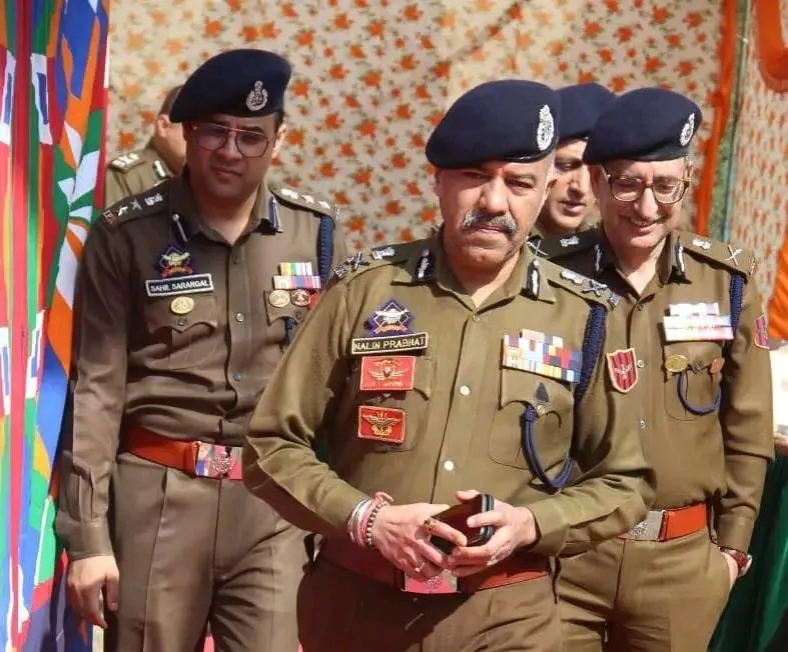
The Director General of Police, Jammu & Kashmir, Nalin Prabhat, on Friday chaired a comprehensive joint security review meeting to assess the prevailing security situation, operational preparedness, and strategic response mechanisms in Police District Handwara and District Kupwara.

The DGP was accompanied by senior officers including Spl. DG (Coordination) S.J.M. Geelani, IGP Kashmir V.K. Birdi and DIG North Kashmir Range Shri Maqsood-ul-Zaman. The meeting was attended by SSP Handwara, SSP Kupwara, Additional SP Handwara, Additional SP Kupwara, all SDPOs, DySP Operations, SHOs, and DOs of Police District Handwara as well as Kupwara.Click Here To Follow Our WhatsApp Channel

During the meeting, SSP Handwara Shri Sahil Sarangal-IPS and SSP Kupwara Shri Al-Tahir Geelani-JKPS briefed the current security environment in the district. The briefing comprehensively covered counter-terrorism operations, anti-narcotics drives, measures to curb terror financing and adverse entities network and area domination plans. A thorough review of the operational grid, surveillance mechanisms, border sensitivities, and preparedness to respond to emerging threats was also undertaken.

The DGP minutely reviewed the existing operational strategies and emphasized the need for a proactive, intelligence-led, and technological initiative’s to neutralize terrorist threats and dismantle the supporting ecosystem.

Stressing zero tolerance towards terrorism, Nalin Prabhat directed officers to undertake focused and sustained action against elements aiding, abetting, or facilitating terror activities in any form. During the meeting it was enjoined upon all the officers for decisive and uncompromising kinetic operations against Pakistani terrorists and instructed that operational momentum be maintained without dilution and enhance human intelligence (HUMINT) networks, technical surveillance capabilities, and ensure seamless coordination among Police, Army, CAPFs, and other sister agencies.

He stressed that synergy, real-time information sharing, and swift execution remain key to pre-empting terrorist designs and maintaining a dominant security posture. At the end of the meeting the officers present also shared field-level feedback, operational challenges, and suggestions to further strengthen the security architecture..

The DGP appreciated the efforts of Handwara Police and Kupwara Police urged officers to remain vigilant, proactive, and committed to ensuring peace, stability, and security in the district.

At 13, This Kashmiri Boy Built 31 Apps and AI Tools

Delhi Court Convicts Kashmiri Separatist Asiya Andrabi in UAPA Case

CIK Secures Non-Bailable Warrants Against Top Hizb-ul-Mujahideen and UJC Operatives in 1996 Terror Case

Hizb-ul-Mujahideen

Counter Intelligence Kashmir (CIK) has secured Non-Bailable Warrants (NBWs) against four top operatives of the banned outfit Hizb-ul-Mujahideen (HM), including the chief of the United Jihad Council (UJC), in connection with a long-pending terror case.

According to officials, the NBWs were issued by the Court of Additional Sessions Judge TADA/POTA (Special Judge designated under the NIA Act), Srinagar, in FIR No. 05/1996 registered at Police Station CIK under Sections 121, 121-A, 153-A, 153-B of the Ranbir Penal Code, read with Section 13 of the Unlawful Activities (Prevention) Act and Sections 2/3 of the E&IMCO Act.Click Here To Follow Our WhatsApp Channel

The warrants have been issued against:

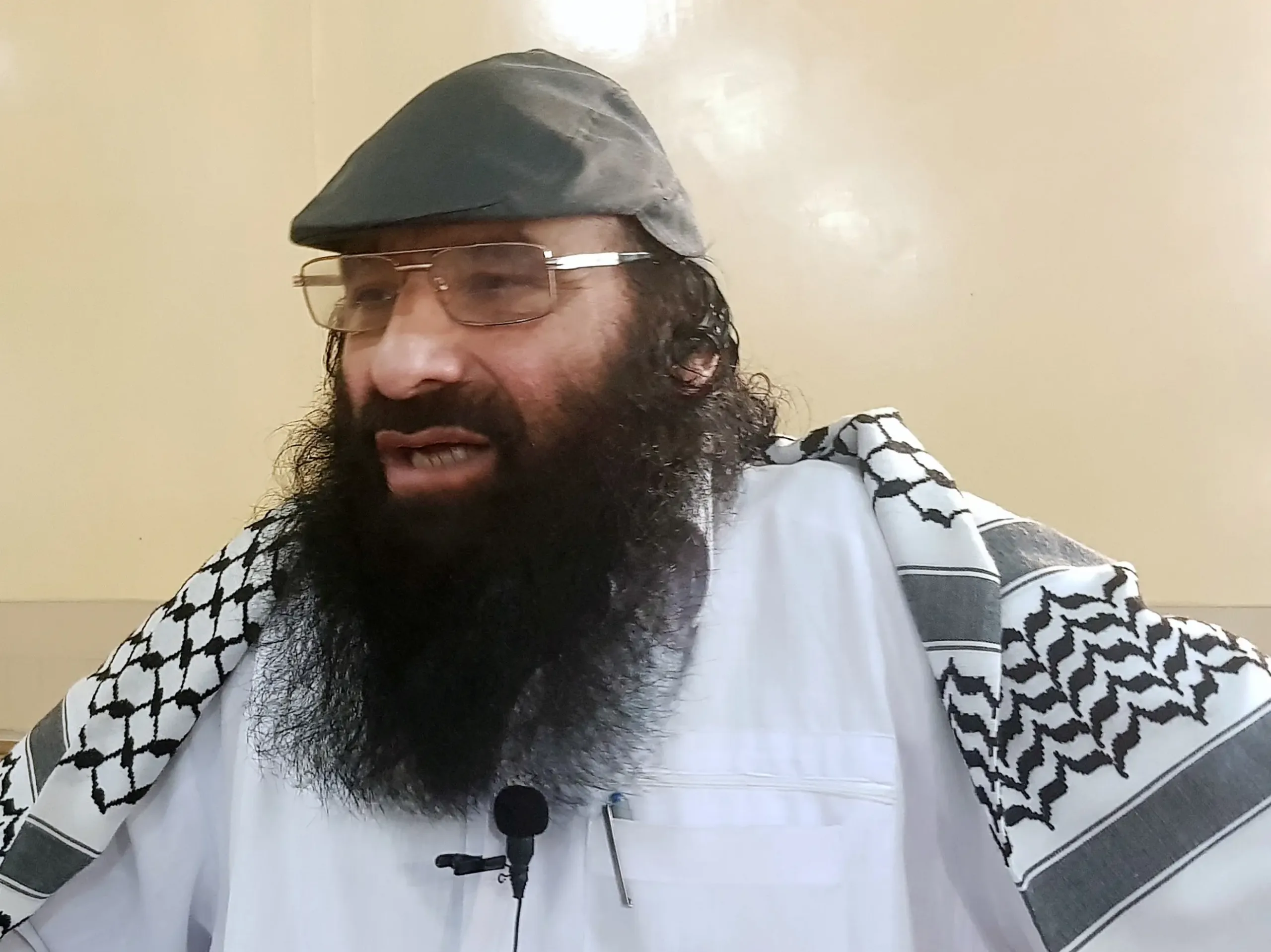
• Mohd Yousuf Shah alias Syed Salah-ud-din of Soibugh, Budgam, chief of the so-called United Jihad Council and Hizbul Mujahideen. Officials said he is involved in multiple terror-related FIRs across the Valley.

• Ghulam Nabi Khan alias Amir Khan of Srigufwara, Anantnag, described as Deputy Supreme Commander of HM, allegedly involved in recruitment and coordination of militant activities.

• Sher Mohammad alias Bahadur/Riyaz of Malangam, Bandipora, identified as an HM commander with cases registered under UAPA and EIMCO Act provisions.

• Nasir Yousuf Qadri of Sheeltang, Habbakadal, later Bemina, Srinagar, accused of being associated with HM and allegedly operating Kashmir Media Service (KMS) to propagate anti-India narratives and issue threats.

Officials said the case dates back to April 5, 1996, when credible inputs suggested Pakistan-based handlers were motivating and facilitating Kashmiri youth to undergo arms training in PoK/PAK for waging war against India.

At 13, This Kashmiri Boy Built 31 Apps and AI Tools

Delhi Court Convicts Kashmiri Separatist Asiya Andrabi in UAPA Case

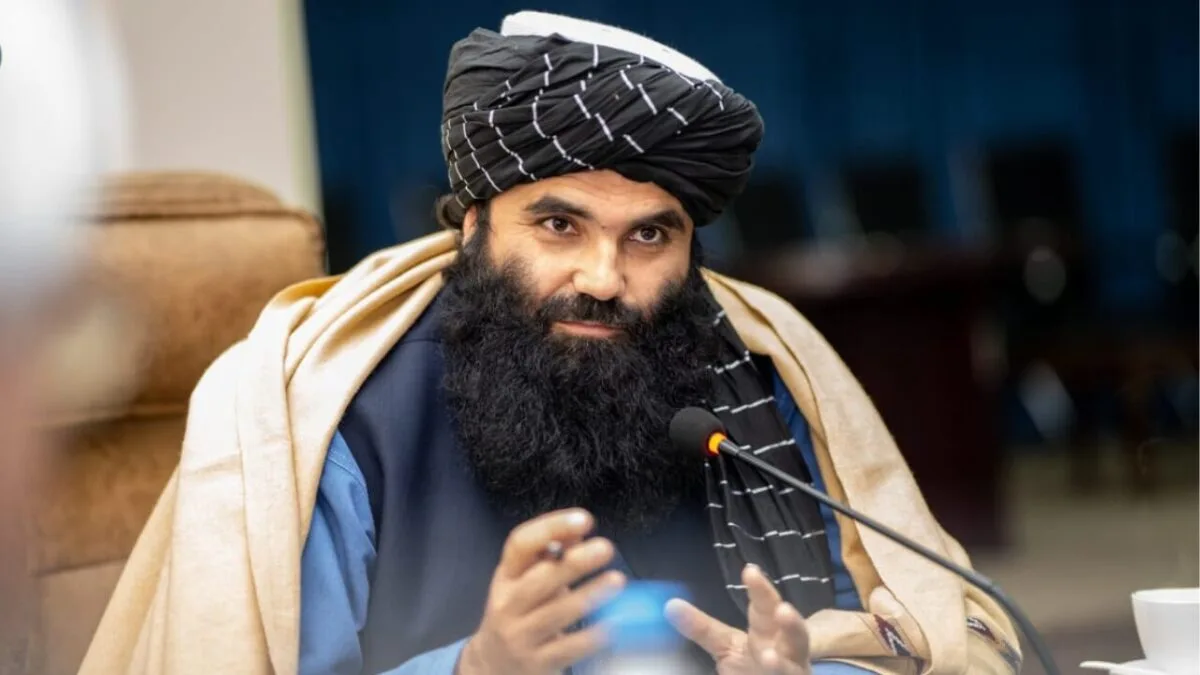
Afghanistan’s Interior Minister Sirajuddin Haqqani Issues Stern Warning to Pakistan ”Do Not Force Us Into War”

Sirajuddin Haqqani

Afghanistan’s acting Interior Minister and Haqqani Network leader Sirajuddin Haqqani issued a stern public warning to Pakistan on Friday, urging restraint and cautioning against actions that could lead to full-scale war between the two neighboring countries.

In a message that quickly spread across social media platforms, particularly on X, Haqqani stated:

“Do not deliberately force us into war. You may have air power & money, but our nation has determination, resolve, & faith. When we defeated invading forces, we did not defeat them with technology; we defeated them with this very unity & solidarity.”Click Here To Follow Our WhatsApp Channel

Addressing the people of Pakistan directly, he added:

“I once again send this message to the people of Pakistan: advise Asif–Munir to show some restraint. If it is true that our fathers, grandfathers, & our nation fought wars with them in history, then let them tell us — but it was we who liberated their homeland.”

The reference to “Asif–Munir” is widely understood to mean Pakistan’s Defence Minister Khawaja Muhammad Asif and Army Chief General Syed Asim Munir.

Haqqani’s remarks come amid intense cross-border military exchanges following Pakistan’s launch of Operation Ghazab Lil Haq (Righteous Fury) in response to what Islamabad describes as repeated attacks and provocations by Afghan Taliban forces along the Durand Line.

Pakistani officials have claimed the operation has inflicted heavy losses on Taliban positions, reporting over 270 Taliban personnel killed, more than 400 injured, destruction of dozens of posts, and Pakistani forces seizing control of several checkpoints. Pakistan insists its strikes have targeted only terrorist infrastructure and military sites linked to the Tehrik-i-Taliban Pakistan (TTP) and other groups.

The Taliban-led Afghan government has strongly rejected these claims, accusing Pakistan of unprovoked aggression, civilian casualties, and violation of Afghan sovereignty. Haqqani’s statement reinforces the Taliban’s longstanding narrative of ideological resilience and historical defiance against superior military powers, referencing Afghanistan’s victories over Soviet and NATO-led forces through unity rather than advanced weaponry.

Sirajuddin Haqqani, who has been a central figure in the Taliban administration since the 2021 takeover, has previously issued similar warnings to Pakistan over border tensions, including earlier statements threatening severe retaliation if aggression continued.

The latest exchange underscores the deepening mistrust between Islamabad and Kabul, fueled by mutual accusations: Pakistan charges the Taliban regime with providing safe haven to TTP militants launching attacks inside Pakistan, while Afghan officials accuse Pakistan of interference and supporting anti-Taliban elements.

Diplomatic efforts remain stalled, though regional powers including China, Russia, and Iran have called for immediate de-escalation to prevent further instability along the 2,600-km Durand Line.

As of late February 27, 2026, no formal Taliban government press statement has elaborated on Haqqani’s remarks, but they have been widely amplified by Afghan-aligned social media accounts and supporters. Pakistani authorities have not issued a direct public response to this specific message, though ongoing military briefings continue to characterize operations as measured, defensive, and successful.

The border situation remains highly volatile, with analysts warning that without urgent back-channel dialogue or third-party mediation, the risk of further escalation persists.

At 13, This Kashmiri Boy Built 31 Apps and AI Tools

Delhi Court Convicts Kashmiri Separatist Asiya Andrabi in UAPA Case

Unverified Reports Claim Taliban Leader Hibatullah Akhundzada Killed in Pakistani Airstrikes

hibatullah akhundzada

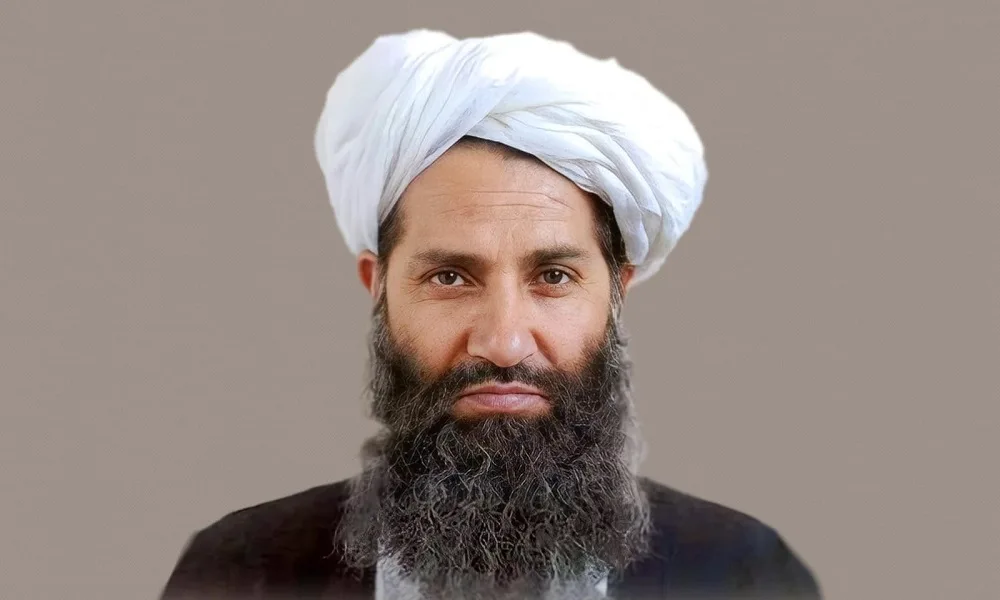
Amid the ongoing “open war” between Pakistan and Afghanistan’s Taliban regime, unconfirmed reports circulating on social media and some media outlets allege that Taliban Supreme Leader Hibatullah Akhundzada (also spelled Haibatullah or Hibatullah Akhundzada) has been killed in Pakistani airstrikes as part of Operation Ghazab Lil Haq (“Righteous Fury”).

The claims, which surfaced prominently on February 27, 2026, suggest Akhundzada died alongside senior Taliban commanders during precision strikes targeting military headquarters and facilities in Kabul, Kandahar (widely regarded as his base and the Taliban’s spiritual stronghold), and other locations. Sources including OSINT accounts (such as OSINT Europe), viral clips on platforms like X, and reports from outlets like IntelliNews, Sunday Guardian, WION, and Firstpost have amplified these rumors, often citing social media posts as the origin.Click Here To Follow Our WhatsApp Channel

Pakistan’s military operation, launched in response to Taliban cross-border attacks, has involved airstrikes on alleged terrorist infrastructure, with Pakistani officials (including DG ISPR briefings) claiming significant casualties: 274 Taliban personnel killed, over 400 injured, dozens of posts destroyed, and control seized over several checkpoints. Strikes reportedly hit key sites like infantry brigade headquarters in Kabul and Kandahar, with explosions visible in the Afghan capital.

However, no official confirmation has come from either side:

  • The Taliban has not issued any statement acknowledging Akhundzada’s death or even addressing leadership-level losses. Past rumors about the reclusive leader’s health or demise have been denied or ignored to maintain internal unity.
  • Pakistani authorities, including the military and government spokespersons, have detailed strikes on military and terrorist targets but have made no mention of targeting or eliminating Akhundzada specifically.
  • International media (e.g., CNN, The New York Times, Washington Post) report on the broader escalation—including Pakistan’s declaration of “open war” and mutual border clashes—but describe the death claims as unverified or speculative, originating from social media and lacking independent verification.

Akhundzada, the Taliban’s supreme leader since 2016, maintains an extremely low public profile with almost no photographs, rare appearances, and limited direct communication—factors that have fueled periodic speculation about his status in the past.

The fluid situation follows intense exchanges: Afghan forces attacked Pakistani border positions on February 26, prompting Pakistan’s retaliatory airstrikes early February 27. Casualty figures vary widely between the two sides, with Afghanistan downplaying losses and calling Pakistani actions “cowardly.”

As of late February 27, 2026 (evening IST), the reports remain rumors without substantiation. Any confirmation of a leadership change would mark a major development in the conflict and the Taliban’s internal dynamics. The international community, including calls for de-escalation from Russia, Iran, China, and others, continues to monitor the rapidly evolving border crisis closely.

Further updates will depend on official statements from Kabul or Islamabad.”

At 13, This Kashmiri Boy Built 31 Apps and AI Tools

Delhi Court Convicts Kashmiri Separatist Asiya Andrabi in UAPA Case

274 Taliban Fighters Dead, 400 Wounded in Fierce Border Fighting; 12 Pakistani Soldiers Killed, 27 Injured

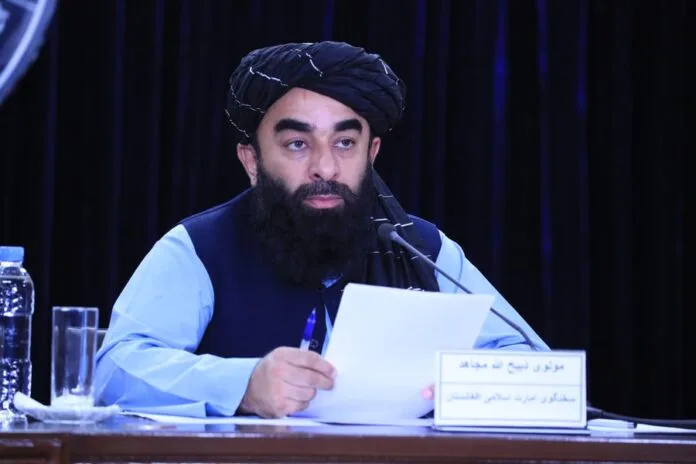
zabihullah mujahid

Tensions along the Pakistan–Afghanistan border have sharply escalated after Pakistan launched Operation Ghazab Lil Haq, following a series of cross-border attacks. According to Pakistan’s military spokesperson, the clashes resulted in heavy casualties on both sides, marking one of the most intense phases of fighting in recent years.

Massive Exchange of Fire Across 53 Locations

The Director General of Inter-Services Public Relations (ISPR), Lieutenant General Ahmed Sharif Chaudhry, said that Afghan Taliban forces opened fire at 53 different locations across 15 sectors along the border. Pakistani forces responded immediately, repelling all attacks. Click Here To Follow Our WhatsApp Channel

Military officials described the fighting as fierce and prolonged, involving artillery, drones, and armoured units. Explosions were reported in multiple sectors as both sides engaged in heavy shelling.

Heavy Taliban Losses Reported

According to the official briefing:

  • 274 Taliban fighters were killed
  • More than 400 were wounded
  • 74 Taliban posts were completely destroyed
  • 18 checkpoints are now under Pakistani control
  • 115 tanks and armoured vehicles were destroyed

Pakistan claims that its forces targeted only military installations and armed positions. Several hideouts linked to militant groups were reportedly struck in Kabul, Paktia, and Kandahar.

Pakistani Casualties Confirmed

On the Pakistani side, the military confirmed:

  • 12 soldiers were killed
  • 27 soldiers were injured

Officials described the fallen soldiers as brave personnel who lost their lives while defending border posts against coordinated attacks.

Air and Drone Operations

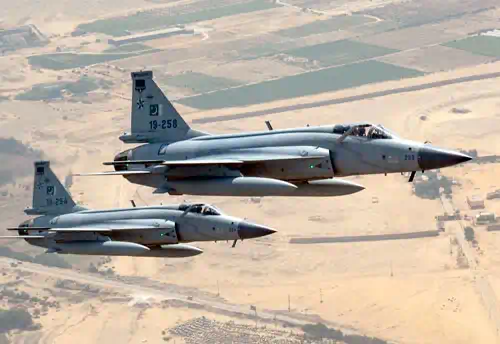
The Pakistan Air Force carried out targeted strikes on key Taliban positions, including reported hits on an Infantry Brigade Headquarters in Kabul and another installation in Kandahar. Night-time explosions were seen across parts of Kabul during the operation.

Meanwhile, drone attacks attempted in Abbottabad and Nowshera were successfully intercepted, preventing further damage.

No Distinction Between Regime and Militants

During the briefing, Pakistan’s military leadership stated that there is “no difference” between the Afghan Taliban regime and militant groups operating from Afghan soil. Officials argued that the operation is aimed at protecting Pakistan’s citizens and ensuring border security.

Operation Continues

Authorities confirmed that Operation Ghazab Lil Haq is ongoing under the direction of Pakistan’s Prime Minister. The military says operations will continue until all objectives are achieved and cross-border threats are eliminated.

The recent escalation has raised serious concerns about regional stability. With heavy casualties on both sides, the situation remains tense, and further developments are being closely watched by the international community.

At 13, This Kashmiri Boy Built 31 Apps and AI Tools

Delhi Court Convicts Kashmiri Separatist Asiya Andrabi in UAPA Case

Pakistan Attacks Afghanistan in ‘Operation Ghazab lil-Haq’, Says It Killed 133 Taliban Fighters and injured 200

Pakistan Attacks Afghanistan

Pakistan and Afghanistan are now in a serious fight along their border. Pakistan started a big military action called Operation Ghazab lil-Haq (which means something like “Wrath for the Truth” or “Righteous Anger”).

Pakistan says this started because Afghan Taliban soldiers attacked Pakistani posts on Thursday night. The attacks happened in areas like Chitral, Khyber, Mohmand, Kurram, and Bajaur in Pakistan’s Khyber Pakhtunkhwa province.

Pakistan used airplanes to bomb important Taliban defense places in Afghanistan. These include the big cities: Kabul (the capital), Kandahar, and Paktia. Click Here To Follow Our WhatsApp Channel

Pakistan’s Information Minister Attaullah Tarar said:

  • 133 Afghan Taliban fighters were killed.
  • More than 200 were hurt.
  • 27 Taliban posts were destroyed.
  • 9 posts were taken over by Pakistan.
  • Many tanks, guns, and other vehicles were also destroyed.

Pakistan’s Defence Minister Khawaja Asif called it an “open war“. He said Pakistan’s patience is over and they will fight strongly.

The Afghan Taliban says Pakistan’s attacks were wrong. Their spokesperson Zabihullah Mujahid said the bombs hit Kabul, Kandahar, and Paktia, but claimed no big losses for them. Instead, Afghanistan says they killed 55 Pakistani soldiers and took some posts in return.

Both sides blame each other. Pakistan says the Taliban helps groups that attack Pakistan (like TTP). Afghanistan says Pakistan is breaking their land rules.

Other countries like Iran offered to help talk and stop the fighting. The United Nations and others asked both sides to stay calm so it does not become a bigger war.This is one of the worst fights between the two countries in many years. The situation is still going on, and more actions may happen.

At 13, This Kashmiri Boy Built 31 Apps and AI Tools

Delhi Court Convicts Kashmiri Separatist Asiya Andrabi in UAPA Case

Pakistan Declares “Open War” on Afghanistan After Airstrikes; Kabul Claims 55 Soldiers Killed in Retaliation

Pakistan-Afghanistan tensions

Cross-border clashes between Afghanistan and Pakistan escalated sharply on Friday, with Islamabad declaring “open war” on Kabul after carrying out airstrikes in parts of Kabul, Kandahar and Paktia, further intensifying tensions between the two neighbouring countries.

In a post on X, Pakistan’s Defence Minister, Khawaja Asif, issued a strong statement declaring the “open war” against Afghanistan, stating that Islamabad has lost its patience and accusing the Taliban-led administration of harbouring militants. Click Here To Follow Our WhatsApp Channel

“After the withdrawal of NATO forces, it was expected that there would be peace in Afghanistan and that the Taliban would focus on the interests of the Afghan people and peace in the region…They gathered all the terrorists of the world in Afghanistan and began exporting terrorism. They deprived their own people of basic human rights. They snatched away the rights that Islam grants to women,” his post read.

“Our cup of patience has overflowed. Now it is open war between us and you. Now it will be ‘Dama Dam Mast Qalandar’. Pakistan’s army did not come from across the seas. We are your neighbours; we know your ins and outs. Allahu Akbar,” the Pakistani Defence Minister added.

Following the Pakistani strikes on Afghan soil, Afghanistan’s spokesperson, Zabihullah Mujahid, condemned the attack, calling the act by the Pakistani military “cowardly”.

“The cowardly Pakistani military has carried out airstrikes in certain areas of Kabul, Kandahar, and Paktia; fortunately, there have been no reported casualties,” Mujahid said in a statement on X.

The escalation comes amid heightened tensions between Islamabad and the Taliban-led administration in Kabul over cross-border security concerns along the Durand Line, the border drawn by the British in the 19th century, which has remained a topic of dispute between the two countries.

Meanwhile, the Ministry of National Defence of Afghanistan said that 55 Pakistani soldiers were killed in retaliatory operations carried out along the Durand Line on Thursday.

In a press release, the ministry said the action was launched at 8:00 PM on the 9th of Ramadan, corresponding to February 26, in response to what it described as a violation of Afghan territory by Pakistani military forces days earlier.

“A few days ago, the Pakistani military circles, with great audacity, violated Afghan territory, breached our borders, and martyred women and children here,” the statement read.

“In these retaliatory operations along the Durand Line, a total of 55 Pakistani soldiers were killed, two bases and 19 posts were captured,” the statement added.

In retaliation, Pakistan initiated the ‘Ghazab Lil Haq’ operation targeting the Afghan Taliban regime, as reported by ARY News.

Spokesperson of Pakistani Prime Minister Mosharraf Zaidi alleged that 133 Afghan Taliban fighters have been killed and over 200 wounded, with 27 Taliban posts destroyed and nine captured. (ANI)

At 13, This Kashmiri Boy Built 31 Apps and AI Tools

Delhi Court Convicts Kashmiri Separatist Asiya Andrabi in UAPA Case