A Tapestry of Treasures: Exploring the Rich Diversity of Kashmiri Products

Kashmir, the “Crown of India,” is a land steeped in history, breathtaking landscapes, and a vibrant cultural heritage. Beyond its captivating beauty, the region boasts a remarkable diversity of products, each a testament to the skills and traditions passed down through generations. This article delves into the world of Kashmiri products, exploring their rich tapestry, economic importance, and the stories behind their creation.

Textiles Woven with Tradition:

Kashmiri textiles hold a place of pride in the region’s product repertoire. The world-renowned Pashmina shawl, made from the fine underfleece of Changthangi goats, is a masterpiece of craftsmanship. Its intricate designs, feather-light texture, and warmth have garnered global recognition. Kashmiri silk, with its luxurious drape and vibrant colors, is another exquisite product. Skilled artisans weave intricate patterns like paisleys and butis, creating timeless pieces that have adorned royalty for centuries.

Woolen Wonders:

Kashmir’s harsh winters necessitated the development of warm and comfortable clothing. Kashmiri carpets, hand-knotted with meticulous detail, are a testament to this ingenuity. Using wool from local sheep and natural dyes, artisans create carpets that are not only functional but also works of art, depicting intricate floral patterns and hunting scenes. Shawls made from ring wool, a coarser but equally warm fabric, are a more affordable option, providing warmth and comfort to the local population.

Embroidered Elegance:

Kashmiri embroidery, known as Kashida, adds a touch of artistry to textiles. Skilled artisans painstakingly stitch intricate designs using vibrant threads, creating a mesmerizing interplay of color and texture. This technique adorns shawls, jackets, kurtas (tunics), and other garments, transforming them into stunning pieces of wearable art.

Paper Mache Magic:

Papier-mâché, a craft with Persian origins, has found a unique expression in Kashmir. Using paper pulp mixed with adhesives, artisans create a vast array of objects, including decorative boxes, vases, lamps, and even furniture. These items come alive with intricate floral patterns, geometric designs, and vibrant colors, often depicting scenes from Kashmiri folklore.

Aromatic Delights:

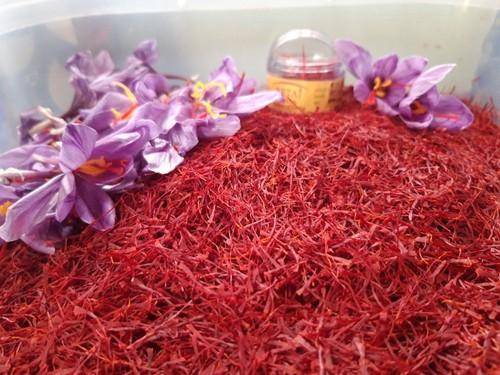
Kashmir boasts a unique culinary tradition that translates into a range of aromatic products. Saffron, the world’s most expensive spice, is grown in limited quantities in Kashmir’s Pampore region. Its delicate flavor and vibrant color make it a prized ingredient in dishes and beverages around the world. Kashmiri honey, produced from the nectar of wild Himalayan flowers, has a distinct flavor and aroma, appreciated for its medicinal properties.

Spices and Staples:

The fertile valleys of Kashmir are home to a variety of spices. Cardamom, cloves, cinnamon, and fennel are some of the popular offerings, adding a burst of flavor to Kashmiri cuisine and enjoyed throughout the world. Walnuts, grown abundantly in the region, are a staple in Kashmiri households, consumed whole or used in bakery products and sweets.

Woodcarving: A Timeless Craft:

Woodcarving is another age-old tradition in Kashmir. Skilled artisans use walnut, cedar, and deodar wood to create intricate furniture pieces, decorative items like wall hangings, and even musical instruments. These carvings often incorporate intricate floral and geometric designs, reflecting the region’s rich artistic heritage.

Metalsmithing Marvels:

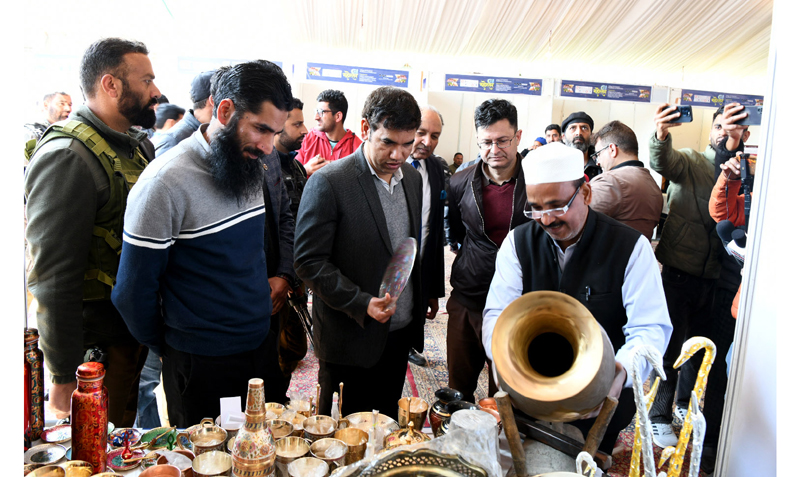
Kashmiri metalsmiths are known for their exquisite craftsmanship. They work with brass, copper, and silver to create a variety of products, including utensils, decorative items like lamps and vases, and even jewelry. These objects showcase intricate designs, sometimes incorporating precious stones, reflecting the time and skill invested in their creation.

Supporting Sustainability and Ethical Practices

The production of many Kashmiri products relies on traditional practices and skills passed down through generations. However, it is crucial to ensure that these practices are sustainable. Responsible sourcing of raw materials like wool and wood, along with fair wages for artisans, are essential. Additionally, protecting cultural heritage through intellectual property rights is necessary to prevent exploitation and ensure the survival of these age-old traditions.

Challenges and Opportunities

The Kashmiri product market faces some challenges. Competition from mass-produced imitations can threaten the livelihood of artisans. Additionally, improving infrastructure and logistics networks is crucial for efficient distribution and marketing of these products globally. However, opportunities abound. Embracing online marketing and e-commerce platforms can connect Kashmiri artisans with a wider audience. Promoting sustainable practices and ethical sourcing can attract a growing segment of eco-conscious consumers.

The Future of Kashmiri Products

The future of Kashmiri products lies in innovation while preserving tradition. By incorporating contemporary design elements while staying true to their heritage, artisans can cater to evolving consumer preferences. Additionally, promoting the stories behind these products, the skills of the artisans, and the unique cultural heritage they represent can create a strong

Kashmir in Bloom: How Floriculture is Blossoming the Economy

Kashmir, nestled amidst the Himalayas, is renowned for its breathtaking beauty and rich cultural heritage. But beyond the captivating landscapes lies a fragrant secret – the flourishing industry of floriculture. Cultivating vibrant flowers has emerged as a significant contributor to Kashmir’s economy, offering a wealth of benefits for the region.

A Viable Diversification Option

Traditionally, Kashmir’s agricultural sector relied heavily on crops like apples and saffron. Floriculture presents a welcome diversification, allowing farmers to explore a high-value crop with promising returns. Compared to traditional crops, flowers offer a quicker turnaround and potentially higher profits per hectare. This economic incentive is particularly attractive to small and marginal farmers, empowering them to increase their income.

Blooming Exports and Foreign Exchange

Kashmir’s ideal climate fosters the growth of a variety of flowers, including roses, carnations, and lilies. These beautiful blooms not only cater to the domestic market but also hold immense export potential. By promoting floriculture, Kashmir can tap into the international flower trade, generating valuable foreign exchange. This not only strengthens the regional economy but also creates a global brand identity for Kashmiri flowers.

Employment Opportunities and Livelihoods

The floriculture industry is a significant job creator. From cultivation and harvesting to processing, packaging, and marketing, flowers require a skilled workforce. This translates into increased employment opportunities for the local population, particularly in rural areas. With more people entering the workforce, the overall standard of living in Kashmir can improve.

Challenges and the Road Ahead

Despite its potential, the Kashmiri floriculture industry faces challenges. Upgrading infrastructure, including cold storage facilities and transportation networks, is crucial to ensure the freshness and timely delivery of flowers. Additionally, promoting research and development of new varieties and improved cultivation techniques can further enhance productivity and competitiveness.

A Fragrant Future

By addressing these challenges and capitalizing on its strengths, Kashmir’s floriculture industry has the potential to become a major economic driver. With continued government support, investment in infrastructure, and the adoption of modern practices, Kashmiri flowers can truly blossom on the world stage, leaving a lasting impact on the region’s economy and the lives of its people.

From Seed to Success: How Horticulture Benefits Kashmir

Imagine a land blessed with breathtaking mountain ranges, fertile valleys, and a climate that welcomes a vibrant tapestry of fruits. This is Kashmir, a place where the Department of Horticulture acts like a caring gardener, nurturing the land’s potential and empowering its people. Let’s delve deeper into this department, its role, and how it’s helping Kashmir blossom into a land of economic prosperity.

The Guiding Hand: The Department’s Structure

Think of the Department of Horticulture as a well-oiled machine with different parts working together. At the helm, we have the Director, the captain of the ship, overseeing the entire department’s operations. They rely on a team of experienced professionals like Joint Directors, Deputy Directors, and specialists. These experts bring their knowledge and skills to the table, ensuring everything runs smoothly.

Now, let’s zoom in a little closer. Imagine Kashmir divided into different regions, like slices of a delicious cake. Each region has its own dedicated team within the department. These teams are led by Chief Horticulture Officers (CHOs) and District Horticulture Officers (DHOs). They’re like regional managers, responsible for overseeing the development of horticulture activities in their specific areas.

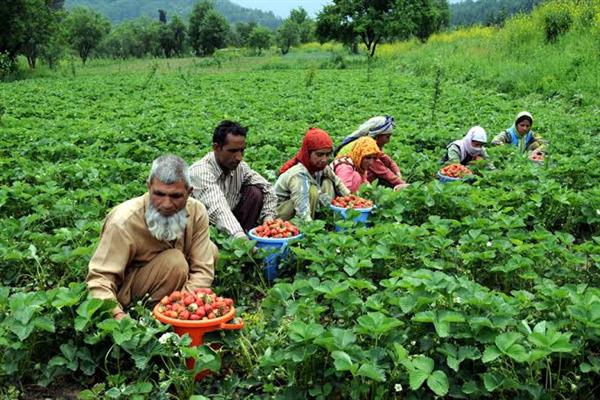
But the story doesn’t end there. To reach the heart of the action, we need to go down to the block level. Here, we meet the Horticulture Development Officers (HDOs). These are the department’s boots on the ground, directly interacting with farmers. They’re like the gardeners tending to individual plants, providing technical guidance and implementing departmental programs to help farmers grow a bountiful harvest.

A Mission Rooted in Growth:

The Department of Horticulture doesn’t just plant seeds; it plants the seeds of a brighter future for Kashmir. Their mission is as clear as a spring morning in the valley. They aim to:

  • Make Horticulture the Star of the Show: They want horticulture to be the leading player in Kashmir’s economic success story. By promoting the cultivation of fruits and other horticultural products, they hope to boost the state’s income and create a stable financial future.
  • Empowering Farmers, Building a Stronger Community: The department understands that farmers are the backbone of horticulture. They strive to empower these families by providing them with the knowledge, resources, and support they need to thrive. This not only benefits individual families but also strengthens the entire community.
  • Quality Matters: Imagine a farmer receiving the best possible seeds for their orchard. That’s what the department wants to ensure. By providing access to high-quality planting material, they’re setting farmers up for success from the very beginning.
  • Embracing Innovation: New technologies are like sunshine for the horticulture sector. The department encourages farmers to use the latest advancements in farming techniques and pest management. This not only increases productivity but also ensures sustainable practices for the future.

Horticulture: The Engine of Kashmir’s Economy

Kashmir’s fertile soil and diverse climate are a match made in heaven for growing a variety of fruits. But this potential wouldn’t be realized without the Department of Horticulture’s dedication. Here’s how horticulture is making a significant impact:

  • A Big Slice of the Pie: Imagine a delicious pie chart representing Kashmir’s economy. A large slice of that pie belongs to horticulture, contributing a whopping Rs. 5,000 crore annually to the state’s GDP. That’s a lot of economic muscle!
  • Jobs Galore: Horticulture isn’t just about delicious fruits; it’s about creating opportunities. Over 7 lakh families, directly or indirectly, depend on this sector for their livelihood. From farmers and nursery workers to transporters and sellers, horticulture supports a vast network of jobs.
  • Beyond the Usual Suspects: Traditionally, Kashmir might be known for its apples. But the Department of Horticulture is encouraging diversification. They’re promoting a wider range of fruits, giving farmers more options and reducing their dependence on any single crop.
  • Cashing in on High-Value Crops: Imagine cultivating a fruit that’s in high demand but has minimal competition. That’s the potential Kashmir holds for walnuts and cherries. The department is helping farmers tap into this lucrative market, bringing them greater financial rewards.

Planting the Seeds for a Brighter Tomorrow:

The Department of Horticulture isn’t just focused on the present; they’re also planning for the future. Here are some exciting initiatives they’re working on:

  • Spreading the Green Carpet: Imagine vast areas of land covered in fruit trees. That’s the department’s vision for expanding the area dedicated to fruit cultivation. They’re identifying suitable regions and encouraging farmers to plant more trees, creating a green landscape that benefits everyone.
  • Planting More Trees, Getting More Fruits: Imagine an orchard where you can fit

Fourth Phase of Lok Sabha Elections: 24.87% Voter Turnout Across Nine States and One Union Territory

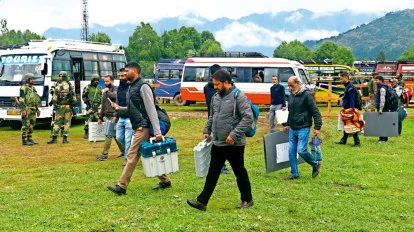
As the fourth phase of the Lok Sabha elections unfolded, voters turned out in significant numbers across 96 constituencies spanning nine states and one Union Territory. By 11 am, reports from the Election Commission of India (ECI) indicated a voter turnout of 24.87%.

West Bengal led the voter participation with a turnout of 32.78%, while Jammu and Kashmir recorded the lowest turnout at 14.94%. Other states reported varying levels of participation: Madhya Pradesh (32.38%), Andhra Pradesh (23.10%), Bihar (22.54%), Jharkhand (27.40%), Odisha (23.28%), Maharashtra (17.51%), Telangana (24.31%), and Uttar Pradesh (27.12%).

The voting process commenced at 7:00 am on Monday, encompassing 96 Parliamentary Constituencies. Simultaneously, polling took place for all 175 seats of the Andhra Pradesh State Legislative Assembly and 28 seats of the Odisha State Legislative Assembly.

Among the 96 Lok Sabha seats, Andhra Pradesh and Telangana contributed 25 and 17 seats respectively, while Uttar Pradesh and Maharashtra provided 13 and 11 seats. Other states included Madhya Pradesh and West Bengal with eight seats each, Bihar with five seats, and Jharkhand and Odisha with four seats each. Additionally, one seat was allocated from Jammu and Kashmir.

According to the ECI, a total of 4,264 nominations were filed for these 96 parliamentary constituencies.

The fourth phase witnessed significant contests in various constituencies, featuring prominent leaders such as AIMIM chief Asaduddin Owaisi, Samajwadi Party chief Akhilesh Yadav, West Bengal Congress chief Adhir Ranjan Chowdhury, TMC leader Mahua Moitra, BJP leader Giriraj Singh, JDU’s Rajiv Ranjan Singh (Lalan Singh), TMC leaders Shatrughan Sinha and Yusuf Pathan.

Other notable figures seeking electoral success included BJP leaders Arjun Munda and Madhavi Latha, and Andhra Pradesh Congress Chief YS Sharmila.

Thus far, the Lok Sabha polls have progressed smoothly and peacefully through the first three phases, covering a total of 283 Lok Sabha seats.

PDP Chief Mehbooba Mufti Demands Election Commission Action Against Harassment in Jammu and Kashmir

Amidst brewing controversy, Mehbooba Mufti, leader of the People’s Democratic Party (PDP), has raised serious concerns about the integrity of the electoral process in Jammu and Kashmir. In a letter addressed to the Election Commission of India (ECI), Mufti has called for urgent action to address what she describes as “disturbing developments” unfolding in the region.

According to Mufti, her party workers have been subjected to harassment and arbitrary detention by the state administration, allegedly acting under directives from the Union government. She accuses security forces of conducting raids and detaining PDP members in Pulwama and Shopian districts, suggesting these actions are punitive measures aimed at stifling political dissent and undermining voter mobilization efforts.

Mufti’s letter to the ECI underscores the critical importance of maintaining a level playing field in the electoral arena. She expresses apprehensions about the impartiality of the Commission, particularly in light of delays observed in the Anantnag-Rajouri constituency. Mufti warns that such actions not only threaten to subvert the democratic process but also erode public trust in the electoral machinery.

The PDP chief’s allegations come amidst heightened tensions in Jammu and Kashmir, with the region gearing up for crucial elections. Mufti’s plea to the Election Commission signals a growing urgency to address issues of electoral integrity and ensure that the democratic rights of citizens are protected.

As the political landscape in Jammu and Kashmir remains fraught with uncertainty, Mufti’s intervention serves as a stark reminder of the challenges facing the region’s democratic transition. With voting scheduled for several constituencies in the coming days, the eyes of the nation are on the Election Commission to uphold the principles of free and fair elections.

Farooq Abdullah Questions Detention of Party Workers During Jammu and Kashmir Polls

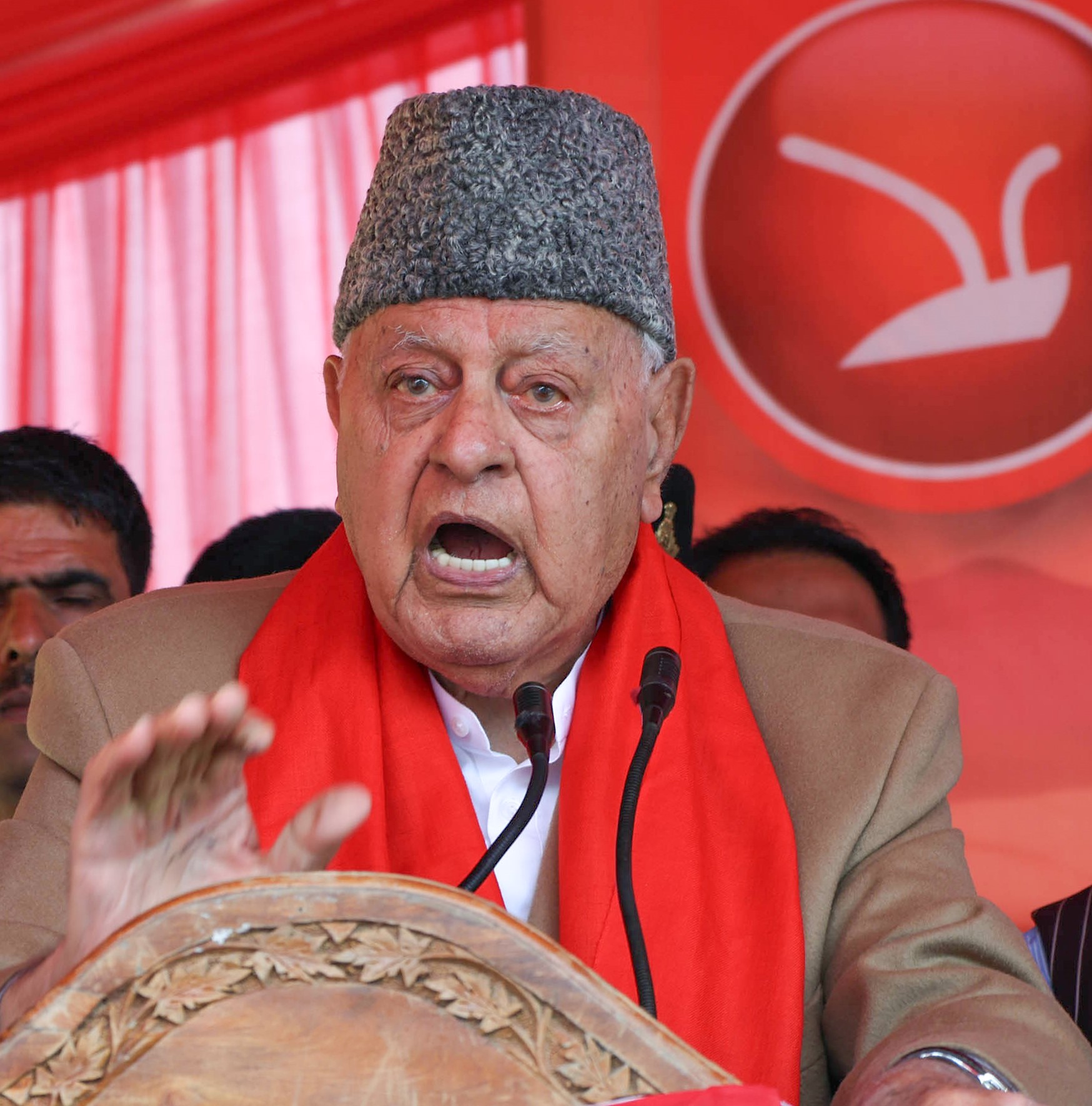
Former Chief Minister of Jammu and Kashmir, Farooq Abdullah, has raised concerns over the detention of his party workers, alleging that they have been held for the past two days. His remarks come amidst polling for the Srinagar Parliamentary constituency, marking the first election in the Union Territory since the abrogation of Article 370.

Accompanied by the Vice-President of his party, Omar Abdullah, Farooq Abdullah expressed dismay over claims of normalcy by Prime Minister Narendra Modi and Home Minister Amit Shah. “It is sad that they say that there is no violence and everything is smooth but I want to say that the workers of our party have been locked up for 2 days,” he stated, questioning the motive behind the detention.

Farooq Abdullah directed his questions towards the Union Home Minister and Prime Minister Modi, demanding to know the reason behind the confinement of their workers. “Are they scared that they will lose? They will lose,” he added emphatically.

Omar Abdullah, responding to reports of harassment faced by polling agents, condemned the administration’s actions. “This is an attempt from the administration to vitiate the poll process and it is condemnable,” he asserted. Urging the people of Srinagar, Budgam, and Shopian to exercise their voting rights, Omar appealed for high turnout in the elections.

Interestingly, neither the Congress nor the BJP have fielded candidates for the Srinagar seat, indicating a unique electoral landscape in the region. With Jammu and Kashmir under central rule since the collapse of the PDP-BJP government in 2018, the electoral process assumes added significance.

The ongoing voting in Jammu and Kashmir is part of a five-phase election process, with the 2019 elections witnessing the BJP securing three seats and the National Conference clinching the remaining three.

Despite being allies in the opposition alliance INDIA bloc, the PDP and NC have opted to contest independently in the Lok Sabha elections in Jammu and Kashmir.

As the 2024 Lok Sabha elections unfold in seven phases from April 19 to June 1, the outcome will be keenly awaited, with the counting of votes and declaration of results scheduled for June 4.

J&K PC President Sajad Lone Raises Concerns Over Arrests and Harassment During Electoral Process

sajad lone

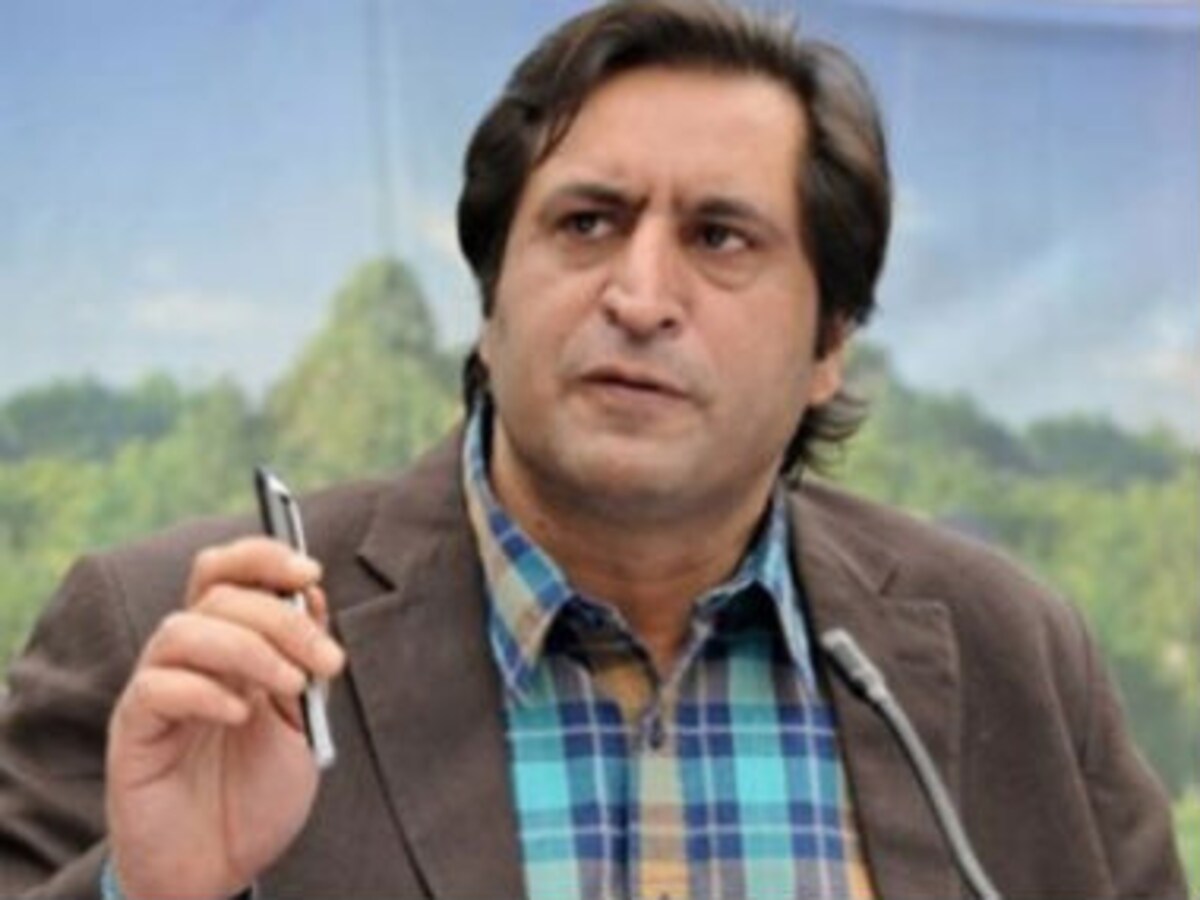
J&K Peoples Conference President, Sajad Gani Lone, expressed apprehension regarding the arrests and harassment of workers on alleged OGW (Overground Worker) grounds and other arbitrary pretexts. He appealed to both the Election Commission and the administration to uphold principles of fairness and impartiality in the electoral process, urging them not to selectively target parties and their workers.

Lone echoed the sentiments voiced by Mr. Altaf Bukhari, emphasizing agreement with his assertion that workers are being unjustly detained under OGW grounds and other flimsy excuses. He noted a coincidence that these OGW lists were compiled during the regimes of the National Conference (NC).

Calling for a level playing field for all political entities, Lone urged the Election Commission and administration to refrain from selective actions. He also urged them to scrutinize the history and context of lists in police stations, alleging that many were compiled by the NC.

Furthermore, Lone accused the NC of attempting to portray themselves as victims and staging a drama of victimhood. He criticized the NC, labeling them as past rulers who imposed cruelty upon Kashmiris.

Lone highlighted a perceived status-quoist ecosystem, suggesting that those advocating for political stagnation in Kashmir are still active. Additionally, he accused certain elements, whom he referred to as “Tourist/Tarbaaz (TT)”, of perpetuating a narrative of victimhood.

Kashmir’s Agricultural Splendor: A Tapestry of Treasures from Saffron to Mushrooms

Kashmir, the “Paradise on Earth,” is not just breathtakingly beautiful, but also a land brimming with agricultural riches. Despite its vast potential, the valley’s honey production remains a fraction of what it could be. However, this doesn’t overshadow the abundance of other agricultural products that Kashmir offers, making it a significant contributor to India’s agricultural basket.

Honey: A Sweet Promise

While Kashmir boasts a diverse flora ideal for honey production, official figures reveal only 40,000 bee colonies, far below its potential. This fragrant golden liquid holds immense promise, and initiatives like the Honey Processing Unit set up in Tripura by Khadi and Village Industry Board offer valuable insights for future development.

Saffron: The King of Spices

Kashmir stands tall as a leading global producer of saffron, the world’s most expensive spice. Pampore, with its extensive saffron cultivation, rivals Iran and Spain for the title of the world’s largest saffron producer. These delicate crimson threads, meticulously handpicked from the saffron crocus flower, have been prized for their culinary, medicinal, and coloring properties for millennia.

Apricots: A Nutritional Powerhouse

Ladakh, a region within Jammu and Kashmir, is India’s primary producer of apricots. These sweet-tart stone fruits are not just delicious but also packed with nutrients, making them a true superfood. Apricot harvesting takes place in late summer and early autumn, with the Khalsi Block of Kargil contributing significantly to the national yield.

Apples: The Crown Jewel of Kashmiri Horticulture

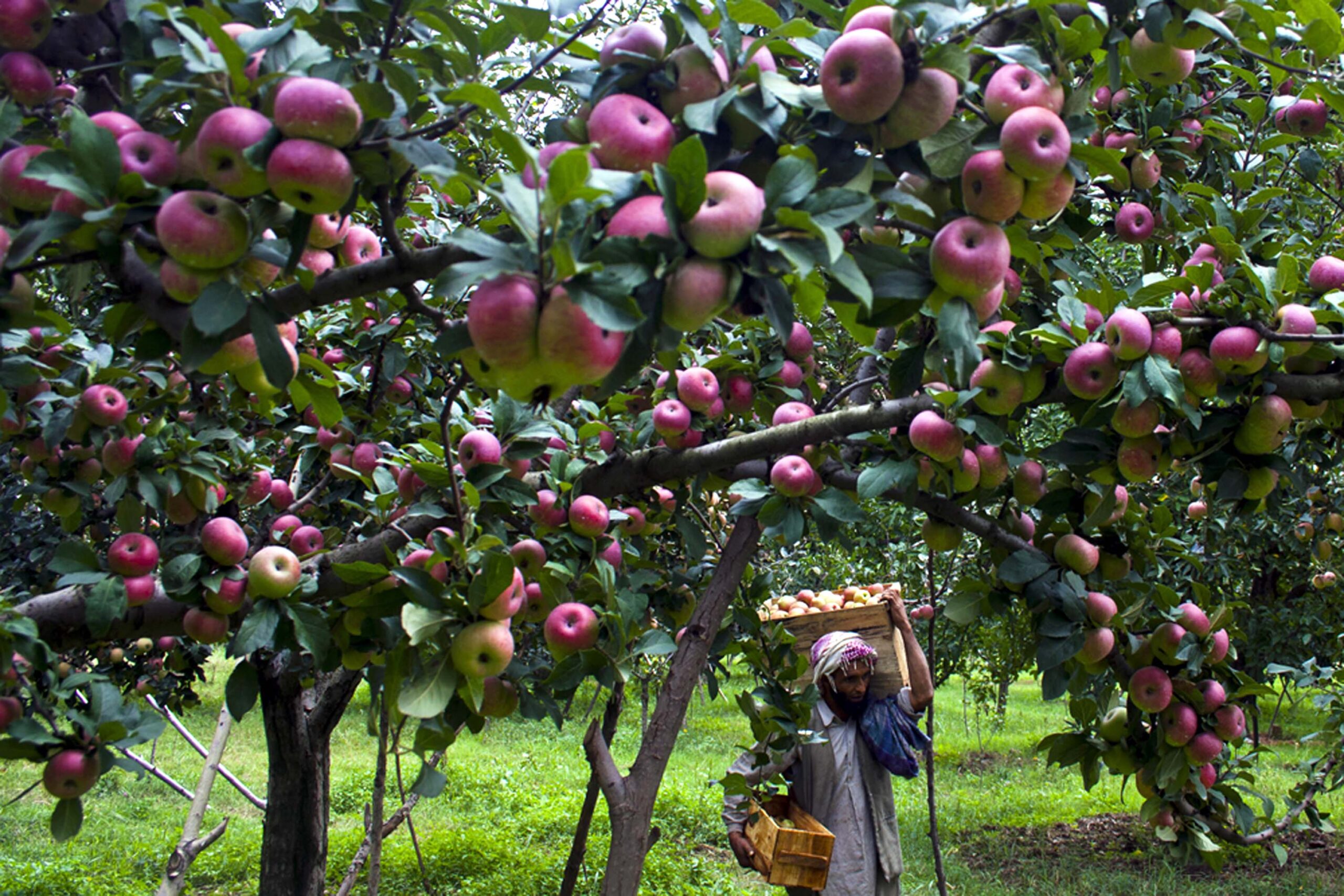
Apple production reigns supreme in the Kashmir Valley, accounting for a staggering 90% of the valley’s total crop and over 60% of India’s apple production. Apples dominate the horticultural sector, occupying the largest area under fruit cultivation and significantly contributing to the state’s GDP.

Walnuts: The “Royal Nut”

Jammu and Kashmir is India’s leading producer of walnuts, a “royal nut” thriving in cold climates. The UT boasts extensive walnut cultivation across districts like Anantnag, Pulwama, Kupwara, and Budgam. Doda district in the Jammu region also contributes significantly to walnut production. Kashmir boasts the highest productivity of walnuts, with Anantnag and Budgam leading the pack.

Almonds: Memory Boosters from the Himalayas

Almonds, known for their memory-enhancing properties, find a home in the specific hilly areas of Jammu and Kashmir with favorable climates. The sweet variety of almonds cultivated here is ‘Prunus amygdalis var dulcis.’ While almond cultivation is restricted to designated areas, it remains an important contributor to the state’s agricultural output.

Kala Zeera: A Gurez Valley Treasure

Nestled in the Himalayas, Gurez Valley, a part of Bandipora district, is a treasure trove of agricultural and medicinal products. One such gem is Kala Zeera, also known as black cumin. This prized crop, used in various cuisines and medicinal products, holds immense potential for production expansion and economic upliftment for Kashmiri farmers.

Kashmiri Mushk Budji Rice: An Aromatic Delight

Muskeh Budji rice, a short-grain aromatic variety, thrives in the higher reaches of the Kashmir Valley. This unique rice offers a harmonious blend of taste, aroma, and rich texture. Its cultivation is restricted to specific areas like Sagam, Panzgam, and Soaf Shali of Anantnag district and the Beerwah belt of Budgam district.

Kashmiri Mishri Cherry: Sweetening Lives

Kashmir is famed for its exceptionally sweet cherry variety. Contributing nearly 95% of India’s total cherry output, Kashmir produces a bounty of 12,000 to 13,000 metric tonnes of cherries annually. Packed with essential nutrients and minerals, these cherries have been a cherished part of Kashmiri agriculture for generations.

Kashmiri Gucchi Mushroom: A Prized Delicacy

Morel mushrooms, locally known as “Gucchi” in India, are a prized culinary treasure found in the foothills of Jammu and Kashmir. These exotic wild mushrooms, rich in antioxidants and boasting a GI tag, are a staple in celebratory feasts like weddings. Their high price point, ranging from Rs. 10,000 to Rs. 30,000 per kilogram, reflects their unique flavor and health benefits.

Kashmiri Rajma: A Comforting Staple

Rajma, a popular kidney bean dish in northern India, finds some of its finest varieties in Jammu and Kashmir. The Peerah rajma of Ramban and the slightly sweet rajma from Chinta Valley in Doda district are particularly renowned.

Conclusion

Kashmir’s agricultural bounty extends far beyond these highlighted products. From vegetables and pulses to

Trout Treasures: Discovering Kashmir’s Angler’s Paradise

Nestled amidst the majestic Himalayas, Kashmir Valley unfolds a breathtaking tapestry of nature’s bounty. Crystal-clear, cold-water streams gurgle through verdant valleys, their waters fed by snow-capped peaks. Mighty springs bubble forth, nourishing lush green meadows and thick pine forests. High-altitude lakes shimmer like sapphires, reflecting the grandeur of the surrounding mountains. This captivating landscape, aptly christened the “Angler’s Paradise,” is a haven for fishing enthusiasts from all corners of the globe.

The allure of Kashmir for anglers lies in its unique ecosystem. The abundance of freshwater bodies, from the turbulent mountain streams to the serene high-altitude lakes, provides the perfect habitat for a thriving fish population. The star attraction, undoubtedly, is the trout. Rainbow and brown trout, known for their spirited fight and delectable flesh, call these pristine waters home.

A Symphony of Streams and Lakes

The valley boasts a network of vibrant streams, each a potential battleground for the determined angler. The mighty Lidder stream, meandering through dramatic gorges, is a renowned trout haven. The Wangath, Gurez, Hamal, Lam, Sindh, Kishenganga – the list goes on. These streams, along with countless smaller nalas (streams), offer diverse fishing experiences. Some flow with a gentle current, ideal for fly-fishing, while others tumble down rugged terrain, demanding a more adventurous approach.

High-altitude lakes like Krishansar and Vishansar, accessible only through scenic treks, offer a glimpse of untouched beauty and the chance to encounter elusive trophy fish. The sparkling waters of these lakes, nestled amidst breathtaking mountain vistas, present a truly unforgettable angling experience.

A Paradise Meticulously Maintained

The Jammu & Kashmir Department of Fisheries plays a crucial role in preserving this angler’s paradise. The department meticulously divides the streams into designated “trout beats,” ensuring sustainable fishing practices. These designated stretches allow for controlled angling, protecting the delicate ecosystem while offering anglers a structured and rewarding experience. A detailed list of these beats is readily available for those planning their fishing expeditions.

The Angling Season: A Time for Connection with Nature

The magical world of Kashmiri angling opens its doors in the spring. From April to September, the waters come alive with the vibrant energy of the trout season. This period offers anglers the perfect opportunity to experience the thrill of the chase, the serenity of the natural surroundings, and the satisfaction of a successful catch. However, it’s important to note that the season’s duration can be subject to change by the Directorate of Fisheries, depending on prevailing conditions.

Beyond the Catch: A Holistic Experience

Kashmir’s allure extends far beyond the thrill of the catch. The very act of fishing in this breathtaking valley becomes an immersive experience in nature’s embrace. The crisp mountain air invigorates the body, the mesmerizing scenery soothes the soul, and the rhythmic gurgling of the streams provides a natural soundtrack. Whether casting a line in a secluded meadow or navigating a rugged stream, anglers become part of this captivating ecosystem.

A Legacy of Sustainable Angling

Kashmir’s rich tradition of angling thrives on the principles of responsibility and respect for nature. Fly-fishing, the preferred method in the valley, is a practice that prioritizes skill and finesse over brute force. Strict regulations are in place to ensure the preservation of the fish population. A daily catch limit and a minimum size requirement ensure that the ecosystem remains healthy and productive for generations to come.

A Call to the Adventurous Angler

For those seeking an unparalleled fishing adventure, Kashmir beckons. With its diverse waterways, stunning scenery, and commitment to sustainable practices, the valley offers an experience unlike any other. Whether you’re a seasoned angler or just starting your journey into the world of fly-fishing, Kashmir promises a challenge, a connection with nature, and memories that will linger long after the last cast is made.

So, pack your rods, breathe in the fresh mountain air, and embark on a journey to Kashmir, the Angler’s Paradise.

Altaf Bukhari Condemns Arrests, Calls for Free and Fair Elections in Kashmir

Syed Mohammad Altaf Bukhari, President of the Apni Party, expressed grave concerns over the recent surge in arrests of party workers and agents ahead of the elections, labeling it a clear bid to manipulate the democratic process.

Bukhari urged Lieutenant Governor Manoj Sinha to intervene and ensure fair elections, emphasizing the need for democracy to thrive in the region. Addressing the media in Srinagar, he accused the National Conference and PDP of colluding with the administration to harass workers and agents of opposing political factions. According to Bukhari, these parties, with their influence in the administration, are hindering fair competition for other political entities.

Highlighting the widespread arrests of their workers across Srinagar, Budgam, Pulwama, and Shopian, Bukhari alleged that these actions were orchestrated by parties like the NC and PDP, who he claims are aligned with the authorities in New Delhi.

He appealed to Lieutenant Governor Manoj Sinha to intervene immediately, halt the ongoing arrests, and ensure the swift release of those detained.

Echoing Bukhari’s concerns, party General Secretary Rafi Ahmad Mir warned of a potential boycott of the elections if their workers are not released promptly. Mir emphasized the importance of a free and fair democratic process, stating that the arrests just before the polls indicate a deliberate attempt to manipulate and undermine the Apni Party’s participation. He affirmed the party’s stance against such injustice and hinted at possible action if the situation persists.