Protest in Kashmir After Reported Killing of Ayatollah Ali Khamenei, Security Tightened Across Valley

Protest in Kashmir

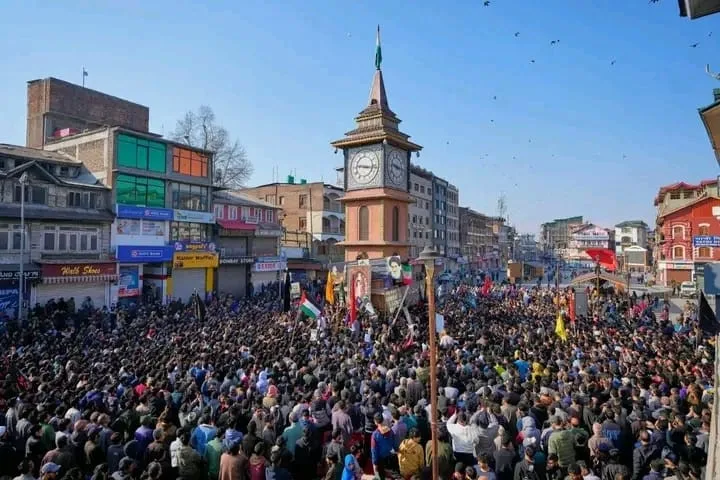
Hundreds — and according to some reports, thousands — of people, mainly from the Shia Muslim community, took to the streets in Srinagar and other parts of the Kashmir Valley on Sunday. They were mourning and protesting the reported killing of Iran’s Supreme Leader Ayatollah Ali Khamenei in joint US–Israeli airstrikes.

The demonstrations began shortly after Iranian state media confirmed Khamenei’s death early Sunday (Iran local time), following massive strikes that reportedly started late Saturday. Click Here To Follow Our WhatsApp Channel

Key Locations of Protests

In Srinagar, large gatherings were seen at:

  • Lal Chowk (Ghanta Ghar area)
  • Saida Kadal in downtown
  • Several Shia-majority neighbourhoods

Similar processions were reported from:

  • Budgam
  • Bandipora
  • Baramulla
  • Pulwama
  • Sonawari
  • Kargil

Crowds reportedly gathered after Sehri (pre-dawn meal during Ramadan), raising anti-US and anti-Israel slogans, waving black and Iranian flags, carrying portraits of Khamenei, and reciting Nauha (mourning verses).

Security Measures and Official Response

Authorities deployed extra security personnel across sensitive areas and diverted traffic to maintain order. Officials described the situation as largely peaceful, with no major clashes or violence reported despite the scale of mobilisation.

Jammu and Kashmir Chief Minister Omar Abdullah appealed for calm. He expressed concern over developments in Iran while urging residents not to allow tensions abroad to disturb local peace.

Contrast with Reports from Iran

While mourning was visible in parts of Kashmir, reports from Iran suggested mixed reactions — including celebrations in some cities. International outlets such as CNN reported scenes of cheering and slogans against the Iranian regime in certain areas, presenting a sharp contrast to the solidarity marches in Kashmir.

Broader Regional Context

The protests come amid an escalating conflict involving the United States, Israel, and Iran. Iranian state media earlier announced a 40-day public mourning period following Khamenei’s reported death.

As tensions continue to rise across the Middle East, authorities in Kashmir remain alert, monitoring developments closely. The situation remains fluid, both regionally and locally.

At 13, This Kashmiri Boy Built 31 Apps and AI Tools

Delhi Court Convicts Kashmiri Separatist Asiya Andrabi in UAPA Case

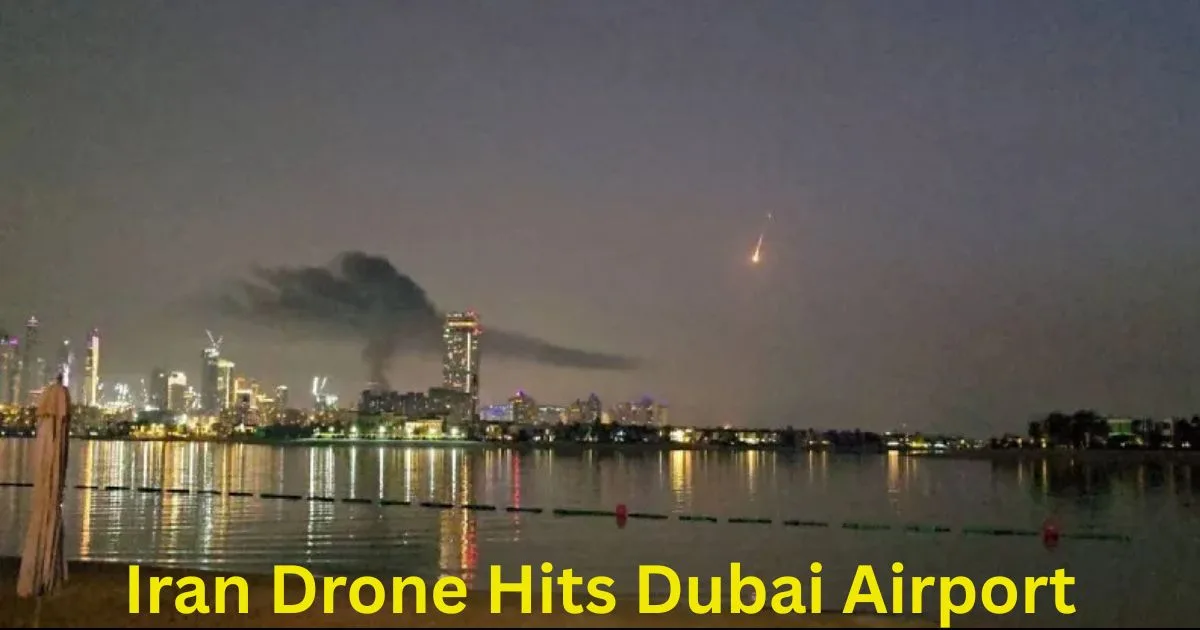
Iran Drone Hits Dubai Airport After US–Israel Strikes, Four Injured as Regional Crisis Deepens

Iran Drone Hits Dubai Airport

Amidst a US-Israel joint attack on Iran, four people were injured after an Iranian drone struck Dubai International Airport, causing reported damage inside a passenger terminal, according to Al Jazeera.

Emergency teams were dispatched immediately in coordination with relevant authorities, Al Jazeera said, citing Dubai Airports’ media office.

The incident occurred amid escalating tensions in the region, following joint missile strikes by the United States and Israel on Iran. Large explosions were reported in Tehran and other major cities. Iranian state media claimed that Iran’s Supreme Leader, Ayatollah Ali Khamenei, was killed in the attacks.Click Here To Follow Our WhatsApp Channel

As per Reuters, citing the state media, 40 days of public mourning have been announced in Iran after Khamenei’s death.

Earlier, the Times of Israel cited Iran’s state media reporting that Ali Khamenei’s daughter, grandchild, daughter-in-law, and son-in-law were killed in Israeli-US strikes. The Israeli newspaper said that there is no official word on the fate of Khamenei himself.

CNN reported news of celebrations in several cities in Iran. According to the news report, whistling, cheering and slogans of ‘Death to the Islamic Republic’ and ‘Long live the Shah’ were heard on the streets of the cities.

Fox News posted a video and reported that Iranians were celebrating the death of Khamenei on the streets of Besat Town, a suburb of Karaj, Iran.

Former Spokesperson for the state of Israel Eylon A Levy posted another celebration video on X, saying, “Iranian women are dancing in the streets–without hair coverings–after hearing that Israel killed the tyrant Khamenei. So many Western leaders should feel ashamed at their cowardly response this morning. We will all remember.”

Iranian activist and Journalist, Masih Alinejad, posted another video with the message, “A video of Iranian people celebrating inside Iran, Am I dreaming? Hello, new world.”

Earlier, the death of the Ayatollah was claimed by US President Donald Trump, calling it justice for the people of Iran.

In a post on Truth Social, Trump said, “Khamenei, one of the most evil people in History, is dead. This is not only Justice for the people of Iran, but for all Great Americans, and those people from many Countries throughout the World, that have been killed or mutilated by Khamenei and his gang of bloodthirsty THUGS…The heavy and pinpoint bombing, however, will continue, uninterrupted throughout the week or, as long as necessary to achieve our objective of PEACE THROUGHOUT THE MIDDLE EAST AND, INDEED, THE WORLD.” (ANI)

At 13, This Kashmiri Boy Built 31 Apps and AI Tools

Delhi Court Convicts Kashmiri Separatist Asiya Andrabi in UAPA Case

Iran Begins 40-Day Mourning for Khamenei as Power Struggle and Street Celebrations Shape Uncertain Future

Khamenei Rejects Trump

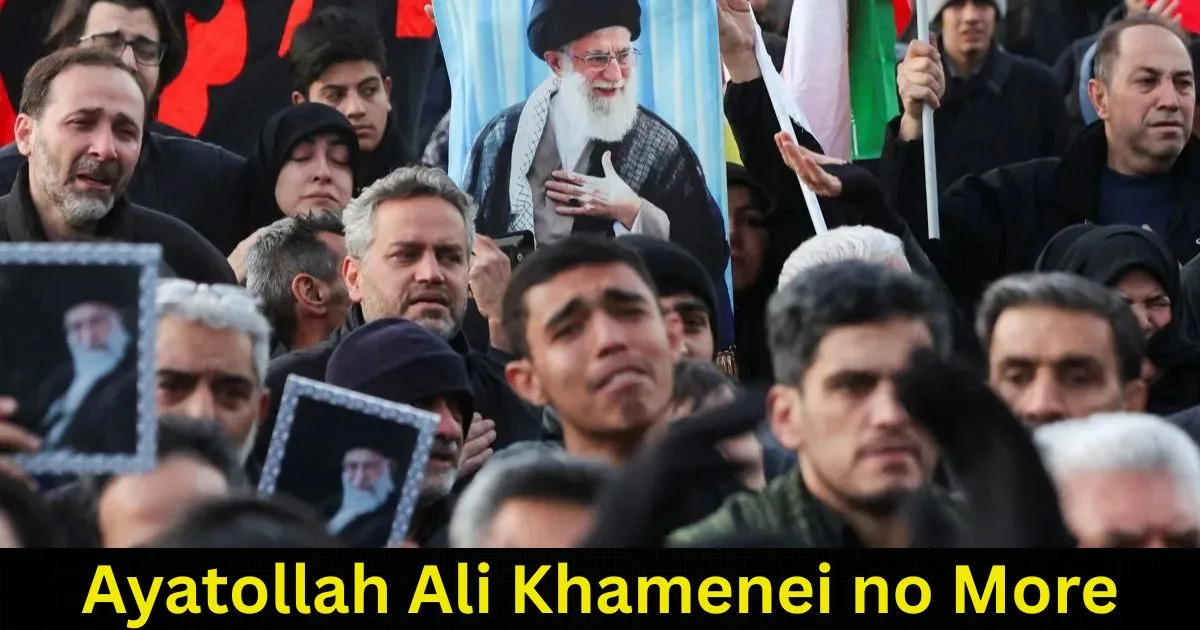
Iran is observing 40 days of public mourning following the death of Ayatollah Ali Khamenei, Reuters reported, citing Iranian state media. In Shia Islam, the 40th day after death (Arba’een) holds immense spiritual weight.

The death occurred following strikes by the US and Israel (Operation Epic Fury/Lion’s Roar) on Saturday. By announcing exactly 40 days of mourning, the government is leaning into a powerful cultural script, providing the clerical establishment time to manage the transition behind closed doors. Click Here To Follow Our WhatsApp Channel

The country’s Supreme Leader’s office has declared a period of national mourning, with flags flying at half-mast and public gatherings planned to pay respects, marking the closing of a 37-year chapter in the Islamic Republic’s history.

Ayatollah Khamenei was the successor to the Revolution’s founder, Ruhollah Khomeini. Since 1989, his “story” was one of unwavering defiance against Western influence.

Authorities have heightened security across the country, particularly in major cities like Tehran, to prevent unrest and ensure public safety.

Attention is focused on the process of selecting Khamenei’s successor, with speculation about potential candidates and the impact on Iran’s future leadership. However, meeting under wartime conditions is difficult, and the question remains, who “owns” the future of the Republic–the clerics or the Revolutionary Guard– the most urgent cliffhanger.

His death is being portrayed by state media as the Martyrdom of the Guardian, framing his end not as a defeat, but as a final sacrifice for the sovereignty of the nation.

The official Farsi account of Ayatollah Ali Khamenei acknowledged his death and posted a verse from the Quran on X in the early hours of Sunday. As per Tasnim News, Khamenei was killed while at the workplace in the early hours of Sunday.

The official Farsi page posted on X a verse from Surah Al-Ahzab, 33:23, which translates to “Among the believers are men who have been true to the covenant they made with Allah. Some of them have fulfilled their vow [by death], and some are still waiting, and they have not changed [their commitment] in the least.”

According to Tasnim News, Khamenei was killed in the early hours of Sunday while in office. It said on X, “The Supreme Leader of the Islamic Revolution was martyred at their workplace in the Leader’s Residence. They were engaged in performing their assigned duties and present at their workplace (their office) at the moment of martyrdom, and this cowardly attack occurred in the early hours of Sunday morning.”

Earlier, the Times of Israel cited Iran’s state media reporting that Ali Khamenei’s daughter, grandchild, daughter-in-law, and son-in-law were killed in Israeli-US strikes. The Israeli newspaper said that there is no official word on the fate of Khamenei himself.

The front page of the Jerusalem Post also carried the news of the death of Ayatollah Khamenei.

Meanwhile, various reports emanating from Iran suggest that crowds have come out on the streets to celebrate.

CNN reported news of celebrations in several cities in Iran. According to the news report, whistling and cheering and slogans of ‘Death to the Islamic Republic’ and ‘Long live the Shah’ were heard on the streets of the cities.

Fox News posted a video and reported that Iranians were celebrating the death of Khamenei on the streets of Besat Town, a suburb of Karaj, Iran.

Former Spokesperson for the state of Israel Eylon A Levy posted another celebration video on X, saying, “Iranian women are dancing in the streets–without hair coverings–after hearing that Israel killed the tyrant Khamenei. So many Western leaders should feel ashamed at their cowardly response this morning. We will all remember.”

Iranian activist and Journalist, Masih Alinejad, posted another video with the message, “A video of Iranian people celebrating inside Iran, Am I dreaming? Hello, new world.”

In another self-made video, Alinejad further said, “Every morning I wake up reading that my people are being killed by Ali Khamenei. But this is the first morning in my life that I get the good news and I want to run. I want to just run and shout, and shout out of joy.”

Reports coming out of London also showed videos of expatriate Iranians and Israelis dancing and celebrating side by side on the streets of London.

Earlier, exiled Iranian crown prince Reza Pahlavi urged Iranians to unite and support a “stable transition to a free and prosperous future” after the death of Supreme Leader Ali Khamenei, calling any attempt by the regime to appoint a successor “doomed to fail”.

He also warned that efforts to preserve the collapsing regime would not succeed.

In a post on X, Pahlavi wrote, “My fellow compatriots, Ali Khamenei, the bloodthirsty despot of our time, the murderer of tens of thousands of Iran’s bravest sons and daughters, has been erased from the face of history. With his death, the Islamic Republic has in effect reached its end and will very soon be consigned to the dustbin of history. Any attempt by the remnants of the regime to appoint a successor to Khamenei is doomed to fail from the outset. Whoever they place in his stead will have neither legitimacy nor longevity, and will undoubtedly be complicit in the crimes of this regime as well. To the military, law enforcement, and security forces: any effort to preserve a collapsing regime will fail. This is your final opportunity to join the nation, to help ensure Iran’s stable transition to a free and prosperous future, and to take part in building that future.”

Pahlavi said the death of Khamenei could bring comfort to the families of those who lost their lives in Iran’s Lion and Sun National Revolution, urging the people to remain vigilant and united.

Earlier, the death of the Ayatollah was claimed by US President Donald Trump, calling it justice for the people of Iran.

In a post on Truth Social, Trump said, “Khamenei, one of the most evil people in History, is dead. This is not only Justice for the people of Iran, but for all Great Americans, and those people from many Countries throughout the World, that have been killed or mutilated by Khamenei and his gang of bloodthirsty THUGS…The heavy and pinpoint bombing, however, will continue, uninterrupted throughout the week or, as long as necessary to achieve our objective of PEACE THROUGHOUT THE MIDDLE EAST AND, INDEED, THE WORLD.” (ANI)

At 13, This Kashmiri Boy Built 31 Apps and AI Tools

Delhi Court Convicts Kashmiri Separatist Asiya Andrabi in UAPA Case

Ayatollah Ali Khamenei Killed in Joint US–Israel Strikes, Iran Vows Retaliation as Regional War Fears Rise

Ayatollah Ali Khamenei Killed

Ayatollah Ali Khamenei, the Supreme Leader of Iran who held ultimate authority over the Islamic Republic for nearly four decades, has been confirmed dead at the age of 86 following massive joint airstrikes carried out by the United States and Israel. The strikes, which began early Saturday local time (February 28, 2026), targeted key military, nuclear, and leadership sites across Iran, marking one of the most significant military escalations in the Middle East in recent history. Click Here To Follow Our WhatsApp Channel

Iranian state media, including the Islamic Republic of Iran Broadcasting (IRIB), Fars News Agency, and the official IRNA outlet, announced Khamenei’s death early Sunday, describing it as “martyrdom.” A state television presenter was visibly emotional, reportedly breaking down in tears while reading an official statement from Iran’s Supreme National Security Council. The announcement confirmed that Khamenei was killed in his office within his high-security compound in Tehran while “performing his assigned duties” during the initial wave of attacks.

US President Donald Trump first broke the news on his Truth Social platform late Saturday, declaring: “Khamenei, one of the most evil people in history, is dead.” Trump framed the operation as delivering “justice” for victims of Iranian-backed actions and reiterated calls for regime change in Tehran, stating that “heavy and pinpoint bombing” would continue “uninterrupted throughout the week or as long as necessary.”

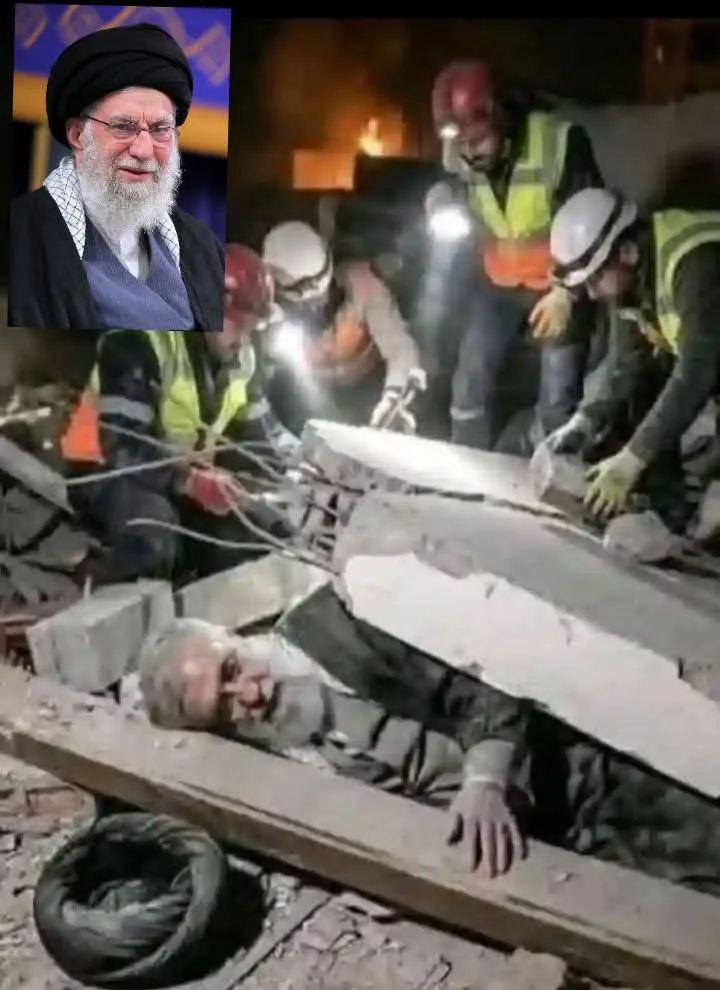
Israeli officials, including Defense Minister Israel Katz, described the campaign — dubbed “Operation Roaring Lion” by some sources — as having eliminated Khamenei in an opening strike, along with other senior figures. Reports indicate that multiple relatives of Khamenei, including a daughter, grandchild, daughter-in-law, and son-in-law, were also killed in the assault on his compound. Satellite imagery reviewed by international outlets showed extensive destruction at the site.

The strikes targeted not only leadership but also Iran’s nuclear facilities, military command centers, and other strategic assets, according to US and Israeli sources. The operation has drawn widespread international attention, with Russia condemning it as an “unprovoked act of armed aggression” and the UN Secretary-General expressing regret over missed diplomatic opportunities.

Iran’s Retaliation and Regional Fallout

In response, Iran’s military has launched waves of missiles and drones targeting Israel and US military bases across the region, including sites in Bahrain, Kuwait, Qatar, Jordan, the United Arab Emirates, and Iraq. Iranian officials have vowed the “most devastating” retaliation, with fresh strikes reported on Sunday. Air raid sirens sounded in Israel, and explosions were heard in Gulf cities such as Dubai and Doha.

The conflict has rapidly expanded beyond previous Iran-Israel exchanges, drawing in multiple countries and raising fears of a broader regional war.

Mixed Reactions Inside Iran

Public reactions in Iran remain sharply divided. State media and reports from cities like Tehran and Isfahan showed large crowds gathering in mourning processions, with black-clad participants chanting vows of revenge and solidarity. Iran’s parliament speaker stated the country had prepared for “all scenarios,” including leadership transitions.

However, some unverified reports and social media footage suggested celebrations in certain areas, including the toppling of statues associated with the regime, particularly among opponents who have long criticized Khamenei’s hardline rule, suppression of protests, and regional proxy conflicts.

Iran has declared a 40-day national mourning period, referring to Khamenei’s death as martyrdom.

Succession Uncertainty

Khamenei’s death leaves a significant power vacuum. He ruled Iran since succeeding Ayatollah Ruhollah Khomeini in 1989, overseeing the country’s transformation into a regional power while maintaining fierce opposition to the US and Israel. No clear successor has emerged immediately. Previous presumed heir Ebrahim Raisi died in a 2024 helicopter crash. Discussions have surfaced about a potential transition council or the role of figures like Khamenei’s son Mojtaba, though the process remains uncertain amid ongoing military pressure.

Iranian officials have indicated a transitional period is underway, with the president and other bodies managing affairs for now.

This fast-moving situation continues to evolve, with additional strikes reported and global powers monitoring closely. The killing of Khamenei represents a pivotal moment that could reshape Iran’s domestic politics, its nuclear ambitions, and the balance of power in the Middle East. Live coverage from major outlets including BBC, CNN, Reuters, AP, The Guardian, Al Jazeera, and others remains essential for the latest developments.

At 13, This Kashmiri Boy Built 31 Apps and AI Tools

Delhi Court Convicts Kashmiri Separatist Asiya Andrabi in UAPA Case

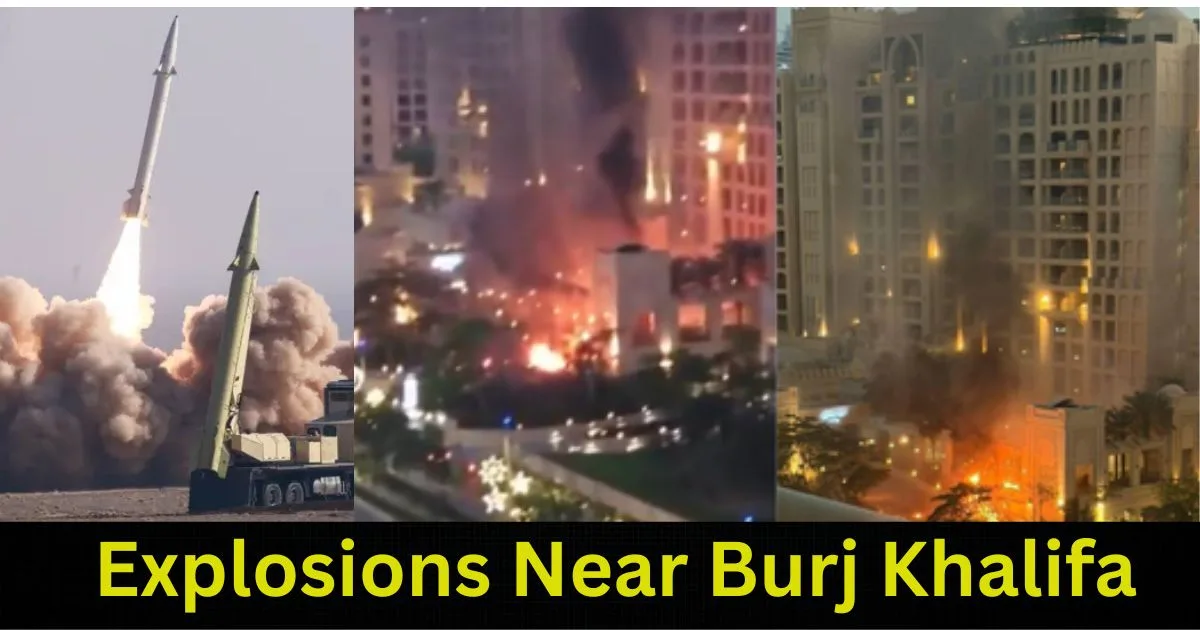
Dubai Under Alert: Explosions Near Burj Khalifa Amid Iranian Retaliatory Strikes

Explosions Near Burj Khalifa

The United Arab Emirates faced intense tension late Saturday as Iran launched ballistic missiles and drones targeting Gulf states hosting US military facilities, in retaliation for recent US-Israeli strikes on Iranian targets.

Explosions echoed across Dubai, with residents reporting loud blasts, shaking buildings, and visible missiles streaking through the sky. The iconic Burj Khalifa, the world’s tallest building at 828 meters, was evacuated as a precautionary measure amid air raid sirens and nearby interceptions.

Videos circulating on social media and news outlets captured smoke plumes, bright flashes, and apparent drone activity near the Burj Khalifa and surrounding areas like Downtown Dubai. Some footage showed explosions in the skyline vicinity, prompting viral claims of a “direct hit” on the tower.

However, official reports and eyewitness accounts confirm no direct strike on the Burj Khalifa itself. UAE air defense systems intercepted most incoming threats with high efficiency, though debris from interceptions caused limited damage elsewhere.

Key incidents include:

  • A fire at the Fairmont Hotel on Palm Jumeirah, reportedly from missile debris, injuring four people (fire later controlled).
  • One civilian fatality in Abu Dhabi from falling shrapnel.
  • Smoke and blasts near Dubai Marina and other districts.

The UAE Ministry of Defence described the Iranian actions as a “blatant attack” and emphasized successful interceptions with minimal material damage. Dubai International Airport (DXB) and Al Maktoum International (DWC) suspended operations, and residents were urged to stay indoors.

Despite the chaos, the Burj Khalifa’s regular light show proceeded on schedule in some updates, signaling no structural impact to the landmark.

This escalation follows joint US-Israeli operations against Iran, drawing in Gulf nations and closing regional airspace. Authorities continue monitoring for further threats, with calls for de-escalation amid fears of broader conflict.

Stay updated via official UAE sources and international news for the latest developments.

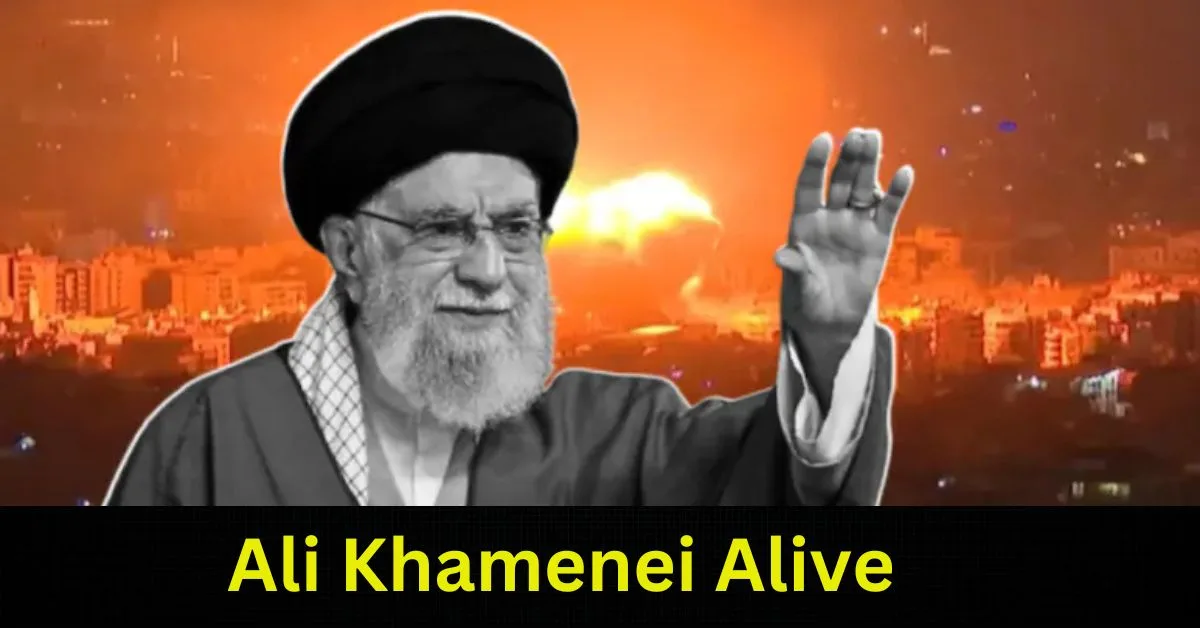
Ali Khamenei Alive After US-Israel Strikes, Says Abbas Araghchi Amid Rising Tensions

Ali Khamenei

Tensions in the Middle East sharply increased after joint airstrikes by the United States and Israel reportedly targeted key Iranian military and strategic sites. Soon after the attacks, rumours spread on social media and some international outlets that Iran’s Supreme Leader, Ali Khamenei, may have been killed or seriously injured. Click Here To Follow Our WhatsApp Channel

However, Iran has strongly denied these claims.

Iran Rejects Death Rumours

Iran’s Foreign Minister, Abbas Araghchi, clearly said that Khamenei is alive. In an interview with an American news channel, he stated:

“As far as I know, Khamenei is still alive. President Masoud Pezeshkian is alive. All high-ranking officials are alive and managing the situation.”

Araghchi admitted that Iran may have lost “one or two commanders” in the strikes, but he said the country’s leadership structure remains strong and operational.

What Happened in the Strikes?

According to Iranian officials, the airstrikes hit military bases, missile facilities, and nuclear-related sites. Some reports also suggested that areas near Khamenei’s compound in Tehran were targeted.

Satellite images shared by different media outlets showed smoke and visible damage around certain high-security zones. This led to immediate speculation that senior leaders, including Khamenei, might have been among the targets.

Israeli media reports, quoting unnamed sources, claimed there were “growing indications” that the 86-year-old Supreme Leader had been injured or killed. Some reports even suggested that disrupting Iran’s command system was one of the main aims of the operation.

But Iranian authorities have dismissed these claims as propaganda.

Leaders Moved to Secure Locations

Araghchi explained that senior Iranian leaders had been shifted to secure places before the strikes. He said such precautions are common when there is a serious threat.

Iranian state media also reported that Khamenei is expected to deliver a speech or a recorded message soon. If this happens, it will further confirm that he survived the attacks.

So far, there has been no live public appearance, but officials insist that the leadership is fully in control.

Growing Regional Tensions

The strikes are part of a larger conflict between Iran and Israel, which has been worsening in recent years. The United States has also increased its involvement.

In Washington, President Donald Trump addressed the nation, saying the operation was necessary to counter what he described as Iranian threats. He also reportedly offered protection to members of Iran’s Islamic Revolutionary Guard Corps (IRGC) if they choose to stand down.

Iran has responded by launching missile attacks on US bases in the region. Tehran says it has the right to defend itself but also claims it does not want to target Gulf countries or start a wider war.

Risk of Wider Conflict

The situation remains very tense. Several countries in the region have closed parts of their airspace. Flights have been cancelled, and global markets are reacting with concern.

Experts warn that if the fighting continues, it could lead to a larger regional conflict involving multiple countries. Such a conflict would not only affect the Middle East but could also impact global peace, oil supplies, and international trade.

What Happens Next?

At this moment, the most important question is whether tensions will calm down or grow further. Much depends on Iran’s next moves and whether Israel and the United States continue their military actions.

For now, Iranian officials firmly say that Ali Khamenei is alive and leading the country. They describe the death reports as false and politically motivated.

The world is watching closely as events unfold in a region already facing deep instability.

At 13, This Kashmiri Boy Built 31 Apps and AI Tools

Delhi Court Convicts Kashmiri Separatist Asiya Andrabi in UAPA Case

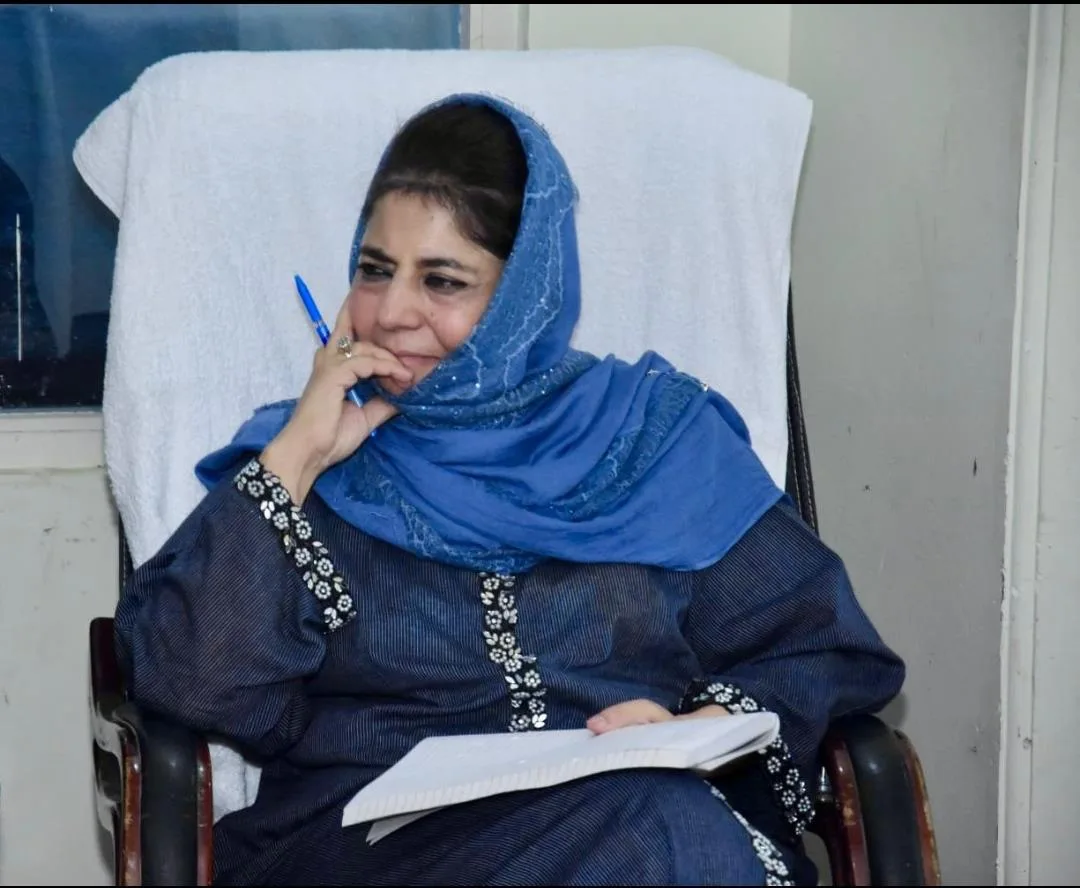
Mehbooba Mufti Hears Katra Concerns Over Ropeway, Livelihoods and Environment

mehbooba mufti

Continuing her public outreach programme, Mehbooba Mufti today held a “Gal Baat” interaction in the holy town of Katra, the base camp of the Mata Vaishno Devi Yatra, where residents voiced serious concerns over the growing commercialisation of the pilgrimage and mounting civic distress in the town.

Members of the Sangarsh Samiti welcomed Ms. Mufti and appreciated her visit to listen to the grievances of the people of Katra. The Samiti brought the ropeway issue to the forefront, reiterating strong opposition to the proposed project under the Shri Mata Vaishno Devi Shrine Board. They stated that the ropeway would divert pilgrims from the traditional route, affecting the sanctity, history and livelihoods associated with it for generations. Click Here To Follow Our WhatsApp Channel

“The traditional Yatra track sustains pony operators, pithuwalas, palki bearers, shopkeepers, transporters, hoteliers and daily wagers who have served as the true custodians of the Yatra. Any diversion of pilgrim flow without rehabilitation and consultation will devastate this entire economic chain,” a representative of the Sangarsh Samiti said.

They stressed that the impact would extend beyond Katra. “Families from surrounding villages, nearby districts and even Jammu depend on seasonal and year-round employment linked to the traditional route. This is not just about one project; it is about safeguarding the historic and sacrosanct route and the wider regional livelihood network,” the Samiti added.

The interaction took an emotional turn when a young student broke down while speaking about what he described as ecological damage being inflicted on the sacred Trikuta Hills, the abode of Mata Vaishno Devi. Referring to recent landslides, deforestation and hill cutting, the student said the fragile mountains, revered by lakhs of devotees, are being pushed beyond their ecological limits. His remarks drew strong reactions from the gathering, with several participants echoing concerns over environmental degradation.

Responding to these concerns, Mehbooba Mufti said, “The Yatra is a matter of faith and also serves as the backbone of Katra’s local economy. The people who have been custodians of this pilgrimage town for decades cannot be sidelined in decisions that affect their survival, their environment or their faith.”

She called for transparency and stakeholder consultation. “Development must be inclusive and environmentally responsible. Projects that alter the economic and ecological balance of the town must first address the concerns of those whose livelihoods and heritage are directly at stake,” she said.

Apart from the ropeway issue, residents raised serious concerns about water scarcity during peak pilgrimage seasons, inconsistent supply in residential wards and heavy dependence on private tankers. Locals said infrastructure has failed to keep pace with the rising footfall of pilgrims.

Electricity shortages and unscheduled power cuts were also highlighted, with traders stating that erratic supply disrupts business operations and daily economic activity. Participants pointed out that while Katra generates significant revenue through the Yatra, basic utilities remain unreliable.

Healthcare gaps were flagged, particularly staff shortages at the Sub-District Hospital and limited specialist availability during peak seasons. Concerns were also raised regarding higher secondary education, shortage of subject-specific lecturers and limited skill development opportunities for local youth.

The interaction concluded with a collective demand for structured dialogue on Shrine Board decisions, protection of the traditional route associated with faith and history, safeguarding of livelihoods, environmental protection of the Trikuta Hills, and a comprehensive development plan prioritising water supply, reliable electricity, sanitation, healthcare strengthening and educational improvements for the people of Katra. (KNS) 

At 13, This Kashmiri Boy Built 31 Apps and AI Tools

Delhi Court Convicts Kashmiri Separatist Asiya Andrabi in UAPA Case

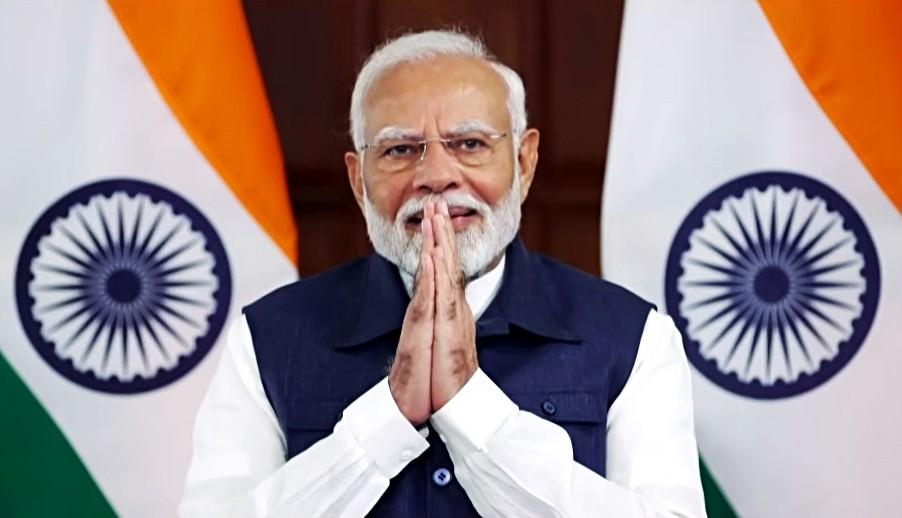
Narendra Modi Congratulates J&K on First-Ever Ranji Trophy Victory

PM Modi

The Prime Minister has congratulated the J&K team for their first-ever Ranji Trophy win.

The Prime Minister stated that this historic triumph reflects the remarkable grit, discipline, and passion of the team. Highlighting that it is a proud moment for the people of Jammu and Kashmir, he noted that the victory underscores the growing sporting passion and talent in the region. Click Here To Follow Our WhatsApp Channel

The Prime Minister expressed hope that this feat will inspire many young athletes to dream big and play more.

The Prime Minister shared on X post as per news agency Kashmir News Service (KNS) “Congratulations to the Jammu and Kashmir team for their first ever Ranji Trophy win! This historic triumph reflects remarkable grit, discipline and passion of the team. It is a proud moment for the people of Jammu and Kashmir and it highlights the growing sporting passion and talent there. May this feat inspire many young athletes to dream big and play more.” (KNS) 

At 13, This Kashmiri Boy Built 31 Apps and AI Tools

Delhi Court Convicts Kashmiri Separatist Asiya Andrabi in UAPA Case

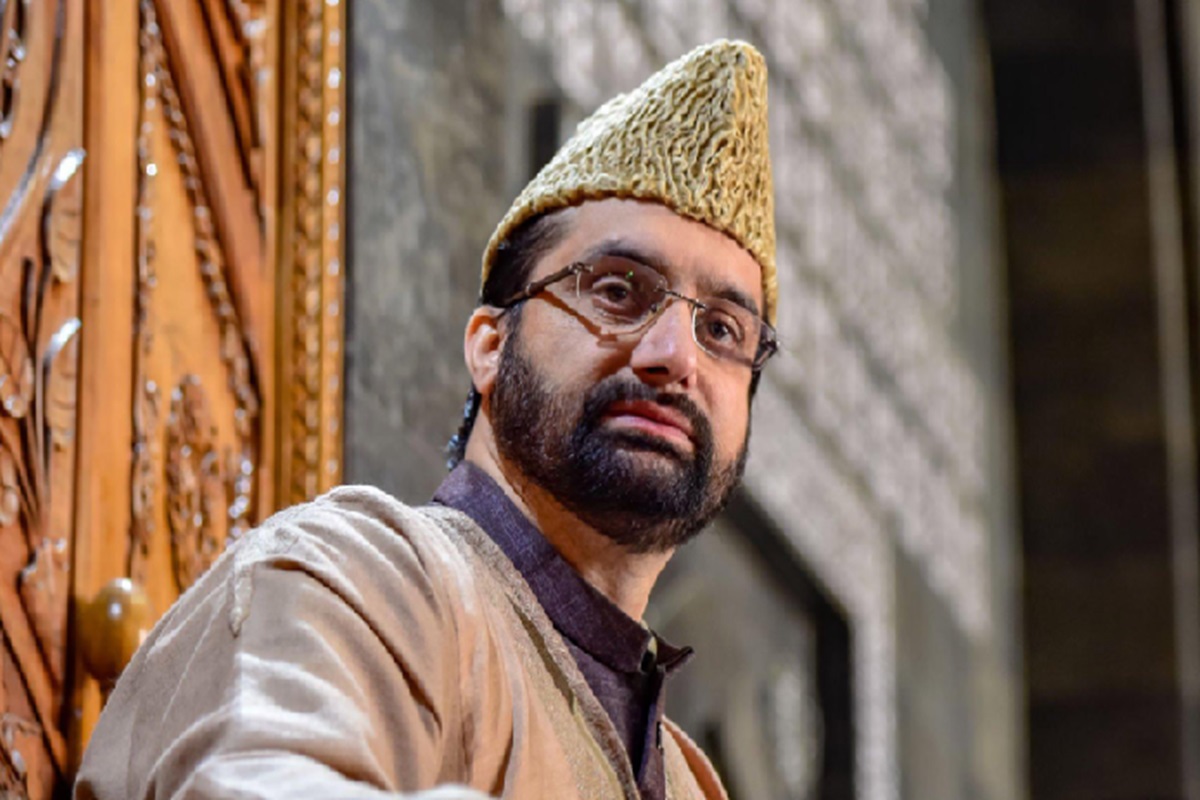
Mirwaiz Umar Farooq Condemns Israel Attack on Iran, Warns of Wider Regional Escalation

Mirwaiz Umar Farooq

Mirwaiz Umar Farooq on Saturday strongly condemned the attack on Iran by Israel. Click Here To Follow Our WhatsApp Channel

In a post on X , Mirwaiz wrote, “Strongly condemn the attack on Iran by Israel. Lack of international accountability for Israel’s aggression in the region especially with regard to Palestinian’s, has emboldened it to act with impunity, in such a wilful manner. With the US, Israel has now pushed the region toward a perilous escalation that risks igniting a wider regional conflict in the Middle East and destabilising global peace and security.”

“Our prayers are with the courageous people of Iran and the region, bearing the brunt of this aggression. May Allah protect them and may better sense and humanity prevail,”the post reads.

At 13, This Kashmiri Boy Built 31 Apps and AI Tools

Delhi Court Convicts Kashmiri Separatist Asiya Andrabi in UAPA Case

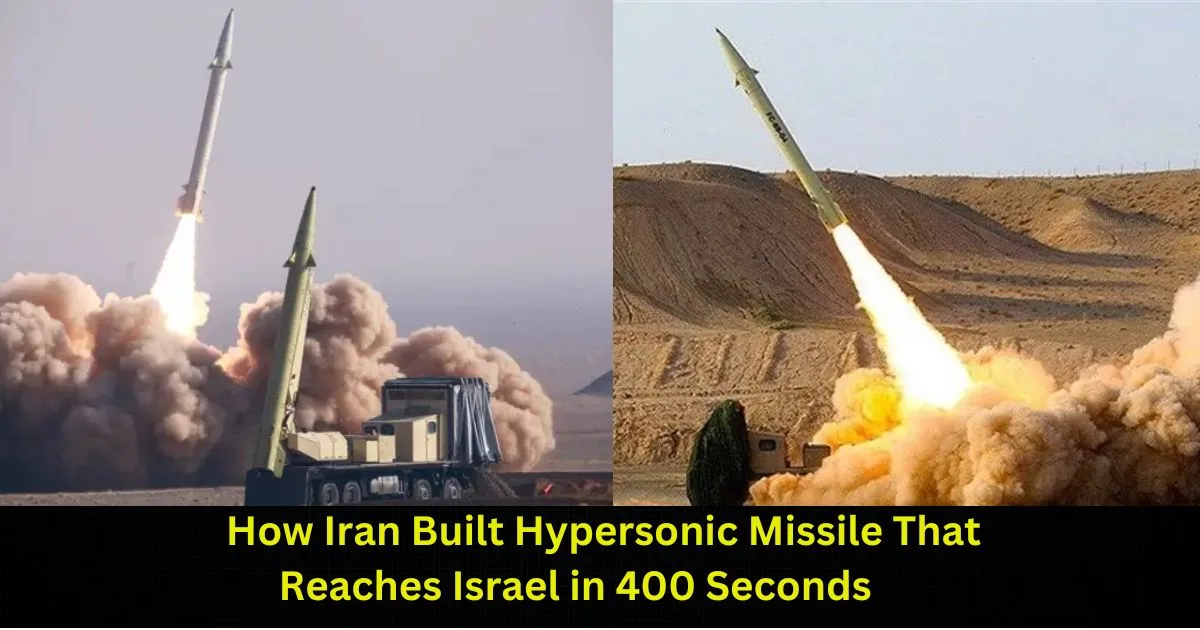
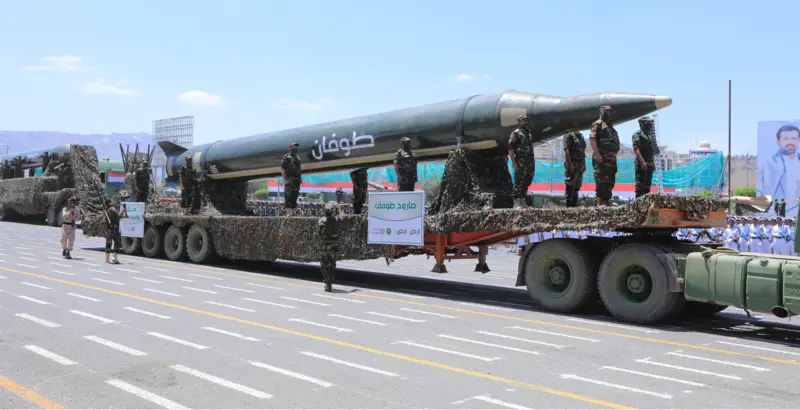
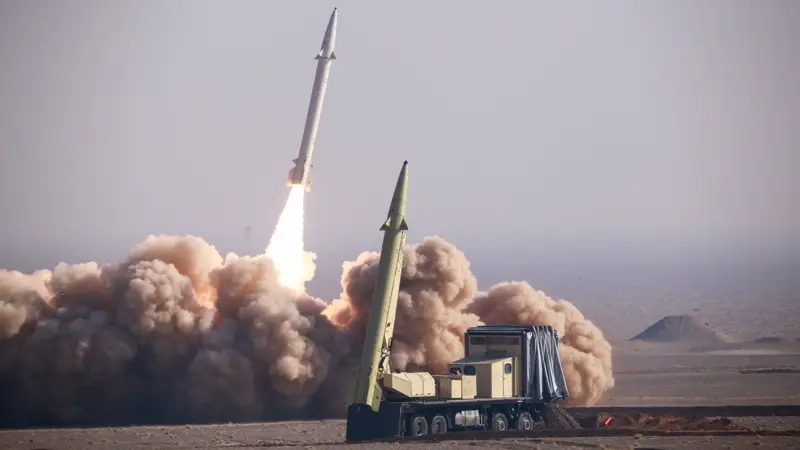
How Iran Built Hypersonic Missile That Reaches Israel in 400 Seconds – Defying Decades of Sanctions

irani missiles

Picture this: It’s June 2023 in Tehran. Giant billboards pop up across the city, showing a sleek new missile with bold text in Persian, Arabic, and Hebrew: “400 seconds… to Tel Aviv.” The message was impossible to miss. Iran had just unveiled the Fattah-1, its first claimed “hypersonic” ballistic missile, and the Islamic Revolutionary Guard Corps (IRGC) was making sure everyone — especially Israel — got the point. From launch sites in western Iran, they said, this weapon could cover roughly 1,400 km and hit Israel’s biggest city in under seven minutes. Click Here To Follow Our WhatsApp Channel

Fast-forward to early 2026, and the Fattah family isn’t just propaganda anymore. Iran has fired these missiles in real combat multiple times, rebuilt its arsenal after heavy fighting in 2024–2025, and continues to improve the system despite renewed UN sanctions. Here’s the remarkable (and controversial) story of how Iran pulled this off.

The Fattah Missiles: What Iran Actually Built

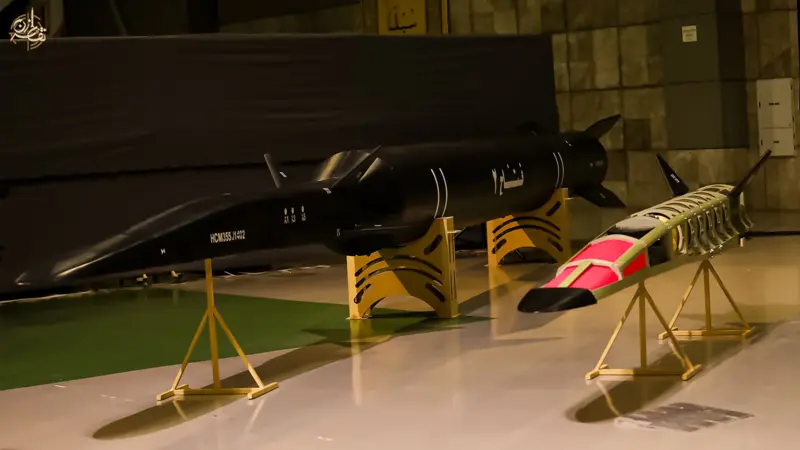
Fattah-1 was unveiled on 6 June 2023 after being announced in late 2022. Iran claims it reaches Mach 13–15 (roughly 16,000–18,500 km/h), has a 1,400 km range, and carries a 350–450 kg warhead. The key feature is a maneuverable re-entry vehicle (MaRV) with its own small solid-fuel motor and thrust-vector control, letting the warhead dodge defenses in the final phase of flight — and even do some maneuvering outside the atmosphere.

Fattah-2 followed in November 2023. It swaps in a hypersonic glide vehicle (HGV) for even more agility across the entire trajectory. Iran says it can hit 1,500 km and is even harder to intercept. Both are solid-fuel designs (at least the booster stage), meaning they can be launched quickly from mobile trucks or underground silos — a big upgrade over older liquid-fuel missiles that need hours to prepare.

The “400 seconds” claim comes straight from IRGC commander Brig. Gen. Amir Ali Hajizadeh. It’s marketing as much as math (a pure Mach-15 flight over 1,400 km would actually be faster), but the point was clear: this missile is designed to overwhelm Israel’s layered defenses — Arrow, David’s Sling, and Iron Dome.

From the Battlefield: Real-World Use (2024–2026)

Iran didn’t wait long to test its claims in combat:

  • April 2024 — First direct strike on Israel; debris analysis later confirmed Fattah-1 parts.
  • 1 October 2024 (“Operation True Promise II”) — Roughly 200 ballistic missiles, including Fattah-1s, in the largest attack yet. Some penetrated defenses and caused damage.
  • 2025 strikes (including waves in June) — Iran again claimed Fattah-1 and -2 use, with the IRGC boasting that the missiles “shook the shelters of the Zionists.”
  • Early 2026 — Amid fresh US-Israeli strikes on Iran, Tehran launched retaliatory barrages (reportedly “Operation True Promise” follow-ons) that included Fattah variants alongside Sejjil and older systems. Iranian state media and analysts say the hypersonic weapons targeted Israeli and US bases in the region.

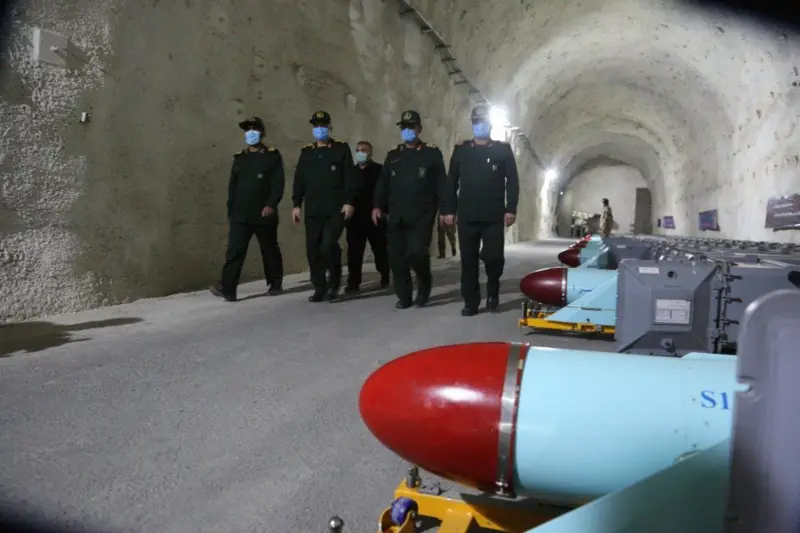
Despite losses in the 2024–2025 exchanges, Iran has rebuilt its stockpile to an estimated 1,500–3,000+ ballistic missiles by early 2026, including precision-guided and hypersonic types. Underground “missile cities” and rapid replenishment (helped by fresh Chinese propellant shipments) made this possible.

How They Did It: Sanctions Backfired

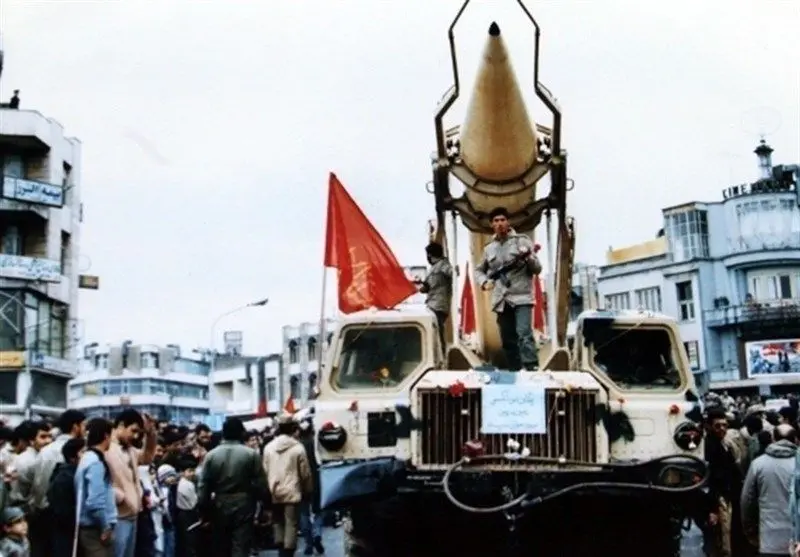
Iran’s missile program was born in desperation. During the 1980–88 Iran-Iraq War, Saddam Hussein rained Scud missiles on Iranian cities. Tehran had almost no air force left, so it begged for help. Libya sent the first 20 Scud-Bs in 1984. North Korea and China followed with more missiles, launchers, and know-how.

Sanctions kicked in hard after the revolution and tightened over the nuclear program. Instead of crippling the effort, they forced Iran to get creative:

  • Reverse engineering became the national sport. Iranian engineers took apart imported Scuds and produced the Shahab-1 (330 km) and Shahab-2 (500 km) by the early 1990s. The Shahab-3 (based on North Korea’s Nodong) gave them a 1,300 km reach by the late 1990s.
  • Solid-fuel revolution. Older liquid-fuel missiles were slow to fuel and vulnerable on the launch pad. Iran shifted to solid propellants (thanks to the Shahid Bagheri Industrial Group) so missiles could be fired in minutes from mobile launchers or hidden silos.
  • IRGC takes charge. The Revolutionary Guard’s Aerospace Force, led for years by the late Hassan Tehrani Moghaddam (the “father of Iran’s missiles”), drove the program. Facilities like the Shahid Hemmat Industrial Group (liquid engines) and underground complexes in Khojir, Semnan, and Isfahan kept production going.
  • Space program crossover. Work on satellites gave Iran lightweight composite casings and heat-resistant materials needed for high-speed re-entry.

Universities and young engineers were pulled in. Sanctions made imports almost impossible, so Iran built its own machine tools, gyroscopes, and guidance systems. The result? A genuinely indigenous industry that now exports drones and missiles to Russia, the Houthis, and others.

The Foreign Help That Never Stopped

Self-reliance has limits. Iran still got (and gets) outside assistance, often through shadowy networks:

  • North Korea — The biggest early partner. Designs, engines, and even entire missiles flowed in the 1980s–2000s. Similarities between Iranian and North Korean systems are obvious.
  • China — Supplied components, machine tools, and — crucially — huge shipments of ammonium perchlorate and sodium perchlorate (solid-propellant ingredients). In 2025 alone, Iran received thousands of tons from China, enough for hundreds of new missiles. Recent reports suggest Beijing is also helping with anti-ship missiles.
  • Russia — More recent cooperation, especially after Iran supplied drones for Ukraine. Some analysts see Russian fingerprints in upgrades to guidance and maneuverability.

These ties continue despite sanctions because the players use front companies, third countries, and barter deals (oil for tech).

The Reality Check: Hype vs. Capability

Western and Israeli experts are skeptical about the “Mach 15” label. Most say the Fattah is not a true hypersonic glide vehicle that stays in the atmosphere at hypersonic speeds the whole way. It’s a ballistic missile with a fancy MaRV that maneuvers mainly in the terminal phase — impressive, but not revolutionary like China’s or Russia’s scramjet-powered designs.

That said, even critics admit two things:

  1. The maneuverability makes interception much harder.
  2. Iran has now proven it can hit Israel with these weapons, and some got through.

In short: not invincible, but a serious step forward that forces Israel and the US to spend billions on better defenses.

Why This Story Matters

Sanctions were meant to stop Iran from building advanced weapons. Instead, they accelerated a homegrown defense industry, pushed Tehran closer to Russia, China, and North Korea, and turned the IRGC into a missile superpower in the Middle East.

Today, the Fattah series is in serial production, Iran’s arsenal is being replenished faster than many expected, and the “400 seconds to Tel Aviv” threat feels a lot more real than it did in 2023. Whether the missiles will ever be used at full scale is a political question, not a technical one. But the fact that Iran built them at all — under the harshest sanctions in modern history — is a masterclass in resilience, reverse engineering, and geopolitical defiance.

The billboards are gone now, but the missiles remain. And in a region already on edge in 2026, that’s a message no one can ignore.

At 13, This Kashmiri Boy Built 31 Apps and AI Tools

Delhi Court Convicts Kashmiri Separatist Asiya Andrabi in UAPA Case