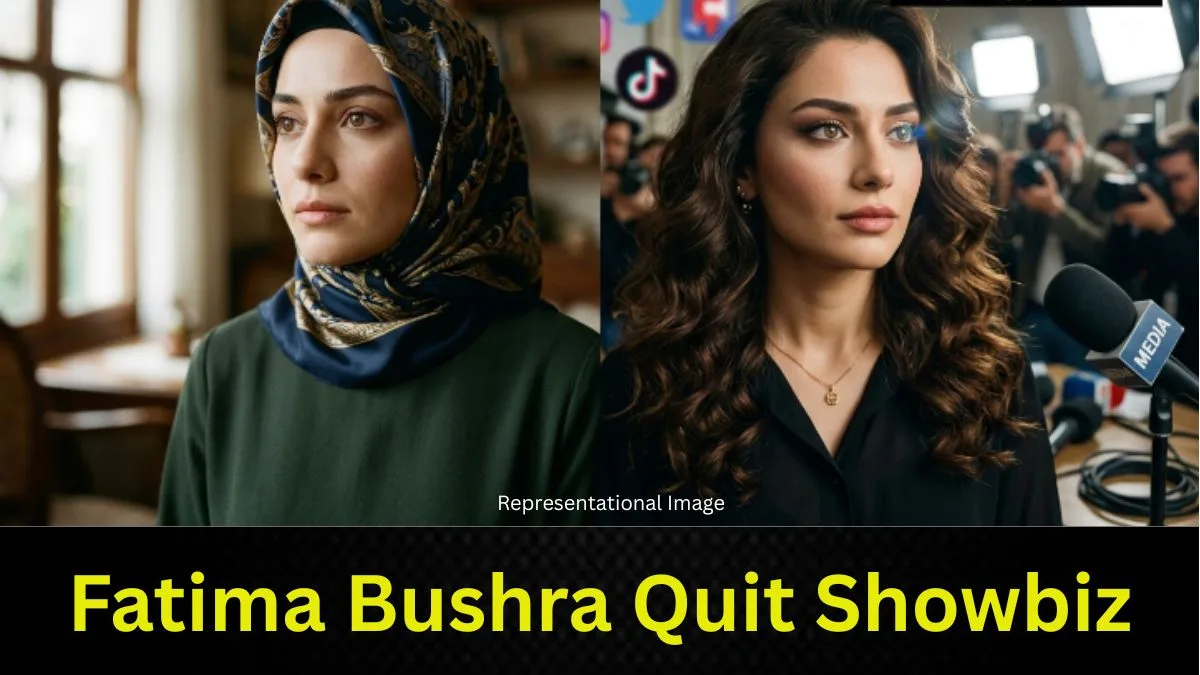
Recent rumors have surfaced suggesting that Turkish actress Fatima Bushra, purportedly known for her role in the popular television series Valley of the Wolves, has decided to step away from the entertainment industry and adopt the hijab. This news, which has circulated primarily through social media platforms like X, has sparked widespread discussion among fans and observers. However, no credible mainstream media outlets have confirmed these claims, leaving the story unverified and prompting questions about its authenticity. This article explores the context of these rumors, the cultural significance of such a decision in Turkey, and comparisons with similar cases in the entertainment industry.
The Rumor: Fatima Bushra’s Alleged Decision
According to unverified posts on X, Fatima Bushra announced her intention to leave showbiz to focus on her faith and personal growth, symbolized by her adoption of the hijab. One post claimed that she stated, “I have chosen to wear the hijab and abandon fame and acting for a new chapter in my life.” However, without corroboration from reputable news sources or an official statement from the actress herself, this information remains speculative. The lack of verifiable details, such as specific interviews, press releases, or confirmed media reports, suggests that the story may be a rumor or a case of mistaken identity.
The name “Fatima Bushra” does not appear in established records of prominent Turkish actresses, which raises doubts about the accuracy of the claim. It’s possible that the name is a conflation of other individuals or a fictional persona. For instance, there are documented cases of other actresses, such as Pakistani actress Arij Fatima or Turkish actress Bushra Aydin, who have made similar life choices, which may have contributed to the confusion.
Cultural Context in Turkey
The decision to adopt the hijab and leave the entertainment industry, if true, would carry significant cultural and social weight in Turkey. Turkey has a complex history regarding the hijab, shaped by its secular state policies and evolving religious landscape. For decades, the Turkish government enforced strict secularism, including bans on headscarves in public institutions like universities and government offices, viewing them as symbols of political Islam. These restrictions were gradually lifted in the 2010s under the leadership of the Justice and Development Party (AKP), allowing greater freedom for women to wear the hijab in public spaces.
In Turkish media, hijab-wearing women are underrepresented, particularly in urban and mainstream television series. As noted in discussions on platforms like Reddit, Turkish TV often focuses on affluent, secular characters in cities like Istanbul, where hijab-wearing women are less commonly depicted unless the narrative involves rural or conservative settings. A decision by a prominent actress to adopt the hijab could challenge these norms, sparking debates about representation, personal choice, and societal expectations.
If Fatima Bushra’s story is accurate, her choice would align with a broader trend of public figures in Muslim-majority countries prioritizing spiritual or personal transformation over fame. However, the polarized nature of Turkish society—between secular and conservative factions—could lead to varied reactions, ranging from praise for her courage to criticism for abandoning a successful career.
Comparisons with Other Actresses
While the story of Fatima Bushra remains unconfirmed, there are verified examples of actresses from Turkey and neighboring regions who have made similar choices, providing context for the rumor:
- Bushra Aydin (Turkey): In 2016, Turkish actress Bushra Aydin announced her decision to wear the hijab, a move that garnered attention in Turkish media. Unlike the rumored case of Fatima Bushra, Aydin continued acting but set boundaries for her roles, refusing scenes that conflicted with her values, such as those involving physical intimacy. Her decision highlighted the possibility of balancing a career in entertainment with religious observance, though it also sparked discussions about the challenges of being a hijab-wearing actress in Turkey’s secular-leaning industry.
- Arij Fatima (Pakistan): In 2019, Pakistani actress Arij Fatima, known for roles in popular dramas like Hassad and Ishq Parast, left the entertainment industry after embracing a more religious lifestyle. In 2025, she shared a video on Instagram wearing a hijab, captioned “New Beginnings,” and addressed critics who judged her choice, stating, “I’m going to follow what feels right in my heart and what Allah guides me to.” Her transformation received mixed reactions, with some praising her courage and others criticizing her decision.
- Sahar Afsha (India): In 2024, Indian Bhojpuri actress Sahar Afsha announced her departure from the film industry to pursue an Islamic lifestyle. In an Instagram post, she expressed her intention to focus on her faith, stating, “I am saying goodbye to the film industry forever to stay firmly on the path of Allah.” Her decision was met with both support and skepticism, reflecting the diverse perspectives on such choices in South Asian entertainment.
- Hala Shiha (Egypt): In 2006, Egyptian actress Hala Shiha retired from acting to adopt a conservative lifestyle, including wearing the hijab and later the niqab. However, in 2018, she reversed her decision, returning to acting and removing her hijab, which ignited significant controversy in Egypt. Her case illustrates the complex interplay between personal choice, public perception, and cultural expectations in the entertainment industry.
These examples demonstrate that decisions to leave showbiz or adopt the hijab are not uncommon among actresses in Muslim-majority or Muslim-influenced regions. However, each case is unique, often accompanied by public scrutiny and polarized reactions.
Public and Media Reactions
The rumor about Fatima Bushra has generated varied responses on social media, particularly on X, where users have expressed both support and criticism. Some posts praise the alleged decision as a courageous step toward spiritual fulfillment, with comments like, “Her choice inspires many, showcasing the power of self-discovery.” Others, however, have reacted negatively, with sentiments ranging from dismissive remarks like “Who cares?” to more hostile comments suggesting coercion or criticizing the hijab as a symbol of oppression. These reactions reflect broader societal debates about women’s autonomy, religious expression, and the role of faith in public life.
The lack of verified information has also fueled skepticism. Without an official statement or credible news coverage, some users have questioned whether the story is a fabrication or a misunderstanding. This highlights the challenges of navigating unverified information in the digital age, where rumors can spread rapidly without substantiation.
The Broader Implications
If true, Fatima Bushra’s rumored decision would contribute to ongoing conversations about representation and diversity in Turkish media. The underrepresentation of hijab-wearing women in mainstream Turkish television has been a point of contention, as noted in online discussions. Some argue that the absence of hijabi characters reflects a bias toward secular, urban narratives, while others contend that including such characters risks politicizing storylines or alienating audiences.
Moreover, the choice to wear a hijab in a high-profile industry like entertainment can challenge stereotypes and inspire others. For example, British-Moroccan comedian Fatiha El-Ghorri, who wears a hijab, has spoken about “smashing stereotypes” through her performances, emphasizing the importance of visibility for hijab-wearing women in media. Similarly, a Turkish actress adopting the hijab could encourage greater acceptance and representation, though it might also invite scrutiny in a country with a strong secular tradition.
Conclusion
The rumor that Turkish actress Fatima Bushra has quit showbiz and adopted the hijab remains unverified, with no credible evidence from mainstream media to support the claim. While the story has sparked interest and debate, it may stem from confusion with other actresses or unconfirmed social media posts. Nonetheless, the discussion surrounding this rumor underscores the broader cultural dynamics in Turkey and beyond, where personal choices about faith and appearance can have significant public impact. As with similar cases, such as Bushra Aydin or Arij Fatima, the decision to prioritize spirituality over fame reflects a deeply personal journey that resonates with some and challenges others. Until more concrete information emerges, the story of Fatima Bushra remains a topic of speculation, inviting reflection on the intersection of faith, identity, and media representation.
April 2026 Update: New Perspectives on the “Fatima Bushra” Mystery
As of April 2026, the rumors surrounding “Fatima Bushra” continue to circulate on social media, yet the mystery regarding her true identity remains unsolved. No official records or filmographies from the Turkish drama industry (Dizi) have surfaced to confirm the existence of a prominent actress by this name. Recent developments in the entertainment world, however, provide fresh context to this ongoing discussion:
- The “Identity Hunt” on Social Media: Throughout early 2026, online communities on platforms like Reddit and X (formerly Twitter) have intensified their search for Fatima Bushra’s supposed roles in series like Valley of the Wolves. The total lack of visual evidence or credits in these productions strongly supports the theory that “Fatima Bushra” may be a digital fabrication or a name used to misidentify other public figures for viral engagement.
- The Rise of AI-Generated Content: Experts note that the persistence of the Fatima Bushra story in 2026 is likely fueled by AI-generated thumbnails and “clickbait” video scripts. These automated accounts often combine the names of various actresses with religious themes to generate views, making it increasingly difficult for the average user to distinguish between factual biographies and viral myths.
Final Verdict (2026): While the story of a Turkish actress quitting fame for faith remains a powerful and inspiring narrative for many, the specific persona of Fatima Bushra remains unverified. It stands as a modern example of how digital rumors can evolve into “urban legends” within the Muslim world.
Click Here To Follow Our WhatsApp Channel
You Might Also Like:
Pahalgam Terror Strike Casts Shadow Over J&K Statehood Demands, Supreme Court Observes
BJP Links J&K Statehood to Elimination of Terror Networks as Supreme Court Reviews Restoration Plea