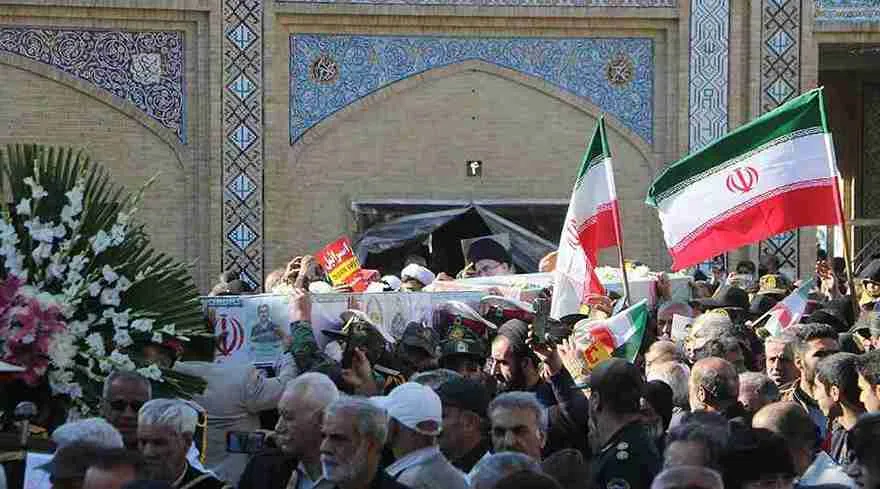
Iran has acknowledged that 114 government personnel — including police, Basij and other security-force members — have been killed amid nationwide protests, according to state-linked reporting. The admission comes as Tehran issued stark warnings that any US military intervention would be met with a strong and direct response. (Al Jazeera)
The immediate facts
State-affiliated outlets, notably the semi-official Tasnim news agency, have been publishing names and provincial breakdowns of security personnel killed during clashes with demonstrators. Tasnim’s compiled lists have been updated repeatedly by Iranian media, and a cumulative total reported in state coverage now stands at 114 security and government-affiliated personnel killed in the unrest. International news organisations note that these lists reflect Tehran’s internal accounting of losses among its forces. (Al Jazeera) Click Here To Follow Our WhatsApp Channel
At the same time, rights monitors and independent organisations put the overall human toll of the unrest far higher — encompassing predominantly civilian deaths — and have reported several hundred fatalities across the country since the protests began. The disparity between state and independent counts is large and remains difficult to reconcile because of heavy restrictions on communications and media access inside Iran. (Reuters)
How the protests escalated
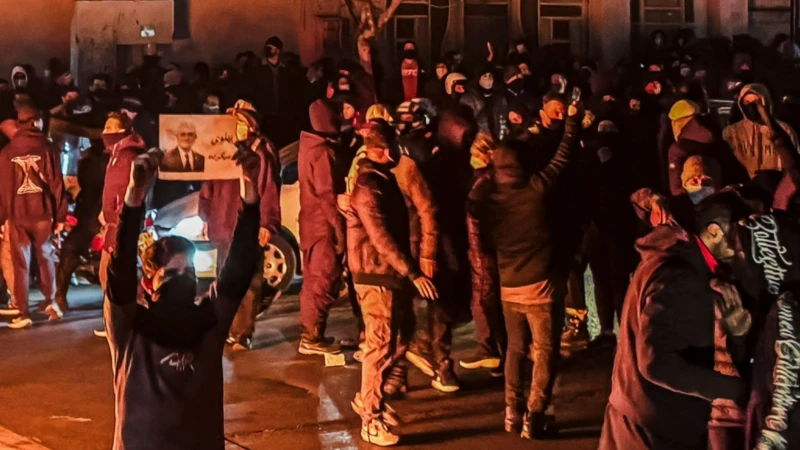
The demonstrations began in late December 2025 amid an acute economic crisis — marked most visibly by the collapse of the rial and soaring inflation — and rapidly broadened from bread-and-butter grievances to mass public anger against the political status quo. Within days the unrest spread beyond a handful of cities to dozens of provinces, drawing tens of thousands into the streets. Security forces mounted vigorous crackdowns in major urban centres, and confrontations turned violent in numerous locations. (Bloomberg.com)
Iranian authorities say some incidents involved organised, armed groups they describe as “terrorists” or “outsiders”, and they have blamed foreign interference — chiefly the United States and Israel — for stoking violence. The government narrative has emphasised the deaths among security personnel to underline the scale of what it portrays as an existential threat. Tasnim and other state outlets have used the casualty lists to support that framing. (Tasnim News)
State figures versus independent tallies
There are two separate but overlapping tallies to understand:
- State / security-linked counts: Iranian state and semi-official agencies are publishing lists of security personnel casualties; the number widely cited in state media is 114 killed. These lists include police, Basij volunteers and other government-affiliated staff. (Al Jazeera)
- Independent human-rights estimates: Rights groups and monitoring organisations reporting from inside and outside Iran place the overall death toll in the hundreds. A US-based monitoring group reported more than 500 deaths in the first two weeks of unrest, the large majority of whom are identified as protesters; these tallies also indicate thousands of arrests. International news outlets stress that such figures are provisional and hard to verify because of the communications blackout. (Reuters)
These contrasting figures illustrate both the scale of violence and the difficulty of obtaining independently verifiable casualty data while internet access and independent reporting are severely restricted. (Amnesty International)
Tehran’s warning: retaliation if the US attacks
Iran’s political leadership has explicitly warned the United States against any military strikes. Parliament speaker Mohammad Bagher Qalibaf and other senior figures told lawmakers and state media that US or Israeli strikes would be considered acts of war and would be met with retaliation against American and Israeli bases and assets in the region. Tehran framed the warning as defensive, saying any external attack would legitimise counter-strikes. (Reuters)
The rhetoric followed public statements from senior US figures that indicated Washington was considering a range of options in response to Tehran’s crackdown, from diplomatic pressure and sanctions to covert measures and limited kinetic action. US officials have said they are monitoring the situation closely, although they have not publicly confirmed plans for direct military strikes. The combination of hawkish rhetoric on both sides has heightened fears of a dangerous escalation. (AP News)
Domestic measures: blackout, arrests and legal crackdown
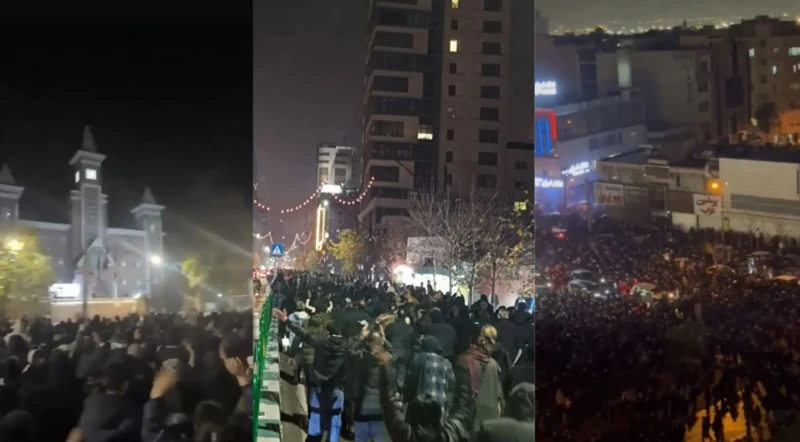
To stifle coordination and reporting, Iranian authorities implemented broad internet restrictions and localised blackouts; observers say these measures have seriously hampered independent documentation of events. In parallel, security forces have carried out mass arrests — rights monitors report thousands detained — and courts have signalled swift legal action against those labelled as organisers or “terrorists”. State television and pro-government outlets have broadcast footage and statements portraying security forces as under siege. (Amnesty International)
International reaction
The unrest and Iran’s warnings prompted immediate international concern. Western governments and human-rights bodies have urged restraint and called for independent investigations into killings and mass arrests. Some foreign leaders and commentators expressed support for Iranian demonstrators; others warned against foreign military involvement that could further destabilise the region. The UN and a number of states expressed alarm at reports of heavy casualties and urged all parties to avoid escalation. (The Guardian)
What this means for regional stability
The combined effect of large-scale internal unrest, rising casualties among both protesters and security personnel, and threats of cross-border retaliation raises the risk of a wider regional crisis. Iran’s explicit naming of US and Israeli assets as potential targets, coupled with public speculation in Washington about military options, creates a precarious environment in which miscalculation or a limited strike could rapidly spiral. Analysts warn that, even absent direct strikes, the situation is likely to increase proxy tensions across the Middle East and complicate international diplomatic responses. (Reuters)
Looking ahead
At home, the immediate prospects appear grim: continued street protests, harsh security measures, and constrained reporting will likely keep casualty figures contested and the humanitarian situation opaque. Internationally, careful diplomacy will be required to avoid a military escalation that neither side appears to want in public — but both have signalled readiness to respond forcefully if provoked.
Independent verification of the full scale of the fatalities — both the government’s 114 security personnel and the much higher rights-group totals of overall deaths — remains essential for any credible international assessment. For now, the competing narratives and hardline rhetoric underscore how a domestic crisis has swiftly taken on strategic regional and global significance. (Al Jazeera)
Sources (selected)
Reporting and updates from Tasnim, Al Jazeera, Reuters, AP, Amnesty International and independent monitoring groups; further coverage by The Guardian and regional outlets. Specific references used above: Tasnim / state media reports and compiled lists; Reuters reporting on casualty estimates and Iran’s warning to the US; Al Jazeera live updates and Tasnim citations; Human Rights Activists News Agency and AP tallies; Amnesty commentary on restrictions and verified killings. (Tasnim News)
You Might Also Like:
At 13, This Kashmiri Boy Built 31 Apps and AI Tools
Zohran Mamdani: The Fearless New York Leader Speaking Truth When Others Stay Silent
NYC Mayor Zohran Mamdani Calls Maduro’s Capture an Act of War, Warns of Legal and Human Impact